

Unless you’ve been living under a rock, you’ve probably heard about Artemis II — the first time humans headed back toward the moon since Apollo 17 in 1972. The mission, intended to be a 10-day, non-landing lunar flyby, successfully launched on April 1, 2026 (not a prank), and is set to return on April 10, 2026, when the spacecraft will splash down in the Pacific Ocean.

As a '98 baby, this is my first time (and many others'!) witnessing a crewed let's-go-to-the-moon mission, and for the past 10 days, I've been completely in awe of all the photos that have come from it. It actually boggles my mind that space exploration was even possible back in the '60s, and it's very cool that there are those who've witnessed multiple moon missions.

That said, recently, older adults who've lived through the Apollo missions shared how they felt about seeing humans return to the moon after 54 years, and it's a mixed bag of emotions. Here are their thoughts:
1. "On one hand, the Artemis mission is very exciting (I downloaded the NASA app so I could follow it better). But on the other hand, I question the need to send people into space when our unmanned probes like the Mars rovers, Juno and Voyager, can do so many amazing things and gather so much more important science. And if they fail, at least it's a disappointment, not a tragedy."
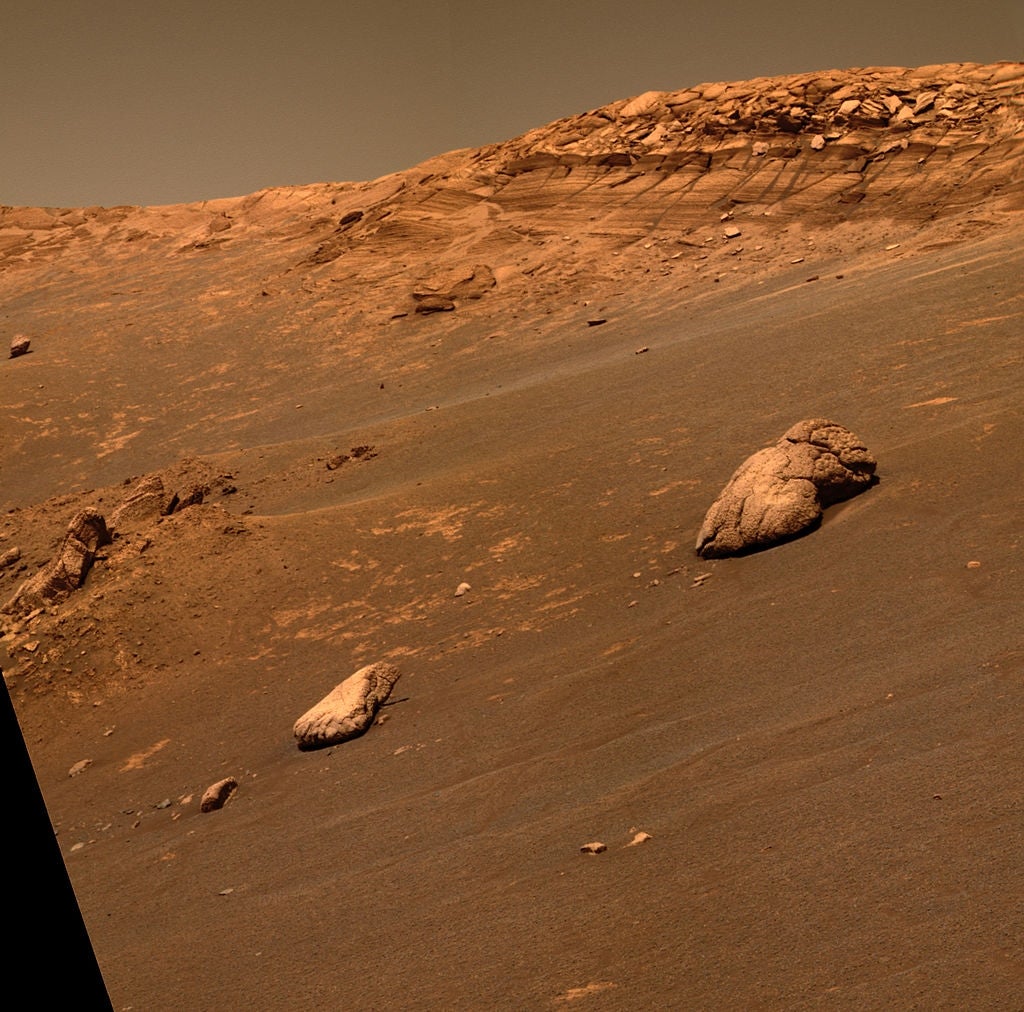

2. "I think there will still be people who will deny it happened."
3. "I'd be more excited if we weren't in a war right now, and if things weren't getting really messed up on several levels. I'm glad to see the mission and more space exploration, but I'm just not in the mood to celebrate."
4. "I was 16 during the original moon landing, and it was really incredible to see. I remember that one of my uncles thought it was fake. I still have my Seattle Times newspaper with the huge front page headline: 'MAN WALKS ON MOON.'"


5. "The fact that it's a big deal in 2026 is a great reminder of how ridiculously amazing it is that we did it in 1969."
6. "I'm 65, and I'd rather have these financial resources devoted to public healthcare and pensions."
7. "A few thoughts: At the top of the list, I hope they return safely. Even though a gazillion times more science and technology have gone into Artemis than Apollo, there are still a gazillion ways it could all go horribly wrong. The whole world and I watched Apollo 13 unfold in real time, and I have no desire to go through that again (notwithstanding the happy ending). Back to my 'gazillion' point: Holy hell, how did the Apollo succeed with the tech they had back then? The relative comfort and space on Apollo vs. Artemis is probably like the difference between Economy on Delta and First Class on Singapore Airlines."
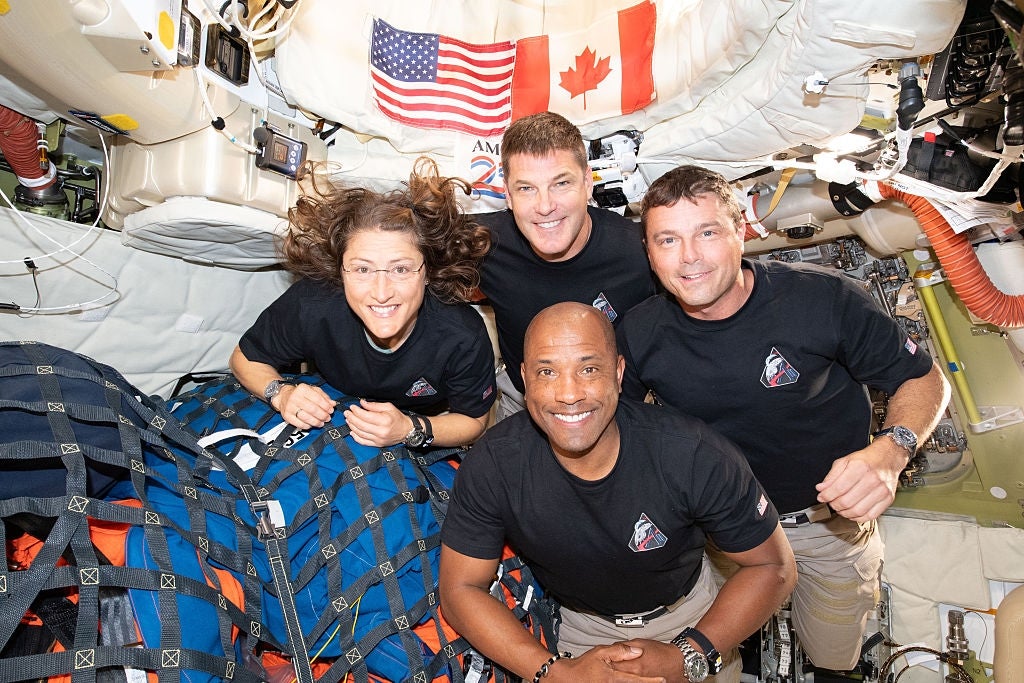

8. "I was 4 when Apollo 11 reached the moon. I remember all the hype and excitement around it, though; unfortunately, I was too little to watch or appreciate the moment when Neil Armstrong set foot on the moon."
9. "I saw THE original moon landing."
"Me, too. I was 9. Made me love science."
10. "About time. We should have kept going with Apollo and not cut NASA's budget so much."
11. "My father worked in the space program, and we watched every launch and mission. I remember seeing a photo of the Apollo 1 tragedy on the front page of the newspaper. We then watched the first steps on the moon, and I'll never forget how awesome it was. I watched the Artemis launch with my adult daughter and found myself tearing up. I'm happy to be alive to see it!"


12. "I watched the original moon landing while sitting in my dad's lap. I was a bit too young to fully understand what was going on, but my dad was very interested in it and kept telling me, 'This is really amazing; you're watching something historic!' or something to that effect. Dad got me interested in science and technology, a wonderful gift to his only daughter. He passed a year ago. I'm sad he wasn't here to watch it with me again."
13. "I love it. I was 13 in 1969. It was amazing then, and it still is."
14. "I think it's great to see the US pursue something that has no monetary value and poses a significant scientific achievement that will, in turn, lead to more scientific achievements. A lot of the modern tech we have is repurposed from war and/or the space race."
15. "It makes me sad and makes me miss my dad. He worked on the Apollo and Mercury missions, and when they stopped traveling to the moon, he explained to me how long it would take to return and why. He was off by one year. I wish he were still around so he could see how right he was, and that I could talk to him about it again."
16. "It's hard to convey how important the Apollo and space programs were in pop culture in the '60s. From print stories and pop art to music, TV shows, and advertising, it was everywhere. The difference between then and now is very interesting to me."
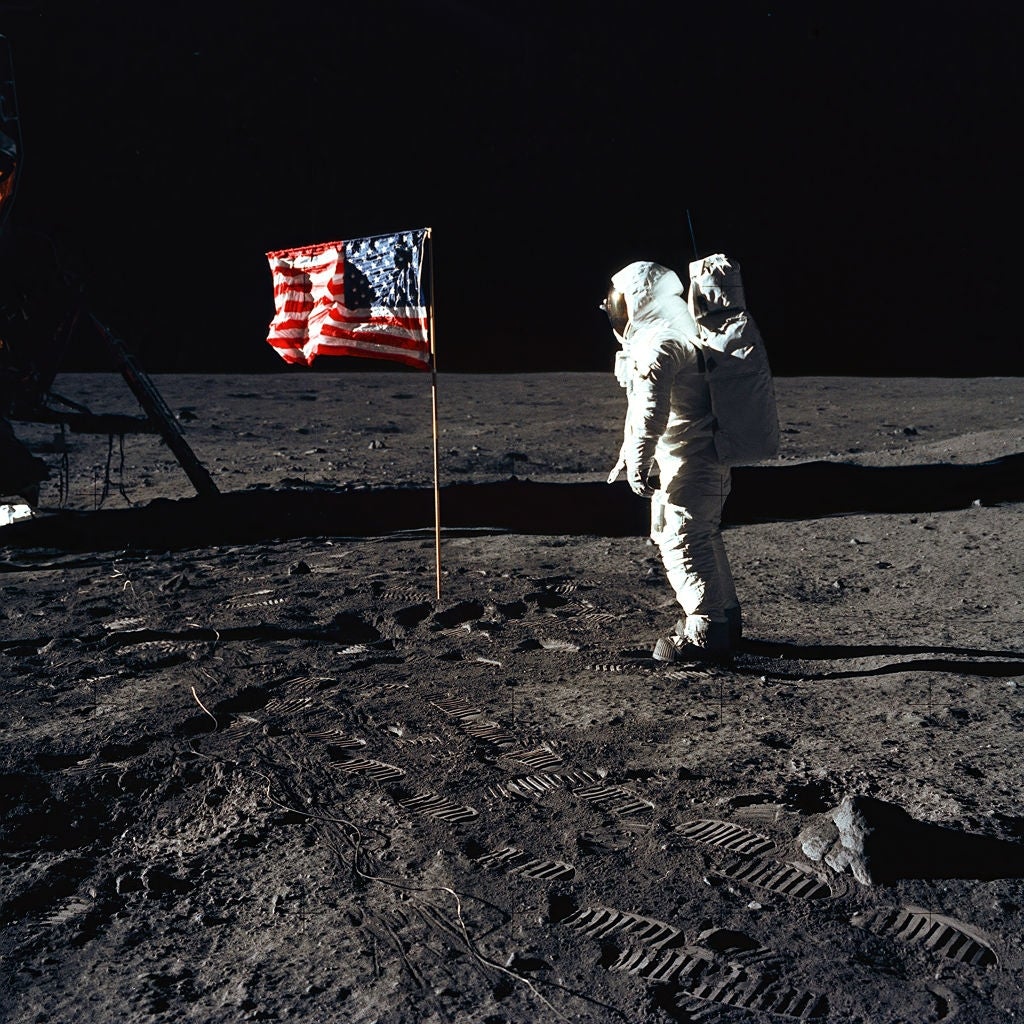
17. "I saw the Apollo 11 launch when I was 14. I really thought we'd be visiting Jupiter in my lifetime. Unfortunately, people lost interest."
18. "It gives me hope. Even with all of the garbage going on right now, there's NASA. We're sending people to the moon because we believe in the value of science, exploration, and discovery."
19. "I saw the original on TV when I was 11. That actually inspired me to pursue engineering, and I ended up designing much of the flight software for the Space Launch System, so I'm thrilled! I also got to see the Artemis launch in person, which was spectacular."
20. "I'm from the UK, and I saw the first moon landings live. My main feeling is frustration that it's taken this long to go back because of politics. We need to be able to move into space if the human species is going to survive in the long-term."

21. "Having seen it before, I'm more amused at how different it is for them to do it again. They don't even have a spacesuit design yet that will allow them to walk on the moon, so it won't be until at least 2028 before that happens. Guess they lost the original owner's manual."
22. "When the first moon landing happened in late July 1969, I was about 2 weeks old. Of course, I don't remember it at all, but my parents told me later that it was such a big deal to them. My dad was a park ranger at a remote national park in the Southwestern US. They didn't have a TV, but their nearest neighbor (about 30 miles away) did, so my parents got in their car and drove with little baby me in their arms to watch it with their friends. Many years later, Mom and I were at a space museum near where my folks live now in North Carolina for a lunar eclipse viewing. They had an exhibit about the first moon landing, and a man about my mom's age (late '70s) started talking with us about what it meant to him when he was young. My mom and he both got misty-eyed, and she said, 'Oh yeah, it was a long trip, but I brought my baby,' and pointed at me."

23. Lastly: "I watched the Challenger disaster live from my hospital bed while holding my 2-day-old son. I have not been able to watch any launch involving people since. I happened to turn the TV on at T-minus 20 minutes of the Artemis II launch. I kept it on because my son (the very same one I was holding during the Challenger incident, and whom I now live with) was interested in watching. I felt sick, very nervous, and anxious as I watched the countdown clock. It was like, as much as I didn't want to watch, I couldn't look away. I just about broke my own fingers from wringing my hands with nervous anticipation. I was SO relieved when everything went off without a hitch."
Honestly, this is a great period of time for space lovers, what with Artemis II and the Project Hail Mary movie! Hopefully, this will reignite people's general interest and fascination in the space of it all. If you're an older adult, how do you feel about Artemis II? Let us know in the comments, or you can anonymously submit your thoughts using the form below!
Note: Some submissions have been edited for length and/or clarity.
Comments