
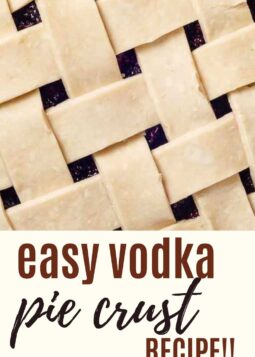
This easy pie crust recipe uses both shortening and butter for a flakey and tender pie crust! Use this foolproof recipe for sweet or savory pies, hand pies, or even cherry pie bars!


A Quick Look At The Recipe
This is a brief summary of the recipe. Jump to the recipe to get the full details.
Prep Time
15 minutes
Chilling Time
2 hours
Total Time
2 hours 15 minutes
Servings
2 Crusts
Difficulty
Moderate- Make sure to keep everything cold.
Calories *
1740 kcal per serving
Technique
Cut in the butter, add vodka and water, divide in two, chill overnight!
Flavor Profile
Flaky and tender pie crust made with butter and shortening.
* Based on nutrition panel
pie crust refreshers are always appreciated! I don’t make them enough and since precision is required, I definitely want to follow a tested recipe, so thank you ⭐⭐⭐⭐⭐
Sabrina
Take the stress and guesswork out of pie dough with this easy pie crust recipe! I use a combination of butter for flavor and flakiness and just enough shortening for tenderness. The vodka in the dough hydrates the flour without developing gluten. The vodka evaporates during cooking and leaves you with a delicate, flaky pastry!
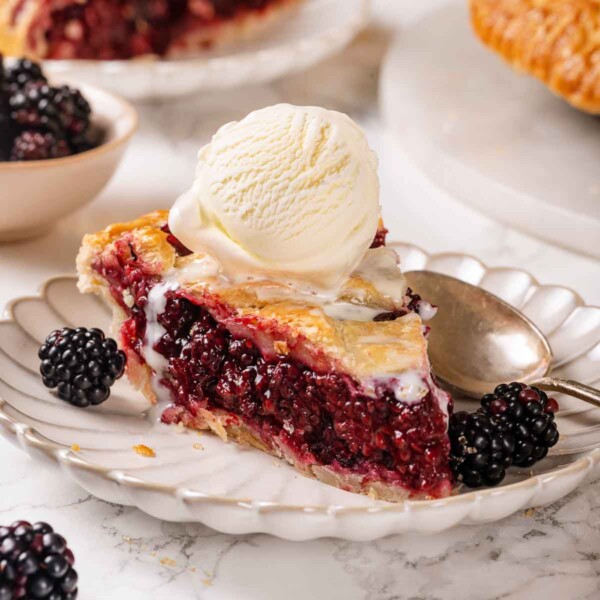
Use this versatile recipe in any recipe calling for pie crust like this blueberry galette! Better yet make a big batch and make the best pumpkin pie, homemade cherry pie, caramel apple pie, or cranberry crumble pie! I used this crust to make blackberry pie and a strawberry rhubarb pie that were perfection.
Table of contents
Why This Easy Pie Crust Recipe Works
- Exact measurements to make it super simple.
- Shortening makes it tender & butter makes it flakey.
- A combination of frozen vodka and ice-cold water for foolproof crust. The vodka hydrates the flour without strengthening the gluten network, which makes for a dough that is easy to work with but bakes brilliantly!
- Make it using any method you feel comfortable with! I have a video tutorial on making crust with a food processor, stand mixer, a pastry blender, a bench scraper and even with 2 knives if you are in a real equipment pinch!
- The perfect recipe for savory pies like chicken pot pie and any of our pies and tart recipes!

Professional Tips for Making Pie Crust
- Keep everything cold. Cold ingredients are especially important when making this easy pie crust recipe by hand. Using a pastry blender or even 2 knives will take 3-4 times as long as using a food processor.
- The ultimate recipe to prep ahead for Holiday baking! You can freeze the dough either before rolling, after rolling into sheets, or even after par baking!
- Don’t over or under-cut in the butter & shortening. Cutting in the butter too much will not create the little butter sheets that evaporate during baking and make the crust flaky and the dough will be too wet because the gluten is not able to properly hydrate. Under cutting in the butter will make the dough too dry and too glutenous because not enough of the fat shortened the gluten strands.
Ingredients & Substitutions

- All-purpose flour: You can use either all-purpose flour or pastry flour for this recipe. I do not recommend using cake flour, because it does not have enough gluten for a good flaky crust, nor would I recommend using bread flour. The additional gluten will make a tough crust even with vodka and shortening.
- Kosher Salt: The measurements in the recipe are for kosher salt. Use ½ teaspoon salt if using regular table salt.
- Granulated Sugar: Just enough sugar to aid in browning and add a little flavor. You can omit it or double it.
- Unsalted Butter: Cold, cubed butter is critical! Not frozen. These aren’t buttermilk biscuits where freezing the butter is encouraged.
- Vegetable Shortening: I do, however, freeze the shortening because it is still pliable when frozen.
- Vodka: No need to break out the good stuff for this recipe. Use inexpensive frozen vodka. You won’t be able to taste the difference!
- Cold Water: I put ice cubes in my water, then put the whole thing in the freezer. I remove the ice and measure right before combining! Maximum coldness!
See the recipe card for full information on ingredients and quantities.
Possible Variations
- Omit the vodka. You can use all ice water as the liquid in this recipe if you do not have, or do not care to use vodka.
- Use all butter. The combination of shortening and butter result in a flavorful and textural pastry masterpiece, but not every has or cares to use shortening. You can substitute 2 sticks (1 cup) butter for all the butter and shortening called for in this recipe or follow this vodka pie crust recipe. To use all shortening (hello, vegans!), use my Crisco pie crust recipe! If you’re into pastry, you’ll also love this homemade rough puff pastry.
- Add a flavoring. Try adding some pumpkin spice, cinnamon, or orange zest to the flour mixture. You could also add shredded cheese, pepper, and savory spices for a savory crust!
How to Make this Easy Pie Crust Recipe by Hand
Use these instructions to make tender and flaky pie crust every time! Further details and measurements can be found in the recipe card below.
Prepare the pie dough:
Step 1: Make sure ALL your ingredients are cold. If you are not using a kitchen scale, sift two cups of flour and re-measure 2 ½ cups into your mixing bowl.
Step 2: Add salt and sugar to the flour, distribute with a fork or pastry blender, cover and put bowl in the refrigerator until you are ready to use it. This isn’t 100% necessary, but every bit helps.
Step 3: Cut up the butter and measure the shortening and put them back in the refrigerator while you measure your vodka and place some ice cubes into a cup of water. Put that vodka back in the freezer!
Step 4: Remove your pre-mixed dry ingredients from the refrigerator and drop the cold butter slices into bowl, coating with the flour mixture as you go. Do the same with the shortening.
Use a knife or small silicone spatula to scoop out little bits and plop them in the flour.
Step 5: Cut the shortening & butter into the flour mixture with your pastry cutter until the dough looks like a streusel topping with no unincorporated flour. There will be some pea sized pieces that aren’t cut in, which is perfect.
Step 6: Drizzle the vodka over the surface of the dough. Then measure ¼ cup ice water into the same measuring cup used for the vodka and drizzle this evenly over the surface of the dough.


Step 7: Using a sturdy spatula or wooden spoon, mash the dough to mix the liquid into the crumbles. Scoop from the bottom and press against the sides of the bowl. This should come together very easily.
Step 8: Scoop up the dough, pat into a ball, and divide the dough in two.
If I am making 2 single crust pies, then I divide the dough in half, but if I am making a double crust pie, I divide it more like 2/3 and 1/3. This allows just enough dough for the bottom crust and extra dough for the top especially if latticing!
Step 9: Flatten each piece of dough into a disk, wrap tightly in plastic wrap and then refrigerate for at least an hour. This dough is sticky and moist, so I let mine chill for 3 hours but overnight is even better.


You can also freeze the wrapped dough disks at this point for up to 2 months, or store them in the fridge for up to 2 days.
Rolling the dough for crusts:
Step 1: Turn the larger round onto a floured work-surface to roll out the bottom crust. General wisdom says a lightly floured surface should be used, but common sense dictates that, for this recipe, a generously floured surface is necessary.
Step 2: Lightly flour the top surface and the rolling pin. With a light touch and a fluid motion, roll the dough from the center up and back to the center, then from the center down toward you and back to the center. Pick up the rolling pin and repeat going from the center to each of the sides.
Step 3: Lightly cup your dough in your palms and spin ¼ turn, counter clockwise. Pulling it through more bench flour if needed. Repeat the rolling until your dough is large enough to cover your pan and drape delicately over the sides.
If your dough begins to stick then lift the edge and throw some flour underneath. As your round gets larger, you will no longer be able to cup the edges and turn. At this point, gently slide your hands under the dough and then turn. For a regular 9” pie pan, your round should be approximately 12” in diameter.
Step 4: Repeat with the second pie of pie dough. If you are going to lattice the crust I have a nice tutorial on how to lattice a pie crust.

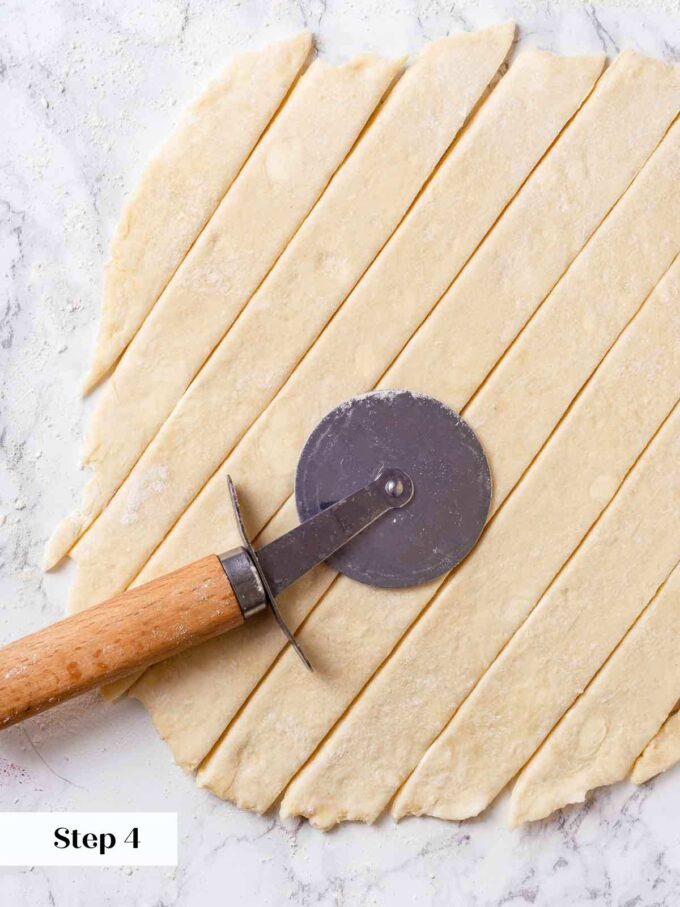
To freeze at this stage, place each dough round between 2 pieces of parchment paper and layer on a baking sheet. Wrap well in plastic wrap and freeze. This technique works best in a large standing freezer or a drawer freezer that accommodates a half sheet pan. If you do not have that much space, I recommend freezing in disks prior to rolling. You can roll the flat dough between layers of parchment like Pilsbury but it will crack when unrolling even super delicately.
Step 5: Refrigerate at least 30 minutes before lining and baking crust.
How to Pre-Bake this Homemade Pie Crust Recipe
Here is a short summary of how to parbake or fully blind bake a pie crust. If you want more details, head over to my tutorial on how to blind bake pie crust!
- Step 1: Preheat an oven to 350° F convection (with fan) or 375° F conventional (no fan). Line a pie plate with one of your chilled, rolled pie crusts. Lift and crease to fit it snugly into the corners. Rolle the edges under into a tight spiral all the way around the edge. Either crimp, pinch or use a fork to create a decorative edge.
- Step 2: If the dough got warm during the first step, chill the dough in the plate for 30 minutes. Poke a few holes in the bottom of the crust if you are docking. See my tutorial on when to dock a pie crust for more details.
- Step 3: Place a piece of parchment paper into the crust and fill with baking beans or 2 containers of pie weights. Bake in preheated oven until the edges and bottom of the crust begin to brown.
- Step 4: Remove the weights and continue baking until a light golden brown for partially baking or until a golden brown for fully blind baked.
Quick Answer: Partially bake a pie crust when you are going to continue baking the pie like pumpkin pecan pie or when you are going to bake the pie at a moderate temperature like buttermilk pie. Fully blind bake a pie crust when you are going to fill it with an cold filling like French silk pie.
Frequently Asked Questions
For those who prep ahead of time, this summary is for you! Refrigerate unbaked pie dough up to 2 days without detrimental effect. Longer storage in the refrigerator will lead to a tougher pie crust, more difficult to roll out, and a greying of the dough.
Freeze pie dough well wrapped in plastic wrap in disks or rolled out between layers of parchment paper (also wrapped in plastic) for up to 2 months. Non-commercial freezers go through a pretty frequent and drastic freeze-thaw cycle, which will cause freezer burn and drying faster than commercial freezers especially when rolled into sheets.
Store partially baked or fully blind baked pie crusts, cooled and well wrapped in plastic wrap in the freezer for un to 2 months. They will last much longer but the flavor and texture will suffer.
Vodka hydrates the flour without developing the gluten network like water does. The alcohol almost completely evaporates when baked, leaving an extra flaky crust with no residual flavor. Unlike using vinegar, which does impart a mild flavor in the baked crust.
Pie crust made with butter is flakier, more flavorful and sturdier than those made with vegetable shortening; however, pie crusts made with Crisco are incredibly tender and almost melt in your mouth. This recipe combines both butter and shortening for a flaky, tender, sturdy and flavorful pie crust! The best of both worlds.

If you enjoyed this recipe, please leave a star rating and let me know how it goes in the comments below! I love hearing from you and your comments make my day!
Easy Pie Crust
Ingredients
- 2 ½ cups all-purpose flour
- 1 teaspoon kosher salt
- 2 tablespoons granulated sugar
- 12 tablespoons unsalted butter, cold & cubed
- ½ cup vegetable shortening, cut into small bits
- ¼ cup vodka, frozen
- ¼ cup water, cold
Instructions
Prepare the pie dough
- Make sure ALL your ingredients are cold. If you are not using a kitchen scale, sift two cups of flour and re-measure 2 ½ cups into your mixing bowl.
- Add salt and sugar to the flour, distribute with a fork or pastry blender, cover and put bowl in the refrigerator until you are ready to use it. This isn’t 100% necessary, but every bit helps.
- Cut up the butter and measure the shortening and put them back in the refrigerator while you measure your vodka and place some ice cubes into a cup of water. Put that vodka back in the freezer!
- Remove your pre-mixed dry ingredients from the refrigerator and drop the butter slices into bowl, coating with the flour mixture as you go. Do the same with the shortening. Use a knife to scoop out little bits and plop them in the flour. Cut the shortening & butter into the flour mixture with your pastry blender until the dough looks like a streusel topping with no unincorporated flour. There will be some pea sized pieces that aren’t cut in, which is perfect.
- Drizzle the vodka over the surface of the dough. Then measure ¼ cup ice water into the same measuring cup used for the vodka and drizzle this evenly over the surface of the dough. Using a sturdy spatula, mash the dough to mix the liquid into the crumbles. Scoop from the bottom and press against the sides of the bowl. This should come together very easily.
- Scoop up the dough, pat into a ball, and divide the dough in two. Flatten each piece of dough into a disk, wrap tightly in plastic wrap and then refrigerate for at least an hour. This dough is sticky and moist, so I let mine chill for 3 hours but overnight is even better.
Rolling the dough for crusts:
- Turn the larger round onto a floured work-surface to roll out the bottom crust. General wisdom says a lightly floured surface should be used, but common sense dictates that, for this recipe, a generously floured surface is necessary.
- Lightly flour the top surface and the rolling pin. With a light touch and a fluid motion, roll the dough from the center up and back to the center, then from the center down toward you and back to the center. Pick up the rolling pin and repeat going from the center to each of the sides.
- Lightly cup your dough in your palms and spin ¼ turn, counter clockwise. Pulling it through more bench flour if needed. Repeat the rolling until your dough is large enough to cover your pan and drape delicately over the sides.
- If your dough begins to stick then lift the edge and throw some flour underneath. As your round gets larger, you will no longer be able to hold the edges and turn. At this point, gently slide your hands under the dough and then turn. For a regular 9” pie pan, your round should be approximately 12” in diameter.
- Repeat with the second pie of pie dough. If you are going to lattice the crust I have a nice tutorial on how to lattice a pie crust.
Notes
Nutrition
Nutrition information is automatically calculated, so should only be used as an approximation.
 Like this recipe? Rate & comment below!
Before You Go
I hope you enjoyed this professional chef created recipe. Check out our other delicious pie recipes or maybe get started on the Holidays with our Thanksgiving recipes or Christmas recipes!

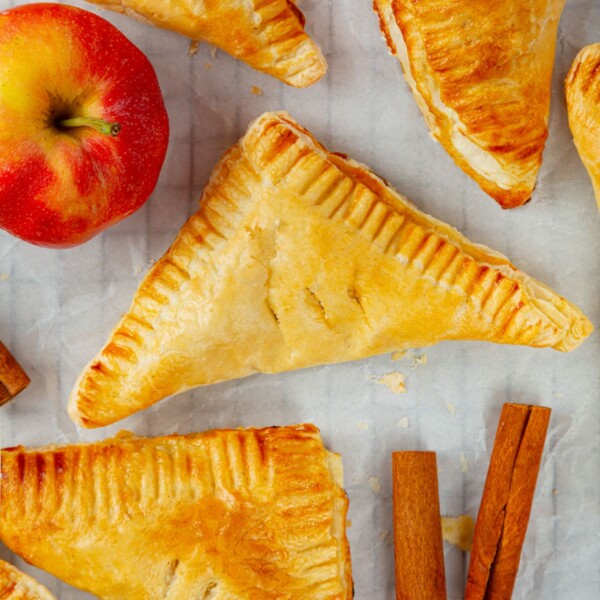



I love this pie dough! It is my absolute favorite and I think it will be my go-to pie dough forever! The vodka really makes the dough easier to work with, and when it bakes, I feel like the crust is so flaky and buttery. It just melts in your mouth.
pie crust refreshers are always appreciated! I don’t make them enough and since precision is required, I definitely want to follow a tested recipe, so thank you
Hi Sabrina! So happy we could give you a tested recipe to go off of! Happy baking! ~gvd team