This easy, step-by-step fresh pasta recipe and video will teach you how to make soft, silky, homemade pasta in 1 hour (with or without a machine). Fresh pasta is one of life’s greatest pleasures: use this versatile dough to make fettuccini, lasagna noodles, homemade ravioli, pappardelle pasta and more.
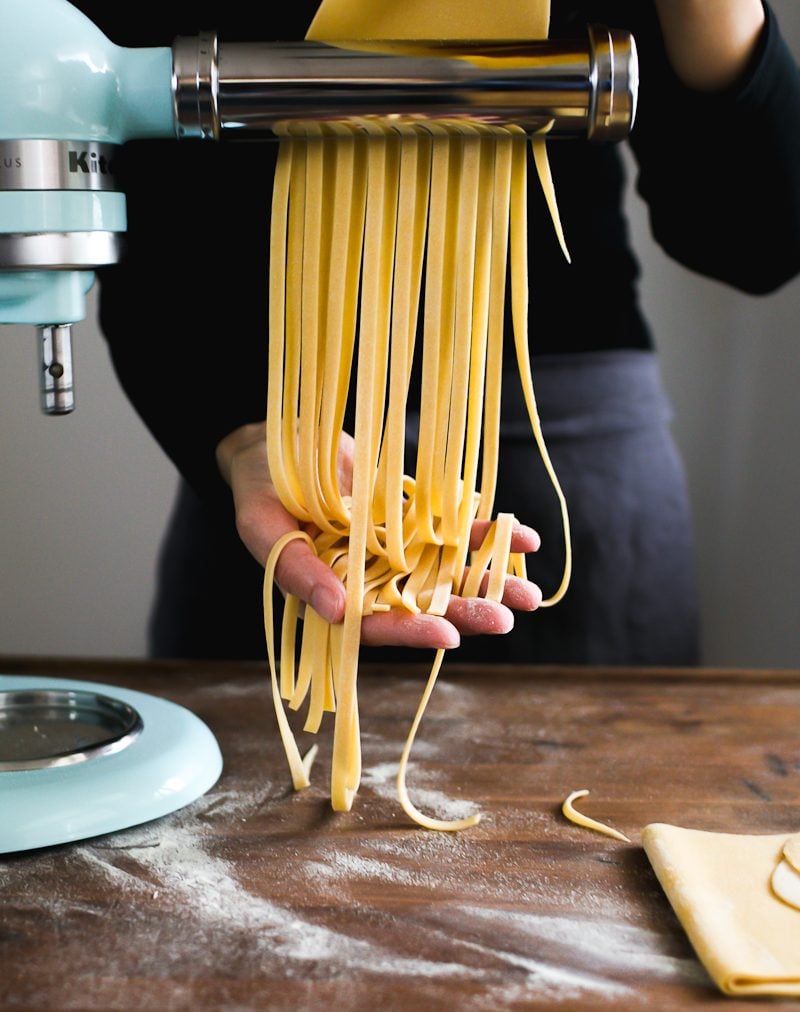
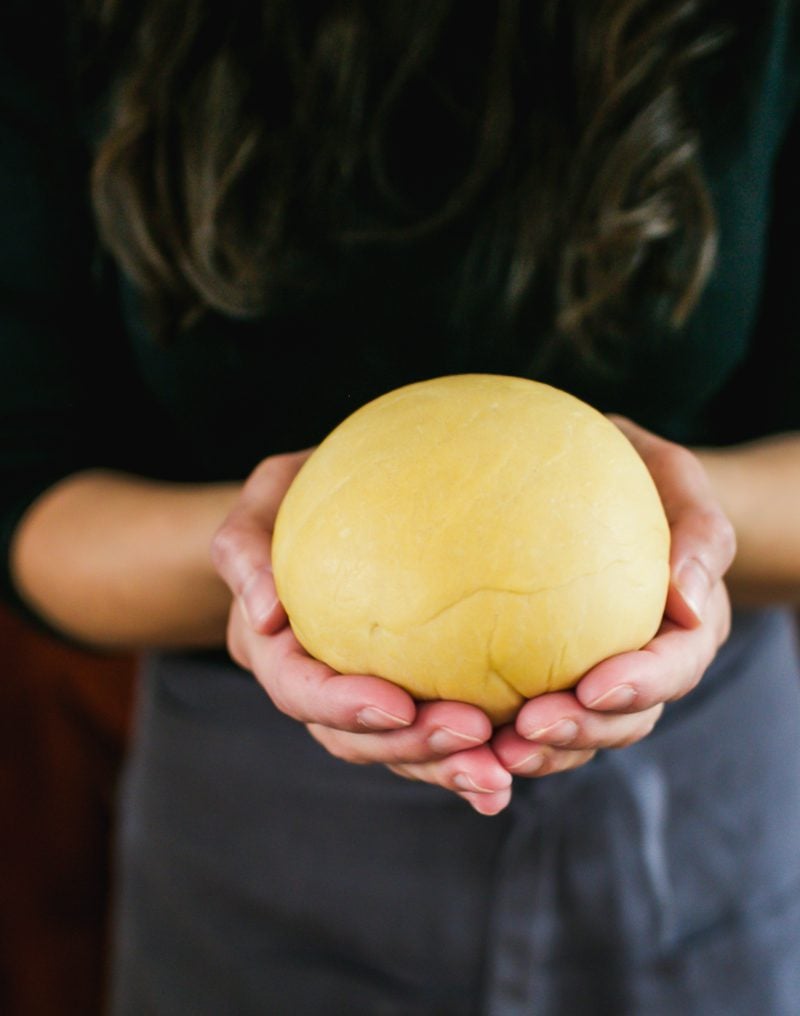
But here’s what I’ve learned after 5+ years of consistent practice: it’s all about the dough. Master the soft and supple texture (never dry or crumbly!) and the rest is easy.
In this post, I’ll teach you my exact method for perfect pasta dough, which can be used to make fettuccini, lasagna noodles, homemade ravioli, pappardelle pasta – whatever you love most. You can make it by hand, with a KitchenAid stand mixer, or in a food processor.
What Sets My Recipe Apart
A better formula for bigger batches. The classic pasta ratio “1 egg + 100 g flour per person” works fine for 1-2 servings, but not always when you scale up. My version delivers consistent results, whether you’re cooking for 2 or 6.
Higher hydration. Most pasta dough’s are 50-60% hydration. Mine is 61%, which makes it softer and easier to knead by hand. No more crumbly dough!
Homemade Pasta Ingredients
Because egg-based pasta dough contains only 2 ingredients, it’s important to understand the subtle nuances that makes a good dough even better. Below are my personal tested recommendations for flour types, brands, and egg size.
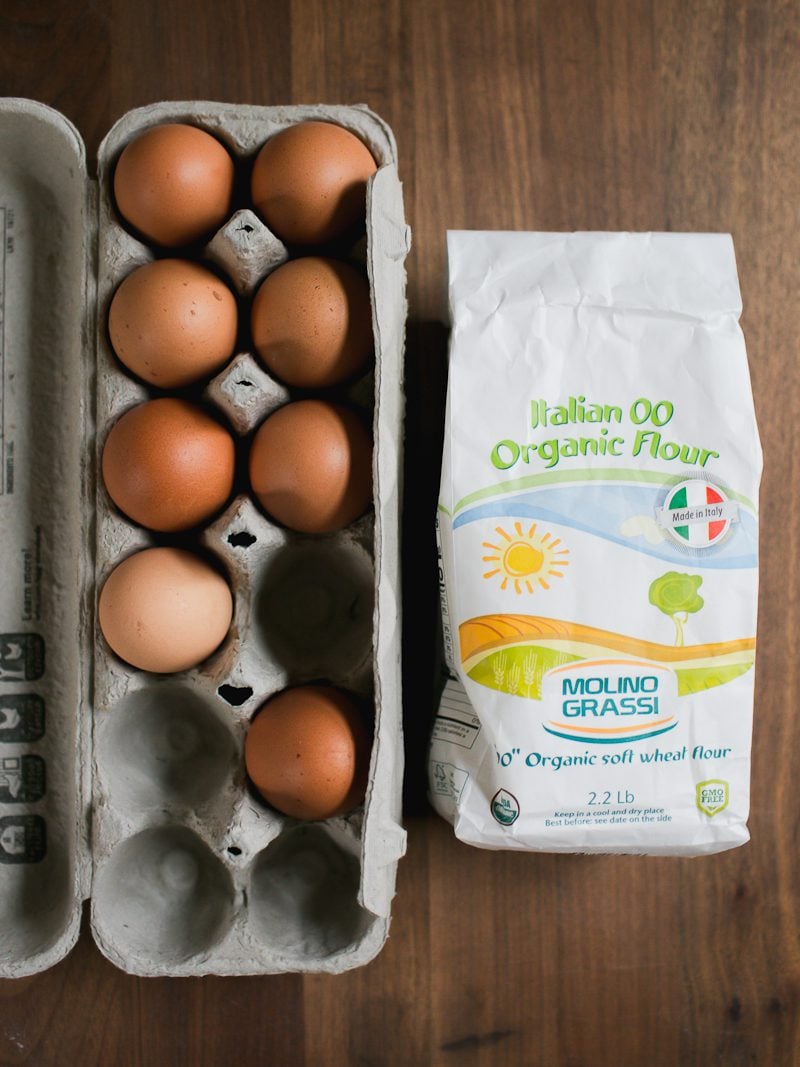
Italian Tipo 00 flour: this fine milled, soft wheat Italian flour creates light, tender pasta. The texture feels like baby powder. I like Molino Grassi or Caputo. For comparison, I tested this recipe with Bob’s Red Mill 00 flour and King Arthur’s Pasta Flour Blend and it wasn’t the same at all (too chewy). If you can’t find Italian 00 flour, substitute with King Arthur all purpose flour instead.
Large eggs + yolk: Size matters! I use large eggs (~55-58g each) to ensure the dough contains the correct amount of moisture. Too little egg = dry, crumbly dough.
My Best Homemade Pasta Tips
Make space. You’ll need a long, clutter-free surface to roll the dough. Pasta sheets can measure up to 3 ft long! The kitchen table is ideal.
Weigh your ingredients (including the eggs). This is my secret to soft, supple, never dry or crumbly pasta dough (note: if you’ve used measuring cups in the past, and the dough was dry, too much flour was packed into the cup. A digital scale will get you the most accurate results every time).
Wrap it up. Pasta dough dries out fast. I keep mine wrapped or covered with an upturned bowl.
How To Make Pasta {Step-by-Step Recipe}
Step 1: Make Pasta Dough
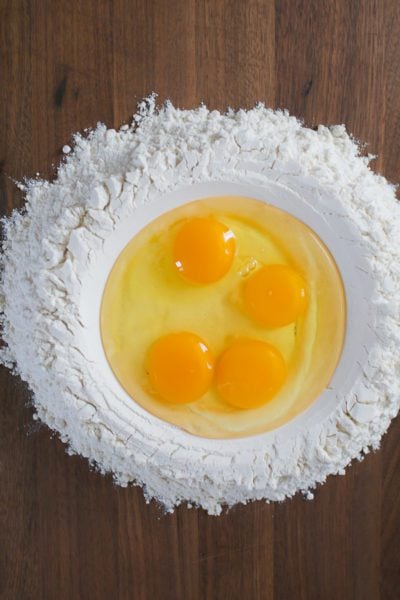
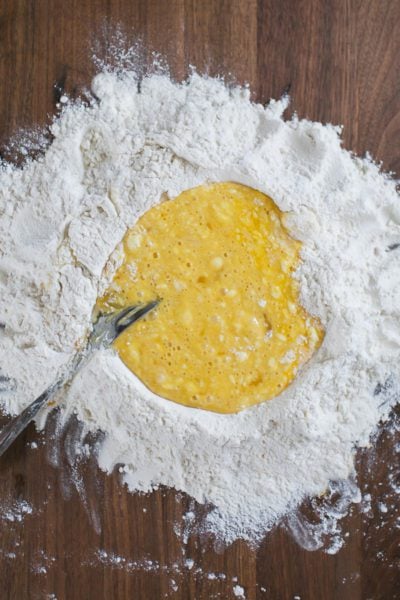
To Start: Mound 300g flour onto your work surface (or dump it into a large bowl for easier clean up). Make a well in the center, add 185g cracked eggs, and beat with a fork to mix in the flour. Then finish by hand to form a rough dough. Be patient! It’s a dry dough. If bits of flour remain, I’ve found that adding a few drops of water or olive oil helps it along.
Cover and rest for 10 minutes. This step is often skipped in most recipes, but it’s essential. Coming from my bread baker’s perspective: the dough needs time to hydrate (soften). It will be much easier to knead by hand.
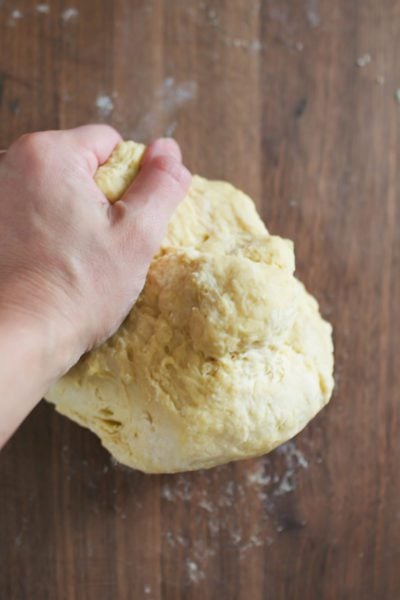
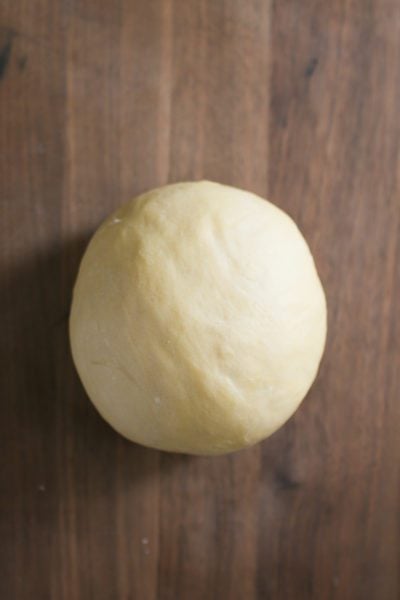
Now, knead the dough for 5-7 minutes using the heel of your hand. It will start out stiff and dense, but soften as you go. The goal is a smooth and pliable dough that springs back when poked.
Step 2: Roll Fresh Pasta Sheets
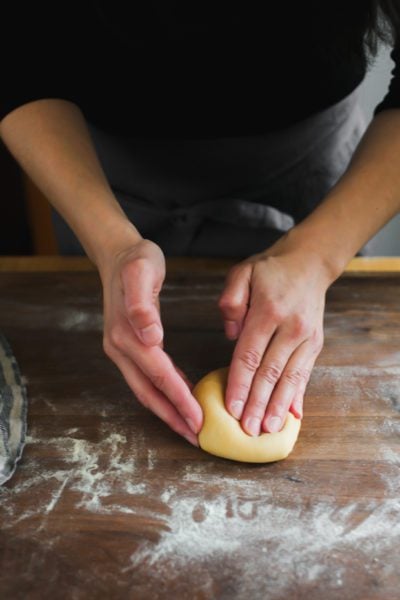
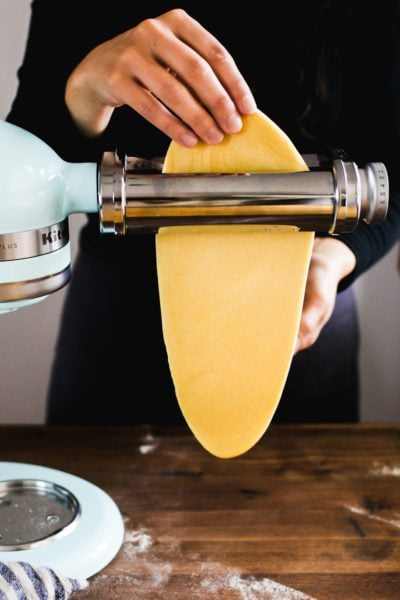
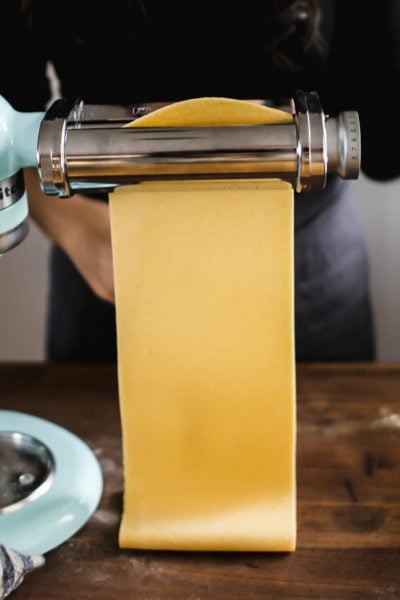
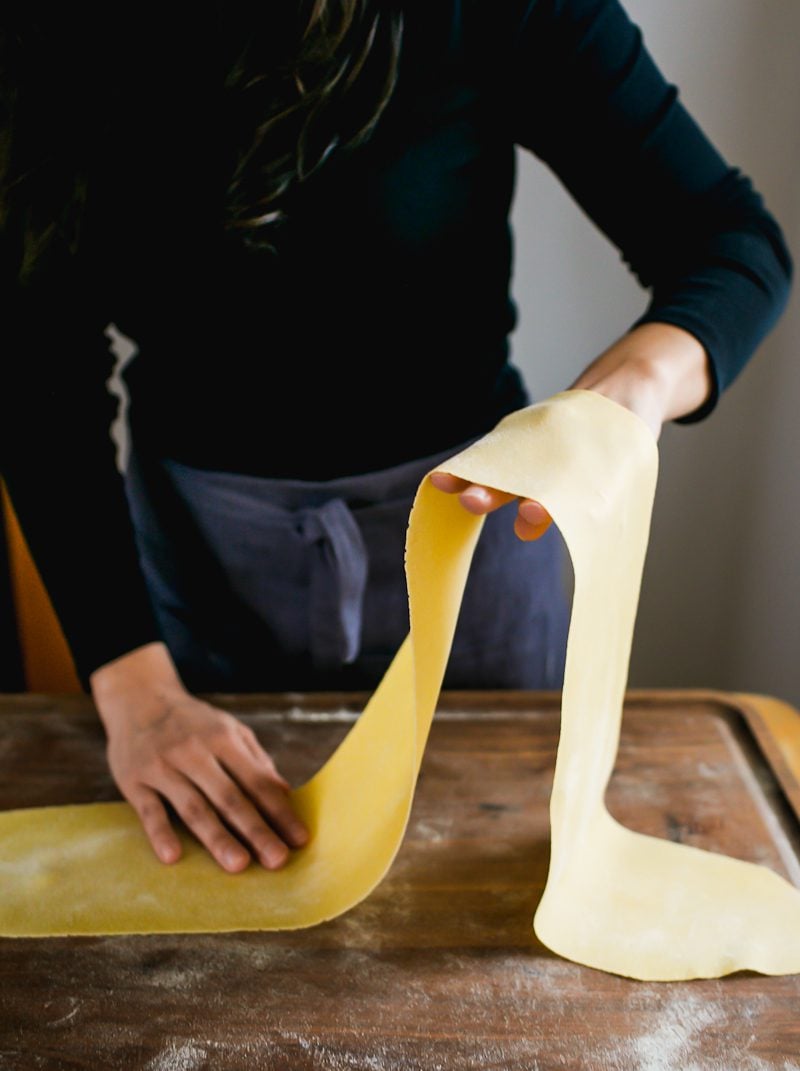
The next step is to cut the dough into 4 equal pieces. Flatten one piece into an oval disc and send it through the roller on the widest setting (#1 on the Kitchen Aid attachment). I like to send it through again for a smoother finish.
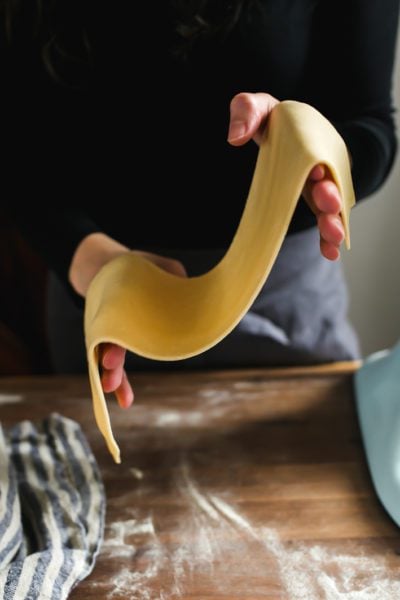
Then, continue rolling it through settings #2-4 (2x on each setting) for fettuccine, pappardelle and tagliatelle. Go up to #5 if you’re making homemade ravioli. The pasta sheet is ready when it’s slightly translucent and your can see your hand underneath.
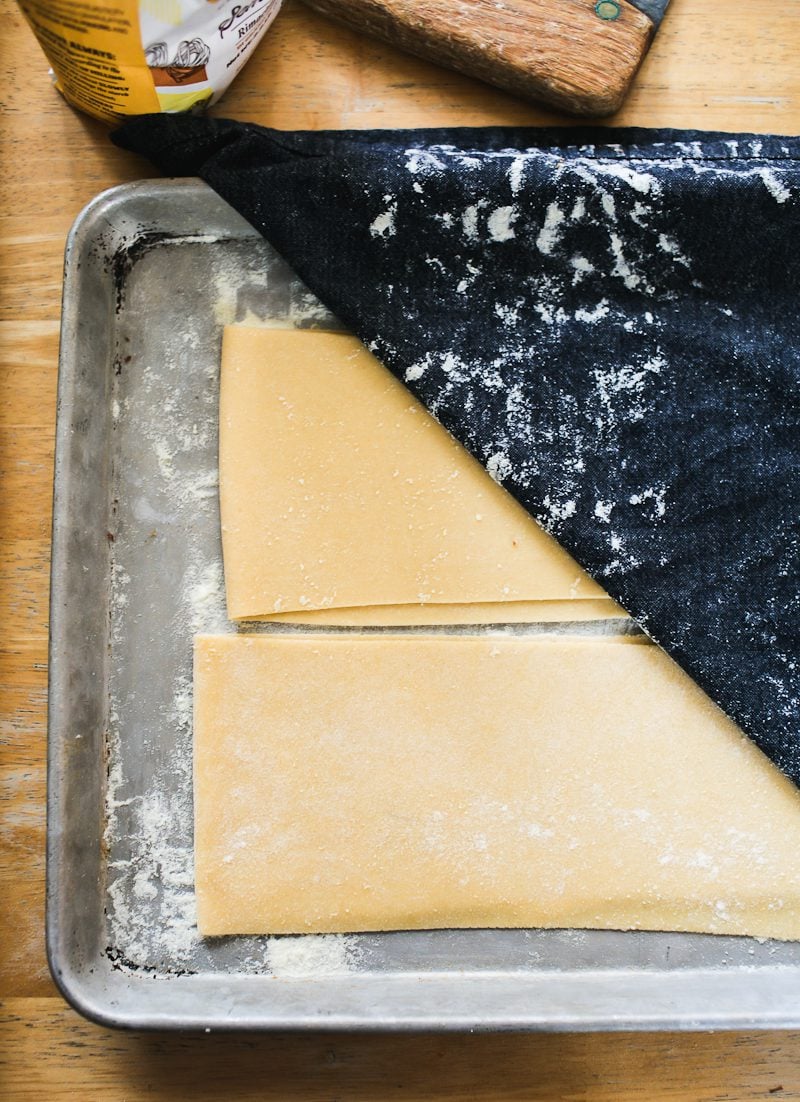
When you’re done, fold the pasta sheet in half and lay it on a semolina dusted sheet pan to prevent sticking.
Tip: Why Semolina Flour? It absorbs less moisture than regular flour and helps to prevent sticking. Rice flour works too. My surface is always covered in a blanket of semolina flour while I work!
Step 3: Cut Sheets Into Pasta
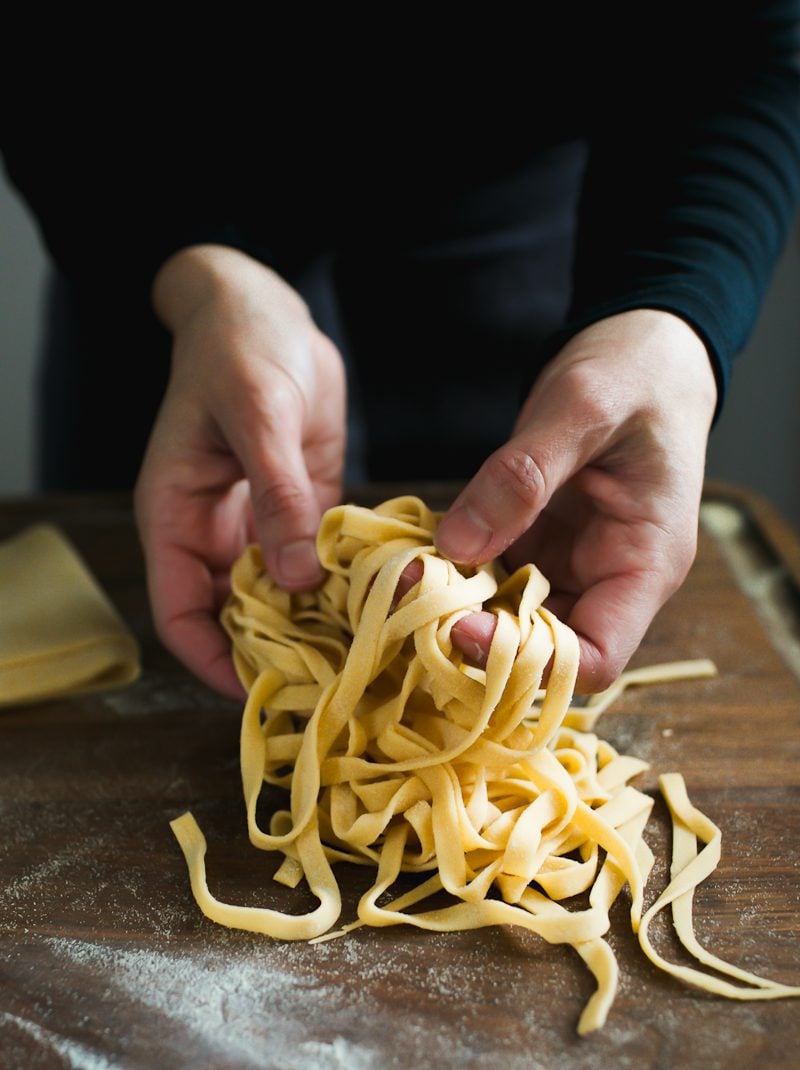
Before cutting, I like to semi-dry the pasta sheets first but hanging them over a chair, rod, or on a hanger (~5-15 minutes). I’ve found that this simple step makes the dough easier to cut; they’re less soft and doughy, and it helps to prevent the pasta strands from sticking later on. They have a unique leathery feel to them!
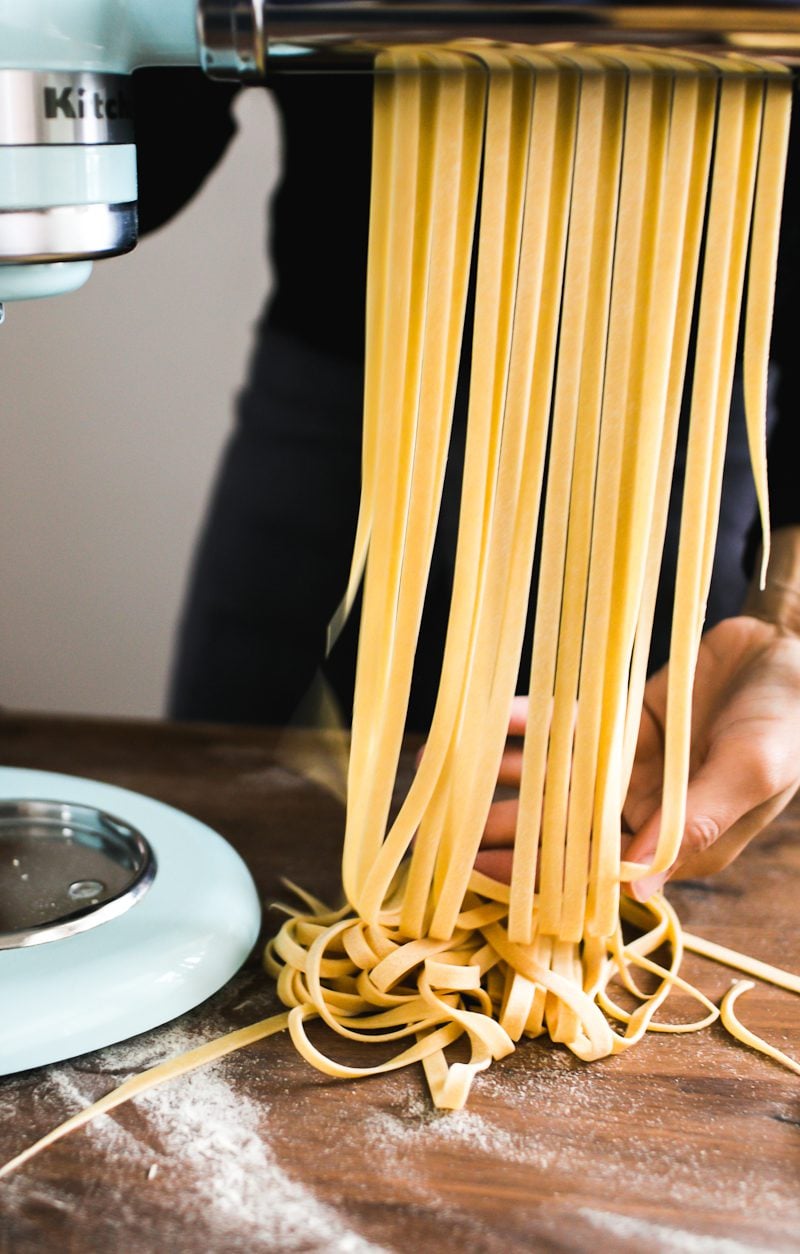
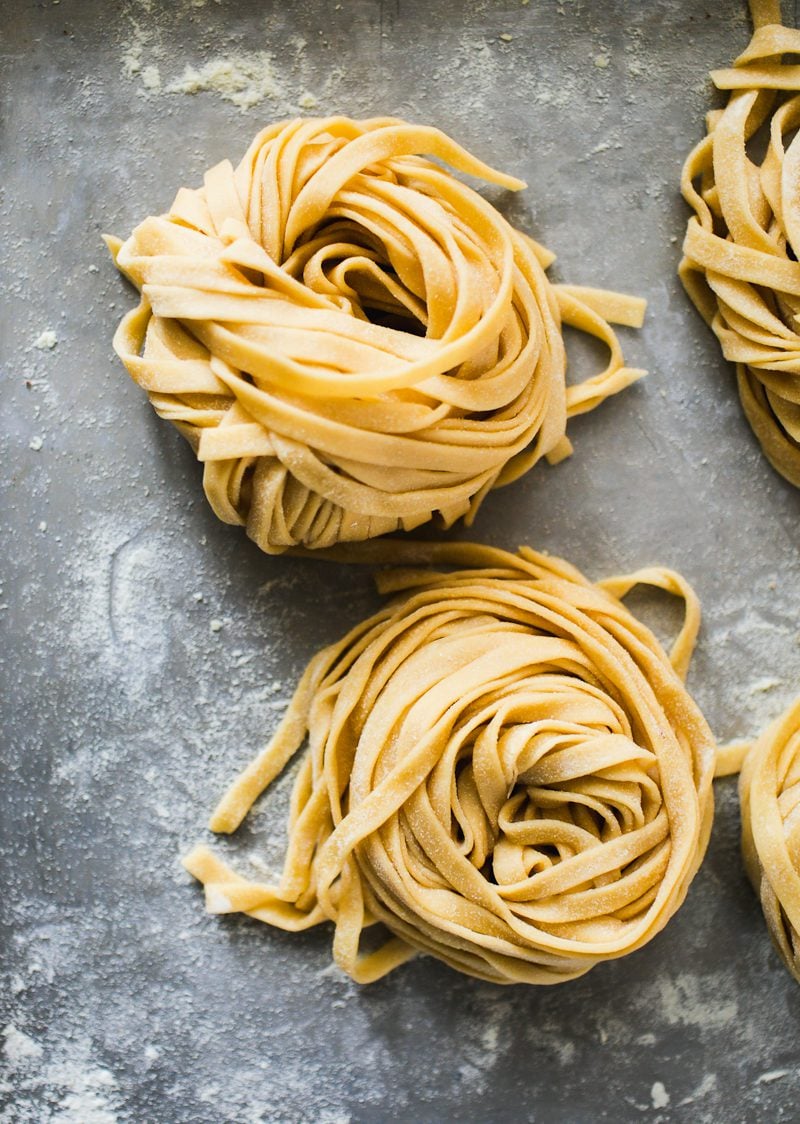
Once that’s done, cut a pasta sheet in half and send it through your desired cutter attachment. Dust the strands well with semolina, then form into nests or lay flat (I prefer the latter option for smoother, less wrinkly pasta).
Step 4: How To Cook Fresh Pasta
If you’re cooking right away, simply add your pasta to a large pot of boiling, salted water. Cook for ~2-5 minutes depending on thickness and shape. I always recommend tasting a pasta strand first to check for doneness (do so at the 2 minute mark and adjust from there).
Then, don’t drain it! Transfer your pasta directly into your sauce with tongs. Some of my favorite pasta sauce recipes include my Ragù Bolognese Sauce, Authentic Pomodoro Sauce (Fresh or Canned) and this vibrant Classic Italian Basil Pesto (Pesto alla Genovese).
How To Store & Freeze Homemade Pasta
On a personal note, I never make homemade pasta right before serving. I’ll do it earlier in the day or freeze some to get ahead.
To store (room temperature or chilled): Keep well-floured pasta on a tray, covered with plastic wrap or in an airtight container. Leave at room temperature if cooking within 1-2 hrs, or refrigerate fro up to 12 hrs. I recommend cooking homemade pasta on the same day it’s made to avoid discoloration or sticking if chilled past 24 hrs.
To freeze: Let pasta air-dry (uncovered) for 15-20 minutes to prevent sticking. Then portion into zip-top bags or containers and freeze for up to one month. In my experience, if left in the freezer for too long, the pasta will become dry and brittle. Cook straight from frozen, no need to defrost first.
What’s Next?
Once you’ve mastered this recipe, I’ve written how-to guides for homemade lasagna noodles, ravioli, and a signature, original sourdough pasta that can be made on the same day or fermented overnight.
By signing up, you agree to receive emails from The Clever Carrot. Unsubscribe at any time.

Beginner’s Guide To Fresh Homemade Pasta
- Prep Time: 1 hour
- Total Time: 1 hour
- Yield: Serves 4
- Category: Homemade Pasta
- Method: Handmade
- Cuisine: Italian
- Diet: Vegetarian
Description
This easy, step-by-step fresh pasta recipe will teach you how to make soft, silky homemade pasta made from flour and eggs, in just 1 hour (with or without a machine). It’s an all purpose pasta dough: use it to make homemade fettuccine, pappardelle, homemade ravioli and more.
For timing, the process is broken up into 3 parts: making the dough, rolling the dough into pasta sheets, and cutting the pasta into noodles. Tips shared below for using a Kitchen Aid Stand Mixer, food processor and doing it by hand.
Ingredients
- 300 g Italian Tipo 00 Flour (I recommend Molino Grassi or Caputo)
- 3 large eggs (see note below)
- 1 large egg yolk
- Semolina flour, for dusting (rice flour can be used)
*Note: the total combined weight for the eggs & yolk (cracked) should be 185 g. Because eggs size will vary, make up the difference, if needed, with an extra egg yolk or olive oil. Olive oil makes the dough more soft, supple and satisfying to work with.
Pasta Equipment (choose one)
- Kitchen Aid Stand Mixer (w/ pasta attachments)
- Pasta Machine
Tips:
- Make space. You’ll need a long, clutter-free work surface to handle the dough. The kitchen table or kitchen island is perfect.
- Weigh your ingredients (including the eggs). This will ensure the correct texture of the dough. If your eggs are too small, the dough will be dry and crumbly.
- Wrap it up. Pasta dough can dry out quickly. Keep it covered with wrap or a kitchen towel.
Instructions
Step #1: Make The Dough
The Traditional Way (by hand):
- Add the flour to a large bowl. Make a well in the center; add the eggs and yolk.
- Whisk together with a fork, and then combine with the flour. When the texture becomes stiff, finish by hand to form a rough dough. If dry bits of flour remain after a few minutes of mixing (be patient, it’s a dry dough) add a few drops of water or olive oil to bring the dough together.
- Form the dough into a ball, cover with an upturned bowl or with plastic wrap, and let rest at room temperature for 10-15 minutes- it will be easier to knead.
- Knead the dough for 5-7 minutes. Do this by folding the dough over itself, pushing it forward with the heel of your hand, turning slightly as you go. I literally rock the dough back and forth (watch the video). The texture will be very stiff at first- it’s not bread dough. But rest assured, by the 2 minute mark it will start to soften. Keep kneading until the dough is soft, malleable and has a talcum-like finish. It should “bounce back” slowly when poked.
- Form the dough into a ball, cover tightly with plastic wrap, and rest at room temperature for 30 minutes.
Stand Mixer Instructions:
Fit the machine with the dough hook. Add the flour and eggs to the bowl. Mix until combined. Knead on speed #1 or #2, about 4-5 minutes. Form the dough into a ball, cover tightly with plastic wrap, and rest at room temperature for 30 minutes.
Food Processor Instructions:
Add the flour and eggs to the bowl. Pulse several times until the dough comes together. Remove the dough to your work surface and let rest for 1 minute. If the dough is a bit sticky after resting, add a sprinkle of flour. Knead by hand for 1-2 minutes (the food processor does most of the kneading for you). Form the dough into a ball, cover tightly with plastic wrap, and rest at room temperature for 30 minutes.
Step #2: Roll The Dough Into Pasta Sheets
Set up your station: Dust your work surface with semolina flour. Dust a sheet pan with semolina flour (your pasta sheets will land here). Fit the stand mixer with the roller attachment. Grab a kitchen towel. You’re ready to roll.
- On your work surface, cut the pasta dough into 4 pieces. Working with one piece at a time, flatten the dough into a 6-8inch oval patty. Keep the remaining doughs covered in wrap otherwise they will dry out.
- Set the pasta roller to #1 which is the lowest/widest setting on the Kitchen Aid. With the machine running, send the dough through the roller. Now, send it through again (so, 2x total). Note: if you are using a hand crank pasta machine, refer to the manufacture’s specific instructions for rolling the dough- the settings might differ but the process is the same.
- Continue to roll the dough through settings #2-4, (2x) on each setting. Do not pull on the sheet as it comes through the roller; just guide it along gently. If at any point the dough becomes sticky, dust with semolina flour. I keep my work surface dusted with semolina at all times. This way I can coat both sides of my pasta sheet easily and quickly while I work.
- Your pasta sheet is ready when it’s beautifully thin and somewhat translucent (you should be able to see your hand underneath). Don’t worry if the ends are not perfectly straight; you can always trim them with a knife.
- To finish, dust the pasta sheet generously with semolina, fold it in half, and place onto your floured sheet pan. Cover with a kitchen towel. Repeat the rolling process for the remaining 3 doughs.
Step #3: Cut The Pasta
- Before cutting, I like to dry my pasta sheets ever so slightly. This firms up the final texture giving the strands a more “leathery” finish, rather than a soft and doughy feel (this will prevent the pasta from sticking together later on).
- To Dry: Hang the pasta sheets over the back of a chair for about 10-15 minutes or so. Keep your eye on the time; you don’t want the sheets to dry out completely. You will be able to feel the difference.
- To Cut: take a pasta sheet and cut it in half. Trim the ends, if you like. Run the sheet through your desired pasta cutter attachment to create strands. Alternatively, cut the dough by hand.
To Store: Heavily dust the pasta strands with flour. Coil around your hand or arrange loosely on a tray. Cover with plastic wrap and hold at room temperature if cooking within 1-2 hours. Alternatively, store in the fridge for up to 12 hrs. checking occasionally, to make sure the strands are not sticking. Note: Pasta left in the fridge past 24 hrs might oxidize, discolor and/or stick together.
To Freeze: Allow the pasta to air-dry, uncovered, for 15-20 minutes before freezing. The helps to prevent sticking. Portion into ziptop bags, remove the air, and freeze, up to 1 month. Cook directly from frozen, no need to defrost first.

Comments
Vicki says
Had never even considered making homemade pasta until I saw your recipe and detailed instructions when first published. So I put homemade pasta making on my “to-do” list.
Yesterday, when I had some uninterrupted time, I got to the task. Being unsure of this whole pasta making thing, I did not invest in a pasta machine so in rolled and cut my pasta by hand. What an experience!
With your detailed instructions and recipe, I was able to accomplish my first pasta making without difficulty. Homemade pasta is definitely FAR better than store bought. I am a convert and see myself making pasta time and time again.
Thank for for helping add a new skill to my repertoire.
Emilie Raffa says
Hi Vicki! Wow… you rolled the dough out it by hand?! You are my hero. That’s incredible. I feel like if you give the dough enough time to rest and relax after the initial mix, rolling is not super difficult. You just need some space to spread out! I’m so glad you had success with the recipe. Thanks for your feedback :)
Annier says
I honestly cannot believe how easy to make and delicious this recipe is. I followed the direction exactly. Weighed the eggs and flour and used my kitchenaid mixer and pasta accessories. The techniques are also important in the ease of clean up. Usually (and rarely) when i made pasta it was a mess everywhere but watching how it’s done really made a difference so i will make homemade pasta regularly from now on. The fettucine blew us away.
Emilie Raffa says
Annier, thank you so much! I’m thrilled you had success with this recipe. I have to say, I completely agree with you: technique and ease of clean up is key. The first few times making pasta I was like a tornado in the kitchen (it was beyond trashed- flour everywhere!). Once I understood the set up, it was a breeze after that. In fact, after a few practice sessions you’ll be able to make homemade pasta, from start to finish, in under 1 hour! Stay tuned for more recipes and techniques :)
Matt says
This is a great how-to on fresh homemade pasta! I appreciate the detail you go into, as I prefer thorough step-by-step instructions when I’m learning something new or a new technique. Great tutorial for beginners or novice cooks.
Katy Hanlon says
I had no idea making pasta at home could be so enjoyable, easy and delicious! Thank you for such a detailed and easy to follow tutorial, my family can’t wait to for me get back in the kitchen to make more!
Sis says
I have your book and love it, and I know I’ll love making this pasta as well. I have a question about the eggs – when you recommend weighing them, is that weighing in the shell or already cracked?
Making this TONIGHT. Yum!
Emilie Raffa says
Hi Sis! Thank you so much! For the eggs, I go by cracked weight. On that note: if you scroll down to the bottom of the post, where the actual recipe is, you’ll notice that I call for a total of 185g cracked weight (eggs + yolk). You can make up the difference, if needed, with an additional yolk or olive oil. Enjoy! You’re going to love it!
Happie says
Absolutely delightful!!
Thank you for sharing with us and yet again inspiring me and my family to embark on another journey with you!
This is so great… to think it would that easy…. or that you make it look that easy!
Cannot wait to try this, what a great way to cook together. Looking forward to some more yummy inspirations.
(Review provided by a support team member for theclevercarrot.com)
Emilie Raffa says
Thank you! You are going to love making fresh pasta at home. It’s incredibly fun to do, way easier than you think, and it tastes incredible. You won’t believe it came out of your very own kitchen!
Elizabeth Shue says
What a treat to get this in my inbox today. I failed at making pasta years ago and I even have the kitchen aid pasta attachment. Sadly it’s been collecting dust! Bravo for this beginner guide. It’s got me inspired!! My husband watched the video with me and is not going to let me pass this tutorial by. I will come back a report my next try.
Emilie Raffa says
That’s wonderful to hear! I hope you pick up some helpful tips and tricks from the video. I’ve found that the secret to really great pasta, besides a successfully kneaded dough, is making sure your work station is set up properly. All the clutter can be really distracting- you need space. Once you find your rhythm the process will feel seamless.