Showing posts with label Herbal Medicine. Show all posts

Wednesday, April 11, 2012

Herbal Medicine Part 7: Udderly Healing Emergency

An herbalist friend told the following story...

John and Sue Ellen were friends of Robin's. They raised goats. John had spent years breeding goats trying to breed what he considered the perfect goat — a good mother, a good milker, gentle, healthy... Annabelle was that goat... John loved Annabelle, his perfect mixture of all things goat.

John was a quiet, gentle man... unexcitable, calm, stolid, dependable. Robin says that if John looks at a situation and quietly, almost under his breath, says, "Oh, my" then it's an emergency. John doesn't get upset easily.

Robin was visiting John and Sue Ellen one day... she and Sue Ellen were sitting in the living room drinking tea and catching up on gossip. John went outside to milk the goats. Within a few minutes, surely not long enough to get the milking done, John was back inside, standing quietly in the kitchen doorway, his face ashen... Robin and Sue Ellen imagined the worst... "What's wrong?"

"I need help." John replied.

Robin and Sue Ellen hurriedly followed John to the barn. "It's Annabelle," he said quietly, wringing his hands.

Annabelle had somehow got her udder caught on something and had torn it, badly... there was a long nasty gash down her udder and partly down one teat... so deep that there was milk and blood pouring out of the wound. John looked at Robin desperately, his eyes pleading with her to do something for his beloved Annabelle... she was the herbalist, wasn't she?

Robin rushed from the barn and began searching the ground around the house and barnyard... it was winter, not much was growing... still she searched... for something to help her dear friend's dear goat, Annabelle.

Robin found plantain growing near the barn...
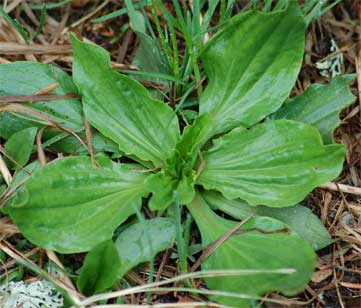
Broad-Leaf Plantain

She knew where Sue Ellen grew comfrey, but it was winter... she was on her hands and knees, quickly brushing away dead leaves and twigs until she found a few green comfrey leaves...

Comfrey plant

She crammed the leaves of both herbs into her mouth and began to chew as she ran back to the barn, and Annabelle.

Plantain is a blood purifier, it cools and soothes as it heals. Mixed with saliva and used as a poultice, it effectively aids in stopping bleeding. Comfrey heals...  and heals quickly.

John was standing in the barn with his beloved Annabelle, still looking helpless. He stepped aside as Robin rushed into the barn, removing the makeshift poultice from her mouth as she ran... She applied the herbal mixture to the wound on Annabelle's udder and held it there... John stood to the side, looking worried, and wringing his hands... Robin decided he needed something to do, so she gave him the occupation of holding the poultice on Annabelle's wound... She gave him directions to keep it on for at least a half hour...

Meanwhile she gathered more of both herbs and mixed up less hurried poultices to leave for John and Sue Ellen to apply to Annabelle a few times a day for the next several days. She gave directions for cleansing the wound and the application of the herbal poultices before leaving for home that evening.

Within three weeks, Annabelle's wound was completely healed... there is now, if you look VERY carefully, a three-inch long hairline scar where the gaping wound once was... and John still has his prized, perfect goat, Annabelle.


Friday, March 9, 2012

Herbal Medicine Part 6: The "Spaghetti" Herbs

Herbalist Robin McGee recommends growing what she dubs "The Spaghetti Herbs" as much as possible... for culinary as well as medicinal purposes... These herbs... sage, basil, oregano, rosemary, and thyme have so many medicinal uses...

Sage
Garden sage (salvia officinalis) is a valuable antibacterial, antifungal, and antiviral agent. Taken internally, sage will fight infection and will also diminish secretions of all kinds, including perspiration and saliva.

The herb is said to stimulate memory.

Sage tea makes an antibacterial mouthwash and astringent gargle for sore throat.

It is useful for drying up milk production during weaning (therefore should NOT be used by nursing mothers as it will dry up milk).

The leaves of the sage plant are used, harvested from the plant just prior to flowering, stripped from the stem and used fresh or dried.

Basil

Basil is as a natural anti-inflammatory. It is similar to compounds found in oregano and medical marijuana, and may be used as a substitute for the latter because it offers the same relief without the “high.” It is believed to help combat bowel inflammation and rheumatoid arthritis.

Basil contains cinnamanic acid, which has been found to enhance circulation, stabilize blood sugar, and improve breathing in those with respiratory disorders.

Basil is very high in antioxidants, especially when it is used as an extract or oil. These antioxidants can protect your body against free radical damage associated with aging and skin ailments. 

Basil has antibacterial properties and the fresh leaves can be used to disinfect surfaces. Leaves, applied to wounds, may eliminate infections. Basil leaves can be made into a tea used for quenching fevers.

Basil is used as an ingredient in cough syrups and expectorants as it relieves mucus in asthma and bronchitis. Chewing on basil leaves can relieve colds and flu symptoms.

Pediatric complaints like colds, coughs, fever, diarrhea, and vomiting have been know to respond to treatment with the juice of basil leaves. 

Chewing a few leaves twice daily can cure infections and ulcerations of the mouth.

Dry basil leaves in the sun and grind into powder for a tooth cleansing powder. 

Oregano
Oregano, used medicinally, has broad activity as an antioxidant (cell-protector), antiseptic, preservative, and antifungal.

A tea or tincture of oregano may be taken for viral or bacterially mediated colds and upper respiratory infections.

The essential oils exert an antiseptic influence on lungs, bronchi, and nasal passages.

The leaves, flowers, and bracts of oregano are used without the stems... harvested in flowering stage and used fresh or dried.

Rosemary
The practical uses for rosemary are legion!

Rosemary is a classic digestive, nerve, and circulatory tonic. It is a good treatment for low energy, low blood pressure, and poor circulation. The herb improves memory and lifts the spirits. The tincture, tea, or even the fresh plant may be rubbed freely into areas of poor circulation.

To discourage lice infestation, the essential oil or a strong tincture can be used for dressing the hair and hairbrush. 

Rosemary, used in a steam, will break up congestion and relieve a sinus infection.

Rosemary limits the incidence of cellular damage resulting from eating saturated fats cooked at high temperatures.

Thyme
Thyme is a good astringent and an active antiseptic, most useful for treating upper respiratory infection, either viral or bacterial. The herb allays cough and bronchitis... make thyme tea especially for a wet  cough.

Thyme leaves may be used as a disinfectant.

The leaves are harvested just prior to flowering, removed from the stems and used fresh or dried.

*Information gleaned from Herbal Medicine Workshop taught by Herbalist Robin McGee, and from the book "Making Plant Medicine" by Richo Cech.

Saturday, March 3, 2012

Herbal Medicine Part 5: Comforting Comfrey

Comfrey in bloom

The herbalist/instructor at the herbal medicine workshop I attended told this story about one of her comfrey experiences...

Early in Robin McGee's herbalist life, her daughter injured her collar bone... off to the doctor they went, x-rays were taken, and sure enough, the collar bone was broken... after returning home, Robin decided to treat her daughter's broken bone with comfrey salve as it is said to heal broken bones... AND she wanted to prove to the doctor that it worked... so for three weeks she applied comfrey salve topically to the area 2-3 times a day. When it was time for her daughter's 3-week check of the afflicted area, back to the doctor they went, where she requested another x-ray of the area. The doctor told her there was no need for another x-ray... there wouldn't be enough healing so soon to warrant another x-ray... Robin was determined, she needed to prove to the doctor, but mostly to herself, that her methods were making a difference (remember this was early in her career as an herbalist)... She told the doctor, "Hey, dude, you're working for me... take the x-ray!" He did...

The results? The doctor, after reading the x-ray, said, "The first x-ray must have been incorrect, I see no broken bone here." Hmmm... Victory! The comfrey had worked... Robin does say that looking back, she might have used mullein along with the comfrey due to the fact that comfrey alone heals so quickly that sometimes it "over-heals" leaving calcium deposits... but she had proven to the doctor, and to herself, that she was right.


Comfrey plant
Comfrey speeds the healing of cuts, ulcerations, bruises, broken bones, pulled muscles and ligaments, and sprains.

The root and/or leaf of the the plant can be harvested any time during its growth cycle, but preferably not when in full flower... it can be used fresh or dried. After flowering, the plants are cut back, mulched with their own stems, leaves, and flowers, and allowed to grow back through the green mulch.

An infused oil may be made using dried comfrey leaves or roots to make a healing salve. Cover the dried comfrey with a good oil (I use olive), set it in a sunny window for 3-6 weeks, then strain out and use as is or add beeswax to make a salve.

The best comfrey for use in medicine is symphytum officinale... Russian comfrey (symphytum asperum) and other hybridized types are much higher in echimidine (a liver toxic PA) and should be avoided.

Contraindications: Comfrey should not be used during pregnancy or while nursing. Comfrey tincture should not be taken internally for more than 3 weeks at a time as a tonic. Comfrey should not be used externally on new puncture wounds or deep cuts, due to the likelihood that the outer skin layers will be stimulated to close up and heal prior to the draining and regeneration of deeper tissues. Instead, first use Epsom salt soaks containing calendula or chamomile tincture. Once the swelling and pain have subsided and the wound is clean and healing normally, comfrey may be safely and effectively applied to speed the process.*

*From the book Making Plant Medicine by Richo Cech
Gaia Herbs Comfrey Compound
Not long after I attended the herbal medicine workshop, I got to try out what I learned... On Mr. Granny! He was chasing an escape parakeet through the house before the dog got her, and kicked the pedestal on the dining room table... after a few French words, and getting the bird safely back in her cage, we checked out the injury... his pinky toe was black and swollen, three other toes were purple, half his foot was blue and swelling quickly... knowing that there isn't much a doctor will/can do for a broken toe, we made a trip to the local health food market in town, our wonderful little Rosewood Market, and bought a jar of Gaia Herbs Comfrey Compound (contains comfrey root, marshmallow root, mullein herb, skullcap herb, black walnut hulls, white oak bark, gravel root, lobelia, St. John's wort flower bud oil, olive oil and beeswax) and some bulk dried comfrey root and leaves (to mix up my own later)

We began treatment... by soaking in Epsom salts, followed by an application of the Comfrey Compound twice a day... the swelling was gone after two days, the bruising lessening every day until it disappeared by day 3... the pain was gone within a week. I felt victorious!!!!


Friday, February 24, 2012

Herbal Medicine Part 4: Kitchen Herbs and Remedies


Potatoes are eaten several times a week at my house... there always there, they're tasty, comforting, and a great background for many meals... but there's more to the potato than meets the eye! (pun intended!)

A little study, reading, and an herbal medicine workshop has opened a whole new world of the wonders of the lowly potato...

The components of potatoes consist of a high complex of carbohydrates, fiber, and proteins. Included also are vitamin A, B-complex, and C; copper, iron, magnesium, manganese, niacin, and potassium. The skin is high in nutrients, and if possible the skin should be eaten or if not, peel as close to skin surface as possible to maintain the nutrients that cling closer to the skins.
The potato is a member of the nightshade family, and does contain very small quantities of atropine. This substance is deadly in large amounts, but in small doses it has antispasmodic effects, making potatoes useful for easing gastrointestinal pain and cramping. Potatoes can also be used externally for muscle pains and skin problems.

Raw potato can be grated up and applied to the eyes to relieve the itching and pain of pink-eye (conjunctivitis)... just apply 3-4 times daily for 20-30 minutes and all that gumminess (you know when your eyelids stick together and you can't open your eyes!) will be alleviated.

Have you ever had a splinter or a thorn that was in too deep to get out with tweezers or a needle? Put a thin slice of raw potato on it... cover it with a bandage and leave for several hours... the splinter will be drawn closer to the skin's surface and easier to remove.


Cayenne pepper, according to herbalists, is used for strengthening the heart muscle and for increasing circulation. Used during meals, cayenne stimulates gastric secretions and assists in digestion. The herb is commonly used for treating cold extremities and the common cold. 

Cayenne is used externally as a rubefacient, for improving circulation... a tincture of cayenne is diluted with 2 parts grain alcohol or rubbing alcohol and massaged into the skin (test on a small area of the skin first, some folks have a low tolerance to cayenne).

And, according to the herbalist instructor at the workshop I attended... in a kitchen emergency, cayenne will stop bleeding... but it burns while it works.


Another kitchen spice that is said to stop bleeding is cinnamon (possibly a better, less painful choice than cayenne!) But cinnamon has so many wonderful uses for our health...

• Studies have shown that just a half teaspoon of cinnamon per day can lower LDL cholesterol.
• Several studies suggest that cinnamon may have a regulatory effect on blood sugar, making it especially beneficial for people with Type 2 diabetes.
• In some studies, cinnamon has shown an amazing ability to stop medication-resistant yeast infections.
• In yet another study, cinnamon is said to reduce the proliferation of leukemia and lymphoma cancer cells.
• It has an anti-clotting effect on the blood (how it stops bleeding from a cut, I have no idea, but I am assured this is true by a respected and knowledgeable herbalist).
• Studies have shown that half a teaspoon of cinnamon powder combined with one tablespoon of honey every morning before breakfast can provide relief in arthritis pain.
• When added to food, it inhibits bacterial growth and food spoilage, making it a natural food preservative.
• One study found that smelling cinnamon boosts cognitive function and memory.
• Researchers found that cinnamon fights the E. coli bacteria in unpasteurized juices.
• It is a great source of manganese, fiber, iron, and calcium.
Go cinnamon!!!!


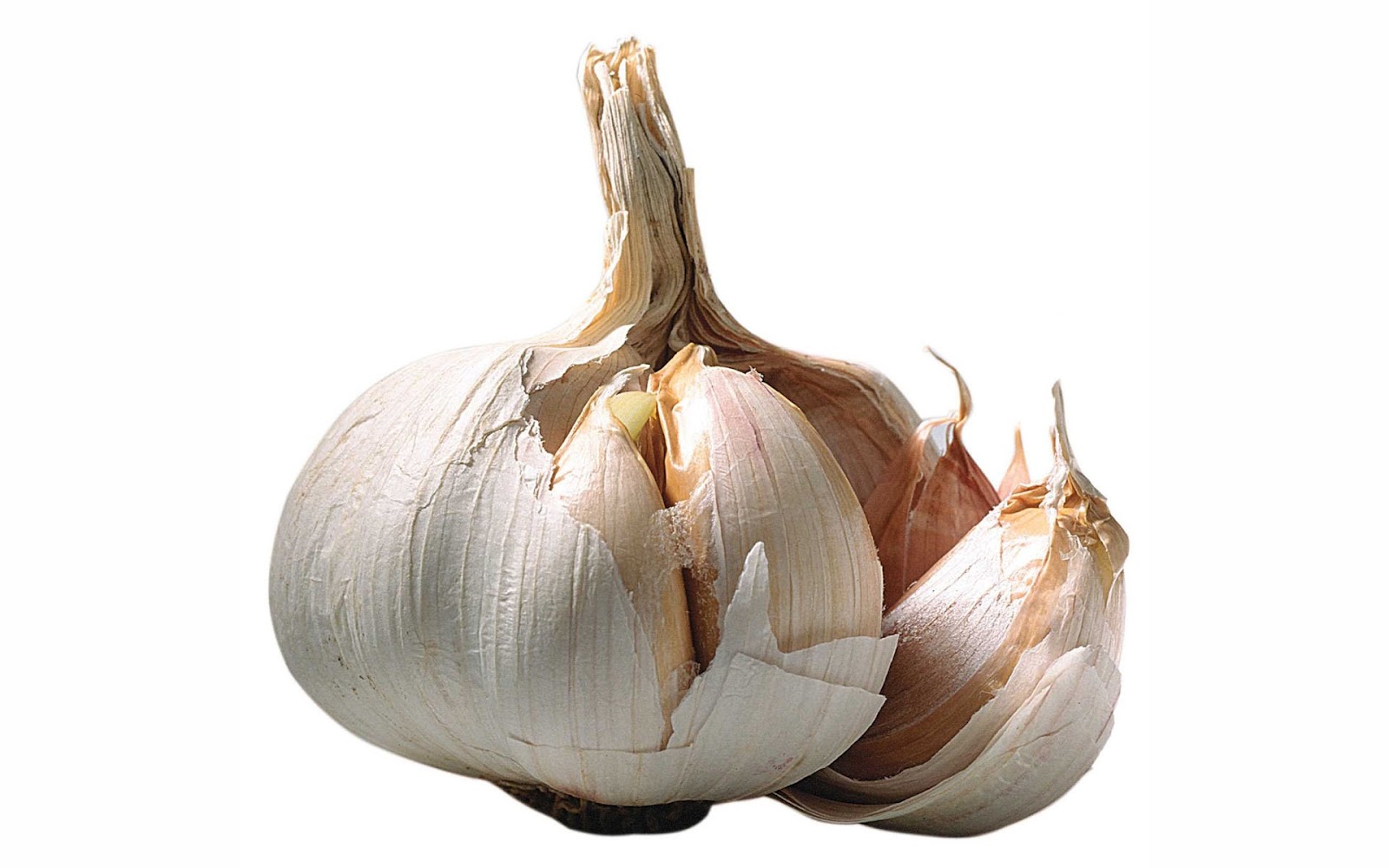
Garlic... the wonder food... garlic is so good for so many things... where to begin?

To make a tincture of fresh garlic cloves, crush the cloves then cover with grain alcohol, it's best not to remove the skins, because the provide a matrix for the menstruum (liquid, in this case alcohol) to make its way around and through the sticky flesh of the garlic. Shake well, then macerate, press, and filter.

Direct consumption of raw garlic can have different but overlapping effects... it's wonderful for treating bacterial infections. Cooked garlic has a more deep-seeted digestive and immune-enhancing effect, as well as working to prevent arteriosclerosis.

Garlic helps in digestion of fats by increasing secretion of bile. The herb affects the blood and circulation, demonstrating blood-thinning, anti-tumor, and anti-blood-cholesterol activity. 

As a cough formula... crush 6 cloves of garlic, remove skins and put them into a cup of goat's milk in a saucepan to simmer until garlic is tender... add a Tbsp. honey and take the liquid freely for the nutritive, immune-enhancing, antibiotic, expectorant, and cough-suppressing effects. 

Garlic ear oil (for earaches and outer, middle, and inner ear infections)... Combine (by weight) one part fresh crushed garlic cloves with one part fresh mullein leaves (leave skins on garlic) ... mix with one part olive oil (by volume... weigh herbs by grams, measure oil by milliliters) in glass jar... stir together well... cover opening with cheesecloth and set in the sunlight to macerate for at least 3 days (oil must completely cover herbs). After macerating, gently express through multiple layers of cheesecloth and allow to settle overnight... water and garlic juice will sink to the bottom, oil will rise to the top. Decant only the oil from the top and filter through more layers of cheesecloth. The finished oil must not contain water droplets. Oil made in this manner will keep at least a year if stored in a cool, dark place. Dosage: 1 drop per ear, 1-3 times daily. Warm oil to body temperature before administering. Flooding the ear with oil does not improve the effect and is not recommended. Massaging the soft tissue behind the ear lobe with some of the warm oil is highly recommended as well.  

*Much of the information on garlic gleaned from the book Making Plant Medicine by Richo Cech.

Next post will continue with Kitchen Herbs and Remedies... covering what instructor/herbalist Robin McGee calls "The Spaghetti Herbs."


Thursday, February 16, 2012

Herbal Medicine Part 3: A Bitter Herb to Swallow

"All things are poisons, for there is nothing without poisonous qualities. It is only the dose which makes a thing poison." Paracelsus 1493-1541

Yellow Root plant

My friend, Janice, made me drink yellow root tea... it was bitter and nasty tasting and no amount of honey, sugar, lemon juice or other ingredients did anything to improve the flavor... it tasted like... dirt, bitter dirt.

I had a terrible sore throat, my children were young, I kept putting off going to the doctor even though I was pretty sure I had strep... there were blisters and ulcerations all in the back of my mouth and down my throat, it hurt to swallow... it hurt to talk... it hurt to open my mouth... I was miserable.

Janice and her husband Tony had invited us over for dinner... they were wonderful friends, fellow homeschoolers, and Janice and I used to joke that we shared half a brain and usually the other one was using our half when we needed it. I called her to tell her my throat was killing me and it would be better if we didn't come over, didn't want to be spreading my germs around. She responded, "I'm sending Tony down to the creek right now to get some yellow root, come on over, I'm making you some yellow root tea."

And she did. She washed the roots, chopped them up and steeped them in boiling water... then when the tea was cool enough to drink, she made me drink it and poured a canning jar full of the vile stuff for me to take home with the instructions to drink a cup of it two or three times a day until my throat felt better. I did and within THREE days, I could swallow... and shining a flashlight down my throat... there were no more blisters... 

Goldenseal (from everything I can find to read, Goldenseal
is another name for yellow root)... PLEASE if I'm wrong,
somebody correct me!
At the Herbal Medicine Workshop I attended, the instructor told the class that bitter herbs... digestive herbs... are so lacking in our society... with the quest for "sweet-tasting" or at least "good tasting" medicines, teas, etc. people have sorely neglected ingesting bitter herbs... herbs that aid our digestive systems... it's no wonder people today have so many problems with digestive issues... heartburn, indigestion, irregularity... stomach ulcers, cold sores, fever blisters, mouth ulcers... the list is endless...

There was a time when taking a "tonic" was a normal thing... no longer! We only treat symptoms, not the underlying cause...

The "Doctrine of Plant Signatures" states that "the physical form of a plant gives a clue as to its healing purposes."

In the New King James version of the Holy Bible, it states, "And God said, ‘See, I have given you every herb that yields seed which is on the face of all the earth, and every tree whose fruit yields seed; to you it shall be for food.’" ~Genesis 1:29. Several European herbalists from the past believed that God Himself left us clues as to what plants are most beneficial to specific ailments and body parts. Although the science of nutrition was not known then, the application of this principle through careful observation was memorialized in early herbal texts and has been revived today in homeopathy, herbalism and the study of flower essences.

According to the Doctrine of Plants, plants with yellow blooms, roots, etc. give the "clue" that the plant is useful for liver or lymphatic function and/or cleansing... therefore aiding the digestive system. The herbalist teaching the workshop stated that yellow root was a perfect digestive bitter, antibiotic, anti-fungal... excellent for treating thrush, diaper rash (washing the diaper area with a tea), mouth ulcers, etc.  

Calendula (officinalis)

Another liver/lymphatic herb is calendula... A tincture of calendula will "flush out a stagnant lymph system." Topically, calendula is a wonderful skin remedy... steep the dried flower petals in a good oil (olive oil is great) in the sun for several (2-6) weeks, shaking daily (in a canning jar!), then mix with beeswax for a healing skin salve.

Calendula tea or tincture in water can be swished and swallowed in order to help heal oral lesions, sore throat, or gastric ulcer.

Chamomile
Chamomile is considered a "warming bitter"... it calms as it cures. We all know chamomile tea is wonderful to relax and help with sleep, but it also soothes and calms the digestive system. A tincture of chamomile (tincture chamomile in brandy) is wonderful for teething babies (rub a little on their gums, it calms and soothes and takes the pain away).

Chamomile is antispasmodic to the intestinal tract and helps heal gastric and duodenal ulcers.

Dandelion 
Dandelion (YES, dandelion, that "weed" that grows in your yard) is yet another liver/lympatic herb... make a salad out of the leaves... or a tea, or a tincture, or cook them like greens... dandelion greens are a potassium rich diuretic (most diuretics deplete the body of potassium, not dandelion!)... herbalists use tinctures of dandelion mixed with hawthorn tinctures to treat congestive heart failure.

Dandelion root (a digestive bitter herb) is used as a liver tonic (cleansing)... and can be dried and ground as a substitute for coffee.

The flowers of the versatile dandelion (remember yellow=liver!) are excellent for neck and shoulder pain (lymphatic!)... and dandelion wine is said to alleviate seasonal depression.

The lowly dandelion is a classic spring tonic. The herb is mildly laxative, markedly diuretic, and improves the function of the liver, promoting secretion of bile.

Fennel bulb

Fennel seeds
Fennel aids in digestion... use the seeds in a tea or tincture to alleviate gas and bloating. Our former neighbors (from India) keep candy coated fennel seeds in their pantry at all times to give to colicky children (and adults) Fennel tea is safe even for babies to help colic ... fennel freshens the breath, improves assimilation with food and decreases gas. The tincture or tea synergizes well with laxatives, acting as an anti-spasmodic.


Sunday, February 12, 2012

Herbal Medicine Part 2: Bee Balm and Bee Stings

During the recent herbal medicine workshop I attended, the first herb the instructor discussed was Bee Balm. Monarda Didyma (red flowering) and Monarda Fistulosa (lavender flowering) bee balm, or wild bergamot, she said, is an invaluable addition to a medicinal herb garden. She began her talk holding her single sheet of typed notes at arm's length, she had forgotten her reading glasses... a member of the class loaned her a pair and she laughingly remarked, "Oh, I DID write this in English!"

Bee balm is excellent for treating systemic candida (yeast infections, thrush, impetigo, mouth ulcers, sore throat, diaper rash) and is also good for quickly treating burns (by adding saliva and using as a compress on the burned area).
Lavender flowering bee balm (Monarda Fistulosa)

To make a tincture of bee balm, she recommended using the top third of the plant and to tincture it in brandy rather than vodka or EverClear... why? because bee balm doesn't need a large percentage of alcohol to obtain the medicinal tincture (although if all you have is vodka, it's perfectly acceptable to use), the end product is better tasting using brandy.

In herbal terminology "tincturing" is the process of making an herbal extract by steeping ground herb in a liquid "menstruum" (the "solvent" or "liquid" portion of a tincture, usually alcohol)... usually at a 1:5 ratio (one part dried herb to 5 parts menstruum, fresh herb tinctures are more complicated due to the differing amounts of water in different herbs)... a great book with "recipes" for herbal tinctures is Making Plant Medicine by Richo Cech.

Once you get the ground herb mixed with the menstruum (a canning jar is perfect for mixing tinctures) you simply set it in a cool, dark place and give it a shake once a day for several weeks, strain it out and decant into amber glass bottles, preferably with a dropper lid on top.

Robin McGee (herbalist instructor) recommended (with a huge grin on her face and a mischievous twinkle in her eyes) shaking the mixture daily and singing to it... she calls it PFM... (Pure Freakin' Magic)

For making salves for topical use, the herb is steeped in a good quality oil (olive is great) for several weeks, then beeswax is added to thicken.

Red flowering bee balm (Monarda Didyma)
Bee balm also has the added benefit of attracting bees to your garden, helping with pollination... and we all know that good pollination makes for bigger, better, more abundant crops!

Bee balm, of course, makes me think of bees... which takes me down another branch of my memory lanes...

When I was growing up, I was the oldest grandchild on my Mama's side (Mama was the oldest child in her family)... so I had the enviable task of watching out for all the little cousins who descended on our home in the summer when Mama and the aunts got together to can, cook, paint rooms, or just visit. My two brothers and I were older than the little cousins by several years (we taught the little ones things, like how to ride a bike, we pushed them on the big tire swing, helped them catch crawdads in the creek or lightning bugs at dusk, watched out for them, teased them)... there was always a group of toddlers around and we seemed to have cornered the market on girls... one little boy cousin (my cousin Brad) amongst that gaggle of little girls... they spent their time playing in the yard, riding Big Wheels, tricycles, bikes with training wheels... running, jumping, climbing... everybody dressed in shorts and sleeveless tops, NOBODY wearing shoes... it was a happy, barefoot world... and there was always the chance SOMEBODY would step on a honeybee and the tears would begin... the one stung would cry, then some of the others would start in sympathy for the injured toddler...

The "medicine" on hand for bee stings? Well, if chewing tobacco was to be had, a big wad of wet tobacco would be applied to take the sting away... but more often than not, the "medicine" of choice was more simple... my little cousin Brad (the only little boy in that group of girl cousins) was elected to pee on the injury... he thought it was great fun and it worked every time, took the pain away and lessened the swelling of the sting... the tears were dried, everyone was given a popsicle to cool off and "paint" their lips purple or red or orange... and the summer play continued...


Friday, February 10, 2012

Herbal Medicine Part 1: A Childhood Interest

My sweet Granny Smith not
long before she passed away
at the age of 92.
I'm gonna be straying away from my usual canning topics for the next few posts. After attending an herbal medicine workshop with Appalachian herbalist and instructor Robin McGee, I have a renewed interest (or maybe obsession?) with herbal medicine... the interest was there before, but it REALLY was awakened by this wonderful class with a fantastic, down-to-earth instructor.

I've been making soaps and lotions for many years, scenting my products ONLY with natural, essential oils and have been using the oils for their medicinal properties for quite some time. I enjoy being in my "mad scientist laboratory" mixing up my concoctions and remedies. So when this opportunity to learn more came up, I jumped at the chance.

After taking the workshop, my mind began meandering down memory lane, and I realized that I've always had an interest in herbal remedies, old wives' tales, old time medicines and remedies, and more.

Granny Smith all dressed up for my parents' wedding
My Granny Smith (my Daddy's mother) was my earliest teacher, mostly with stories she told and her natural ability to make a person feel better with the simplest things. One story she told often was about her own father, my great grandpa, Papa, his name was Andrew Jackson (not the president, but a giant of a man), with great, huge handlebar mustaches, he died when I was 5 or 6, but I have fuzzy, vague memories of him... as a toddler sitting on his lap, fascinated, and a little nervous, listening to his booming voice, his huge laughter, and that enormous mustache.

Granny said when she was a young girl, Papa had a problem with "the sugar" (diabetes)... and at one point his big toe became infected from an injury and wouldn't heal. He had tried everything and the toe just got worse, turning black and swollen with the infection... Papa finally went to the local doctor, who promptly said, "Andrew, you're gonna lose your whole foot if I don't take that toe off." Papa asked the doctor to give him two weeks to try to get that toe healed and if he couldn't, he'd come back and let the doctor amputate his big toe.

Papa came home that evening and said to my Granny, "Sis (that's what he always called her ... her name was Annie, but Papa always called her Sis... or Tom), go out in the woods and find me a pine tree... gather some good, thick 'rosem' and bring it back here." She went... when she brought the pine resin back, Papa took it and packed it all around the infected toe, bound it up in a clean bandage, and left it for a week without removing it.

After the week had passed, he removed the bandaging, washed the area good and checked it... the infection was completely gone, the toe was "white as snow" (that's how Granny phrased it)... the black infection was no longer there and he didn't have to have that toe amputated. Granny said the "rosem" drew out the poison from the infection and healed that toe.

Papaw Smith
Granny knew so many things... she never finished school, never had a public job, had a slight speech impediment from having been "tongue-tied" when she was born... but I've never met a smarter, harder working, more capable woman in my life. Sometimes she would take us grandkids walking in the woods and she could tell us the names of every plant, tree, shrub, and weed we came across and what it was good for (I wish I'd listened better)... I remember one time she picked a small branch off a tree and said, "Young'uns this is a tooth brush, you can clean your teeth with it." She showed us how to fray the ends of the twig and scrub our teeth with it. I learned later it was a birch twig and many mountain folks did, indeed, use it for cleaning their teeth.

Granny had a brother, Howard, who, it was claimed by all the folks in the valley, could cure the "thrash" (thrush, or candida) in babies by blowing in their mouth, and he could cure warts by just rubbing them... I never had any first hand experience with this, I just heard...

Granny was the woman in the valley who everyone called on when they had a sick loved one... not to come heal... but just to come "help." She took food, she had a strong back and could help lift an invalid, she didn't mind scrubbing dirty sheets, wiping noses or hindends, or cleaning nasty chamber pots... and you always just felt better when "Miss Annie" was nearby. She was strong, and solid, and capable.

Granny was my Papaw Smith's second wife... she finished raising the 5 children from his first marriage, and raised their own 6... she was not a gentle woman, but she WAS a gentlewoman, she had a sharp tongue and a firm manner, a no-nonsense, frank, opinionated woman... she milked cows, gathered eggs, churned butter, helped slaughter and butcher, grew a vegetable garden, had beautiful flower beds, cooked, canned, cured, and stored food, kept a meticulously clean home, made most of the family's clothes, quilted with the "Ladies Aid" once a week, attended the local Free Will Baptist Church every time the doors were open, singing in the choir with her strong alto voice heard above everyone else, she put flowers on the graves in the cemetery, and was always the first to visit if anyone in the community was sick, or had a new baby, or had a death in the family... with her large, strong hands, a basket of food, a quilt she had pieced by hand, or just to talk... and laugh... Granny had inherited Papa Jackson's big booming laugh, and she used it regularly.

Papaw and Granny Smith's house... my Daddy and his brothers and sisters grew up here. I have so many fond memories of family times in that old house.

html, body, div, span, applet, object, iframe, h1, h2, h3, h4, h5, h6, p, blockquote, pre, a, abbr, acronym, address, big, cite, code, del, dfn, em, font, img, ins, kbd, q, s, samp, small, strike, strong, sub, sup, tt, var, b, u, i, center, dl, dt, dd, ol, ul, li, fieldset, form, label, legend, table, caption, tbody, tfoot, thead, tr, th, td { margin: 0; padding: 0; border: 0; outline: 0; font-size: 100%; vertical-align: baseline; background: transparent; } body { line-height: 1; } ol, ul { list-style: none; } blockquote, q { quotes: none; } /* remember to define focus styles! */ :focus { outline: 0; } /* remember to highlight inserts somehow! */ ins { text-decoration: none; } del { text-decoration: line-through; } /* tables still need 'cellspacing="0"' in the markup */ table { border-collapse: collapse; border-spacing: 0; }