Potatoes are eaten several times a week at my house... there always there, they're tasty, comforting, and a great background for many meals... but there's more to the potato than meets the eye! (pun intended!)
A little study, reading, and an herbal medicine workshop has opened a whole new world of the wonders of the lowly potato...
The
components of potatoes consist of a high complex of carbohydrates, fiber, and
proteins. Included also are vitamin A, B-complex, and C; copper, iron,
magnesium, manganese, niacin, and potassium. The skin is high in nutrients, and
if possible the skin should be eaten or if not, peel as close to skin surface
as possible to maintain the nutrients that cling closer to the skins.
The potato is a
member of the nightshade family, and does contain very small quantities of
atropine. This substance is deadly in large amounts, but in small doses it has
antispasmodic effects, making potatoes useful for easing gastrointestinal pain
and cramping. Potatoes can also be used externally for muscle pains and skin
problems.
Raw potato can be grated up and applied to the eyes to relieve the itching and pain of pink-eye (conjunctivitis)... just apply 3-4 times daily for 20-30 minutes and all that gumminess (you know when your eyelids stick together and you can't open your eyes!) will be alleviated.
Have you ever had a splinter or a thorn that was in too deep to get out with tweezers or a needle? Put a thin slice of raw potato on it... cover it with a bandage and leave for several hours... the splinter will be drawn closer to the skin's surface and easier to remove.
Cayenne pepper, according to herbalists, is used for strengthening the heart muscle and for increasing circulation. Used during meals, cayenne stimulates gastric secretions and assists in digestion. The herb is commonly used for treating cold extremities and the common cold.
Cayenne is used externally as a rubefacient, for improving circulation... a tincture of cayenne is diluted with 2 parts grain alcohol or rubbing alcohol and massaged into the skin (test on a small area of the skin first, some folks have a low tolerance to cayenne).
And, according to the herbalist instructor at the workshop I attended... in a kitchen emergency, cayenne will stop bleeding... but it burns while it works.
Another kitchen spice that is said to stop bleeding is cinnamon (possibly a better, less painful choice than cayenne!) But cinnamon has so many wonderful uses for our health...
• Studies have shown that just a half teaspoon of cinnamon per day can lower LDL cholesterol.
• Several studies suggest that cinnamon may have a regulatory effect on blood sugar, making it especially beneficial for people with Type 2 diabetes.
• In some studies, cinnamon has shown an amazing ability to stop medication-resistant yeast infections.
• In yet another study, cinnamon is said to reduce the proliferation of leukemia and lymphoma cancer cells.
• It has an anti-clotting effect on the blood (how it stops bleeding from a cut, I have no idea, but I am assured this is true by a respected and knowledgeable herbalist).
• Studies have shown that half a teaspoon of cinnamon powder combined with one tablespoon of honey every morning before breakfast can provide relief in arthritis pain.
• When added to food, it inhibits bacterial growth and food spoilage, making it a natural food preservative.
• One study found that smelling cinnamon boosts cognitive function and memory.
• Researchers found that cinnamon fights the E. coli bacteria in unpasteurized juices.
• It is a great source of manganese, fiber, iron, and calcium.
Go cinnamon!!!!
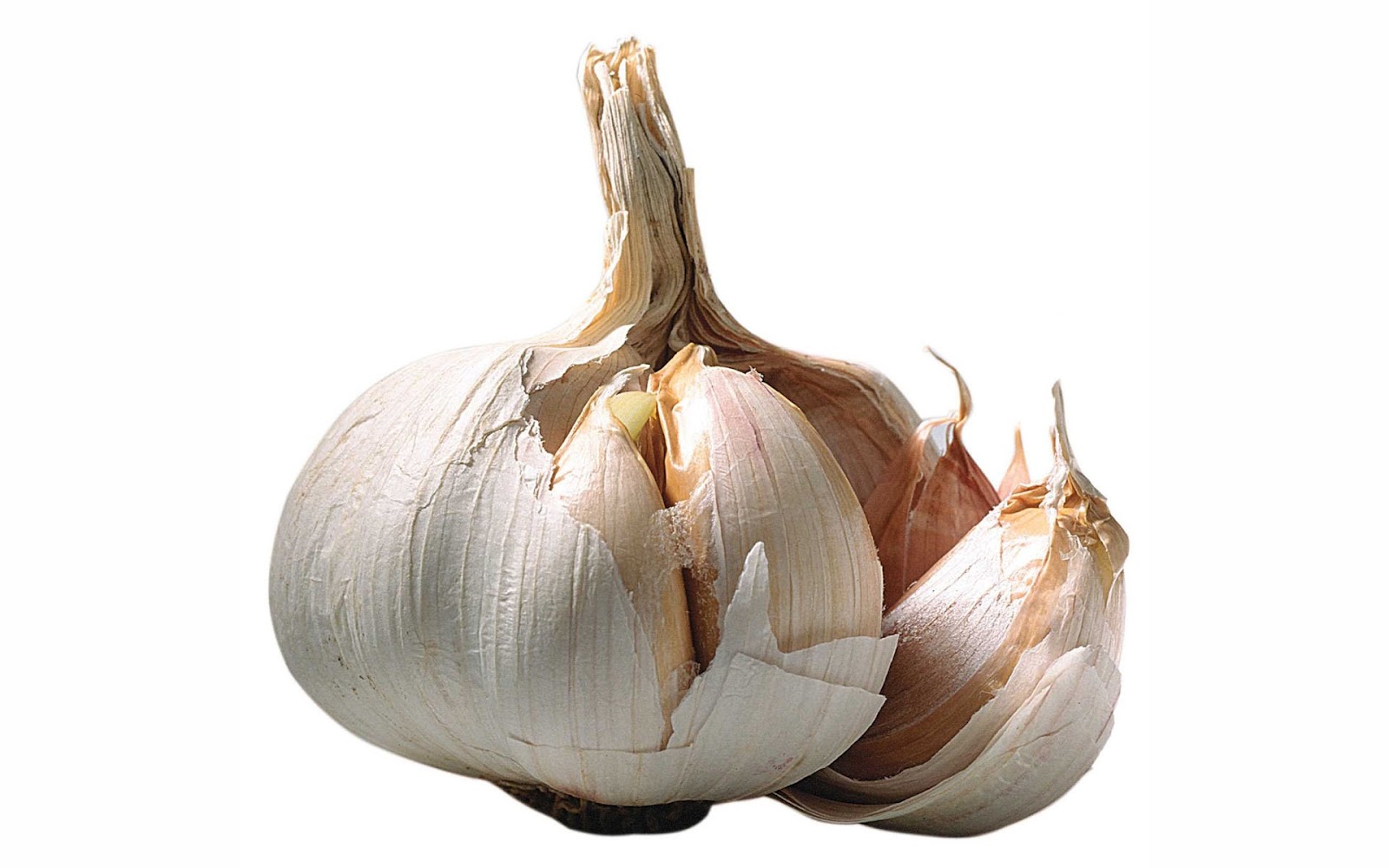
Garlic... the wonder food... garlic is so good for so many things... where to begin?
To make a tincture of fresh garlic cloves, crush the cloves then cover with grain alcohol, it's best not to remove the skins, because the provide a matrix for the menstruum (liquid, in this case alcohol) to make its way around and through the sticky flesh of the garlic. Shake well, then macerate, press, and filter.
Direct consumption of raw garlic can have different but overlapping effects... it's wonderful for treating bacterial infections. Cooked garlic has a more deep-seeted digestive and immune-enhancing effect, as well as working to prevent arteriosclerosis.
Garlic helps in digestion of fats by increasing secretion of bile. The herb affects the blood and circulation, demonstrating blood-thinning, anti-tumor, and anti-blood-cholesterol activity.
As a cough formula... crush 6 cloves of garlic, remove skins and put them into a cup of goat's milk in a saucepan to simmer until garlic is tender... add a Tbsp. honey and take the liquid freely for the nutritive, immune-enhancing, antibiotic, expectorant, and cough-suppressing effects.
Garlic ear oil (for earaches and outer, middle, and inner ear infections)... Combine (by weight) one part fresh crushed garlic cloves with one part fresh mullein leaves (leave skins on garlic) ... mix with one part olive oil (by volume... weigh herbs by grams, measure oil by milliliters) in glass jar... stir together well... cover opening with cheesecloth and set in the sunlight to macerate for at least 3 days (oil must completely cover herbs). After macerating, gently express through multiple layers of cheesecloth and allow to settle overnight... water and garlic juice will sink to the bottom, oil will rise to the top. Decant only the oil from the top and filter through more layers of cheesecloth. The finished oil must not contain water droplets. Oil made in this manner will keep at least a year if stored in a cool, dark place. Dosage: 1 drop per ear, 1-3 times daily. Warm oil to body temperature before administering. Flooding the ear with oil does not improve the effect and is not recommended. Massaging the soft tissue behind the ear lobe with some of the warm oil is highly recommended as well.
Next post will continue with Kitchen Herbs and Remedies... covering what instructor/herbalist Robin McGee calls "The Spaghetti Herbs."