Showing posts with label In the garden. Show all posts

Tuesday, March 16, 2021

Kahikatea berries to eat!!


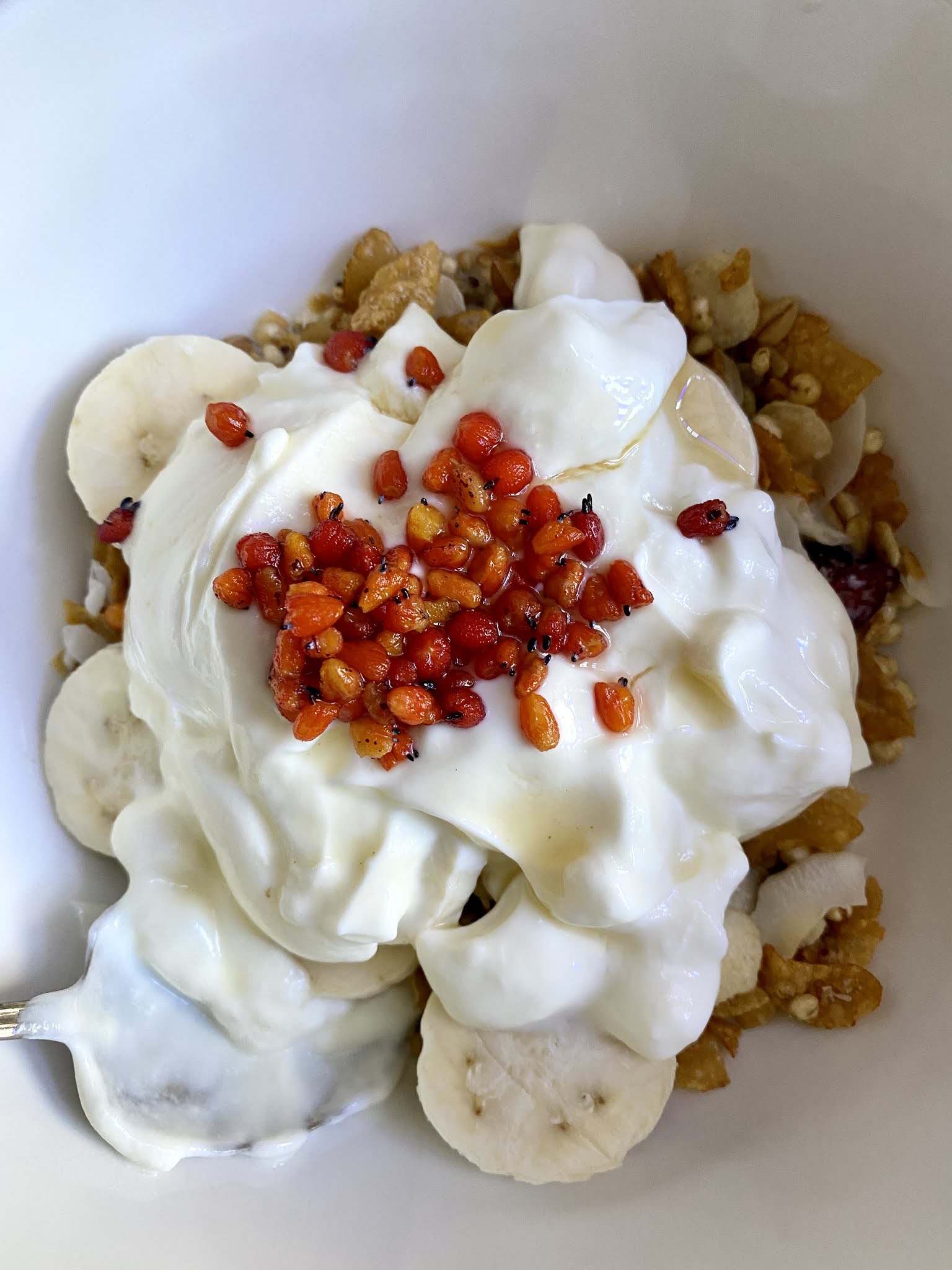
Is kahikatea berry season again! I already have a few posts about foraging these New Zealand tree berries here, if you want to find out more. Since I cannot climb the tall trees I have to pick the berries that fall on the ground, it takes time and they are tiny, but everyday I get just enough to put on the cereal in the morning (for Max and Peter, I just have them with yogurt). They need to be washed and then the black seed removed and discarded. I leave the remaining red berries to marinate with just a drop of manuka honey overnight, and in the morning they are ready for breakfast! 


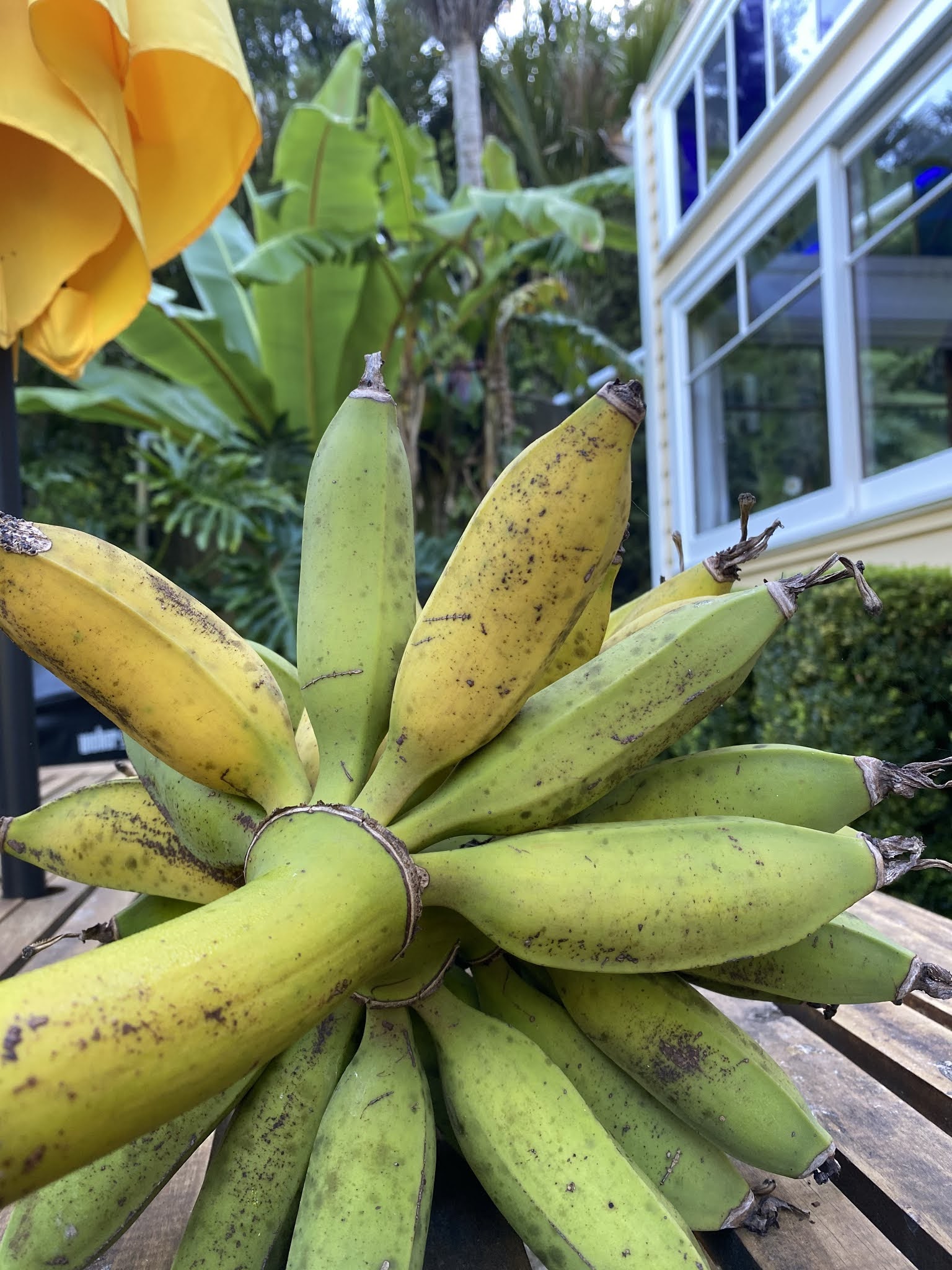
Max's cereal! (TBW, we also have our own bananas!!)


Photos and Recipes by Alessandra Zecchini ©


Saturday, August 1, 2020

Onion weed and Parmigiano fritters


Yeah onion weed time again!! Pick some fat one, as many as you can, wash well the juicy bulbs and chop finely, adding some green stalks and a few flowers. Mix three eggs with 2 tbsp of self raising flour and 3 of grated Parmigiano, add salt and pepper to taste and then the chopped onion weed. Fry in olive oil until golden and crispy. So yum!

 Photos and Recipes by Alessandra Zecchini ©

Monday, April 27, 2020

Covid-19 recipe 9: foraging for bamboo


I have bamboo growing in the driveway, which is beautiful but also invasive and we keep it under strict control, by cutting and.... eating. Every now and then my neighbour bring me big shoot (already about 1m high) which is great, but I much prefer the small and tender shoot so I check the driveway early in the morning for signs of shoots like the one picture above (bottom right). If you leave it to the afternoon it would shoot up in no time!!


I started cooking bamboo shoots when I was living in Japan, they were a different kind, much 'fatter' but these are good too, better than buying canned bamboo! Peel off the outer green layers, then cut into slices (I also like to cut the tips into two to see the layers), and discard the hard nodes. Rinse and cook for about 20 minutes in the water left over from rinsing rice (or add a little rice bran to your cooking water, I don't have rice bran so I keep the rice rinsing water), a pinch of salt and a chili (optional, but apparently it takes away the bitterness). 20 minutes suffice for small tender shoots, but if you have longer ones just make sure that you can pierce them with a knife or leave 5 minutes longer. If not using immediately store in lightly salted water.


Fresh bamboo is tasty by itself, or can be added to a variety of Asian dishes. Usually I have it with rice and other veggies in a Japanese meal, in a stir fry or a coconut 'curry'.


For this curry I fried a shallot with a little vegetable oil, then added one can of coconut cream, 500 ml of vegetable stock, 1 tsp each of Fresh As Kaffir lime powder, ginger powder, sweet basil powder, coriander powder and lemon grass powder, plus a bit of turmeric, and chili flakes, a couple of carrots, green beans, dried mushrooms (pre-soaked) Tofu and my cooked bamboo. At the end of cooking I also added fresh Vietnamese mint, basi, young broccoli leaves and, just before serving, marigold flowers and young Nasturtium leaves.


Photos and Recipes by Alessandra Zecchini ©

Friday, April 17, 2020

Covid-19 lockdown recipe 8: eating weeds


Those who know me also know that I like foraging and to eat a variety of wild food, weeds and flowers. I used to do this a lot as a child, and foraged food was a big part of my diet, but these day I do it mostly for fun, for taste, and for health.  This week I have been back to foraging for necessity, which is the best purpose to forage after all. Strictly this has not been 'foraging' though, but more like weeding. My salad leaves are growing at such a slow speed now that it is painful to watch (and yes, I go and watch them every day!!!) but what is growing in the salad bed at remarkable speed is chickweed! This little weed tends to cover the ground in no time, but it is also yummy, especially the young sprouts, and apparently has plenty of vitamin C, A and Bs. It can be cooked, but I prefer it raw, so here are a few ideas, in case you feel like weeding the garden too!


I made a smoothie with chickweed, feijoas and frozen banana (both the feijoas and banana also came from my garden) and some coconut water as a base. It tasted great and very healthy, similar to a smoothie with fruit and spinach. Ahhh but the satisfaction of having used a weed instead!!


Then, recovering a few salad leaves, and equal part (or more...) of chickweed, I had enough for a salad. I also added a few of the youngest leaves of nasturtium plus some flowers and buds, marigold petals and dianthus. This salad went straight into salad rolls, so it didn't need dressing, but if serving it as a side salad just add a little salt, lemon juice and olive oil.

And here another serving idea: bagel with nut cheese (or cream cheese) and weeds! Chickweed, wild cress and onion weed, all growing wildly in my backyard! So, if we really get into dire straits at least you can say that I taught you how to pick weeds and eat them! 🌱🌿


Photos and Recipes by Alessandra Zecchini ©

Thursday, April 2, 2020

Covid-19 lockdown recipe 4: lentil salads, i.e. making the most of 'poor' ingredients


Dried lentils are another 'staple' in my pantry, and I also noticed that while aisles of cans of beans were getting low at the supermarket, packets of dried lentils were still available. Good, because they are cheap and they go a long way, plus they are full of protein and very versatile: you can make soups, stews, curries, lasagne, side dishes or basically add them anywhere to 'increase' the size of your dishes and fill your belly. Because the weather is still nice I'll propose some salads, throwing in some fresh greens, edible flowers and a bit of NZ foraging too :-). All of these salads will serve heaps of people and last a few days in the fridge, in fact they taste better on the second day, giving the lentils time to absorb flavour from the dressing. So I usually make heaps and then before serving I take out what I need and I add the fresh greens and the flowers on the spot.


Lentils with flowers and leaves

500 g brown lentils
1 leaf bay
water and salt for boiling
extra virgin olive oil
white balsamic vinegar
salt to taste
mixed salad leaves
sliced radishes
tomatoes (cherry or cubed)
fresh herbs (like basil, parsley)
edible flowers


Soak the lentil overnight, then rinse well, add plenty of water, a bay leaf and a pinch of salt. Cook until 'al dente', or as soft as you like (but not mushy). Drain and briefly rinse under cold water. Place in a mixing bowl with the radishes and tomatoes, add extra virgin olive oil, white balsamic vinegar (to taste, but make sure that the ratio oil to vinegar is 2 to1), and some salt to taste. Line a serving plate or large shallow bowl with mixed salad leaves (leave a few small ones for the top), spoon the lentils on top, then sprinkle with the remaining salad leaves, herbs and petals (I used verbena, dianthus, and cornflowers).


Same recipe again but with broad beans and different flowers


 This time I added more tomatoes and also broad beans (just the frozen broad beans, to prepare them just cover them with boiling water and then remove the hard skin and they are ready to eat!) . Mix the lentils, broad beans and tomato with the dressing ingredients and place on a bed of mixes salad leaves. To decorate I used calendula, borage and dianthus petals.


With kahikatea berries


Here is another version with a bit of foraging from the New Zealand Bush! The kahikatea berries are ripening, it takes a long time to collect them but they are a welcome addition to a salad. You will need to remove the black blue seed and wash the berries delicately though. 

500 g brown lentils
1 leaf bay
water and salt for boiling
extra virgin olive oil
lemon juice
salt and pepper to taste
frozen broad beans
kahikatea berries
calendula petals

Soak the lentil overnight, then rinse well, add plenty of water, a bay leaf and a pinch of salt. Cook until 'al dente', or as soft as you like (but not mushy). Drain and briefly rinse under cold water. Place in a mixing bowl, add extra virgin olive oil, lemon juice, salt and pepper to taste and the broad beans (just use the frozen broad beans, cover them with boiling water and then remove the hard skin so that they are ready to eat and bright green). Mix well and then top with the kahikatea berries and calendula petals.


Last one for the day


And here yet another salad (same basic recipe again, use either lemon juice or white balsamic vinegar) and more flowers: nasturtium, borage, verbena, poppy, marigold, dianthus, and cornflowers.

Photos and Recipes by Alessandra Zecchini ©

Monday, March 30, 2020

Covid-19 lockdown recipe 3: Banana blossom salad with tofu, coconut and other yummy things


I couldn't help noticing how many Auckland home gardens have a banana plant flowering at this time of the year, and I always wonder how many people actually eat their bananas, or their blossom.
Well, the bananas are delicious once they are ripe, and the blossoms.... truly special! I already have a couple of recipes here, (Noodles with banana flowers and a step by step banana blossom and potato salad), and yesterday I finally picked this year blossom and decided on an aromatic salad with fresh coconut flesh and tofu.


Cut the blossom and discard all the pink leaves and little flowers (they can be eaten too if you like, but the blossom is my favourite part).


Prepare a bowl with cold water and plenty of lemon juice, then cut the blossom into very thin strips and place in the lemon water as soon as you cut each slice. The centre of the blossom is made up of more little flowers like the ones above, just more tender, they will cut into small pieces as you slice the blossom. The lemon water will prevent the banana blossom to turn brown, but also will take away that sticky tangy taste. Leave in the lemon water for at least 30 minutes.


Keep the pink petals for decorations, or for 'plates' for your salad.


After 30 minutes (or more) drain the banana blossom and rinse well under cold running water, shake the water off and place into a bowl. Add a finely chopped shallot, and some finely cut capsicum or chili. I had three small black capsicums from my garden, a little hot but not too much, so I used those. Add soy sauce and lime juice (about two to one) and a tsp of coconut sugar (or other sugar).


Stir well, this is the marinade. I added a few leaves of Vietnamese mint and then fitted another bowl over the marinade, with a weight.


Like this. This way the vegetables get pressed and 'cook' in the marinade. Stir from time to time to make sure that all the veggies are well pressed. Leave for at least 3 hours.


In the meantime I prepared the 'sweet' ingredients to add to the salad, using what I had: a couple of grated carrots, a few boiled green beans and a fresh coconut. For the coconut, make a hole and drain the water, then break the coconut with a machete and scoop the flesh out with a spoon. Rinse well.


Before serving I added the carrots, beans and coconut to the marinated vegetables and stirred well. The contrast of textures and flavours made this salad very special, perfect to accompany soft tofu, but also good to dress hot noodles (so you don't waste all that yummy marinade).
Well, I hope this was interesting for you to read, of course you don't need coconut of tofu or anything fancy, carrots and/or cucumber can suffice, and if you don't have shallots use onions... the only things that are really essential in my opinion are lemon and/or lime juice and soy sauce, for the rest just improvise and you will be able to say that you ate a banana blossom too!


Photos and Recipes by Alessandra Zecchini ©

Saturday, May 18, 2019

Lentils and flowers combo


Another salad with lentils (you can find one here too). The beauty of using flowers is that you can add colour to brown lentil salads, and all other salads. Even just washing the salad leaves and other vegetables from the garden gives me more joy if I can add some petals!


500 g brown lentils

1 leaf bay
water and salt for boiling
extra virgin olive oil

white balsamic vinegar

salt to taste
mixed salad leaves
sliced radishes
tomatoes (cherry or cubed)
fresh herbs (like basil, parsley)
edible flowers


Soak the lentil overnight, then rinse well, add plenty of water, a bay leaf and a pinch of salt. Cook until 'al dente', or as soft as you like (but not mushy). Drain and briefly rinse under cold water. Place in a mixing bowl with the radishes and tomatoes, add extra virgin olive oil, white balsamic vinegar (to taste, but make sure that the ratio oil to vinegar is 2 to1), and some salt to taste. Line a serving plate or large shallow bowl with mixed salad leaves (leave a few small ones for the top), spoon the lentils on top, then sprinkle with the remaining salad leaves, herbs and petals (I used verbena, dianthus, and cornflowers).


Photos and Recipes by Alessandra Zecchini ©

Monday, April 8, 2019

Salsa verde with petals


I usually make this when I have some stale bread and lots of parsley. Also when I have some leftover vinegar from a pickle jar. Waste not waste not!!

Soak the bread with the vinegar (if you don't have vinegar from a pickle jar use white wine vinegar - do not use dark vinegar!). Add one hard boiled egg, a few capers, and all the parsley you can find (stalks good too!). Blend. Add more vinegar if too thick, and also a little extra virgin olive oil. Add salt to taste and blend until smooth. Add a few more capers (whole) and petals and stir. I used Friarielli flowers (cime di rapa), nasturtium and borage flowers here. Leave some on top for decoration.

In Italy salsa verde is usually served with boiled meat, but as I don't eat meat I like it with boiled eggs, and also with bread, or as a dip.


Photos and Recipes by Alessandra Zecchini ©

Saturday, April 6, 2019

Fried paneer with turmeric and cornflowers


My family love paneer, most of our curries have it, and if they don't I often fry some on the side to add to warm roti or chapati breads. For this recipe I added some spices, including a little turmeric, so the blue cornflower petals looked stunning!

Cut the paneer in slices. Heat some vegetable oil in a skillet or frying pan, add a few coriander seeds and a few cumin seeds and then, when the oil is hot, the paneer slices. Fry for 2-3 minutes on one side, then turn, add a pinch of salt and a little turmeric powder and fry on the other side for 1-2 minutes. Turn one last time so the paneer slices are completely coated with turmeric and then turn the element off.  Sprinkle with cornflower petals and serve immediately.


And now some flowers from the garden and from the home for Pinterest


Photos and Recipes by Alessandra Zecchini ©
LinkWithin

Related Posts with Thumbnails