Showing posts with label quince. Show all posts

Saturday, April 21, 2018

Autumn preserves: quince paste, feijoa paste and fig jam, all good with cheese!


It is Autumn and there is great produce around, in particular I like quinces, which I can find at the local orchard in Oratia (Dragicevich and Sons, in West Coast Rd). I usually make jelly (recipe here) or paste, the paste needs less sugar and you get more out of it, although the cooking process is quite long. 


Wash the quinces, quarter and then remove the centre but not the skin. Cook with a bit of water until soft then blend. Add 60% of weight in sugar and a pinch of citric acid, and then bring to the boil, and boil, boil and boil until quite thick, stirring most of the time (ideally all the time, but I took breaks away from the heat!!). Then pour into a mould or a rectangular container.


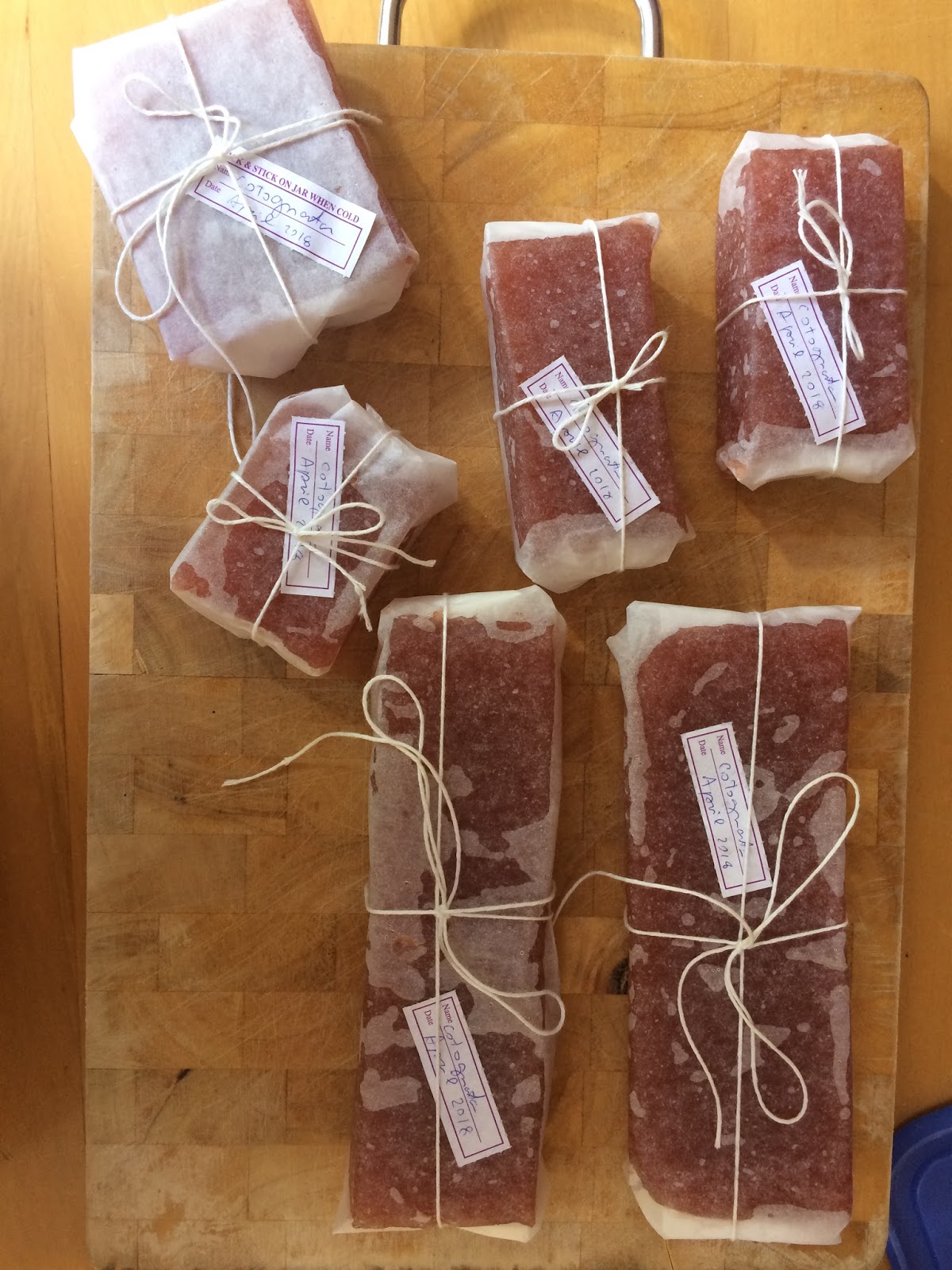
Let the paste set for a few days, then cut and wrap in baking paper.


This year I had quite a few feijoas in the garden, so I though of doing the same. In the past I made jam (recipe here) and it was so solid that I realised that it had been a mistake to put it into jars: feijoas are like guava and guava makes a paste similar to quince paste, great for cheese too!

So I followed the same steps as for the quinces, but instead of removing the core I removed the skins with a knife. If you want to use the skins for something else you can try this feijoa cordial.


 Finally, the fig trees have a few figs, not big and as soon as they ripen the birds eat them, so the only thing I can do is to pick them when they are still green, not so good for eating fresh, but good for jam. 

Boil them first for five minutes then discard the water and scum (from the white sap that comes out), cut them into two and put them back in the pot, once again with 60% sugar, and a little water. 


 The figs should mush easily while boiling, if you keep stirring them with a wooden spoon, but if you want to keep a few whole remove them from the pot before mashing the rest, and add them back during the last 5-10 minutes. This jam went into jars, it looks great, but I have the feeling that it will also be quite hard (I added some pectine - jam setting mix) and probably next year I will end up making fig paste instead of jam!


 Photos and Recipes by Alessandra Zecchini ©


Sunday, March 27, 2016

Quince and kahikatea berry tart


The Kahikatea trees in the bush are full of berries, and birds are singing happily. The berries (koroī) are edible, but the trees are too high to climb for me, so I can only pick what falls on the forest floor. It takes time, but foraging runs in my veins, plus it is a good squatting exercise! After picking you need to wash the berries well and remove the hard blue seeds, another time consuming job! After all this you are left with an handful of berries so it is easy to understand why you don't see koroī jam around! In fact there are not many recipes with these berries, and this is my third one only (the other two are Flan with Kawakawa cream and Kahikatea berries, and Kahikatea Cupcakes


The berries don't have much taste so I added one tsp of sugar and a tbsp of lemon juice and I let them marinate overnight. They day after they were yummy and ready to put on cereals, but I preferred  making a tart. I use quinces from Oratia, in season now. I peeled two big quinces and cut them into slices. Then I melted 50 g of butter and two tbsp of sugar in a iron skillet and sautéd the quinces for two minutes. After that I added a small glass of grappa (I used this aged Prosecco Grappa by Bottega). As soon as you pour the grappa over the hot quinces the kitchen fills with a wonderful aroma and you could eat the quinces just like that, maybe with some ice cream on the side. After most of the liquid had evaporated I added 2 tsp of corn flour diluted with a little water to make a paste. I stirred well and positioned all the quince slices neatly on the bottom of the pan. Then I added the kahikatea berries, keeping just a few aside for decoration.


I cut a circle of puff pastry (I used Paneton) and fitted it over the fruit and then baked the lot until the pastry looked golden and puffy. Then I carefully reversed the pan over a serving plate and let the tart slip down (by itself) onto the plate. I added the remaining berries and took a few photos! The tart was very good, you don't have to use quinces, apples and pears are good too, and the berries are just a fancy addition, but what a satisfaction! Today I am going to ask the kids to do a bit of foraging for me, it is a good skill to learn after all, and since it is Easter Sunday in New Zealand, they will be excited after that other form of 'foraging' that happens here: the Easter eggs hunt! In fact here they are coming down now, I'll better go and enjoy this!


Photos and Recipes by Alessandra Zecchini ©

Thursday, June 4, 2015

Quince jelly


I love quince jelly, lovely project for rainy days! Wash and quarter some quinces, removing the pips, then boil the lot with lemon juice and a little water until the fruit is soft and mushy. 


Put the pulp inside a jelly bag, cheaper if you just use a clean pillowcase (I have one which I use just for jellies) and hung it over a bowl (using a broom and two chairs) for a day and night.


This way the juice will drop into the bowl. As a rule if you like a clear jelly do not squeeze the bag! But I confess that I gave it a little squeeze… I wanted to get more out of it!


Measure the juice and add the same amount of sugar, then boil again.


I had lots, so I put half in a container to set, and added Fresh As Raspberry powder to the other half for a quick raspberry jelly. Delicious!


Photos and Recipes by Alessandra Zecchini ©

Wednesday, July 23, 2014

Yogurt with quince topping - yogurt con sciroppo di mele cotogne


A simple dessert or a treat at any time of the day: use some plain thick yogurt, like greek yogurt, or yogurt from The Collective Dairy. For the topping I cooked some quince apples until mushy, then I put them into a muslin cloth over a bowl for a night to collect the juice. I measured the liquid and added half of its weight in sugar and boiled everything until I got a thick syrup. This can be kept in the fridge for a long time and spooned over the yogurt (or cakes or other desserts) when needed. So yummy!


Photos and Recipes by Alessandra Zecchini ©

Friday, May 2, 2014

Hazelnut and vanilla verrines with quince jelly, figs and cape gooseberry… or with alpine strawberries

Crema di nocciola e vaniglia con gelatina di cotogne, fichi e alchechengi


A few days ago I was in Christchurch where I bought some hazelnut flour (Hazelz). I love hazelnuts!
For 4 verrines I used:

2 eggs
3 tbps sugar
1 tbsp (level) cornflour
400 ml full cream milk
1 drop real vanilla essence
1 tbsp (heap) hazelnut flour

for the topping
4-8 tbsp quince jelly (see below)
figs and cape gooseberries to decorate

In a pot mix the eggs with sugar and cornflour and add the milk little by little. Simmer stirring constantly until a custard form, then add the vanilla essence. Pour 200 ml of this custard into a measuring jug (I used the same one I used for the milk) and set aside, then put the hazelnut flour and Frangelico into the remaining custard and stir well. Fill four verrines or glasses with the hazelnut cream (this will be quite thick) and then pour the (thinner) vanilla custard on top. Let it cool down then add the quince jelly. I made the quince jelly by cooking the quinces and then straining the juice overnight in a jelly bag (actually, I use a clean pillowcase that I keep just for jellies) hung over a bowl. Don't squeeze the bag or the jelly will be cloudy. Usually for thick jellies I measure the liquid, add the same amount of sugar and bring back to the boil, but here I only used half the quantity of sugar and I got a soft, almost 'liquid' jelly, good to pour over desserts like this. A tbsp or two per glass will give you a nice covering. Refrigerate. Before serving decorate with slices of figs and cape gooseberries.


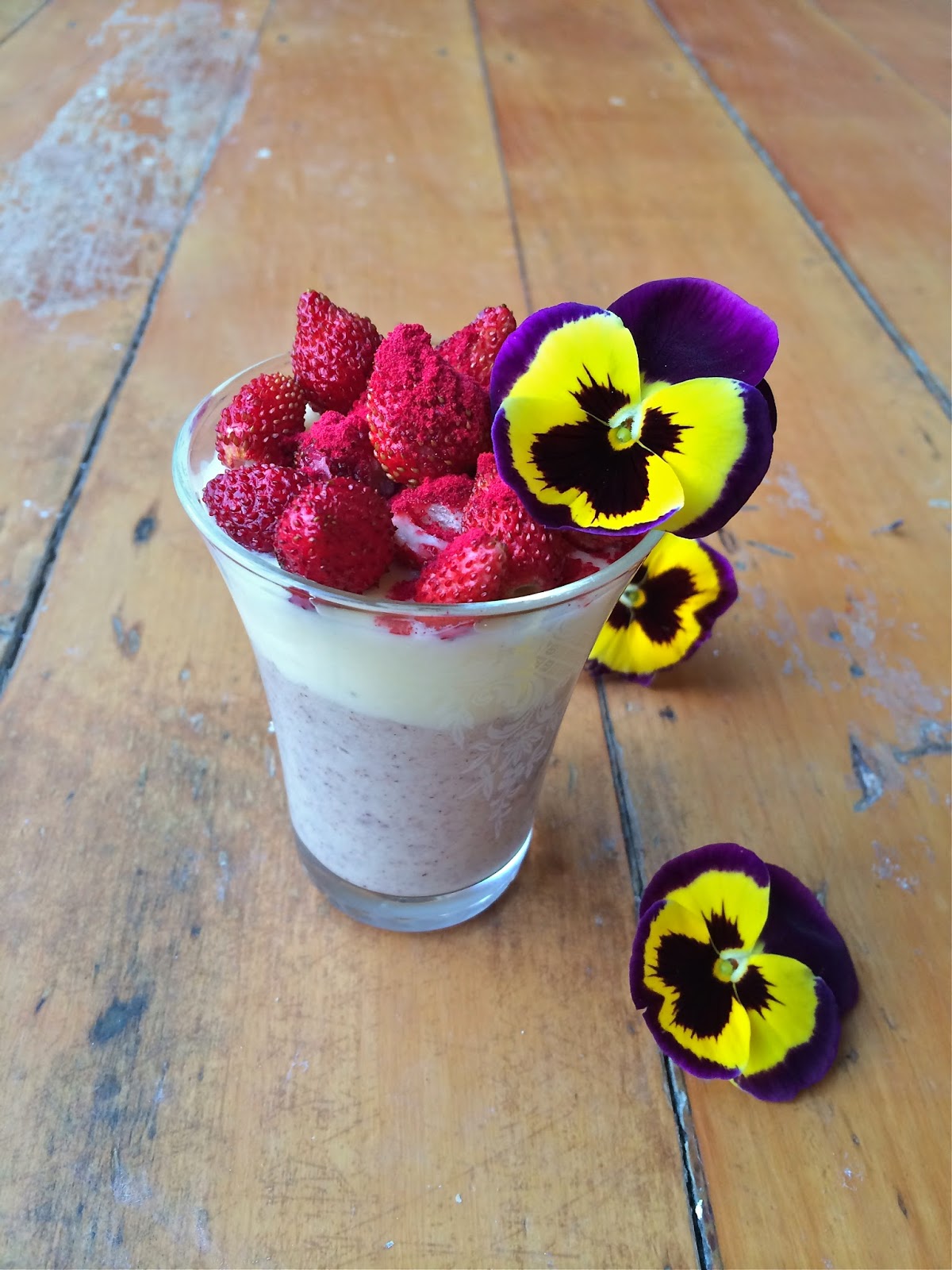
For this dessert instead I didn't use quince jelly but I just added some alpine strawberries and some Fresh As raspberry powder. For decorations I used some (edible) pansies. While the first verrines were very 'Autumn', this one was more like a 'fruits of the forest', it reminded me of foraging in the mountains in Italy for alpine strawberries, raspberries and hazelnuts. It works really well. 
But who ate what? Max got this one, and we had the other three, all delicious!


I also like to add some photos of the Transitional Christchurch Cathedral of Christchurch, better known as the Cardboard Cathedral. If you live in New Zealand you will know that the Christchurch Cathedral was significantly damaged in the 2011 earthquake. I haven't been to Chch since last August and so much is being rebuilt now (or demolished, to be rebuilt), a long job! 


 I really wanted to visit the Cardboard Cathedral, I heard so much about it and I wasn't disappointed! Usually I am not a fan of modern churches, but this is truly beautiful, and special. It was designed, for free, but Japanese architect Shigeru Ban, who works in many 'disaster' areas using materials like paper, cardboard and wood.


Why is it call Cardboard Cathedral? Yes, those 86 'tubes' which make the A-frame are cardboard (specially treated, of course). Have a look at this 2 min video to see how it was built. Well done Christchurch, and ありがとう Ban-san.


Photos and Recipes by Alessandra Zecchini ©


Sweet NZ image
This recipe is for 
Sweet New Zealand #34, the blogging event open to all Kiwi bloggers (living in NZ or overseas) and expats blogging from NZ. May's host is Sue from Couscous and Consciousness. Sue lived in Christchurch and her house was destroyed by the earthquake, so I hope that she will find the images of the Cardboard Cathedral uplifting. Visit her blog and click here to share you sweet creations with her. Also let me know if you are keen to be a host in 2014, and book a month!


Tuesday, April 5, 2011

Quince Jelly, Plum Paste and a cup of Ginger Lemon Mint tea


Quince Jelly


Living in the bush means that I don't have many fruit trees, but from time to time I am lucky enough to get fruit from friend's trees.
One of my favourite has to be quince; it looks so retro and photogenic (ok, I am talking about my dress as well!) and I love quince paste! But this year I decided to make quince jelly, just for a change.


Cut the quinces and remove the pips, add the juice of half a lemon and then place into a pot with a little water. Cook until the quinces are a soft mush. Now you will have to place this 'mass' into a jelly bag or cloth (I use a cotton pillowcase which I bought just to make jellies) and hung it overnight over a bowl to collect the juices. Drip drip drip you will collect some lovely red-orange coloured juice, but do not squeeze the bag, or the jelly will become cloudy!


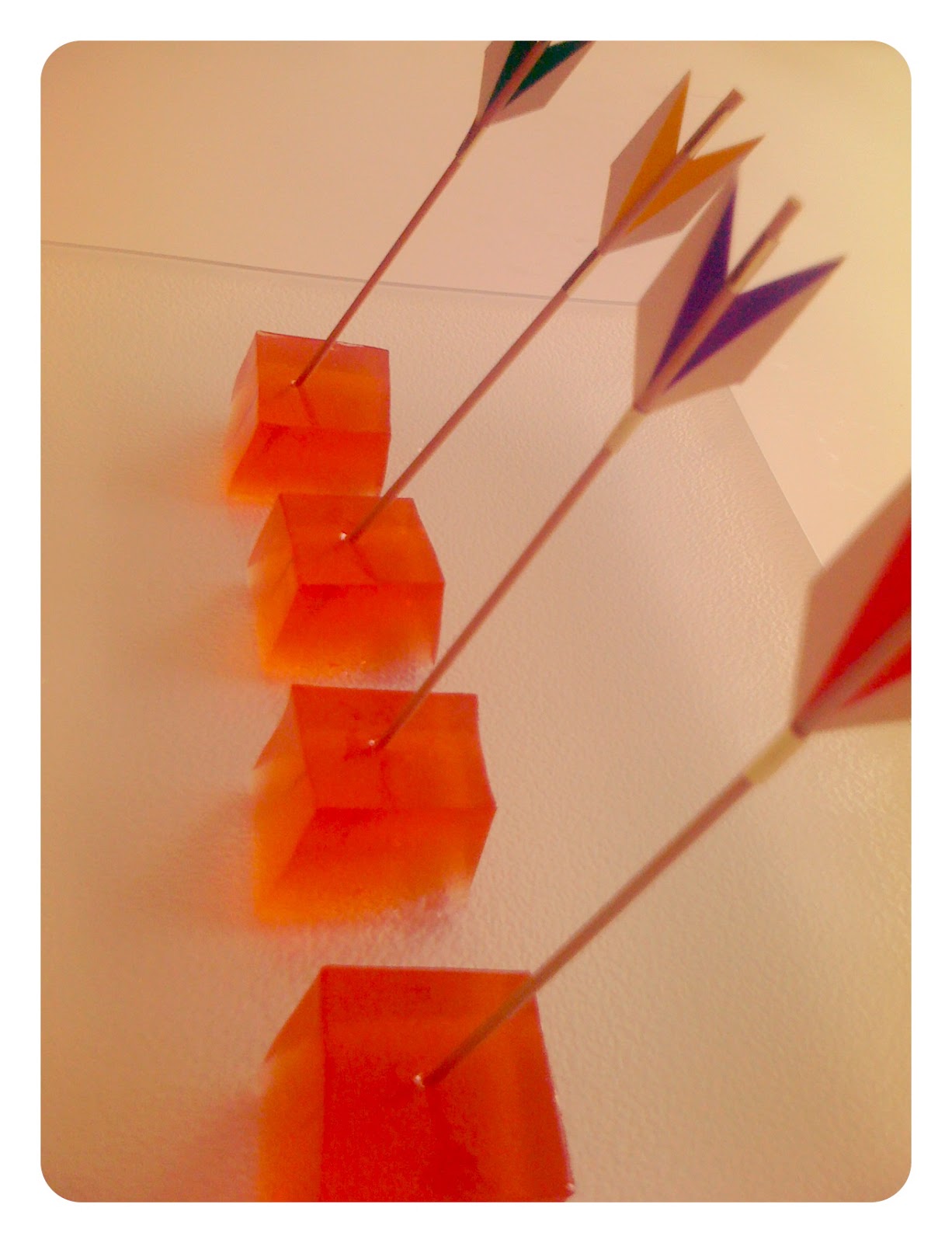
Measure the juice and add the same amount in sugar. Bring to boil and simmer for about 20 minutes. Test to see if the jelly is setting by picking up a little on a teaspoon: if it hardens when cold then the jelly is ready, otherwise boil it a little longer. Once ready pour into a rectangular container. After a few minutes skin the top (this will have all the 'scum' which rises to the surface and needs to be discarded).
Let the jelly set for a few days, then cut into cubes and serve.


Plum Paste


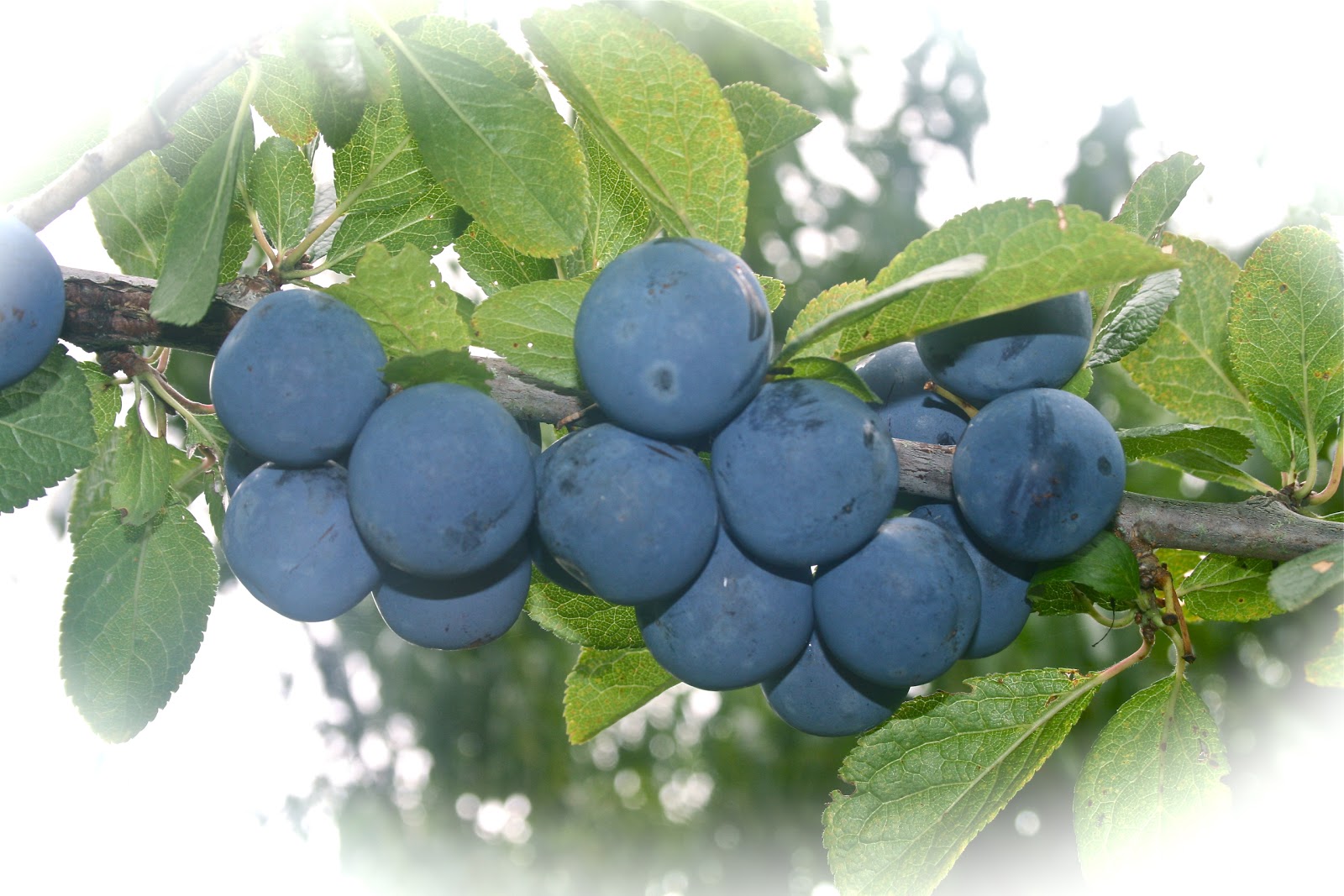
I got the plums from Arfi, when I went to her house for an Auckland food bloggers get-together.
Wash the plums and place them in a large saucepan with a little water. Bring the fruit to a gentle boil. 


Simmer the jam for about 20 minutes and then pass through a sieve, discarding the stones.
Put back into the pot and bring back to the boil.  Add the sugar (I used 60% sugar to the weight of the fruit) and stir well. Simmer until you are happy with the consistency (the more you cook it, the thicker the paste. You can also add an apple (not peeled, just chopped and pips removed) for a thicker paste. 


Place the paste into plastic containers, jelly moulds, cups... anywhere you can let it set for a few weeks. I used a silicon muffin tray.


When you need to use the paste tip it over a plate. I did this a bit too early (I couldn't wait to try it) and the top was still soft, but the longer you wait the harder it will become.


And for my cuppa: One of my favourite hot drinks: lemon, fresh ginger (peel it first) and a few mint leaves from the garden. All into the teapot, add boiling water and let it rest for 5 minutes. Serve with honey, if you like.


Photos and Recipes by Alessandra Zecchini ©

LinkWithin

Related Posts with Thumbnails