Showing posts with label Bread. Show all posts

Monday, July 26, 2021

Make your own ciabatta bread


This is my recipe for a simple yet foolproof ciabatta bread loaf, one of my favourite loaves! The recipe is straight from my book Savour (now available as an ebook from Kobo and from Barnes & Noble, and also from Amazon for Kindle), where there are many more bread recipes, and more. In the meantime enjoy this one!
  

Ciabatta 

Ingredients

300ml warm water

2 teaspoons active yeast granules

14⁄teaspoon sugar

300g high-grade flour, plus extra for dusting

pinch of salt 

Makes 1 loaf

Place the warm water in a large bowl, add the yeast and sugar and set aside for 5 minutes. When the yeast starts to bubble, add the flour and salt and work into a dough for about 5 minutes using your fingers. This dough will be too sticky to roll on the bench or table so knead it in the bowl (although it feels more like mixing). Cover the bowl with a damp tea towel and leave to rise for about 2 hours. Line a large baking tray with baking paper and turn out the risen dough onto the tray bottom-side up. The dough will be sticky so you will need to scrape it from the sides of the bowl; it is also likely to be runny – prop up the outside edges of the baking paper with a couple of small ovenproof ramekins to avoid ending up with an extremely large flat loaf (the ramekins can be filled with water to create a steam oven effect - image 1)). Dust the top of the loaf with the extra flour. Bake in a preheated 180 ̊C (350 ̊F) oven for 25–30 minutes.

 Remove the bread from the oven, wrap in a tea towel, then place in a plastic bag and seal. Leave the bread in the bag for 30 minutes so that the steam will cook it further and make it soft and deliciously chewy. If you prefer a ciabatta with a crunchy crust, eat it while it’s still warm – yum!


Tips and variations

Although some recipes add 1–2 tablespoons of olive oil to the dough, I prefer an oil-free version so I can drizzle olive oil on it when it is freshly cut and ready to eat. I also like to dip ciabatta slices in a little oil flavoured with crushed cumin seeds and salt or basil leaves.


Photos and Recipes by Alessandra Zecchini ©

Wednesday, September 18, 2019

Potato salad with Fresh As Tarragon, capers and Friarielli flowers, plus focaccia and eggplants with Fresh As herbs - plant based paradise!


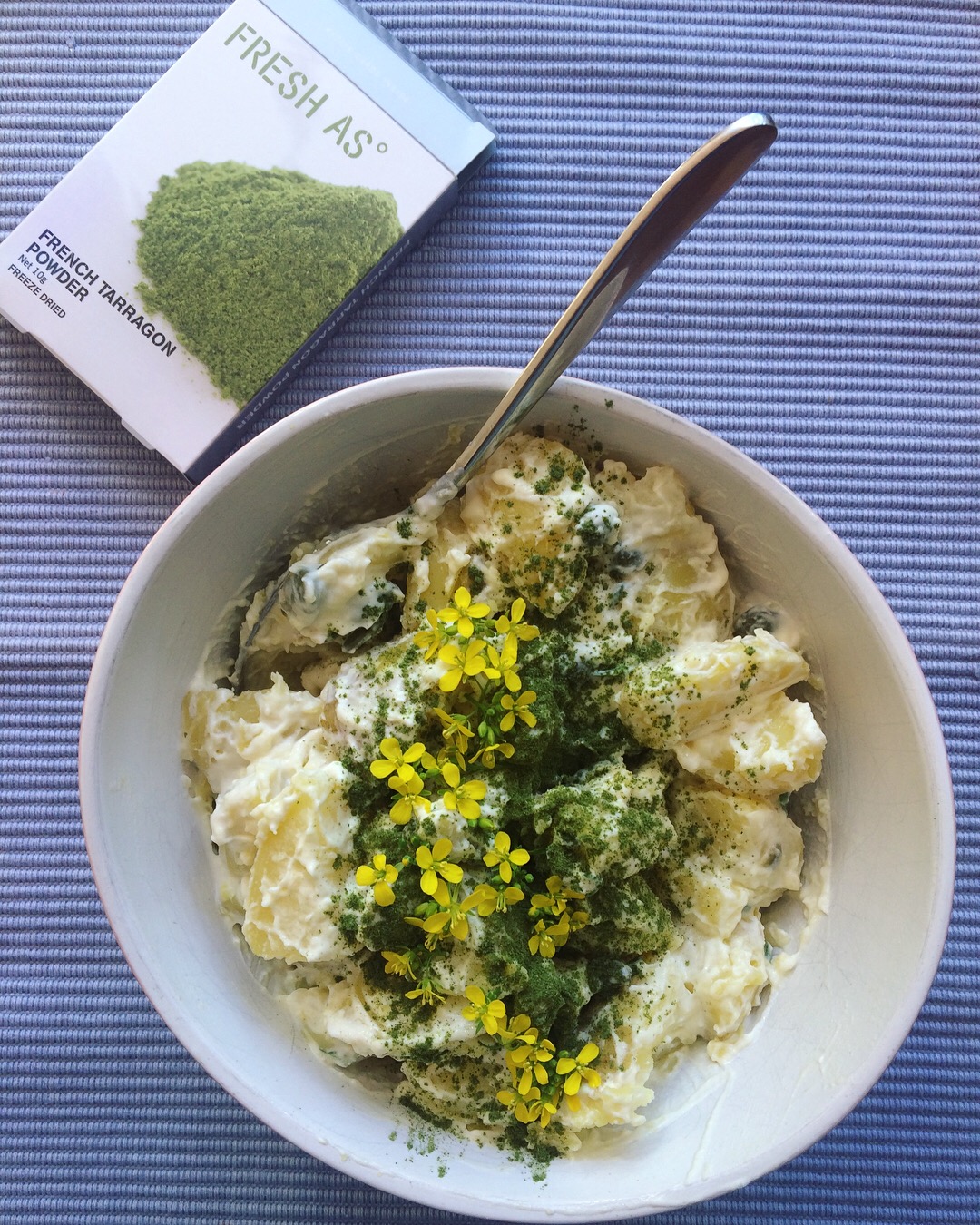
I have been trying a few freeze dried herbs from Fresh As and this potato salad is definitely a winner.

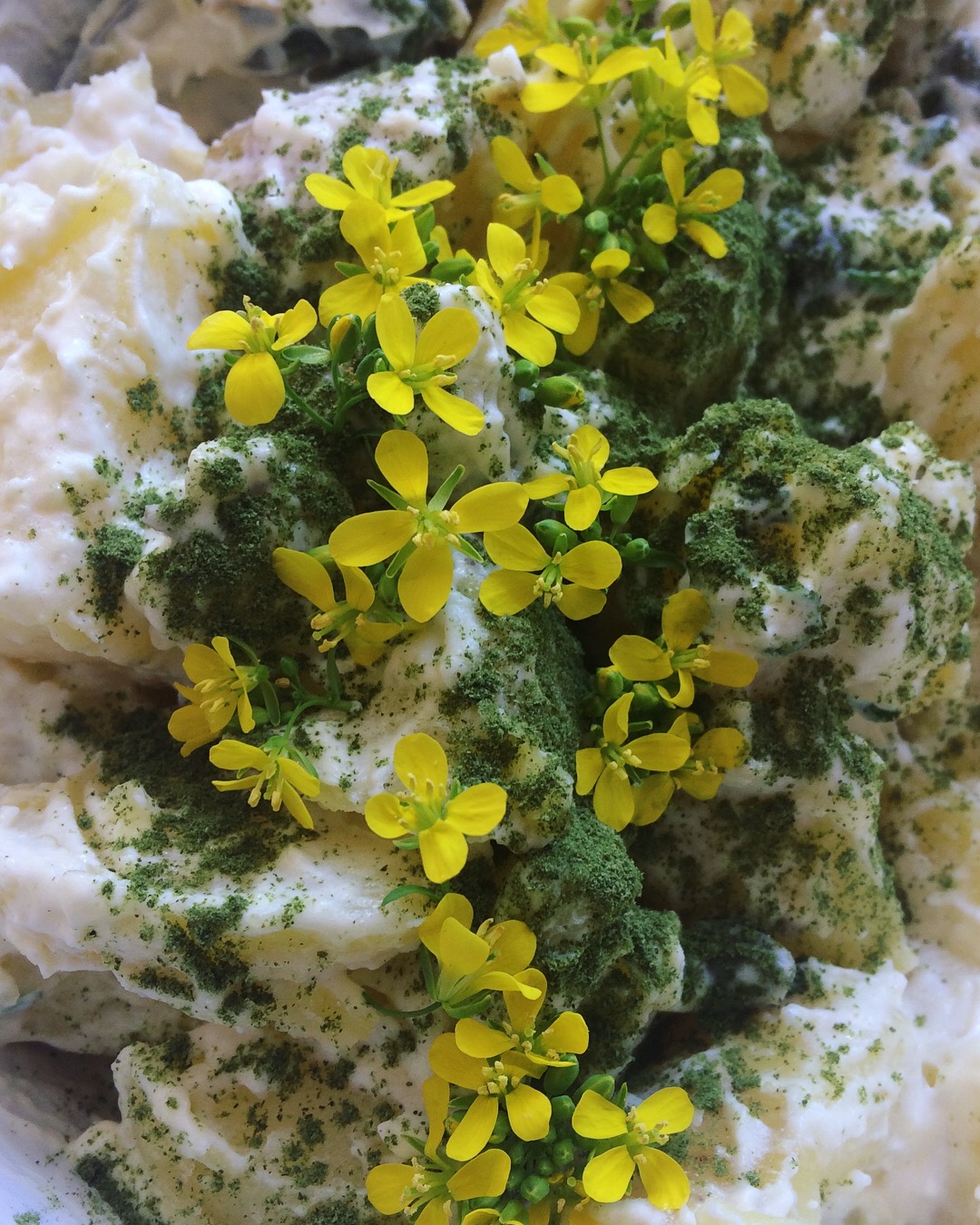
Boil the potatoes and peel, then cut and mix with vegan mayo and capers. Sprinkle with Fresh As French Tarragon. I also added some edible flowers from my friarielli (cime di rapa) plants.


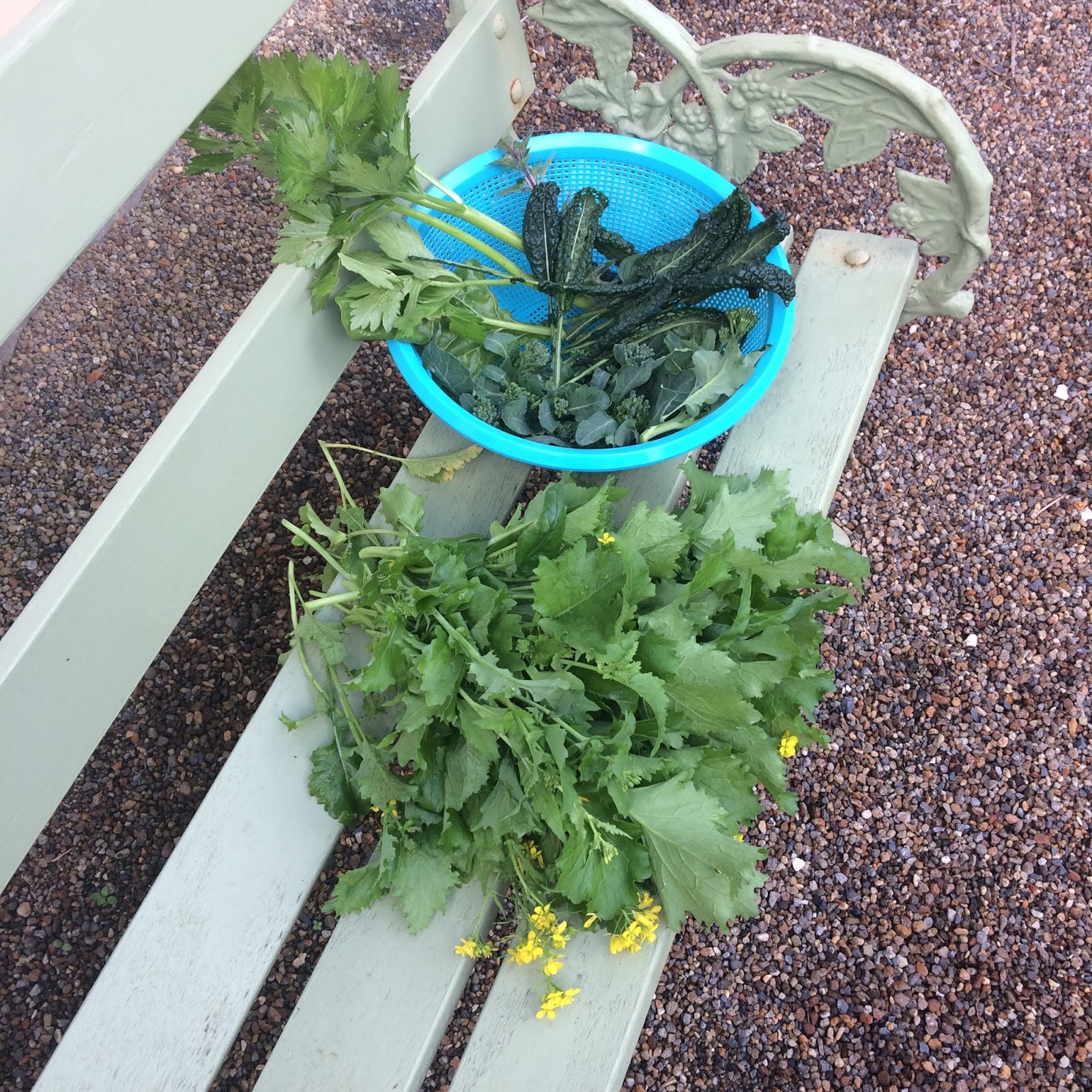
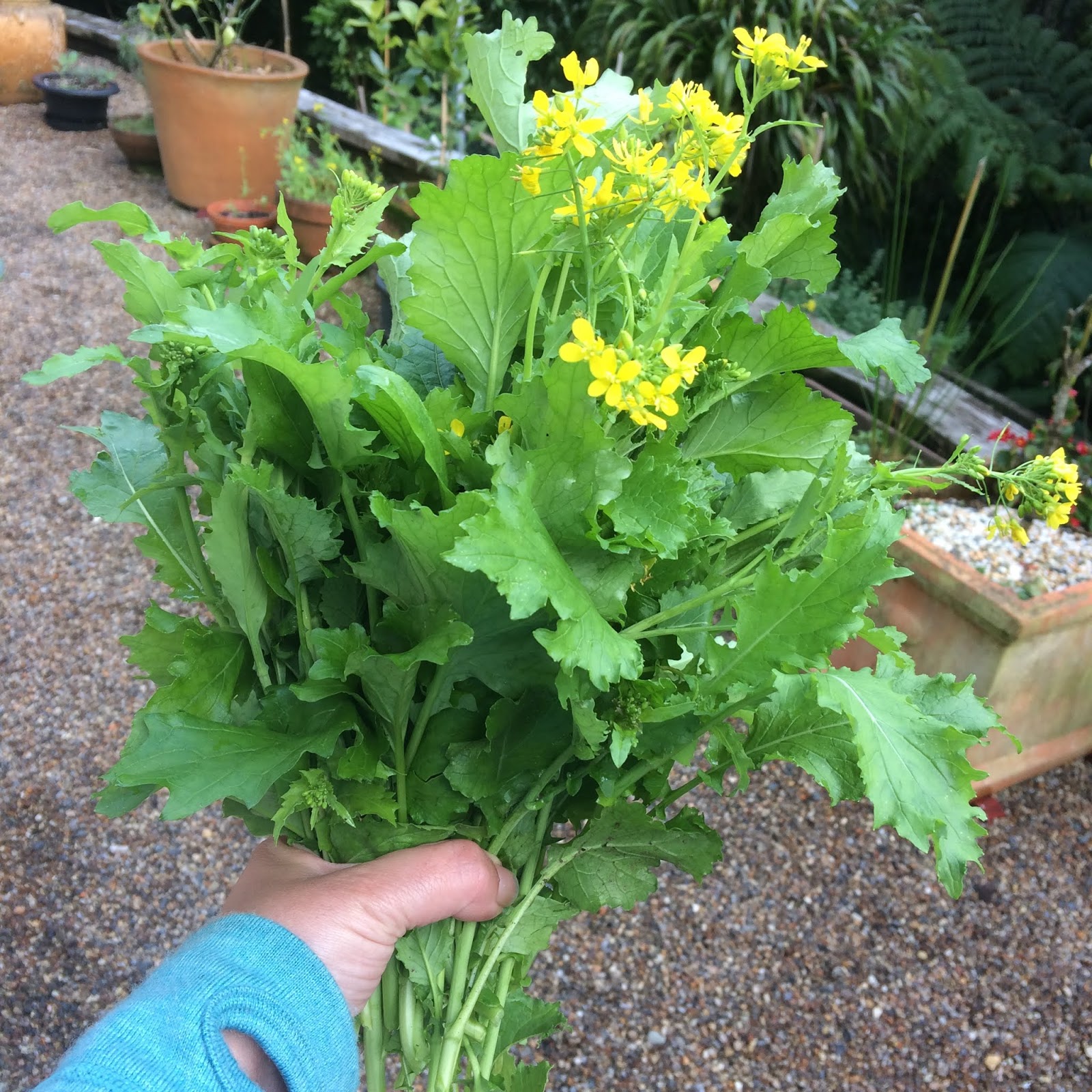
The friarielli seeds come for Italian Seeds Pronto, such a great winter crop! Eat the leaves, tips and flowers!


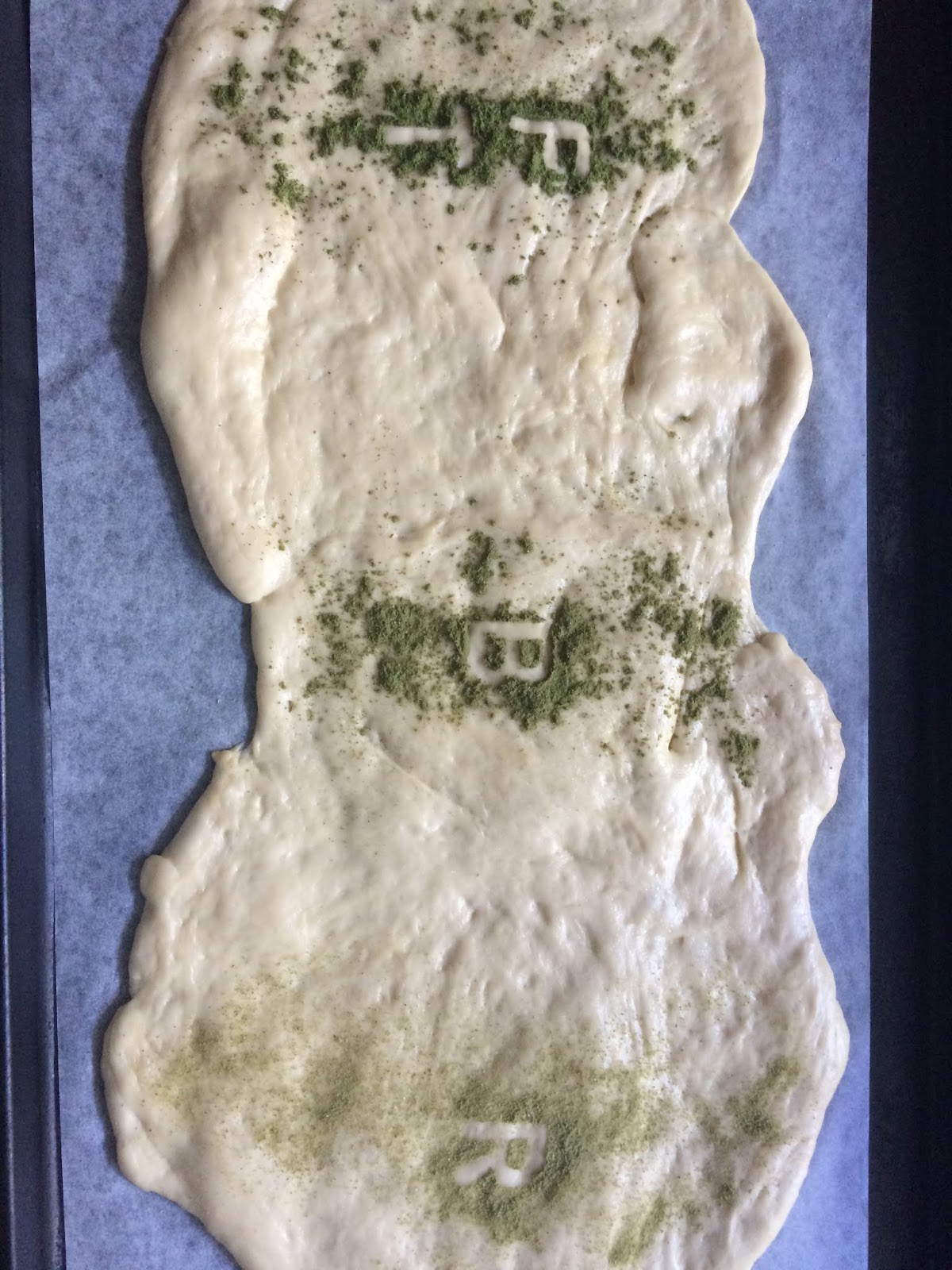
I also tried other Fresh As powders: chili, garlic, oregano, basil and rosemary (plus the French Tarragon) on focaccia. I used letter stencils before adding the powders, just to record what went where. FYI, the garlic becomes orange after baking.


Delicious, and also pretty in a bread basket!


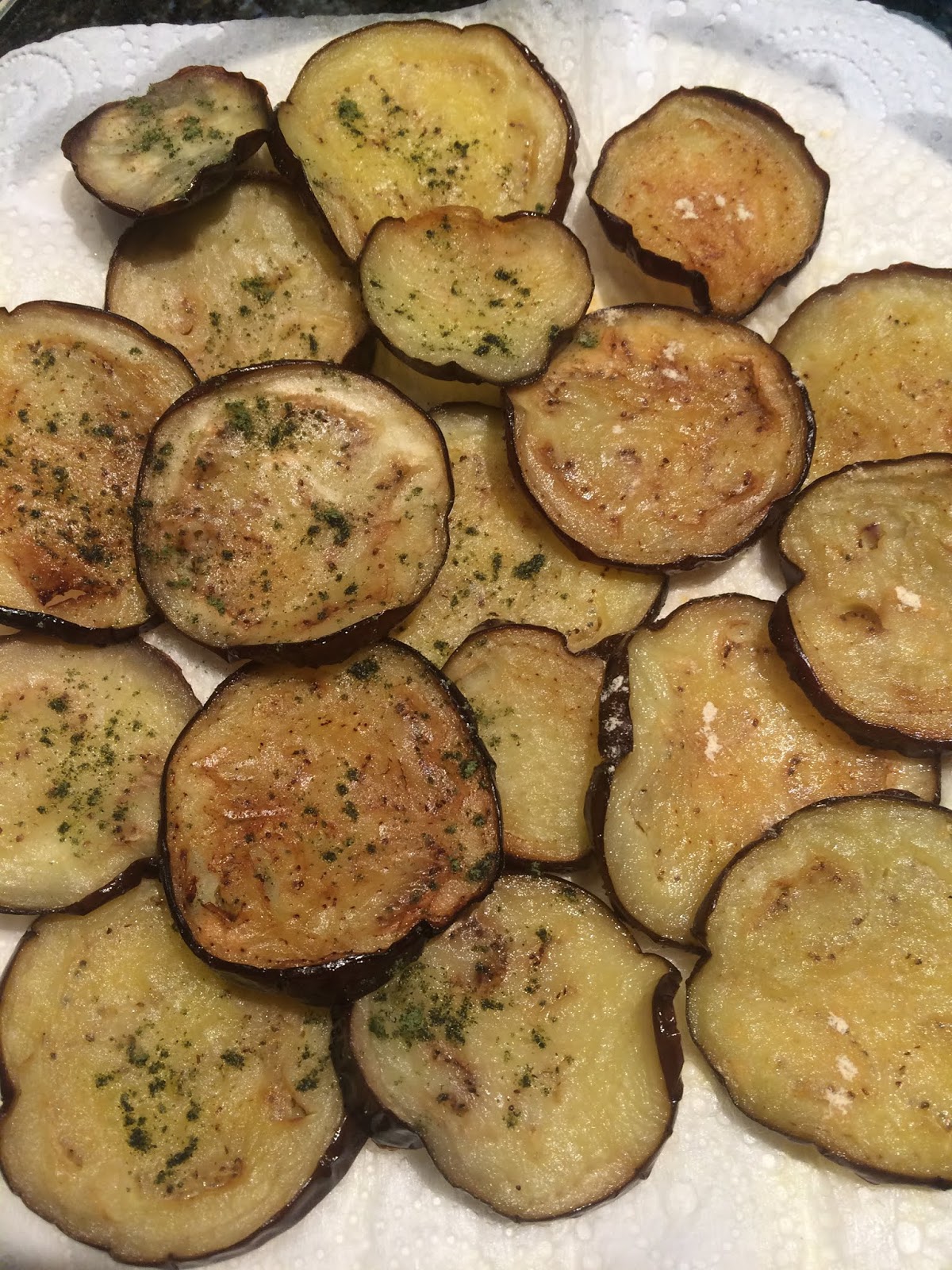
And on some fried eggplants (added after frying, with salt).


 Photos and Recipes by Alessandra Zecchini ©

Monday, April 16, 2018

Schiacciata con pomodorini - cherry tomato schiacciata


 This schiacciata is easy as it doesn't need muck kneading.

For the schiacciata:
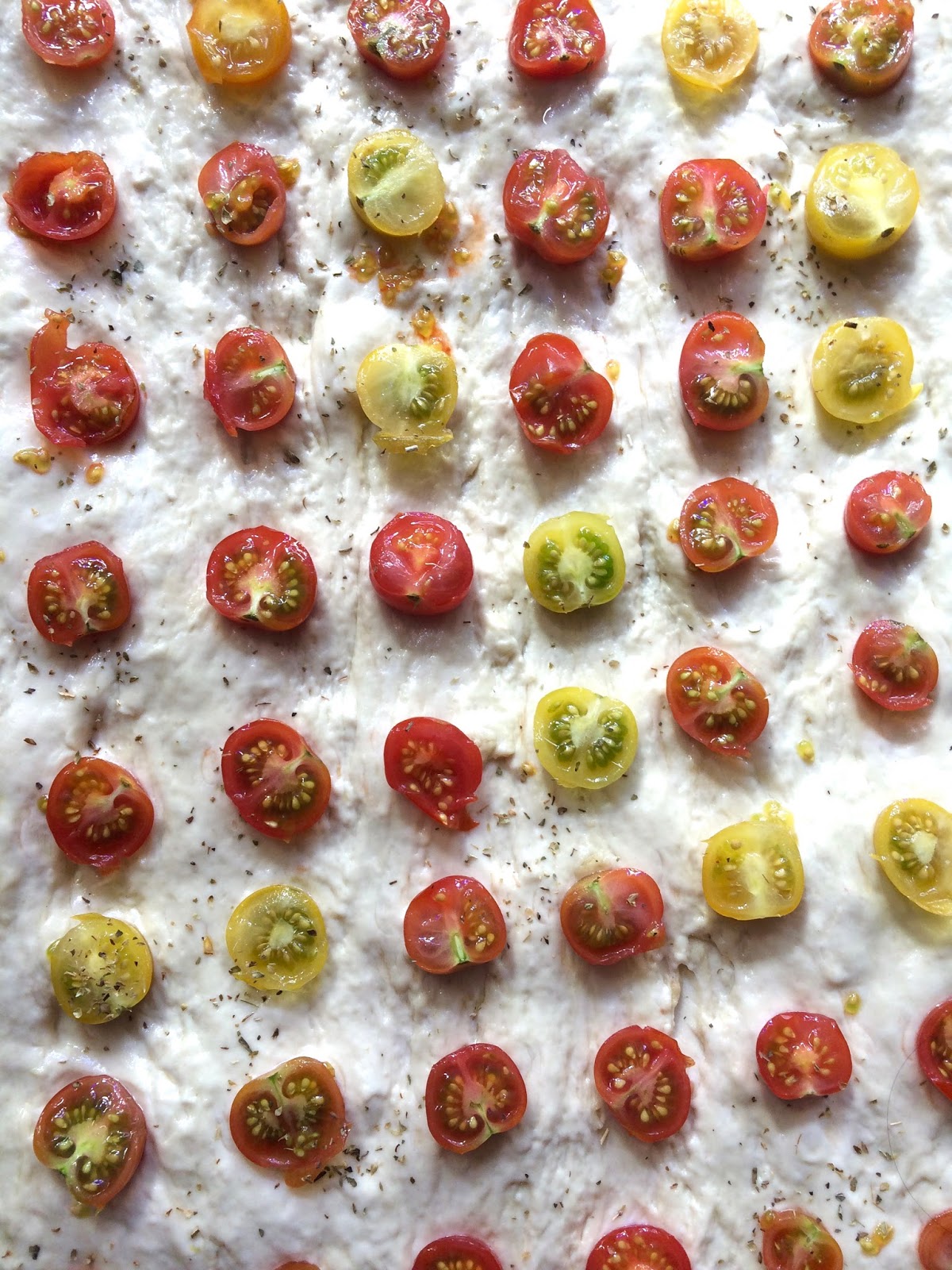
Place 300 ml warm water in a large mixing bowl, add 2 tsp active yeast granules and 1/4 tsp raw sugar. Wait 5 minutes then add 500 g high grade flour and 1 tbsp wheat gluten flour, plus a good pinch of salt. Mix well then dust with four, cover with cling film and let it rise for 2 hours. After 2 hours place a little olive oil on your hands and then gently mix the dough, pick it up and place it on a baking sheet cut so that it will fit you over tray (I have a 90cm oven so one long tray is good for me, for a standard oven divide the dough into two pieces). Roll the dough to cover the baking paper and then place on the baking tray. Brush with more oil if you like, then cut the cherry tomatoes into halves and place over the down, pressing them down lightly. Sprinkle with salt and oregano (chopped garlic too if you like).


Bake in a pre-heated oven at 200° C for approximately 20-25 minutes, or until you can see that the bread is baked on top and on the bottom (lift to check). Eaten warm is fantastic, but it keeps well for a couple of days, or at least, it would, but we tend to eat it pretty quickly! 


Photos and Recipes by Alessandra Zecchini ©

Monday, May 23, 2016

Bread stuffed cabbage leaves, step by step


Cabbages are cheap and healthy, and when I buy one I can cook with it for a family of four for three days! Usually I start with cabbage rolls, to use the larger leaves, and these can be done in a zillion ways! There is another  good Vegan recipe here, but today for the filling I used stale bread. But first thing first:

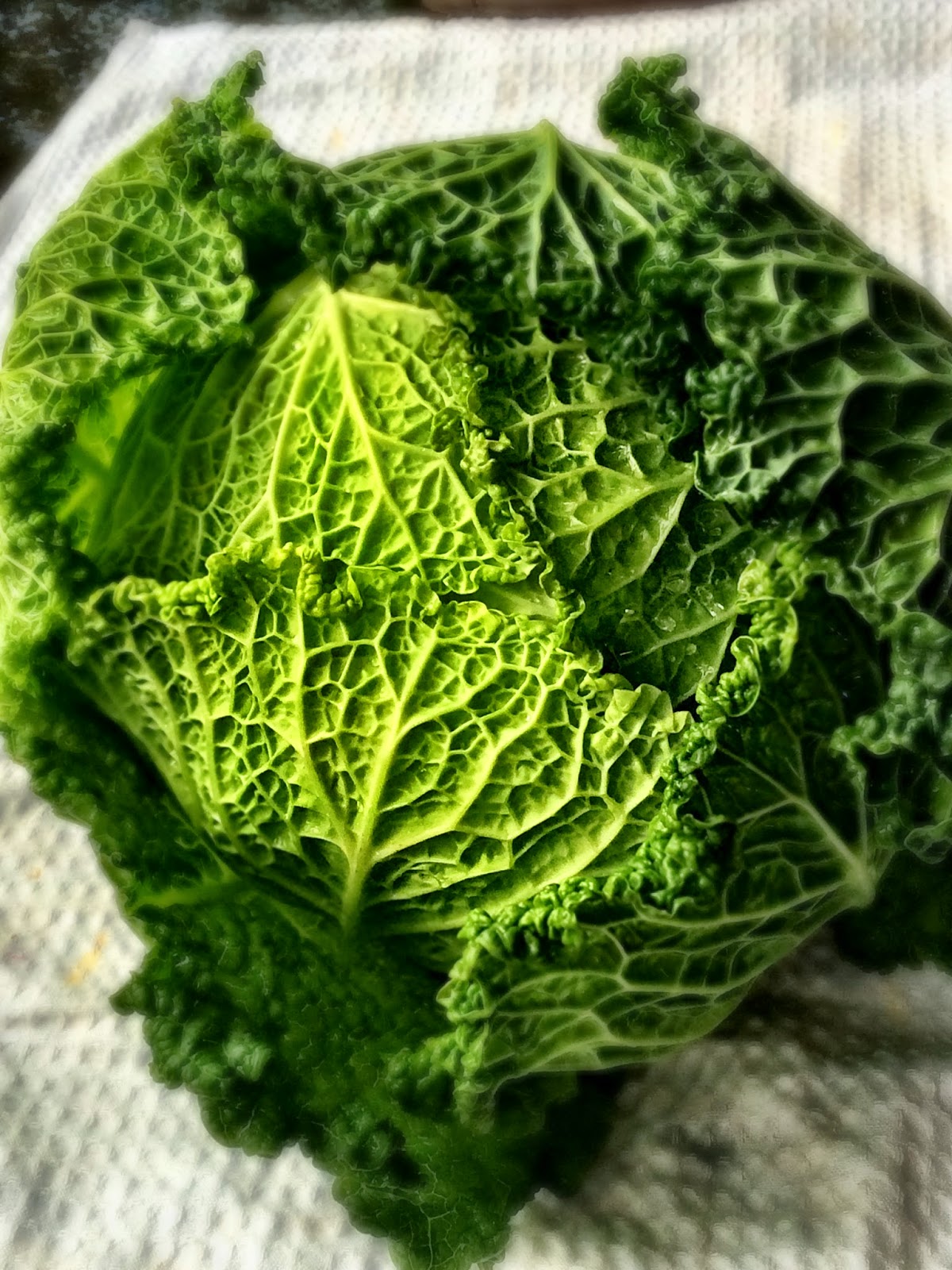
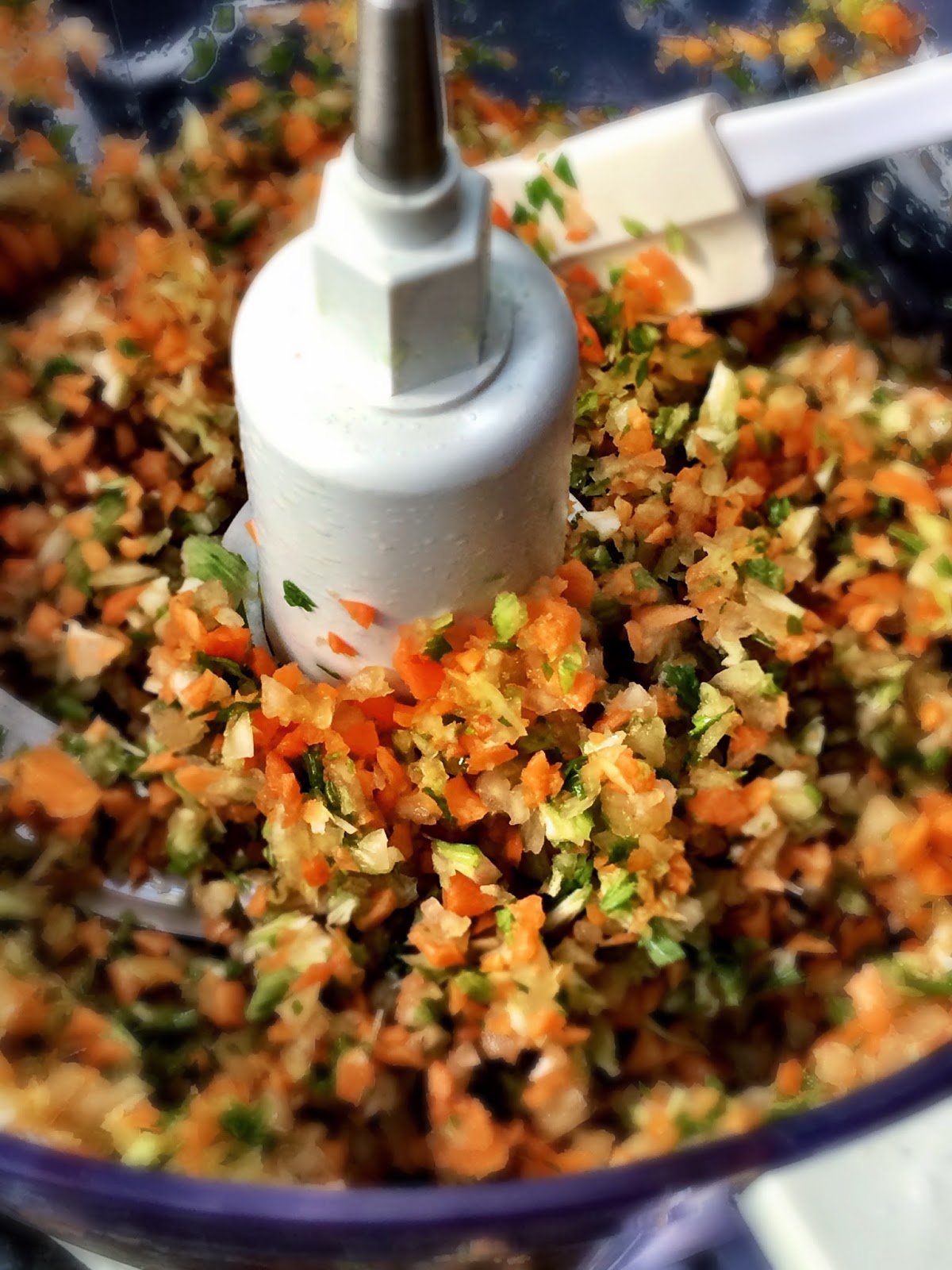
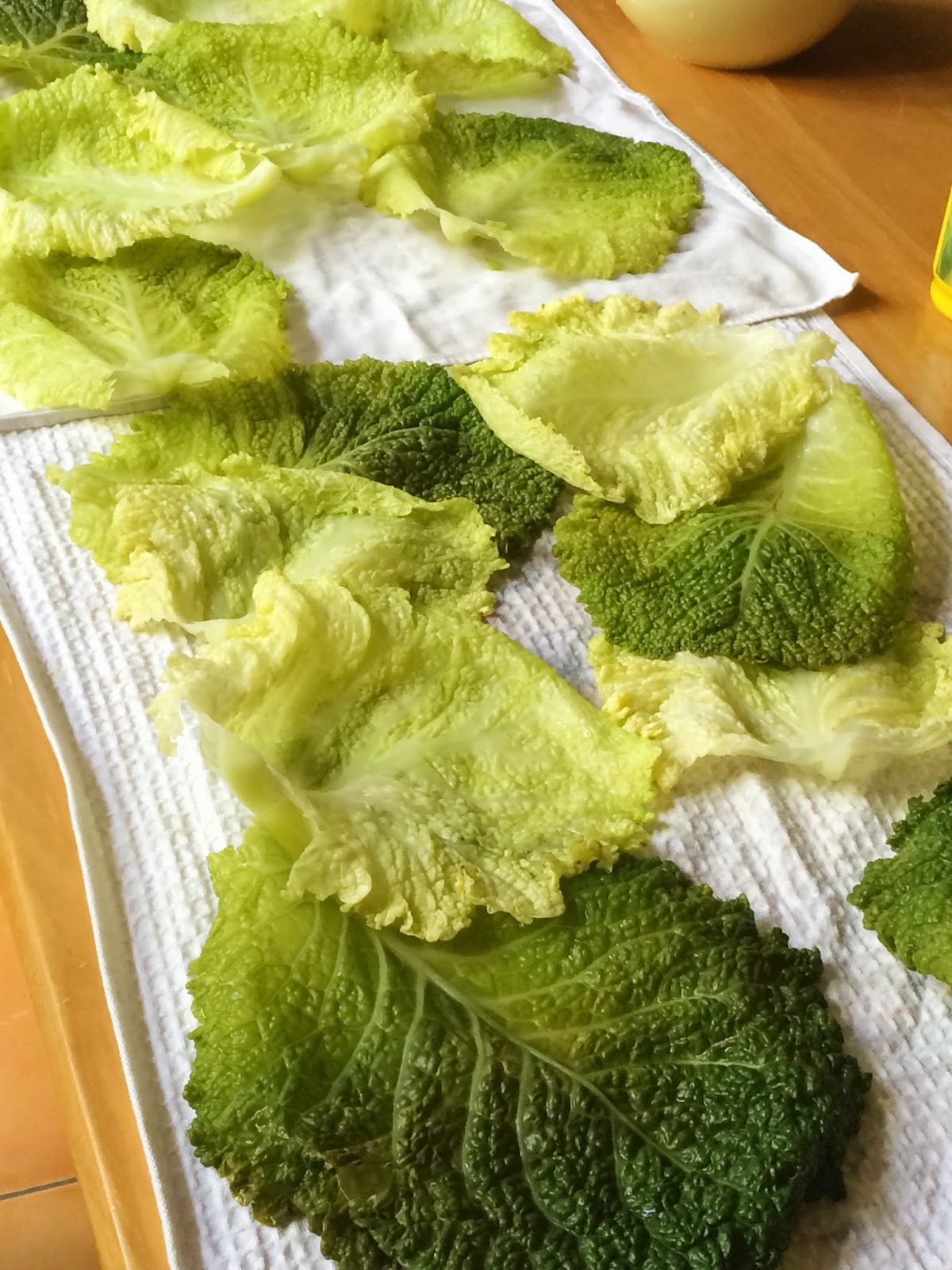
Wash the cabbage leaves (the bigger outer leaves, about 15, and steam or boil until soft but not too soft! In the meantime put one onion, one carrot, two celery sticks with leaves and a little parsley in the food processor and mince.


Heat two tbsp of olive oil in a pan and sauté the vegetables, stirring often, for 10 minutes.


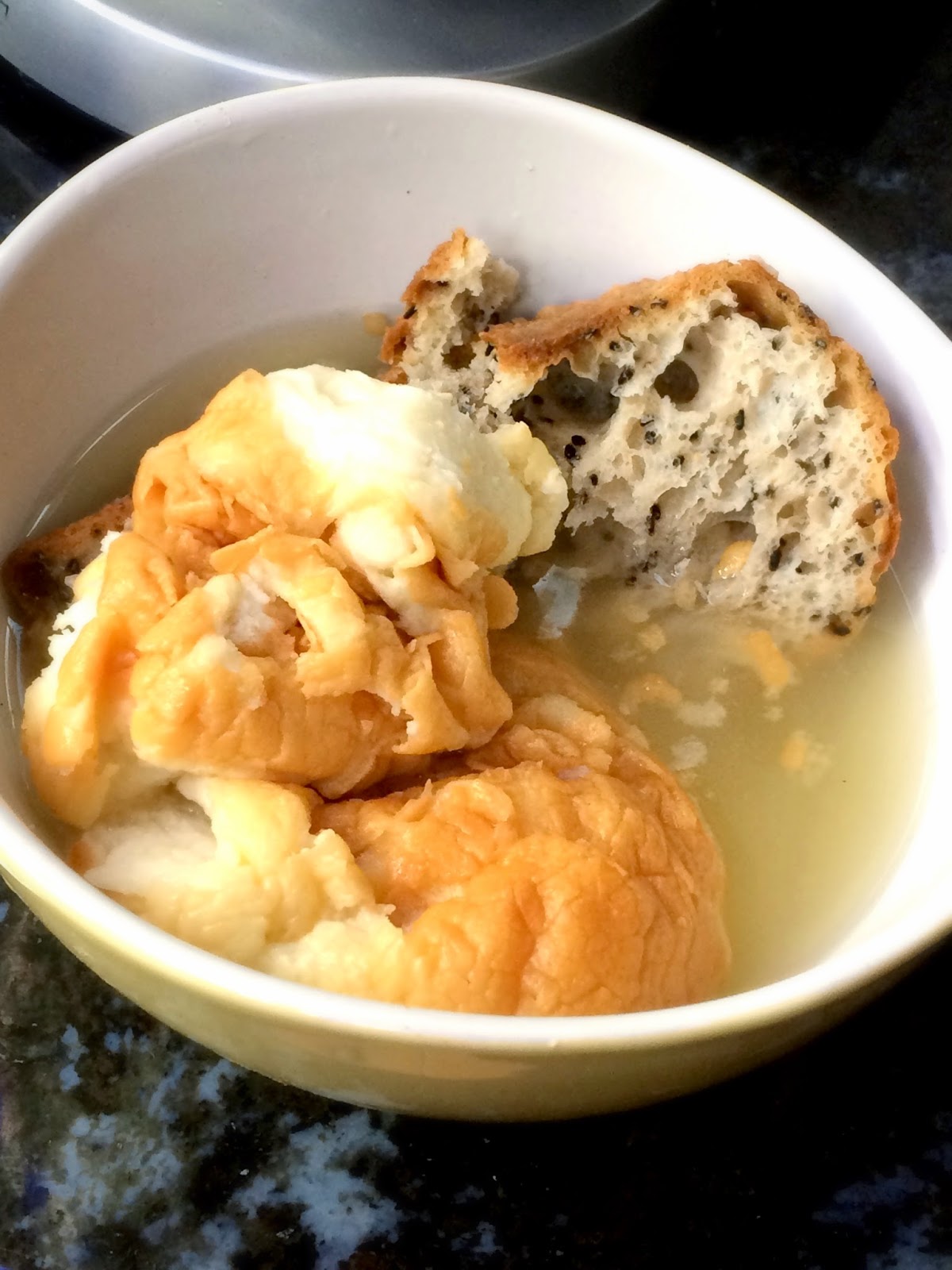
Soak some old bread in water, doesn't matter what kind of bread, I had two white bread rolls and some seed sourdough, so I used those. 


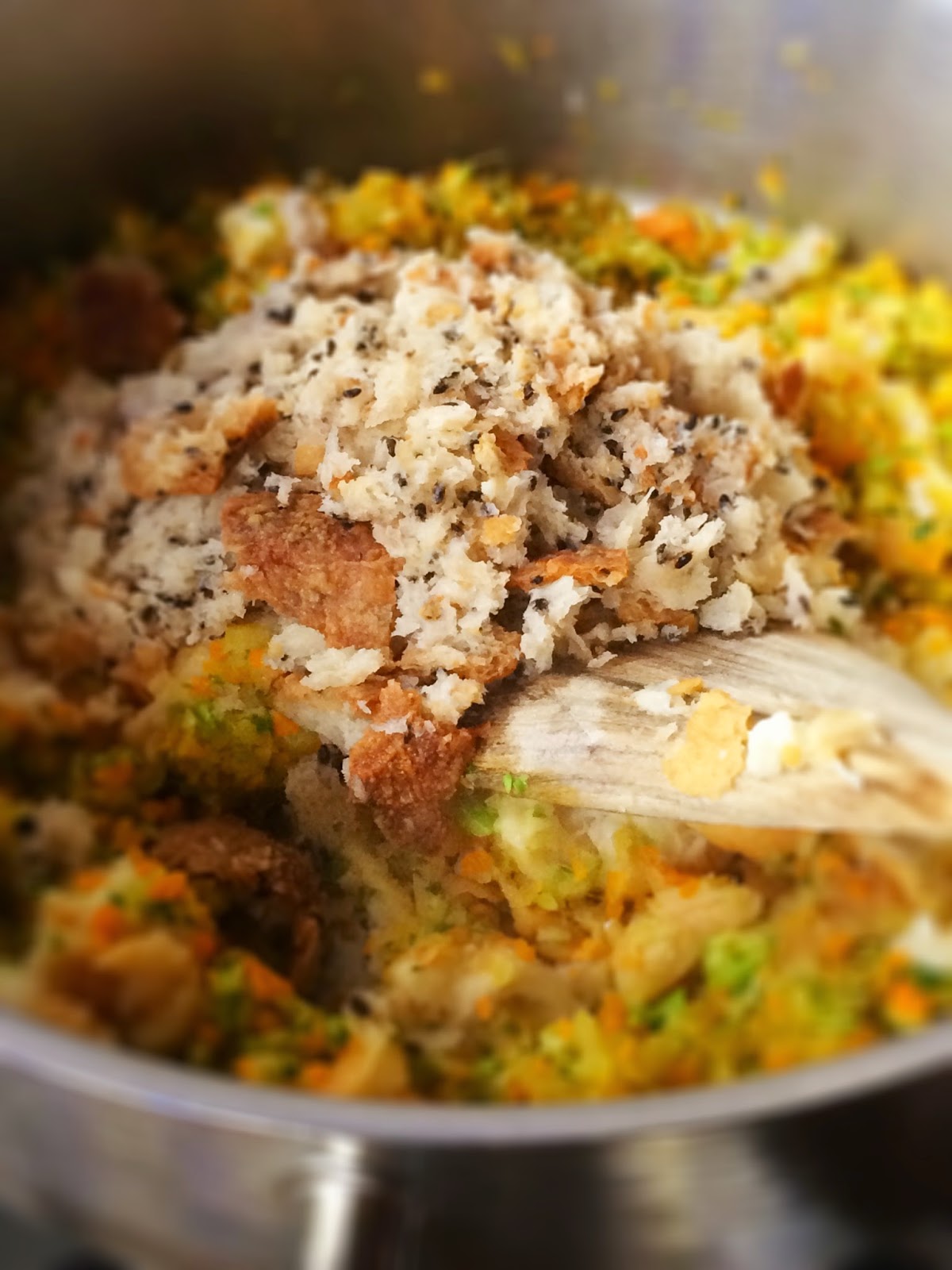
Squeeze the water out of the bread and crumble it into the pot with the cooking vegetables. Add a little vegetable stock if necessary and cook everything for about 15 minutes. Stir often and make sure that the mixture is quite thick and not too watery or runny. Adjust with salt and pepper (I quite like to use smoked salt here).


Spread the cooked cabbage leaves on clean tea towels.


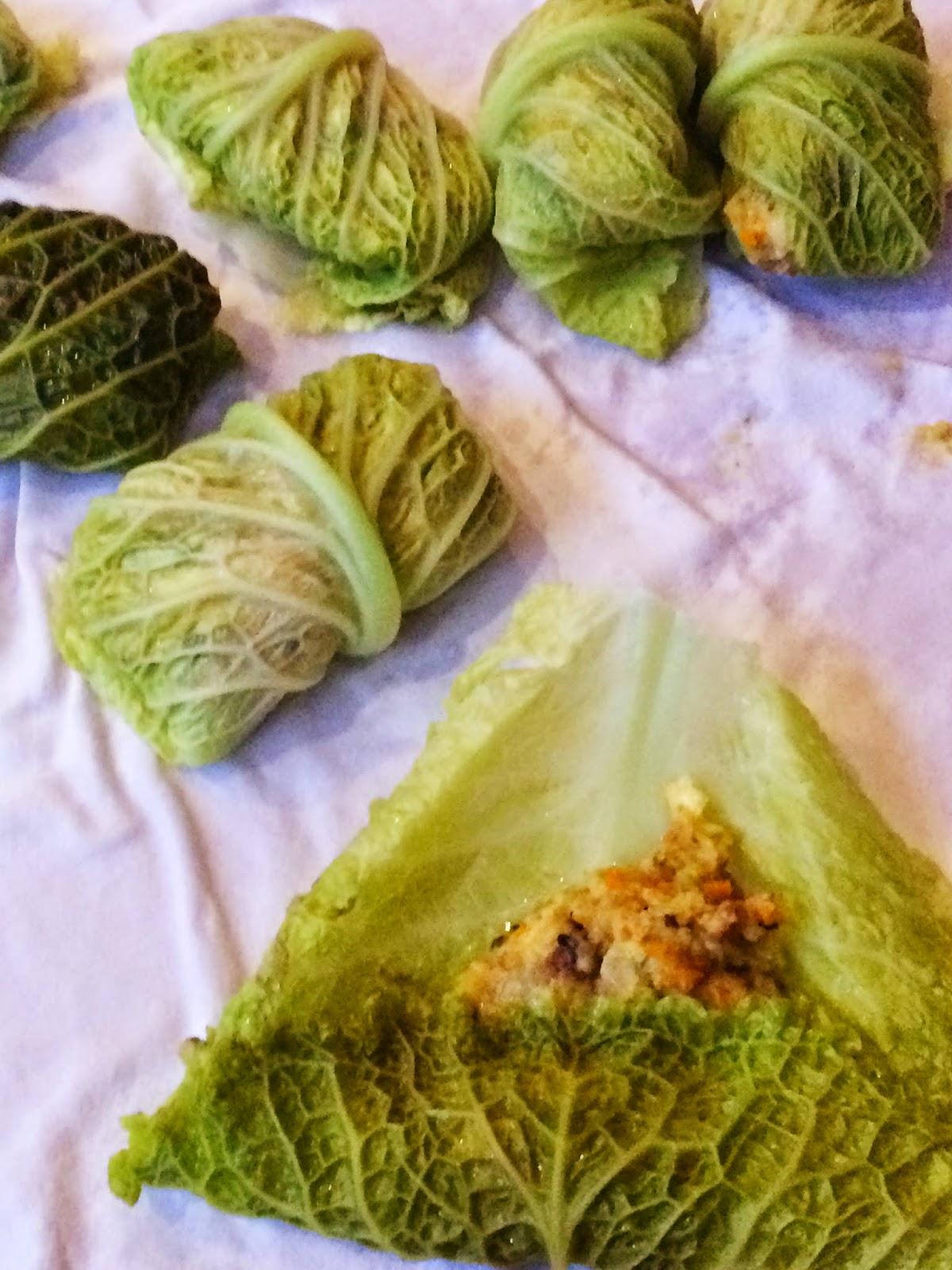
Divide the vegetable and bread mixture between the leaves.


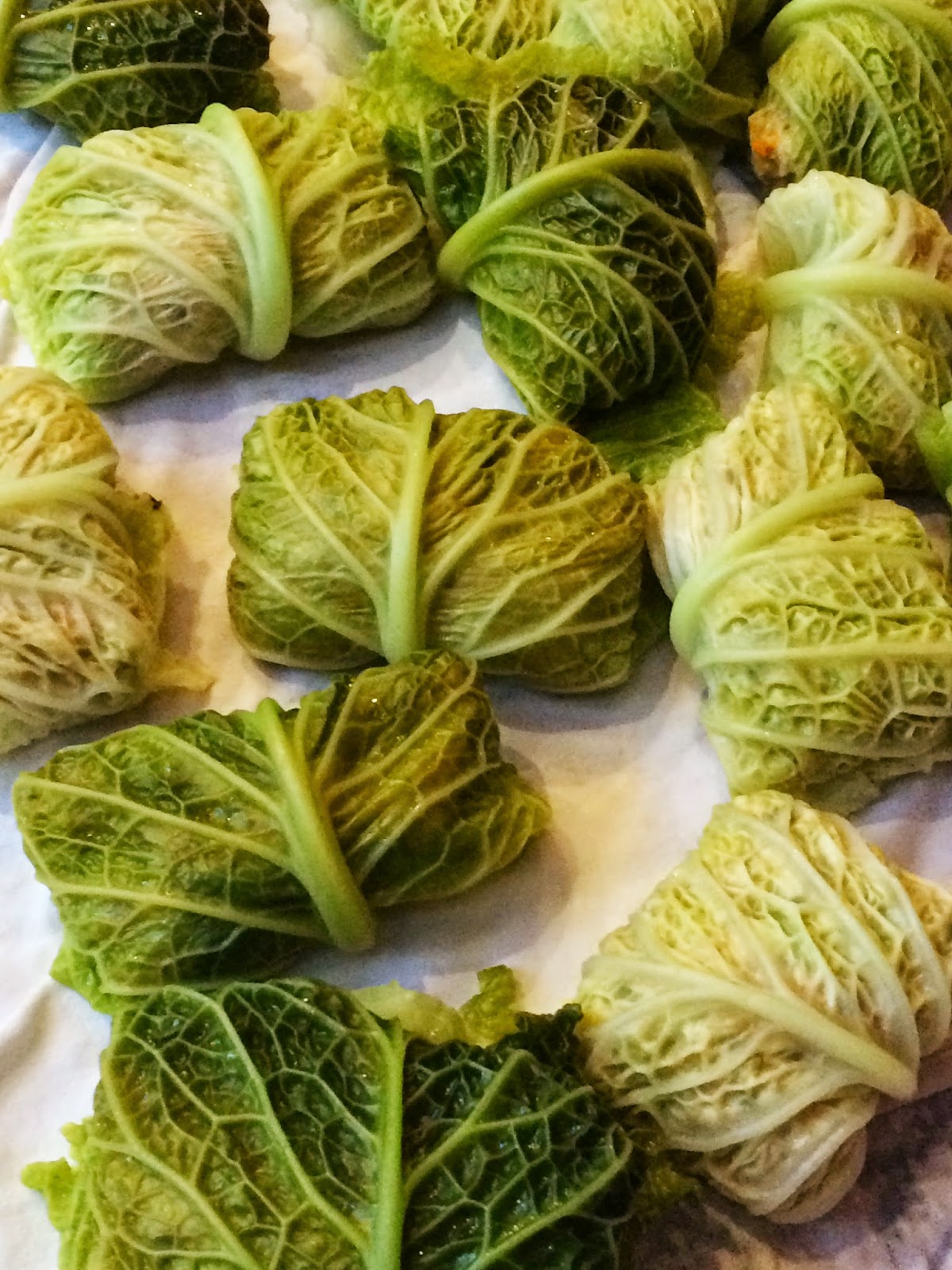
Roll up the leaves.


They look so pretty!!


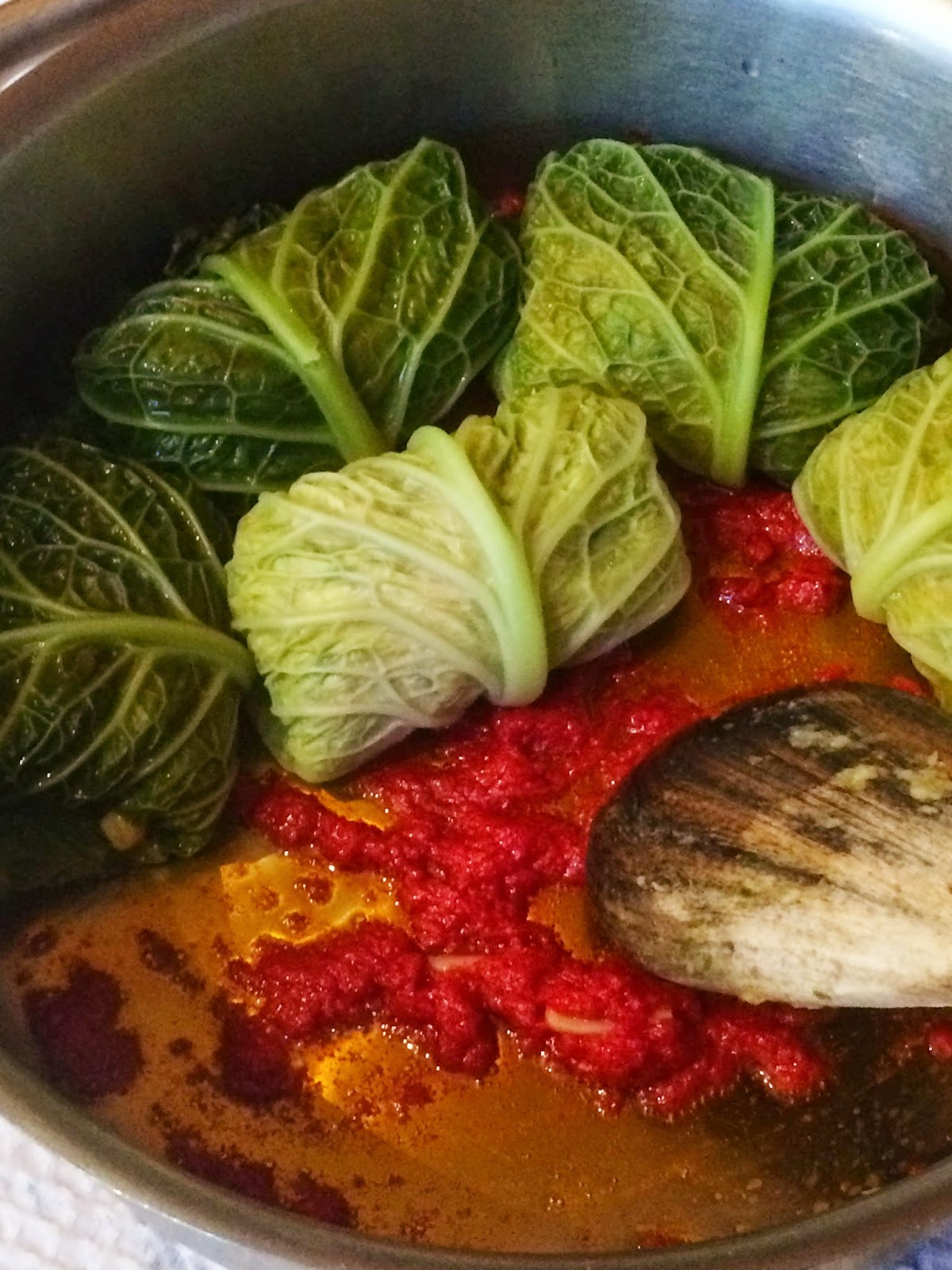
In a capable pan heat some olive oil (about 3-4 tbsp) and sizzle a couple of garlic cloves and 1 heap tbsp of tomato puree.


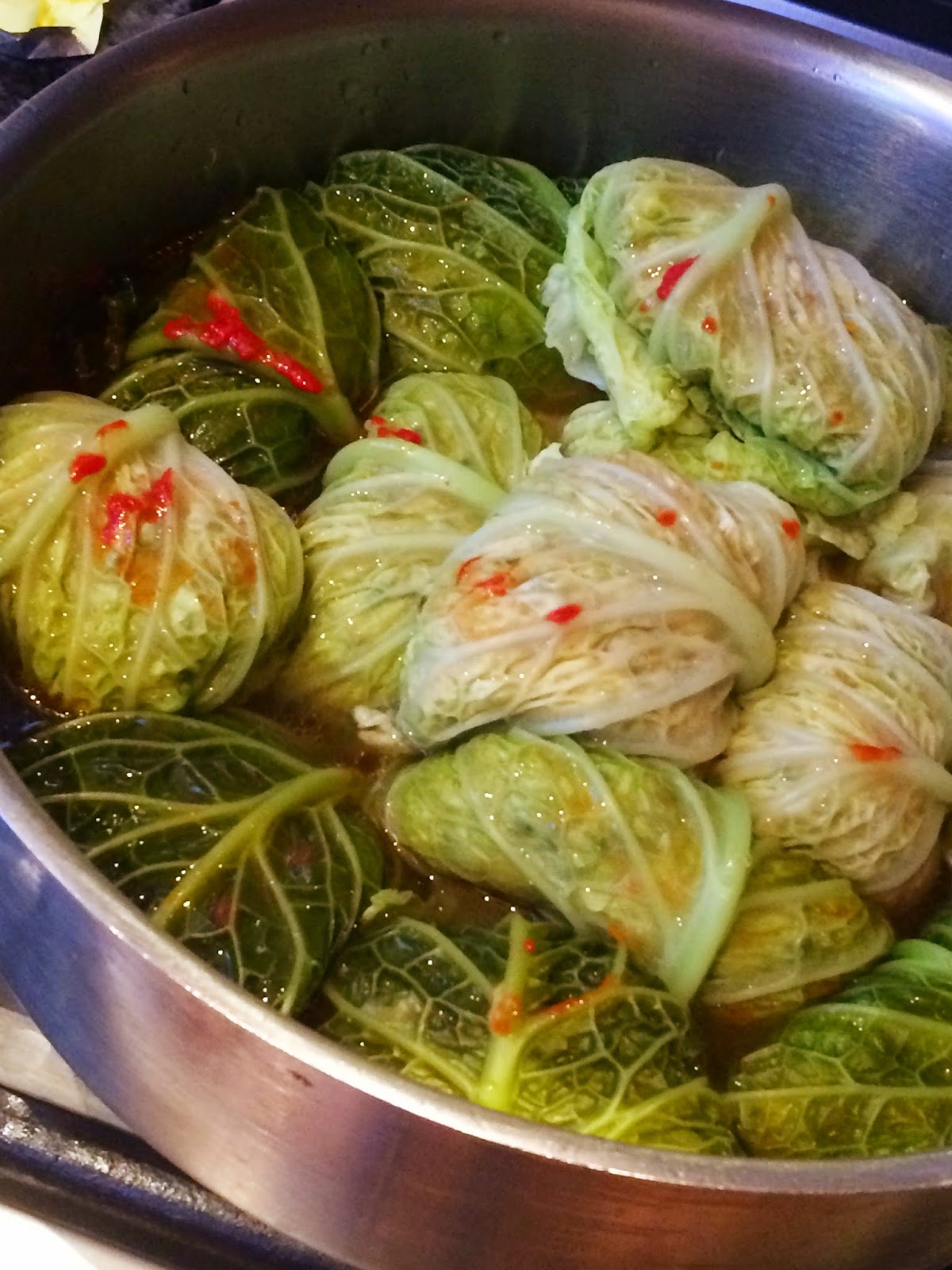
Pack the cabbage rolls in the pot tightly,


 if there is not enough space put some on top, during cooking they will 'reduce' and you will be able to move them down into a single layer.


Add about half a litre of vegetable stock, cover and simmer on low for about 40 minutes.


Serve hot (I had mine on polenta!)


The leftovers rolls and sauce I wrapped in filo pastry and made a pie for the second day, and on the third day I still had the centre of the cabbage to use (quite a lot in fact, I had it after a few days though, for variety) for a Vegan Cabbage Bolognese Sauce.

Photos and Recipes by Alessandra Zecchini ©

Saturday, August 24, 2013

Rye Bread


Rye Bread

Ingredients:
300 ml warm water
2 tsp active yeast granules
1/2 tsp brown sugar
300 g rye flour
200 g high grade flour
1 tsp salt
1 tbsp molasses
1 tsp caraway seeds

Place the warm water in a large bowl, add the yeast and brown sugar then set aside for 5 minutes. When the yeast starts to bubble, add both kinds of flour, salt, molasses and caraway seeds. Work into a dough for about 10 minutes using your fingers; it will be quite sticky so knead it in the bowl. Shape into a ball, sprinkle it with rye flour and leave to rise in the bowl, covered with a damp tea towel, for about 2 hours. Punch the dough and knead it for 1 minute. Form into an oval shape (this time I made it into a long loaf instead), sprinkle with more rye flour and place on a baking tray lined with baking paper. Leave the dough to rise for 1 1/2 hours. Bake in a preheated 230°C oven for approximately 30 minutes or until the loaf makes a hollow sound when tapped on the bottom.

Photos and Recipes by Alessandra Zecchini ©

Monday, May 14, 2012

No knead flat bread with seeds (sesame and cumin)


My motto is "when in doubt bake some bread!" Not cake but bread, my kids like bread over cakes, which is good, since I like it too! This is easy, a mixture between flat bread and focaccia really: place 300 ml warm water in a large mixing bowl, add 2 tsp active yeast granules and 1/4 tsp raw sugar. Wait 5 minutes then add 400 g high grade flour and 1 tbsp wheat gluten flour, plus a good pinch of salt. Mix with one hand (sticky!), then dust with four, cover with cling film and let it rise for 2 hours. After 2 hours flour your hands and then pick up the dough and divide into two pieces which you will pull to make two long loaves (like in the picture). 


Place the loaves on a long baking tray (I have a 90 cm oven) or make 4 smaller loaves if you have a regular oven. brush with olive oil and sprinkle with salt and then with seeds. I used sesame seeds on one loaf and cumin seeds on the other one. Bake in a pre-heated oven at 200° C for approximately 20-25 minutes, or until you can see that the bread is baked on top and on the bottom (lift to check). Eaten warm is fantastic, but it keeps well for a couple of days, or at least, it would, but we tend to eat it pretty quickly! The kids prefer the cumin seeds, and so do I actually, but it is nice to have the sesame seeds too, once the cumin seeds is all gone!


Photos and Recipes by Alessandra Zecchini ©

Thursday, March 29, 2012

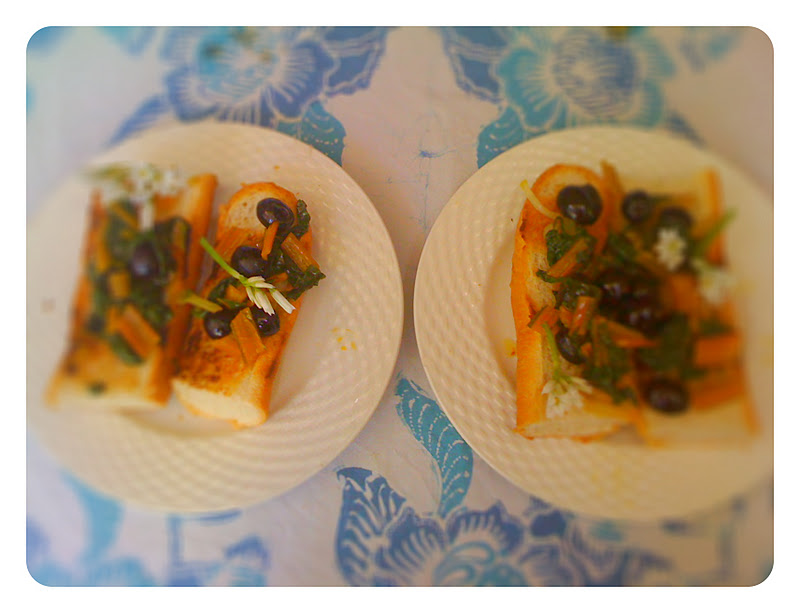
Swiss Chard bruschetta


My Swiss chard/silverbeet is not big enough to be picked, but I was working in the veggie garden and I broke one entire little plant by mistake. Well, I cut it right back, and maybe it will grow again. I sauté the leaves with olive oil, some onion weed (again) and a few black olives. A pinch of salt and pepper and some grilled bread for bruschetta, and lunch for two was ready, maybe unplanned, but ready!


Photos and Recipes by Alessandra Zecchini ©

Sunday, June 19, 2011

My daily bread: Pane


I rarely measure doses for bread now. I just put a little yeast in warm water with a pinch of sugar, wait for 5 minutes and then add flour and a pinch of salt. Sometimes I feel like making soft bread, or ciabatta, so I add less flour. Other times I feel like thick country bread, and add more flour. I am never fussed, mostly I just follow my instinct with bread now, maybe because I have done it so many times, and in so many different ways.

Pane is always good! Do you bake your own bread?


Photos and Recipes by Alessandra Zecchini ©


Saturday, June 18, 2011

Gnocco Fritto, Fried Bread from my village in Italy


Gnocco fritto is a fried bread they make in Emilia Romagna. The gnocco fritto form my village is particularly nice, sometimes I think that this is because it is high in the mountains, and the water is better... but on the other hand it could just be that my memory of it is better.


My husband feel in love with gnocco fritto the first time he visited my village, and my kids love it too (of course, it is utterly delicious!!!): if it was for them we would have it every week! Instead I try to limit fried food, and so I just make it 3-4 times per year. For the dough I just use my pizza dough recipe (but I don't really check on quantities). I just use flour, water, salt and yeast. Let the dough rise for a couple of hours before rolling it out.


Roll out the dough


I like the round gnocco fritto, so I cut it with a bowl (and the centre with a smaller bowl).


I used rice bran oil for frying.


Then I fry the centre holes, the kids love them!!!


The rest I cut into squares.


Photos by Alessandra Zecchini and Aranxta Zecchini Dowling©