Showing posts with label Umeboshi. Show all posts

Wednesday, February 4, 2015

Sushi in a bowl - Chirashi-zushi


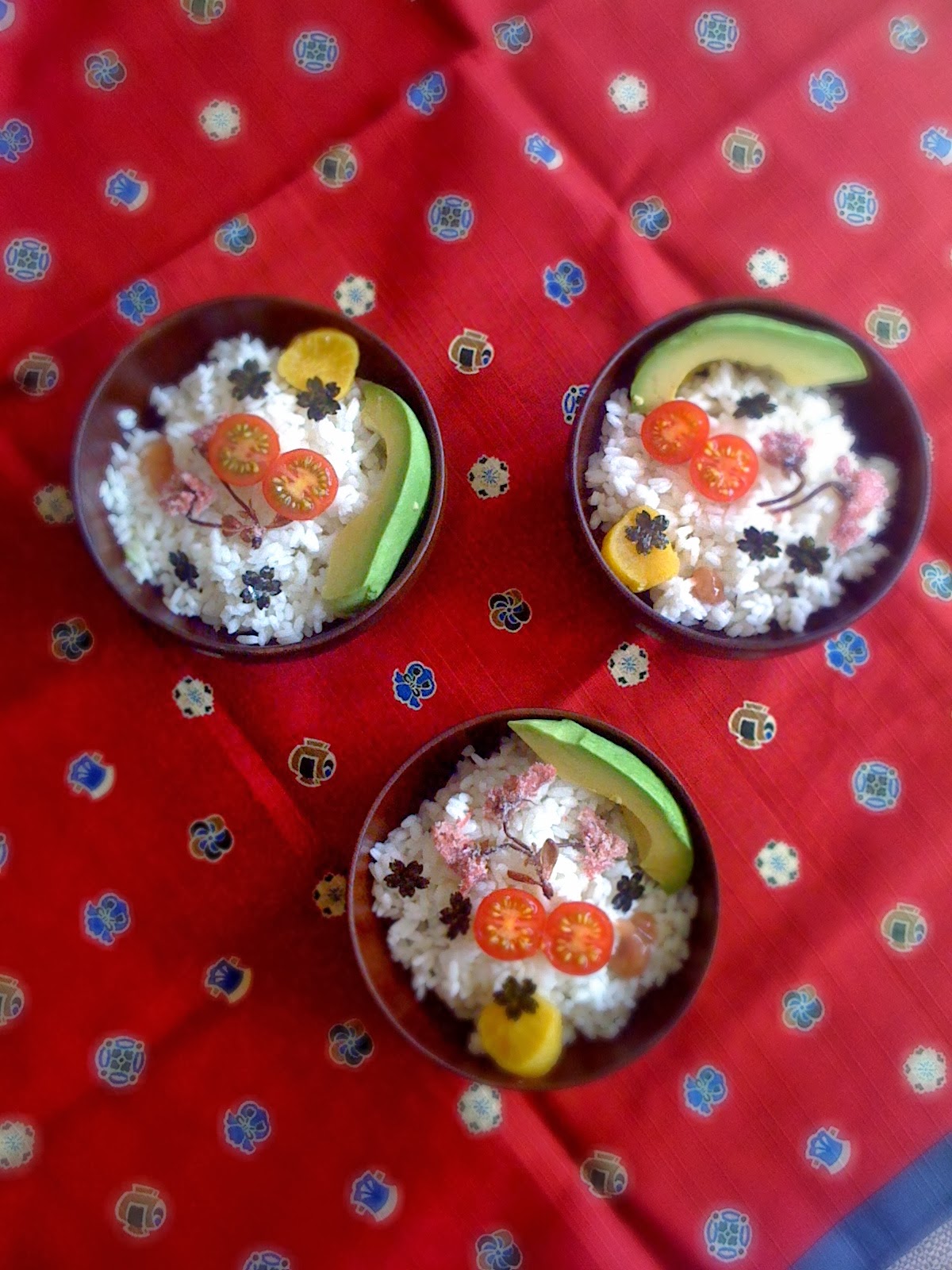
I like chirashi-zushi, sushi in a bowl, a part form the fact that you save time, it also looks pretty. For topping you can add what you fancy, here I have avocado, salted sakura (cherry blossoms), nori (cut with a craft puncher) takuan (Pickled daikon), cherry tomatoes and ume paste (I use wasabi but the kids wanted ume…). A perfect light lunch for summer!

Sushi rice

Wash the sushi rice (or Japanese rice) several times in cold water, until the water runs clear, and then cook it by absorption. The doses are about 1 and 3/4 (three quarters) cups of sushi rice for 2 cups of water, but that depends on the type of pot. You need a pot with a good lid, or you will loose too much steam. I kind of regulate myself by ear now, since I know my pots and pans. Bring the pot to boiling point, lower the heat and simmer until all the water has been absorbed. Once the rice is ready pour it into a bowl and stir it with a wooden spatula, cooling it with a fan if you can. I then add some ready made sushi vinegar, about 2 tablespoons, but this is my personal taste. If I don't have sushi vinegar I use 2 tbsp of rice vinegar, a little sugar and a little salt (to taste, and I don't like to use too much sugar or salt!). Spoon the rice in a bowl and add your topping. Serve with soy sauce and wasabi on the side, like for rolled sushi.


Photos and recipes by Alessandra Zecchini ©

Wednesday, April 16, 2014

Ochazuke, Japanese comfort food


When I was teaching Italian in Japan I once asked my students to tell me what was the typical Japanese dish they had for dinner, one answered ochazuke, and everybody laughed! Ochazuke meant that you lived alone, or your mum/wife was out for the night and you couldn't cook. Or that you run out of money! For homework they had to write a description of Ochazuke (in Italian) and the week after they came with their recipes and, most surprising for me, they all brought a sachet of flavoring for ochazuke, for me to try. The basic idea is to use leftover plain rice and top it with hot green tea, and then some toppings (and these where the sachets, a bit like furikake, but with green tea added, so that you just needed hot water). Most of the students in that class were young and lived by themselves, thus the need of quick comfort food, and they always had left over rice, and possibly a sachet of seasoning. I got to love ochazuke, but rather than seasoning from a sachet I use some chopped-up nori, some wasabi or ume plum, salted sakura flowers, dried shiso... anything I have at hand really, and then some green tea. 


Photos and recipes by Alessandra Zecchini ©

Wednesday, February 6, 2013

Japanese dinner: the last course, rice and eggplant and tofu miso soup


These are the final dishes of my Vegan Japanese dinner. For those of you who missed some 'episodes', the antipasto was raw avocado sashimi, and the main Fried tofu puffs simmered in vegetable broth, and by clicking here you can find the side vegetables, Broccoli and cauliflowers with easy miso sauce, and Quick Japanese Cucumber and Radish Pickles.

So, how do you finish a Japanese meal? Usually with soup and rice (dessert is optional really, a little seasonal fruit is preferred, like in this Autumn meal, where the fruit was persimmon, this fancy Japanese picnic basket, with mandarins - they are easy to carry, or this Summer meal, where dessert was... berries). 

But not fruit tonight, we just finished with rice and soup. Rice is served at the end to fill  the stomach, and diners eat what they need according to their body mass (this, I was told by a Ryokan chef in Kyoto, Nami, is it true?). By the time I served the rice and soup the light was gone, so apologies for the bad photos. Also, I had to hurry before the soup got cold! The rice is short grain and needs to be rinsed a few times, and then cooked by absorption. Usually I don't add salt to it. When ready I just put a umeboshi (pickled plum) on top, something usually done for breakfast in Japan, but I don't eat rice for breakfast so I use my umeboshi for lunch or dinner :-). And for the miso soup? Well, I like all types, but miso with eggplant is my favourite!


Miso soup with eggplant, tofu and onion weed

First you have to go back for a moment to the Fried tofu puffs simmered in vegetable broth, I used some light vegetable stock to cook the tofu puffs, and the leftover broth after draining the tofu was the base for my miso soup. Then I cut two long eggplants into six pieces each. I took the stock back to simmering point and I added the eggplants and four small cubes of Japanese freeze dried tofu (available in Japanese shops - but I have Japanese friends who send it to me by post regularly. Thank you Hideko and Atsuko!). I simmered everything for 30 minutes, then I took the miso paste left over from Broccoli and cauliflowers with easy miso sauce (in Japanese Zen cuisine everything is recycled!), and added a bit more miso paste to get the amount I wanted - personal taste here, and mixed it well. With chopstick I picked up the eggplant pieces and tofu and divided them between four bowl (3 pieces of eggplant and 1 small block of tofu for each bowl) then I quickly mixed the miso paste with the broth, and poured it into the bowls. To finish I topped the soups with some chopped onion weed. I love miso soup with eggplants! Did I said that already? :-)


Photos and Recipes by Alessandra Zecchini ©
Saturday, February 18, 2012

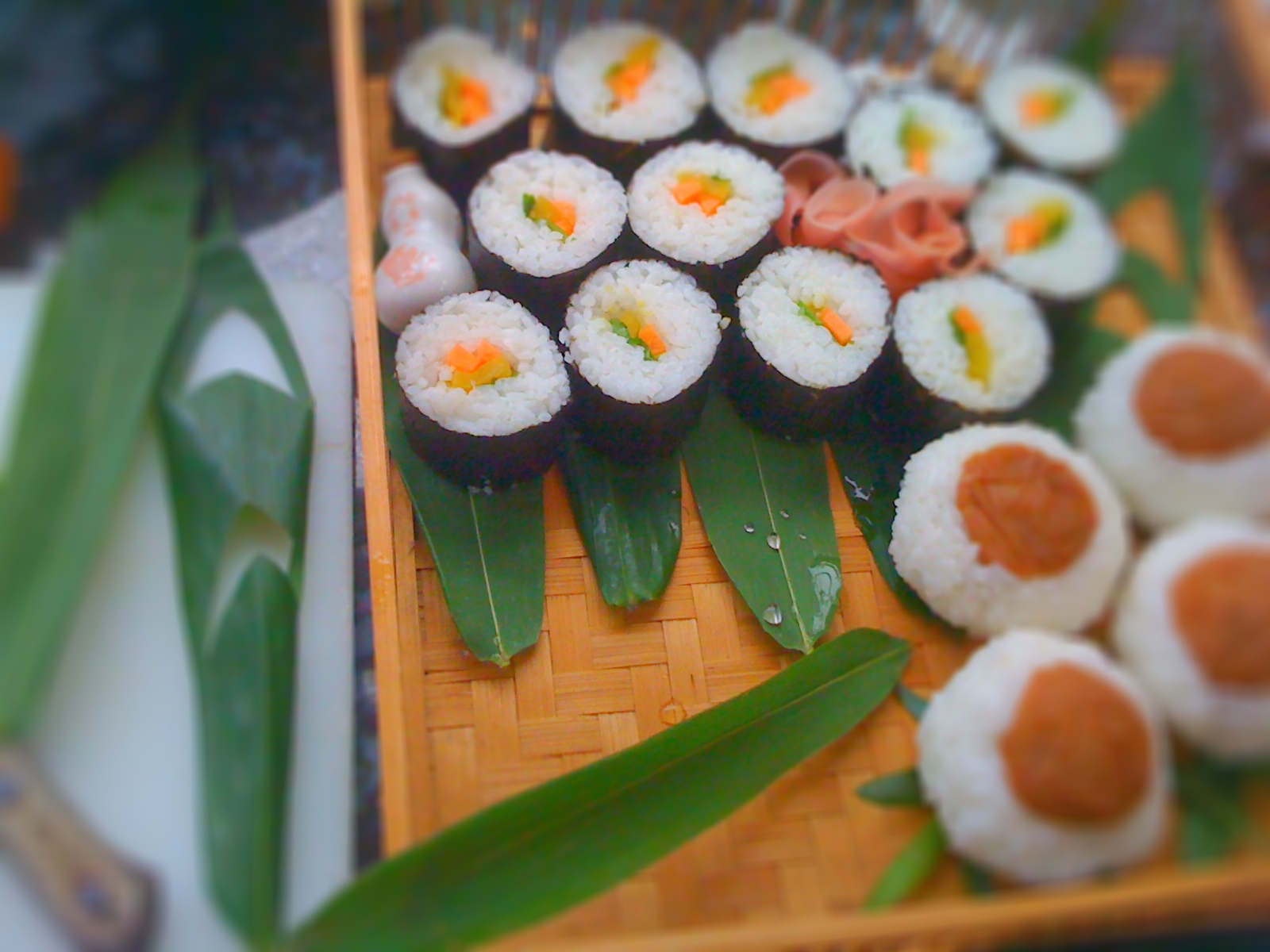
Salad Sushi rolls and Ume topped Onigiri


Salad Sushi Rolls

Wash the sushi rice (or Japanese rice) several times in cold water, until the water runs clear, and then cook it by absorption. The doses are about 1 and 3/4 (three quarters) cups of sushi rice for 2 cups of water, but that depends on the type of pot. You need a pot with a good lid, or you will loose too much steam. I kind of regulate myself by ear now, since I know my pots and pans. Bring the pot to boiling point, lower the heat and simmer until all the water has been absorbed. Once the rice is ready pour it into a bowl and stir it with a wooden spatula, cooling it with a fan if you can. I then add some ready made sushi vinegar, about 2 tablespoons, but this is my personal taste. If I don't have sushi vinegar I use 2 tbsp of rice vinegar, a little sugar and a little salt (to taste, and I don't like to use too much sugar or salt!). Roll the rice with nori seaweed and the filling of your choice: I used carrots, takuan (Japanese pickled daikon) and rocket salad.


Clockwise from top left: Salad sushi with pickled ginger, edamame beans, plates for lunch, plum sake to drink and mandarins for dessert


 Onigiri


To make the rice balls cook some Japanese (or sushi) rice as explained above but do not dress with rice vinegar, leave it plain. Start working it when it is still warm: wet your hands with water, and rub them with just a little salt, then shape the balls with your palms, sticking a whole ume (Japanese pickled plum) in the middle while you are working. This time I didn't put the ume inside but on top, for visual effect, and added a violet (edible) for decoration.


Photos and Recipes by Alessandra Zecchini ©


With this recipe I take part in the contest VegetariaMo (Ricette Vegan) hosted by


Friday, October 28, 2011

Vegan Japanese Fall/Autumn Lunch (or Dinner)


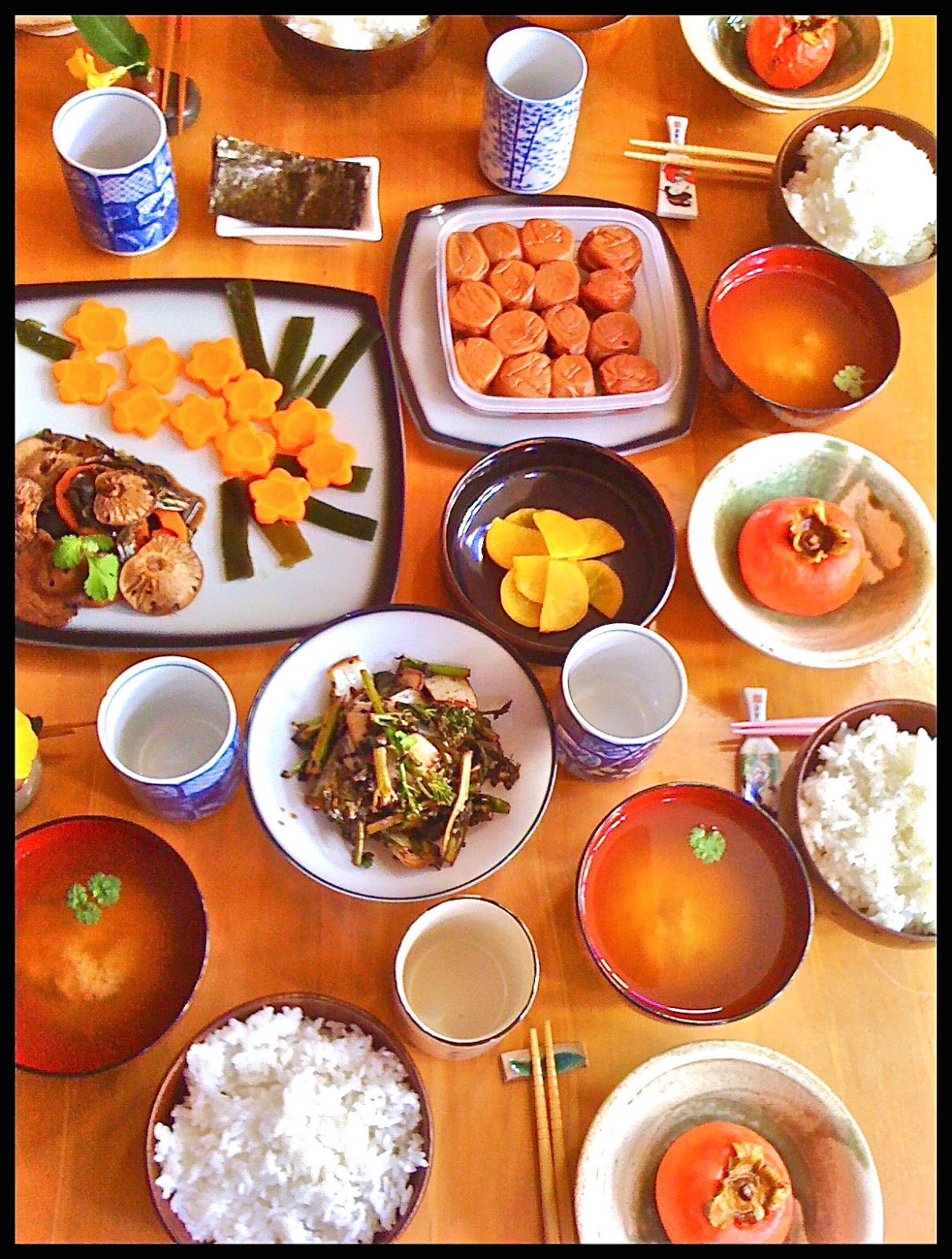
This is easy even if it looks complex. I made a stock using some dried shitake mushrooms, some seaweed (kombu strips, a softer type that can be eaten in salad) and some carrots. But (check this out) I cooked the veggies in three separate pots with just a little water, then I kept the veggies and kombu aside, I mixed the three 'broths' and added some white miso paste. This was my soup. The carrots were cut like flowers, and then arranged with some seaweed 'leaves'. I mixed the remaining carrots and kombu with the mushrooms and pass them quickly in a frying pan with a little soy sauce, lemon juice, and sesame seeds. No oil.


I used the same pan, but added a little sesame oil and a little vegetable oil, to quickly cook some broccolini and bok choy (both from my garden) and added more soy sauce and lemon juice. For the rest... the rice was just plain, to be served with umeboshi plums, plus I had some ready made Japanese pickles (takuan, pickled daikon) and some nori seaweed cut into strips.


Probably in Japan this would look more like a breakfast than a lunch, but not for me (just caffellatte for breakfast!). And dessert was persimmon, the soft type that you eat with a spoon.
All good for Autumn, or Winter.


Photos and Recipes by Alessandra Zecchini ©

Sunday, July 3, 2011

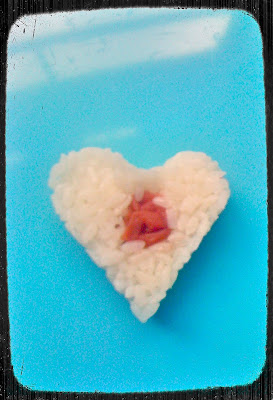
Love Heart Ume Onigiri


In the previous post I made heart sushi and talked about cooking sushi rice.
But if you don't have sushi rice, nori seaweed or sushi vinegar, or a sushi mat to roll your sushi, you can still try this method:
Cook some short grain (not long grain, basmati or Thai) rice by absorption and then start working it when it is still warm. Wet your hands with water, and rub them with just a little salt, then press some rice into a heart shaped cookie cutter. Add something colourful in the centre, I added a umeboshi (Japanese pickled plum), and then gently press the heart out of the mould into a serving plate.

This version is very easy and effective!


Photos and Recipes by Alessandra Zecchini ©

Saturday, January 1, 2011

Year of the Rabbit, Sushi Rabbits


Happy New Year


I would like to wish each and everyone of you a Happy New Year. Buon Anno!


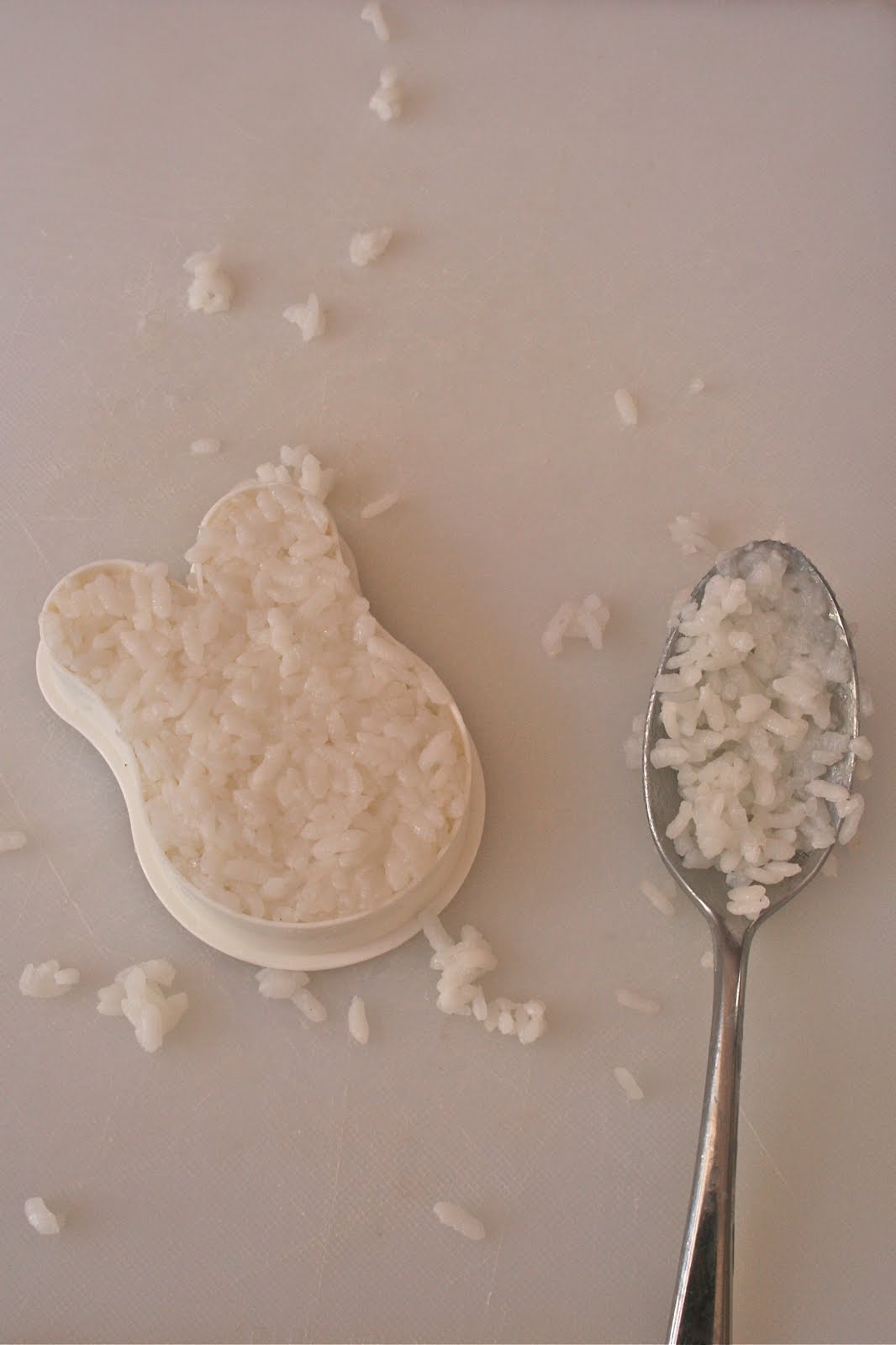
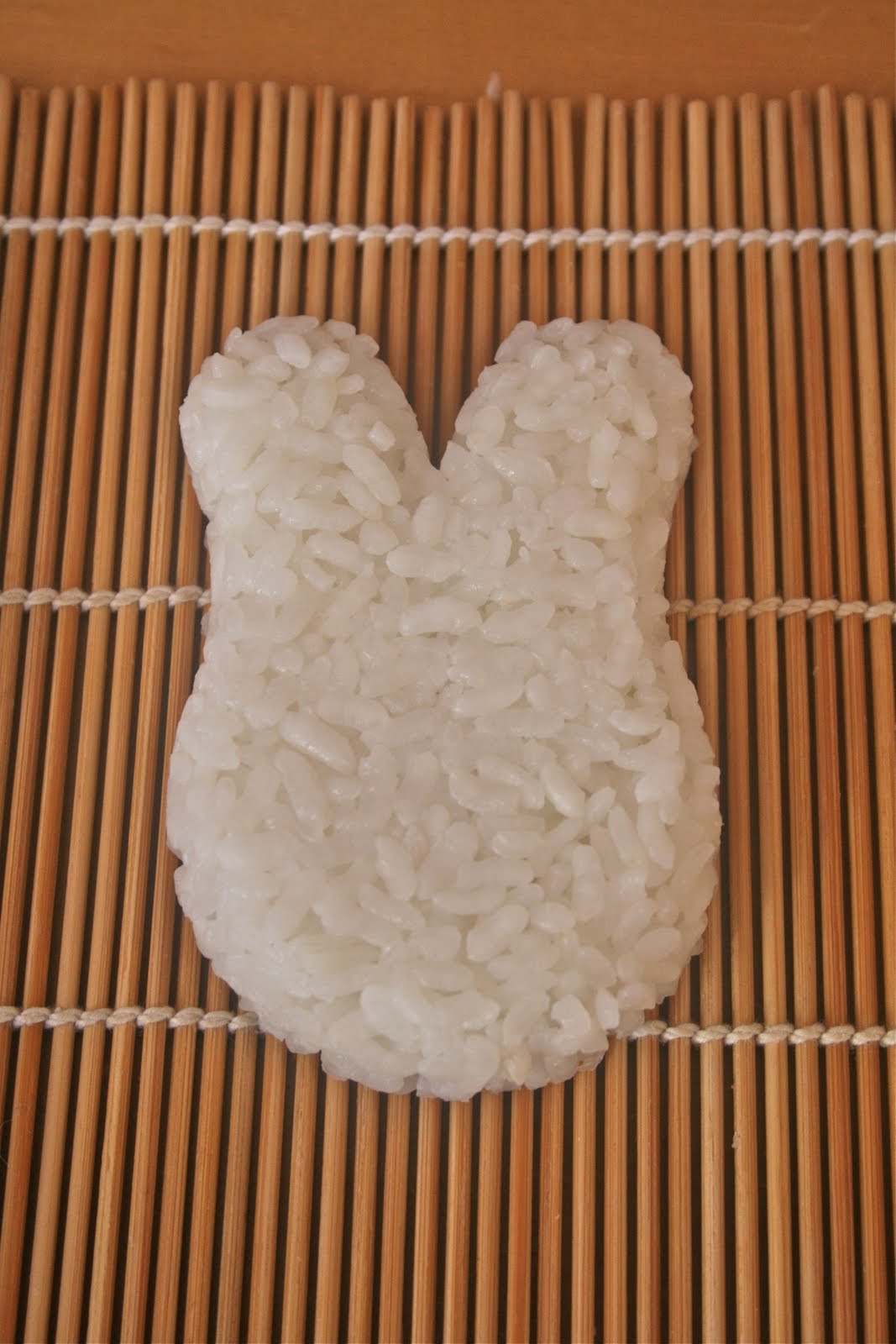
To make the sushi rice you can follow the recipe here. I have a Sushi rabbit stamp from Japan, but you can also use a cookie cutter, if you have one (maybe among your Easter's stuff?).


I have to say that the sushi rabbits looked really nice and stylish even plain! I would have them plain for a more 'formal' dinner :-). But today we have little faces: I used borage flowers, cucumber, chives, takuan, (Japanese pickled daikon), Ume (Japanese pickled plum), and black sesame seeds.


And then it was my daughter's turn, and she also used some tiny basil leaves. We had so much fun making these, and I hope that you like the idea!


Photos and Recipes by Alessandra Zecchini ©


Monday, November 8, 2010

Ume onigiri, Japanese rice balls with pickled plums


My husband has just returned from Japan, he asked me what I wanted and I said umeboshi (Japanese pickles plums), because they are difficult to find here in New Zealand. And because I had a craving for onigiri! Now, onigiri are often called rice balls, but the fact is that in Japan (and overseas) I mostly see triangular onigiri. Somehow I really like the round ones though, they look like the rice balls Kintaro's mum made for him (with a ume inside) in the story book I read to my children when they were small. They somehow feel... traditional? Funny for me to say that, since I am not Japanese :-)


To make the rice balls cook some Japanese (or sushi) rice (rinse it first, if it is suitable for sushi it will still stick even if you rinse it) and then start working it when it is still warm. Wet your hands with water, and rub them with just a little salt, then shape the balls with your palms, sticking a whole ume in the middle while you are working. Ready!


If you like you can add some nori seaweed, it tastes great and it is useful to hold your onigiri (which is eaten with your hands, like an apple). Of course I had to make some little faces for the kids!


Photos and Recipes by Alessandra Zecchini ©