Showing posts with label Veneto. Show all posts

Tuesday, November 19, 2019

#HelpVenice - the campaign to help Venice


If you like to send a contribution to the city of Venice, devastated by sever flooding: 

for donations via bank transfer:

Account: Comune di Venezia - Emergenza acqua altaReference: contributo emergenza acquaPer bonifici effettuati dall'Italia:IBAN: IT 24 T 03069 02117 100000 018767for bank transfers from overseas:IBAN: IT 24 T 03069 02117 100000 018767 BIC: BCITITMMFor donations with credit card


Grazie!

Thursday, July 9, 2015

The Antipodeans - by Greg McGee


ft
The Antipodeans -  by Greg McGee

The Antipodeans, set mainly in Venice and Friuli, has been a 30-year labour of love for author Greg McGee. The idea was first sparked when he lived in that region and became fascinated by tales of escaped Kiwi prisoners of war and their links to the Italian resistance. Greg was sure there was a story there, but took many years to work out how to tell it.
From Venice to the hinterland of the South Island of New Zealand, from the execution of a Gestapo commander in the last days of World War II to contemporary real estate shenanigans in Auckland, from political assassination in the darkest days of the Red Brigade to the vaulting cosmology of particle physics, the novel is vast in scope but indomitably human in its focus.


Four questions for Greg McGee

You lived in Italy for a period during your time as a professional rugby player. Which part of Italy was it and what are your key memories of that time?
I lived in Italy for about 18 months, from April/May 1976. I went to Perugia, did a short course in Italian at the Università per Stranieri, poi sono andato a Casale Sul Sile, un piccolo paese in vicino a Treviso, dove ho fatto giocatore/allenatore d'una squadra di rugby in Serie A. That experience was a seminal moment in my life, for many reasons: living so close to Venice (where I had friends from the team), but above all being involved in a common endeavour with the locals. I was politically naive at a time in Italy when everything was political - the June elections in 76 had produced ‘the historic compromise’ with Berlinguer, the  universities were often occupied, the Red Brigade was blowing up banks, the trains were full of soldiers and the skies full of vapour trails from Nato jets - very different!

With this novel you treat for the first time a new topic, one which is deeply anchored in the conscience of many new Zealanders, old and young. What inspired you to write a novel about NZ soldiers in Italy ?
The Antipodeans is not a war novel. There are three story strands, one from 1942 to 1951, one from 1976, but the main strand is contemporary, where a young woman tries to unravel family connections that go back three generations. It is true that the earliest inspiration came from taking my father back to the battlefields (Cassino, the Sangro, Faenza etc.) where he’d been in WWII, but I was also inspired by my time in Italy, and by what I saw as a mutual fascination between Italy and NZ for each other’s countries - which are about the same size and at the opposite ends of the earth (the antipodes of the title).
Since living in New Zealand, I have often heard people telling the stories of their grandfathers/great uncles who fought in Italy in WWII. Is your novel based on biographical material, perhaps something that happened to a family member or to someone you know or heard about?

After I’d made the tour with my father in 78, I took him back to my village and he began talking to the other men there about war experiences. One of the old men then showed me the bullet holes in his stalle from a Nazi Stormtrooper’s machine gun, which had been fired at an escaped NZ POW hiding in the hay-loft. He told me the Kiwi had escaped and had fought with the partigiani further north. This was the first I’d heard of an Italian resistance. From that moment I began researching everything I could find about the partisans and the big connections between them and Kiwi (and other) POWs who had escaped into the Veneto countryside after the Armistice of September 1943, and who became known as Il Battaglione di Lepre, because they were hunted from dawn to dusk.

What was the most difficult task during your 16-year research phase, and did you come across something that you didn’t expect and that prompted you to introduce new elements into your original plot or even give it a new direction?

The above probably answers this question too. The most difficult decision about the book was deciding who was to tell the different strands of a complex story. Once that decision was made, a structure suggested itself, and I was on my way, courtesy of the Katherine Mansfield Menton Trust, which allowed me to go back to the Veneto and Friuli and walk in the steps of my characters. The most surprising thing I found was the grand old farm-house beside the river Livenza, which had been PG 107/7, the prison from which my characters (and real POWs) had escaped. The upper windows were still bricked up. I could look at the fields they had worked and imagine them hiding all around there after the Armistice.  

                                                                                                          Interview by Stefania Perrotta

About the Author
In his early 20s, Greg McGee played rugby as a Junior All Black and became an All Black trialist. He graduated from the University of Otago with a law degree in 1972. He first came to literary attention when he wrote the iconic New Zealand play Foreskin’s Lament (1980), followed by Tooth and Claw (1983), Out in the Cold (1983), and Whitemen (1986), each drama set in the rugby world. Since then he has had a successful career writing mainly for television, but again broke into the literary consciousness as Alix Bosco, winning the 2010 Ngaio Marsh Award for Best Crime Novel. In 2012, Greg published Love & Money, his first novel under his own name, and in 2013 he was awarded the Katherine Mansfield Menton Fellowship.



Sunday, September 9, 2012

Not only in Siena: Il Palio di Feltre is charming, and very livable


Feltre è un’antica cittadina ai piedi delle Dolomiti, nella provincia di Belluno. Il centro storico è ricco di case e palazzi del 1500 e l’atmosfera è quella di molte città rinascimentali italiane: semplice e signorile al tempo stesso.

Sbandieratori


Ma la cosa forse più interessante di Feltre è proprio l’esser fuori dai percorsi turistici tradizionali dell’Italia, rimanendo quindi un piccolo gioiello tutto da scoprire.
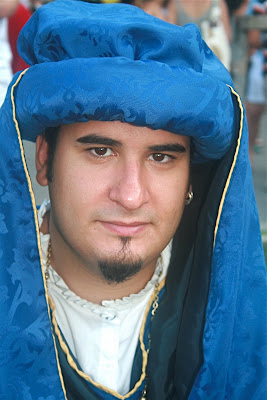
Uno dei momenti migliori per visitare la cittadina, che conta circa ventimila abitanti, è il primo fine settimana d’agosto, quando le strade del centro storico si riempono di mercatini medioevali, dame e messeri in costumi d’epoca, tamburini e sbandieratori, tutti intenti a celebrare il Palio di Feltre.


Paesani e contadini


Il Palio è nato per rievocare il momento in cui, nell’anno 1404, e dopo secoli di invasioni e guerre, Feltre decise di porsi spontaneamente sotto al protettorato della Serenissima Repubblica di Venezia.
I quattro quartieri della città che si sfidano per il Palio (un drappo dipinto ogni anno da un artista diverso e decorato con i simbolici 15 ducati d’oro dell’originale Palio quattrocentesco) sono Santo Stefano, Port’Oria, Castello e Duomo, e corrispondono alle quattro zone della città e frazioni circostanti.


Tamburini


 I tre giorni di Palio cominciano il venerdì sera con le quotatissime cene di quartiere, tutte per strada e a pochi metri l’una dall’altra, così da offrire l’occasione ai quattro quartieri di confrontarsi da subito culinariamente con arrosti su spiedi giganti, piatti locali, vino e musica fino a tardi.


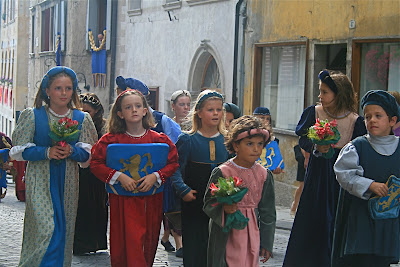
La parata dei nobili e borghesi nel centro storico


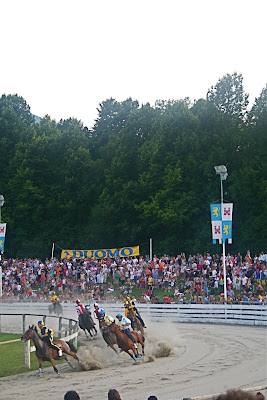
Sabato le strade si riempiono di gente in costumi nobili e paesani, mangiafuoco e giocolieri, soldati medioevali e bancarelle di artigianato e prodotti locali. Sabato sera si svolgono le prime due gare: il tiro con l’arco in Piazza Maggiore, e la staffetta, nel ripido centro storico. La domenica, dopo la messa in costume (con addetta benedizione dei cavalli) e due lunghi cortei storici, c’è il tiro alla fune, ed infine la gara più affascinante, arcaica ed emozionante di tutte: la corsa dei cavalli. Tutte le gare accumulano punti, ma il risultato finale è spesso determinato da questa corsa finale, tenendo tutti i contradaioli con il fiato sospeso fino all’ultimo.


Descrivere un Palio non è semplice: chi è abituato a guardare il Palio di Siena ed altre manifestazioni simili saprà bene di cosa parlo, perché le emozioni sono sempre altissime.
Son ben felice di sapere che i cavalli sono soggetti a rigorosi controlli veterinari, e che Pra del Moro, il campo dove corrono i cavalli, sia molto più sicuro per cavalli e fantini. Gli incidenti sono rari. 

La corsa dei cavalli


Gli sbandieratori del quartiere vincente lanciano in aria
 le proprie bandiere, e faranno festa tutta la notte!


Photos and text by Alessandra Zecchini ©


The Italian text was too difficult? Just watch this short video for a taste of the Palio di Feltre, or click here to read a post in English.


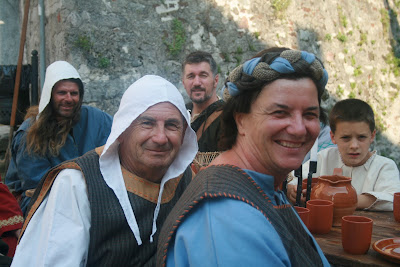
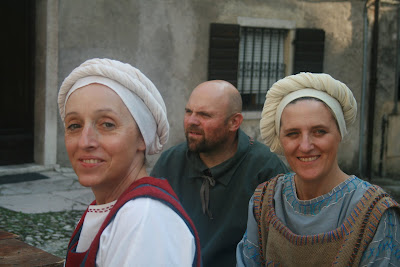
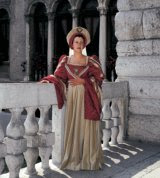
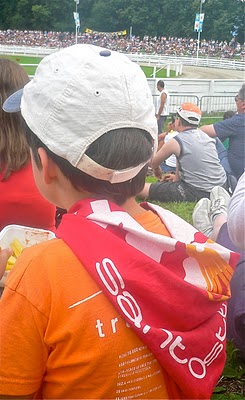
Feltre is here, let me know if you would like to visit, especially during the Palio, and I will be happy to give you some information (my Mother is from Feltre). And if you would like to know to which of the four city wards I belong, I am from Santo Stefano, represented by a golden horn on a red background (here is my son watching the horse race with the Santo Stefano's flag). Santo Stefano's costumes are often red (like the one I am wearing here). FYI, the costumes are beautiful but very heavy!


Io a Feltre con un costume rinascimentale


Thursday, July 26, 2012

Padova (Padua)


Located just few kilometers from Venice, Padua is one of the liveliest cities of the Venetian area thanks to the various ad interesting aspects of its multifaced identity.
As far as tourism is concerned, the city has a huge historical and artistic heritage to offer. After 3000 years of history the visitor can enjoy many different atmospheres which arise from every little corner and alley, starting from the Roman area, to the more recent Prato della Valle, passing through the Medieval heart.
In the very centre of the town it is possible to find the Roman Arena, surrounded by the so –called park which boasts the presence of the Eremitani Museum, full of Pre-Roman finds, the Eremitani Church and the famous Scrovegni Chapel, one most important works of European painting. People who enter this little masterpiece find themselves surrounded by an amazing cycle of frescoes painted by the Tuscan painter Giotto, which illustrate the life of Mary, Jesus and the Passion, ending with a striking vision of the Last Judgement.


The Palazzo della Ragione is another well known symbol of Padua, and offers medieval paintings and a great hanging hall which is one of the biggest in the world. In this palace we can find the Pietra del Vituperio, a stone made chair which worked as a punishment for people who were judged guilty for bankruptcy. They were literally deprived of everything they were wearing and forced to sit on that freezing chair for a long time.


Padua is also an important destination for religious pilgrimages because of the presence of the Basilica of St Anthony, a sanctuary which holds the remains of St Anthony and calls millions of people every year. Close to the Basilica there is Prato della Valle, one of the biggest squares in Europe, which is a great gathering point for all those people who want to enjoy a relaxing break in a green spot right in the city centre.  Otherwise, for those people who prefer a good coffee Caffe’ Pedrocchi offers the most ancient and luxurious location in town.


The late afternoon is the moment when Padua completely changes and reveals itself as the most spirited town in the Veneto region. This is the moment when all the students who attend the University of Padua (the oldest University of Europe after Bologna) finish their lessons and go out to enjoy a good aperitivo with a typical pre-dinner drink called Spritz. 

In few hours the squares around palazzo della Ragione called Piazza delle Erbe and Piazza della Frutta are filled with people of all ages who keep hanging around for the whole evening, having a chat and a good drink under the suggestive Clocktower in Piazza dei Signori or all along the fascinating little streets of the Jewish Ghetto.


The most well known dish of the Paduan cooking tradition is the gallina padovana (Paduan hen), a particular kind of farmyard animal which is famous not just for its deliciousness but also for its funny appearances. Every restaurant in town will be able to prepare it in many different versions according to the customers’ tastes.  It can be served with the cooked radicchio which is a renowned product of the southern part of the province. 


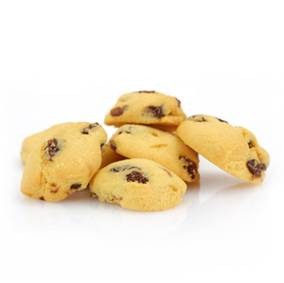
A traditional Paduan meal may end either with the Dolce del Santo or with some Zaleti, typical biscuits made of cornmeal and raisins.


Source: Italian Government Tourist Office

Tuesday, April 10, 2012

Magic Venice, ombre e cicheti: a guest post from Chiara


Today's virtual tour to Italy will take us to one of the most beautiful cities in the world: Venezia! Our guide is Chiara Giglio, with her beautiful photos and advice for a magic day in Venice far from the touristic spots, in the charming district of Cannaregio.  So read on and learn from Chiara what is an ombra and a cicheto!


Buona lettura!

A Venezia un dicembre grigio plumbeo....


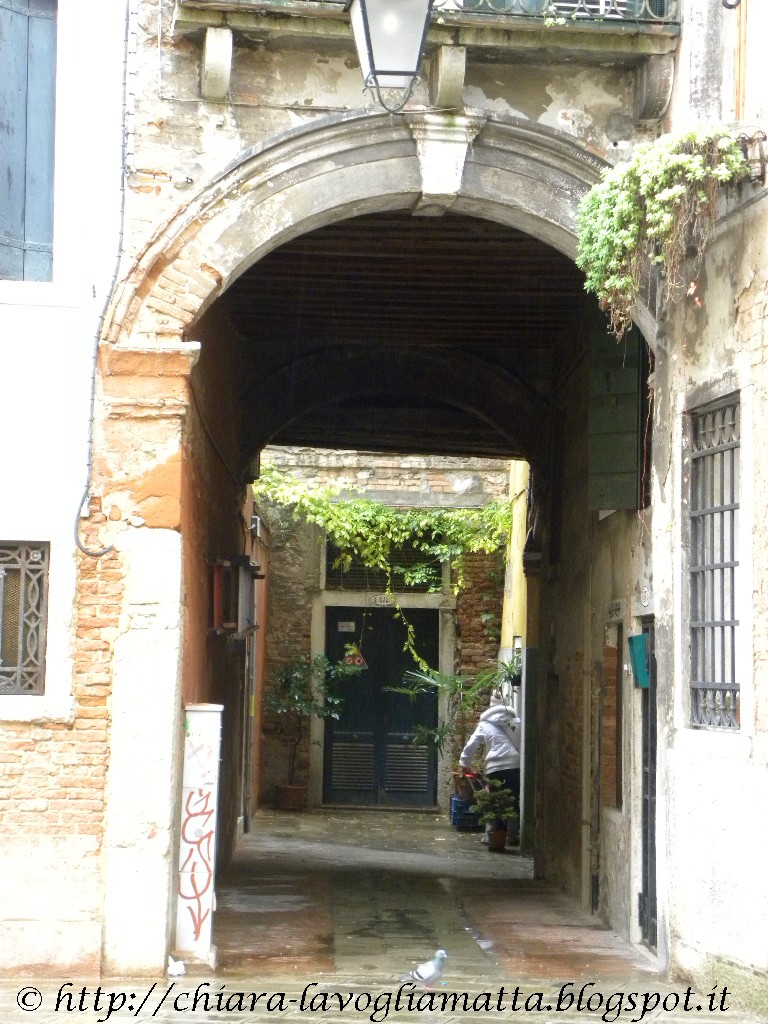
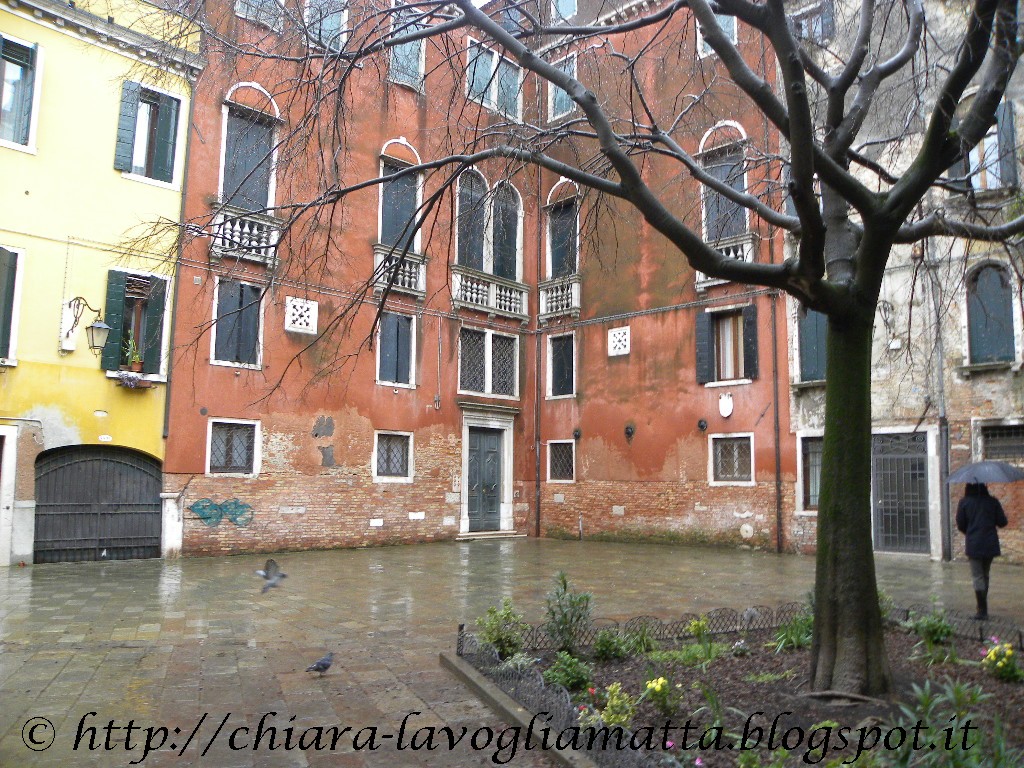
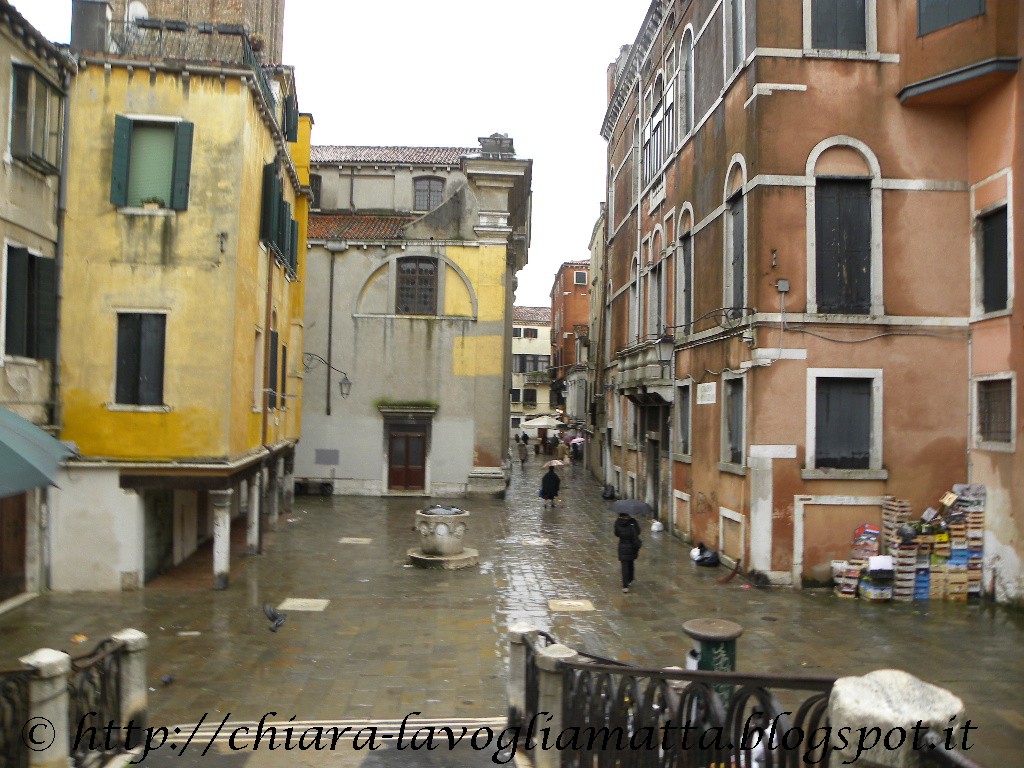
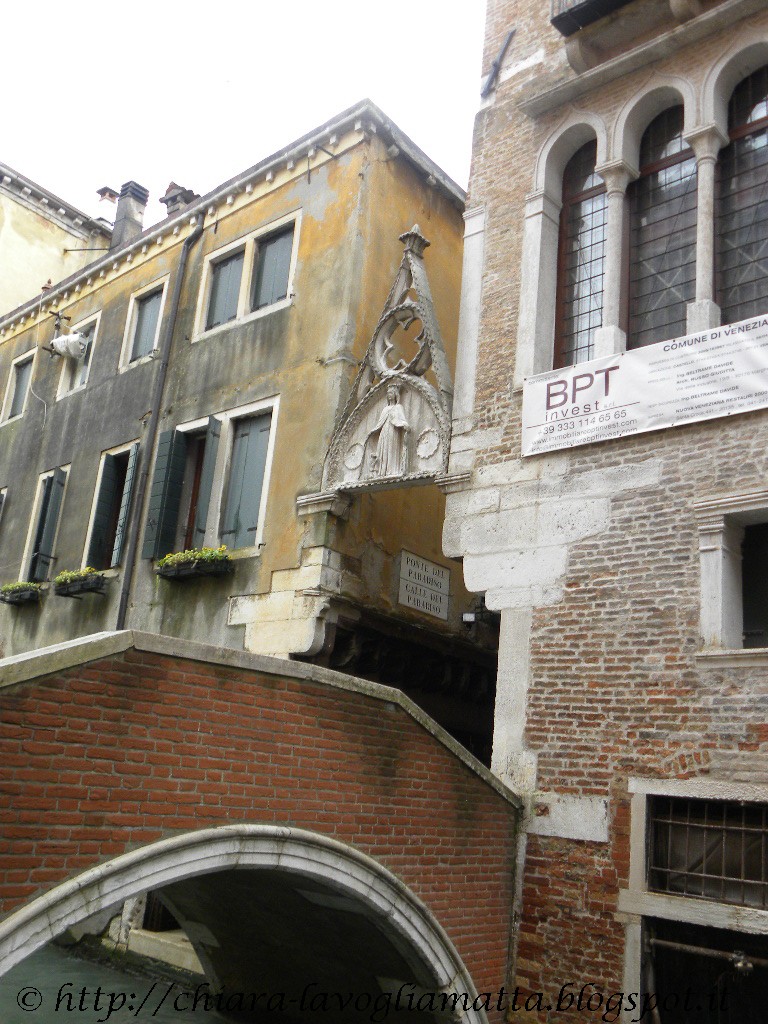
Nemmeno stavolta l'ho potuta vedere con l'acqua alta...Il treno è arrivato che l'acqua era ormai sparita, inghiottita dai canali, quasi a fare un dispetto a me che desideravo comperare le galosce e girovagare con i piedi a mollo...Pioveva abbondantemente qualche giorno fa ma non ci abbiamo badato, ecco alcune foto che ho fatto in velocità approfittando della pazienza di chi mi reggeva l'ombrello cercando di non far bagnare me e l'obiettivo, nessuno scatto studiato,Venezia appare livida ma la sua bellezza struggente coinvolge sempre.....
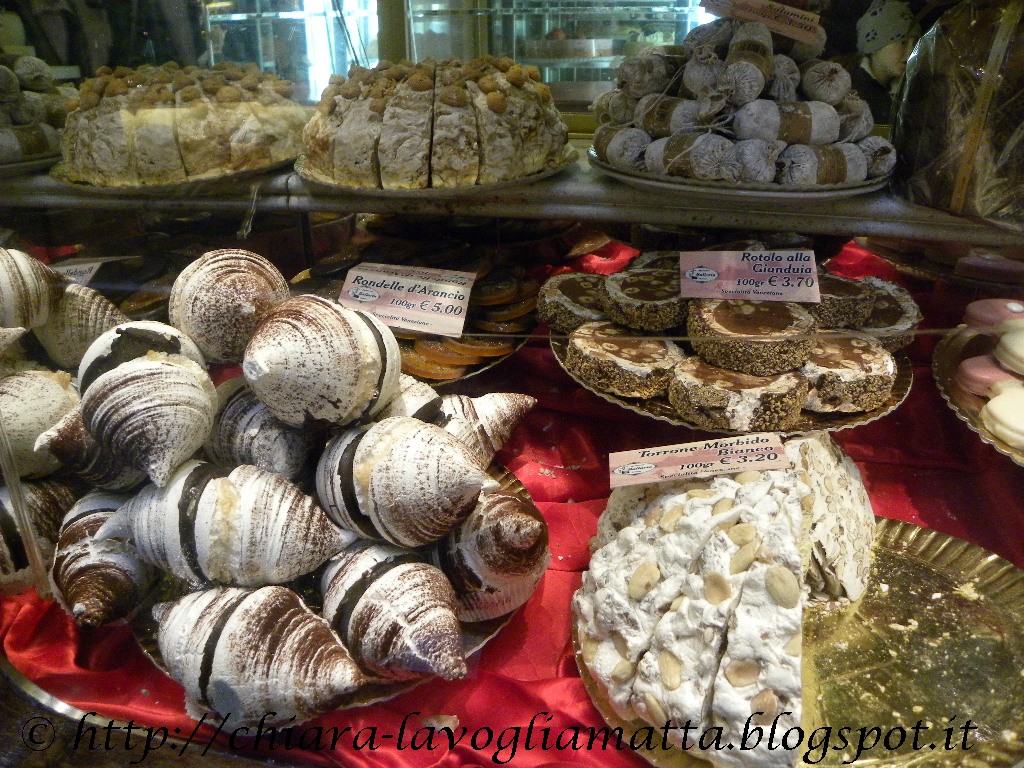
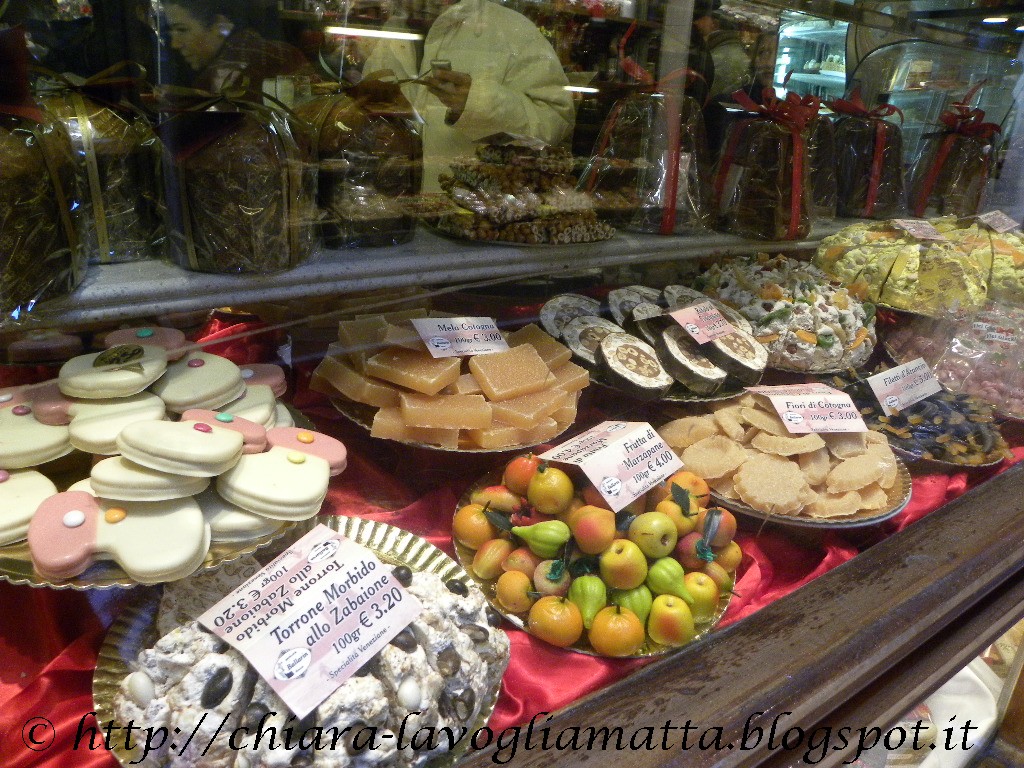
Passeggiare lungo Cannaregio fra bancarelle di verdure e vetrine di prelibate golosità


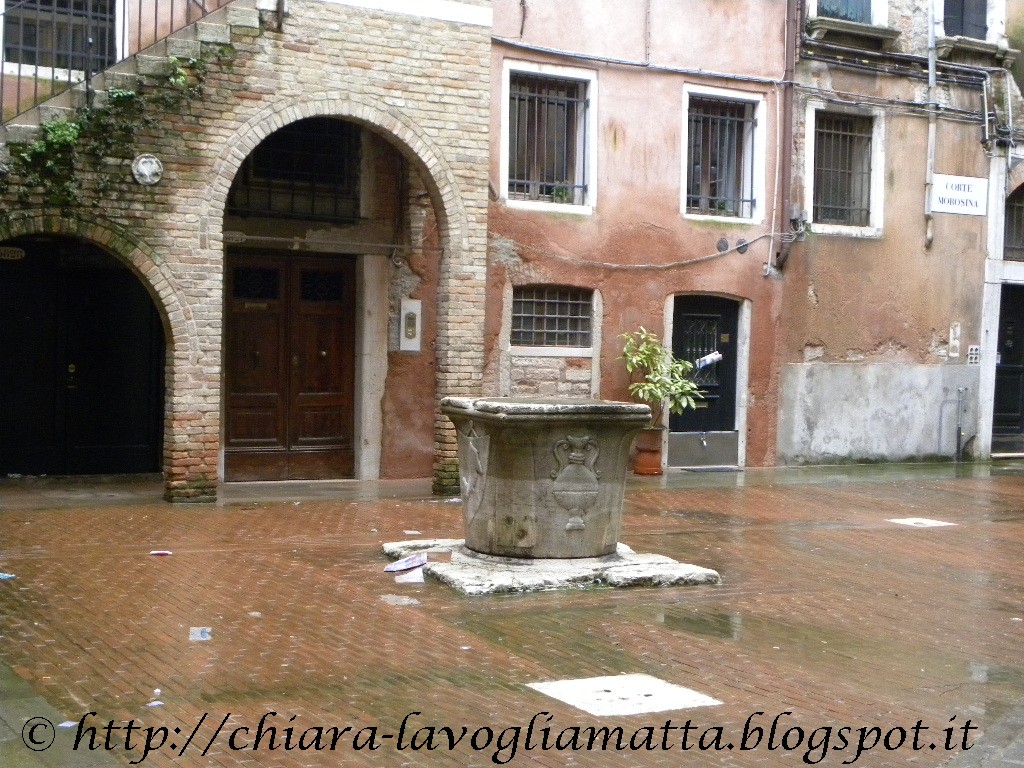
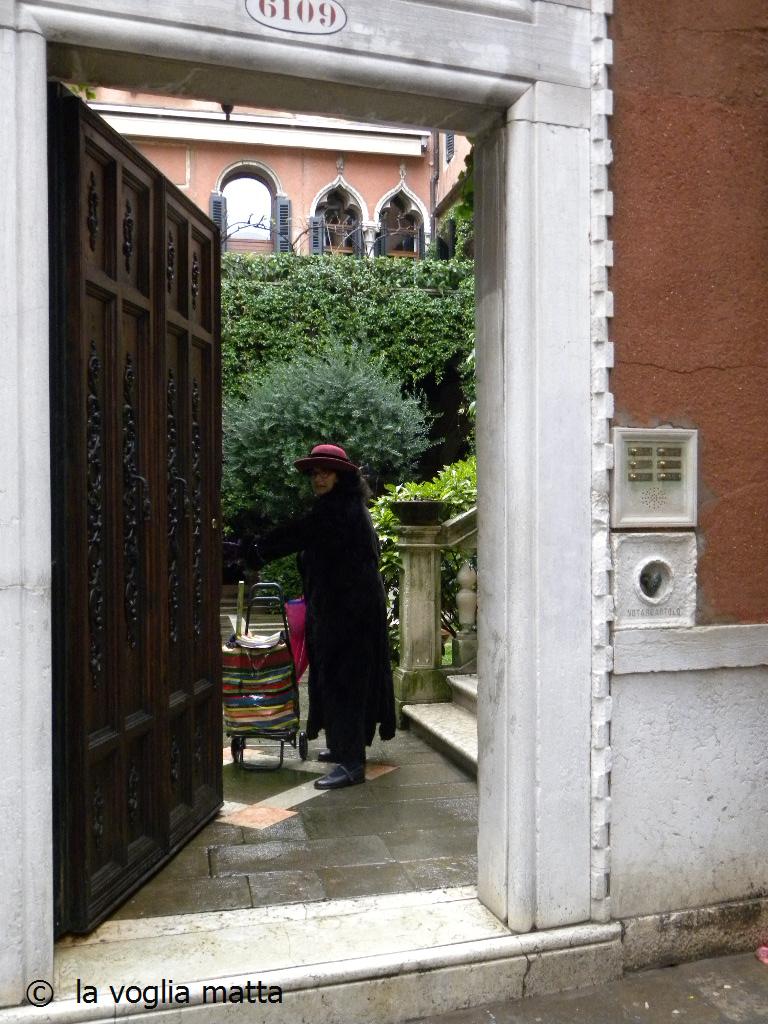
Vere da pozzo in campielli nascosti, giardini segreti e sottoporteghi


A grandi passi  sta arrivando l'ora dell'aperitivo che a Venezia significa "un'ombra (anca do) de vin e cicheti" , un calice (anche due) di vino e qualche stuzzichino.... Questi sono quelli di Sabina e Andrea di "Un mondo di Vino" a Cannaregio, c'è solo l'imbarazzo della scelta...


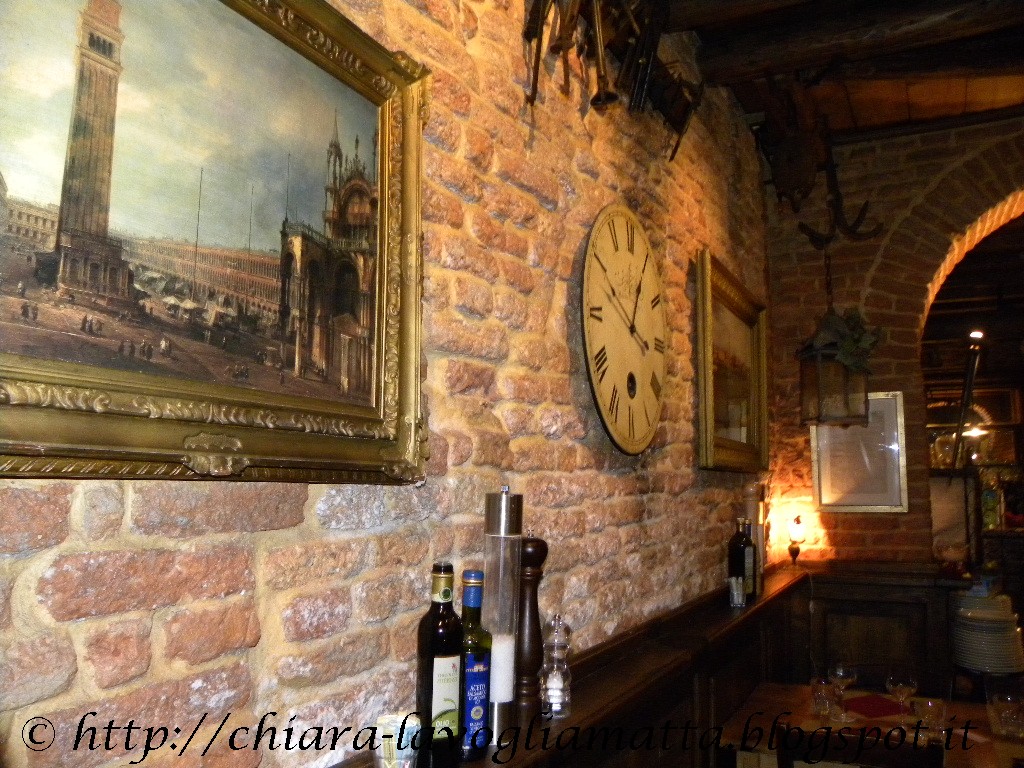
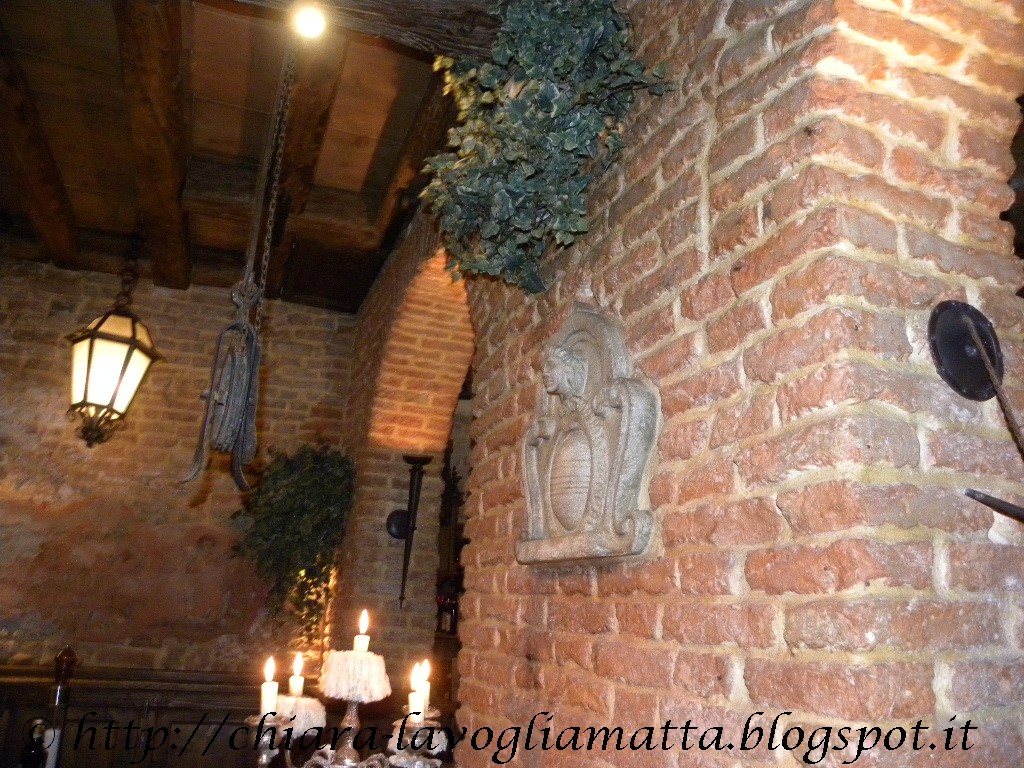
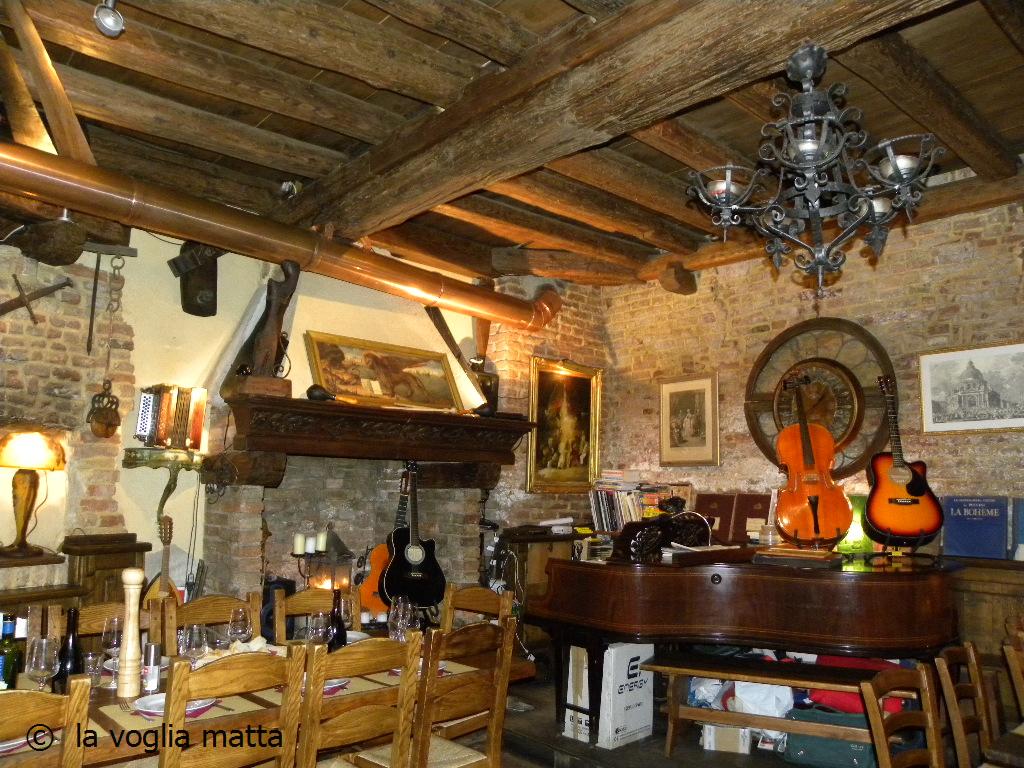
Nonostante la voglia di assaggiare un pò di tutto mi abbia assalita mi sono   trattenuta....  il pranzo ci attendeva...In Campiello del Remer, affacciato sul Canal Grande ,c'è un ristorante dall'atmosfera calda ed  accogliente dove abbiamo pranzato...."La Taverna del  Remer"


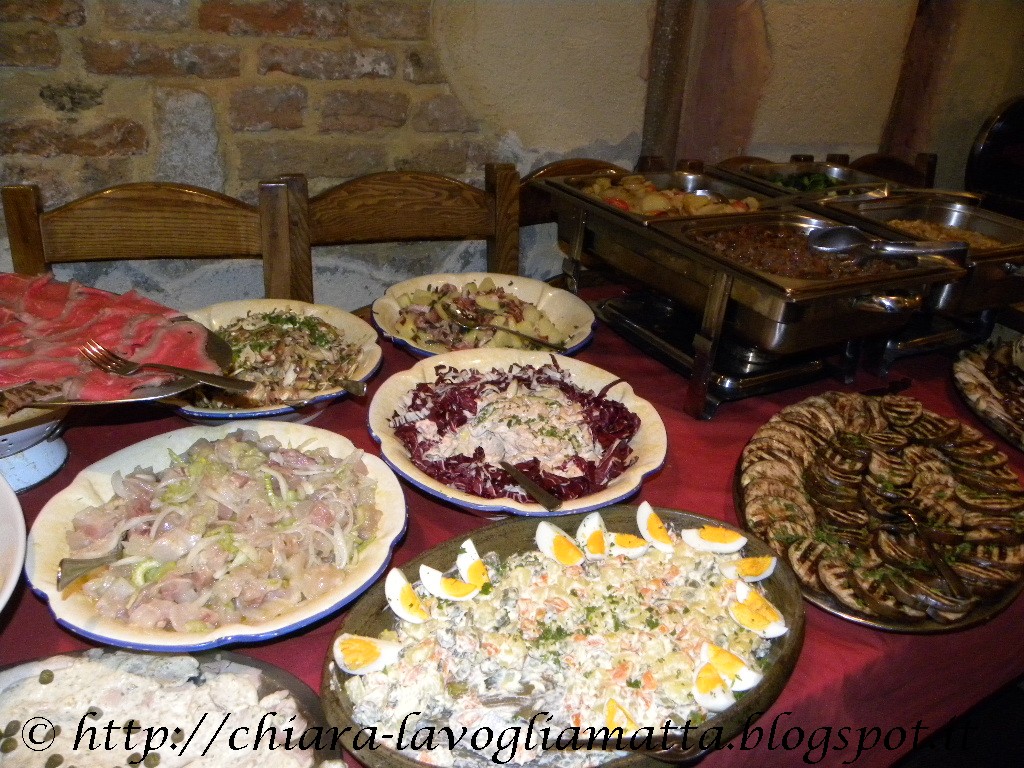
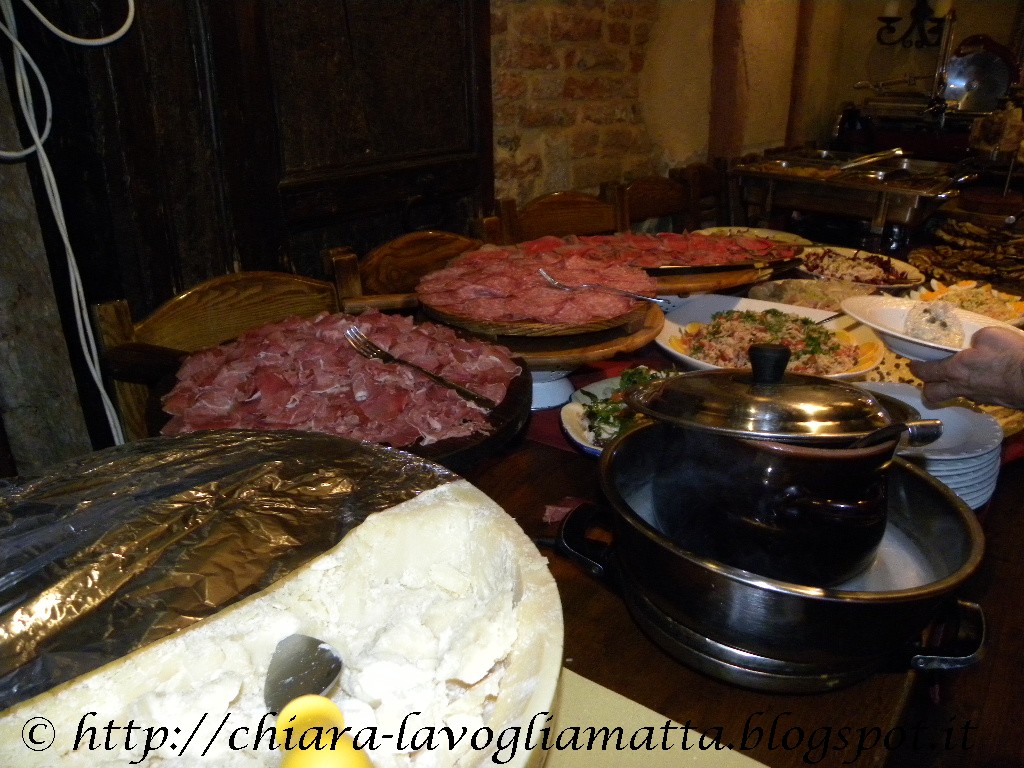
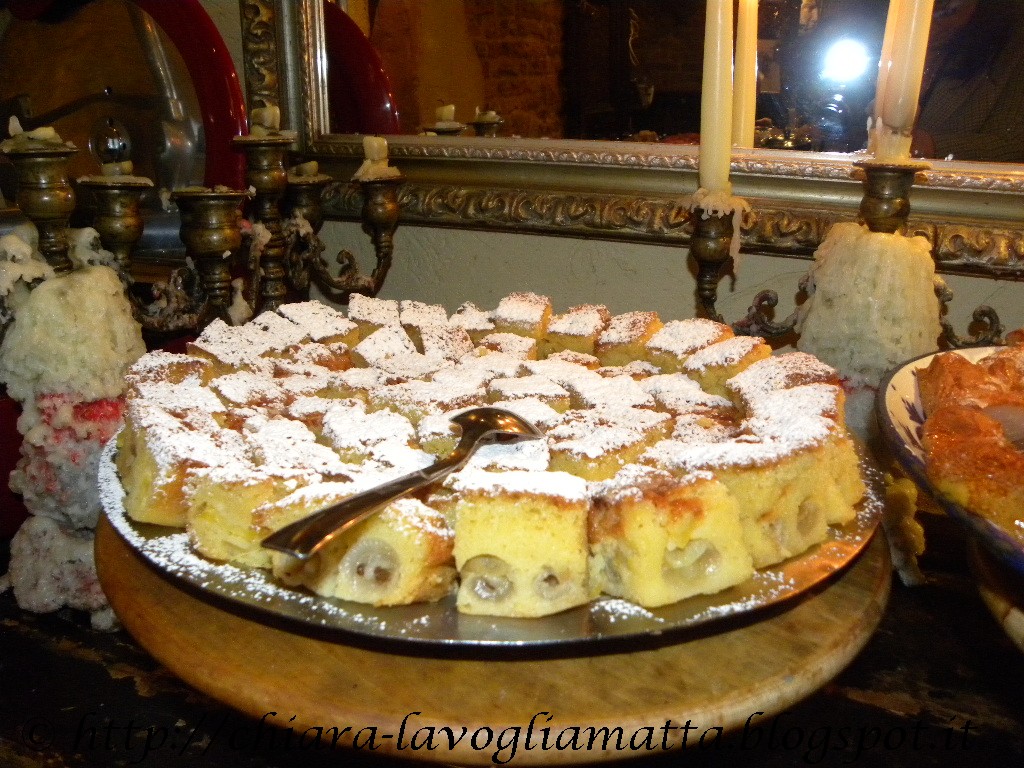
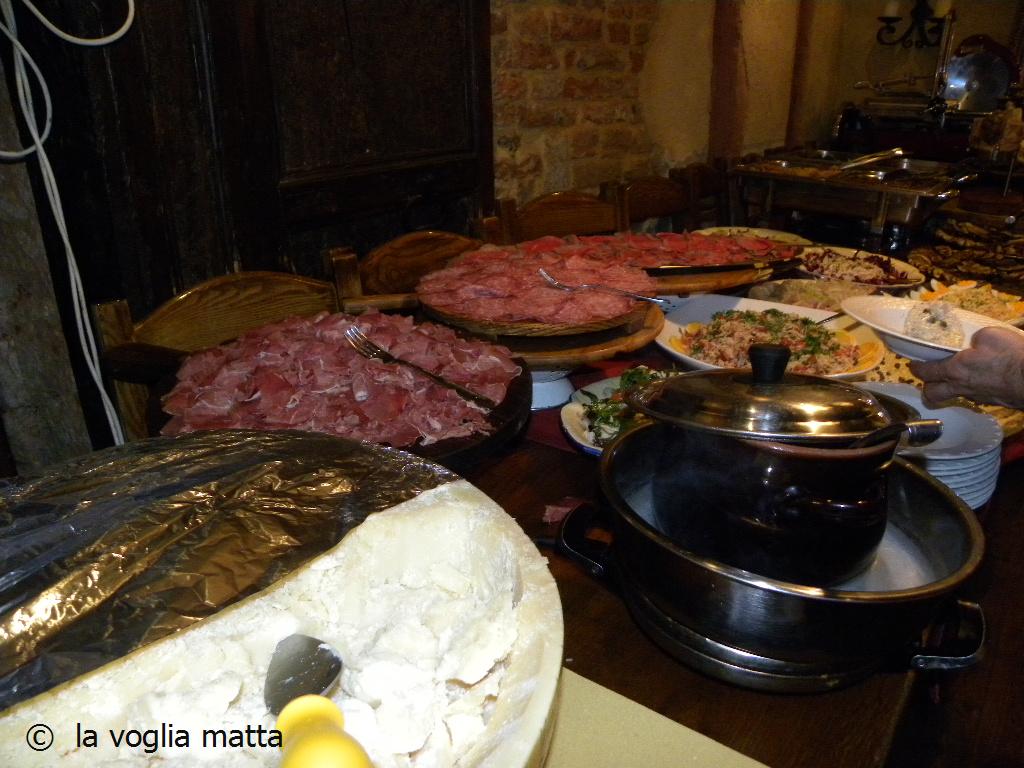
All'ora di pranzo è allestito un banco del buffet,c'è il servizio al tavolo per i primi e poi ci si può sbizzarrire come si vuole...


Terminato il pranzo non resta che consumare....le calorie! Ci siamo gustati  altri scorci veneziani...


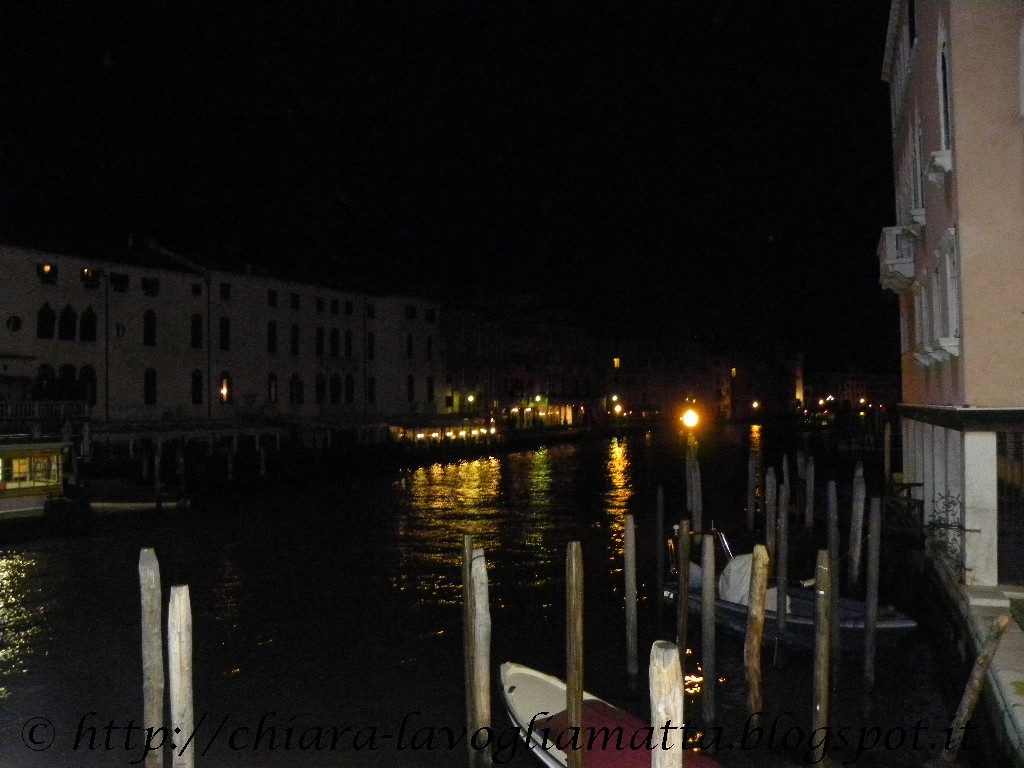
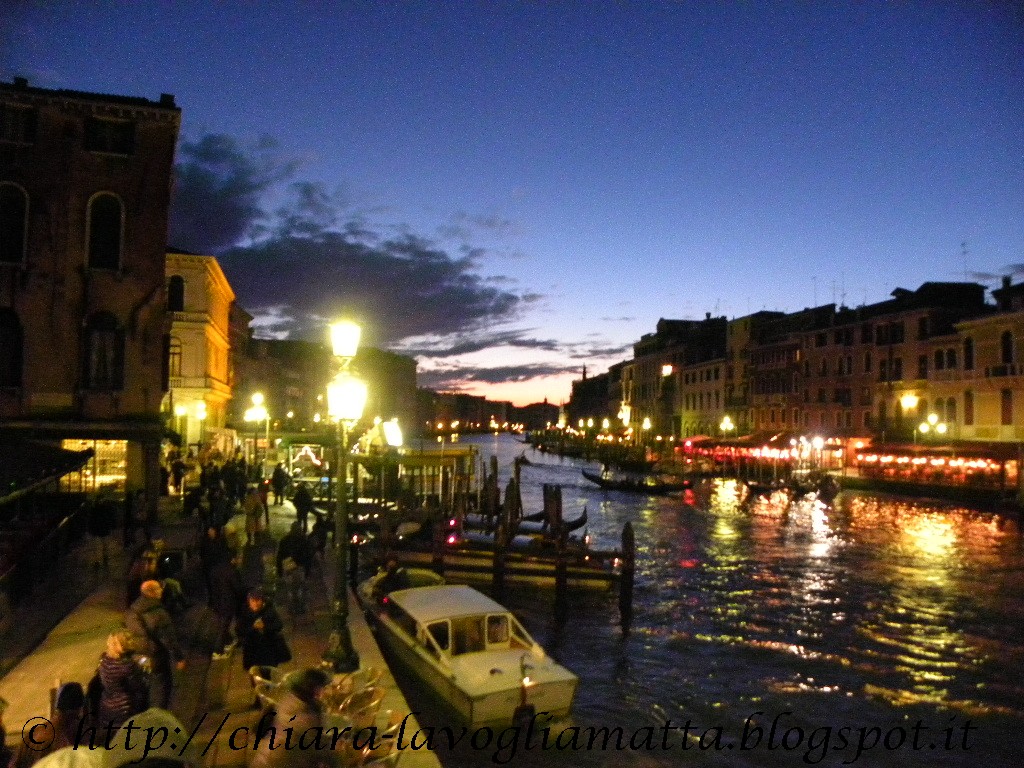
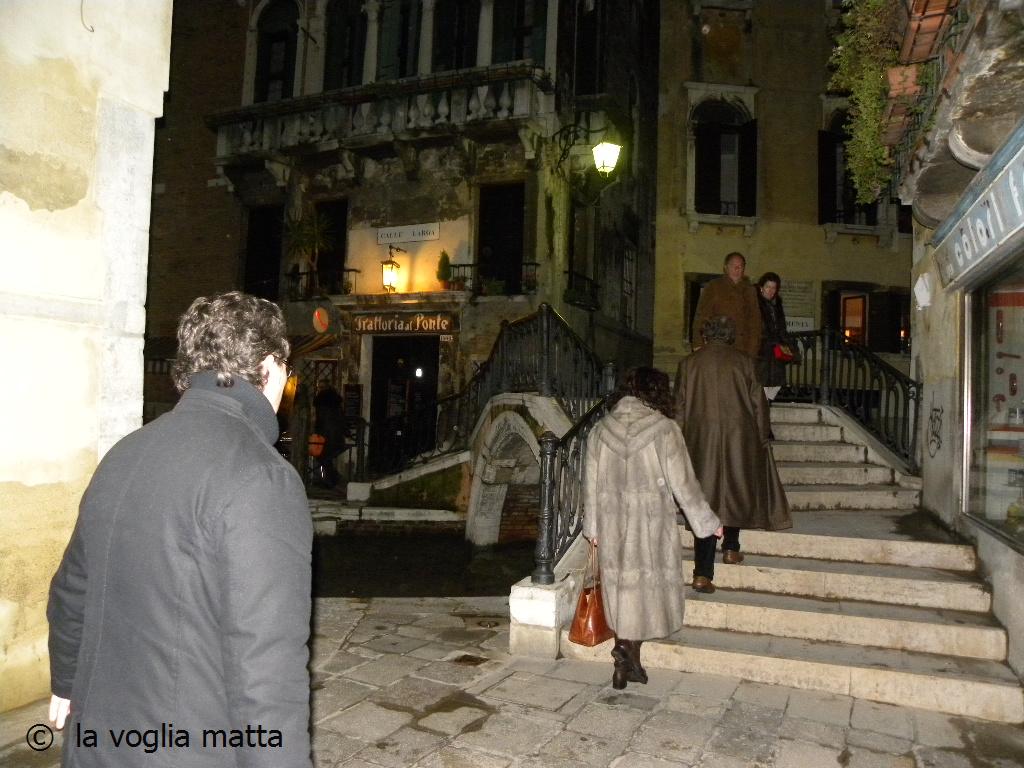
All'improvviso sopraggiunge la sera e la città diventa ancora più magica e romantica....Anche la pioggia finalmente si ritira in buon ordine...


A presto....