Showing posts with label From the Garden. Show all posts

Thursday, January 17, 2019

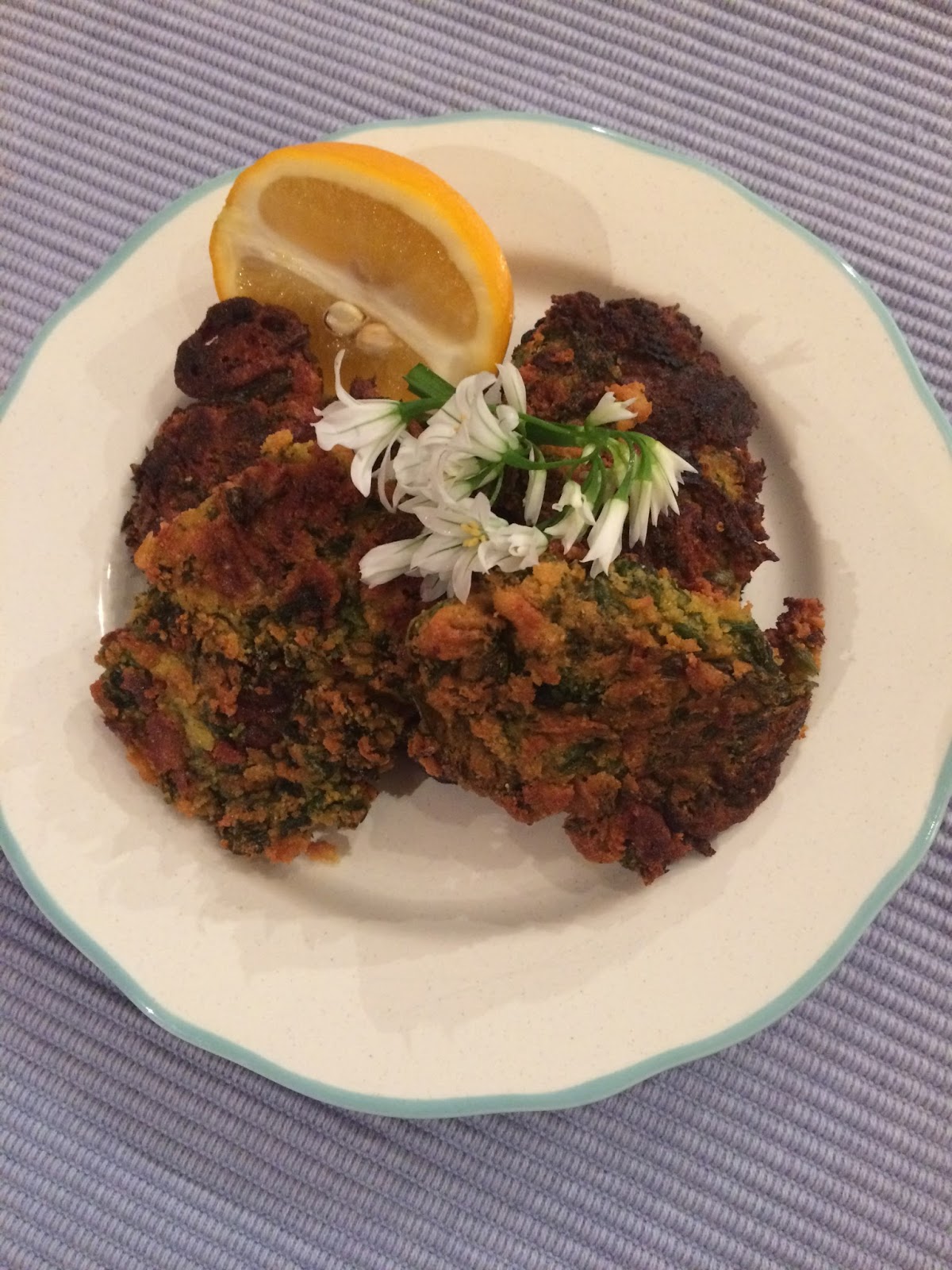
Carrot leaf fritters, Vegan and gluten free


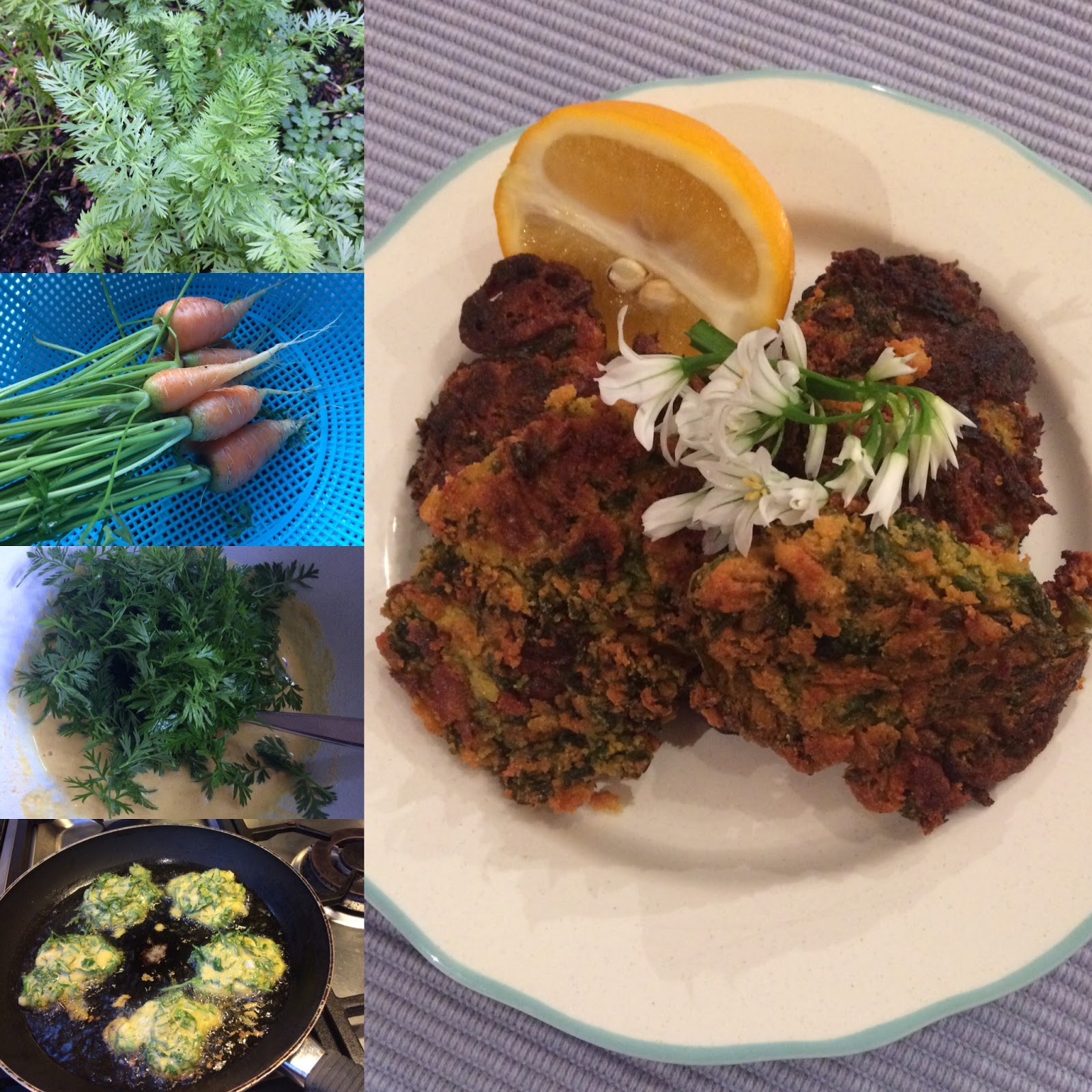
Having munched through everything green in the veggie garden I am left with the leaves of carrots, I usually make frittata with them, or fritters, and this time I tried a vegan experiment which was very successful (the kids looooved them). To be repeated soon, in the meantime here is the recipe.


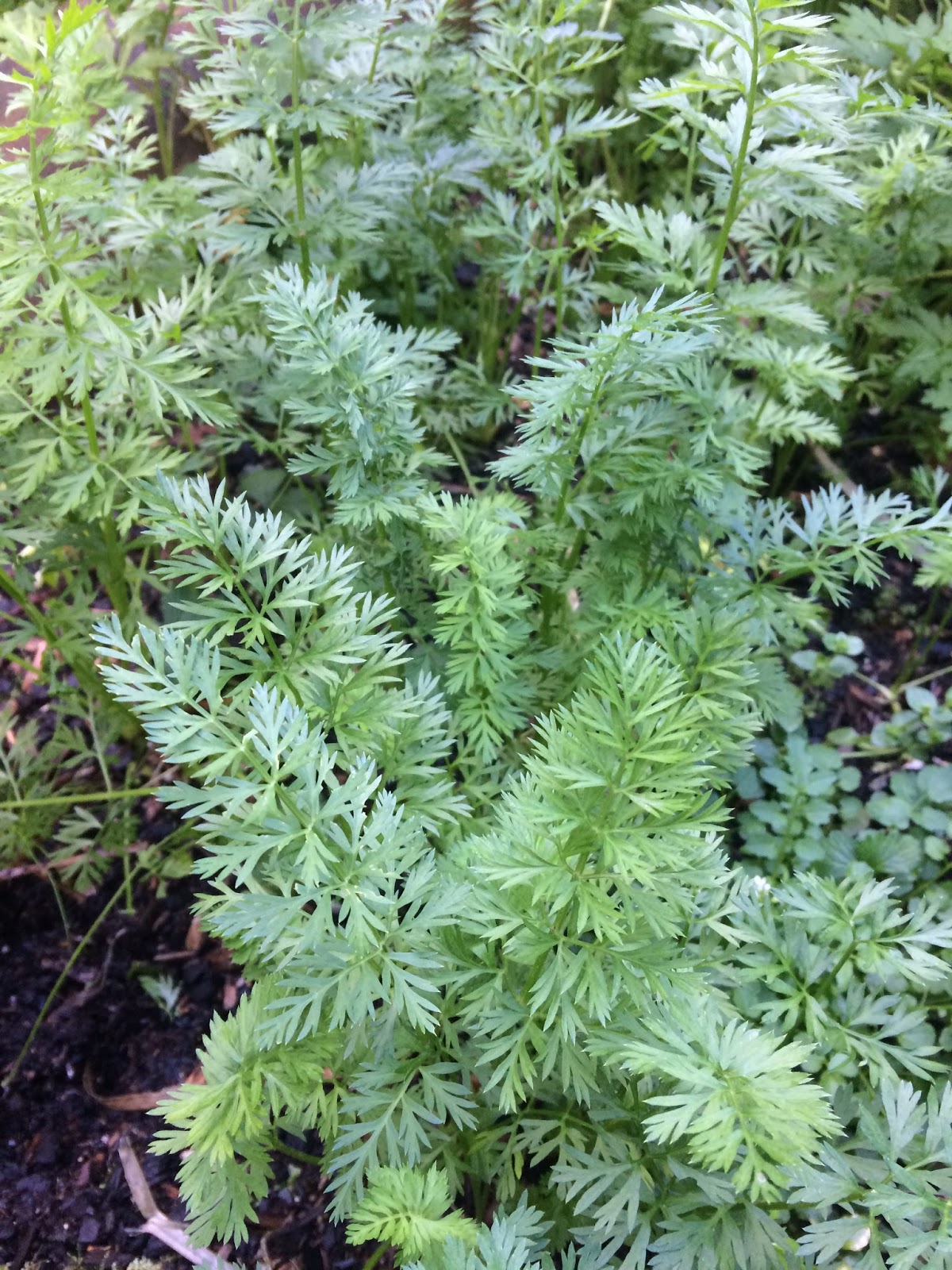
Pick your carrots (mine are always small, since they grow in clay soil poor things). Keep the leaves, wash them well and remove the thicker stalks (a bit like cleaning parsley really).


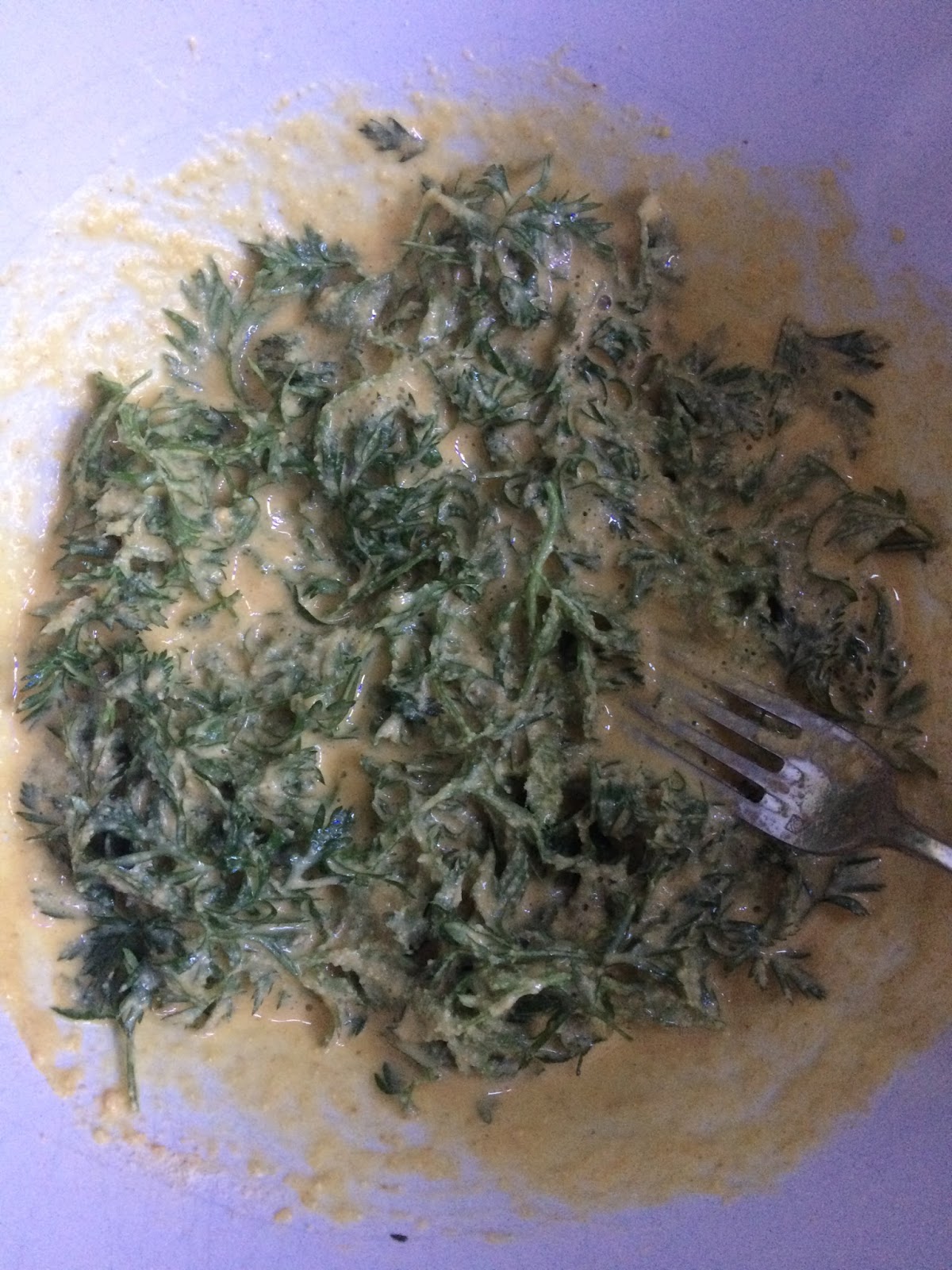
To make the vegan batter I used the liquid from a can of chickpeas, two tbsp of chickpea flour, a good pinch of salt (or two), and the tip of tsp each of ground cumin, ground coriander and ground turmeric.


Then I added the carrot leaves


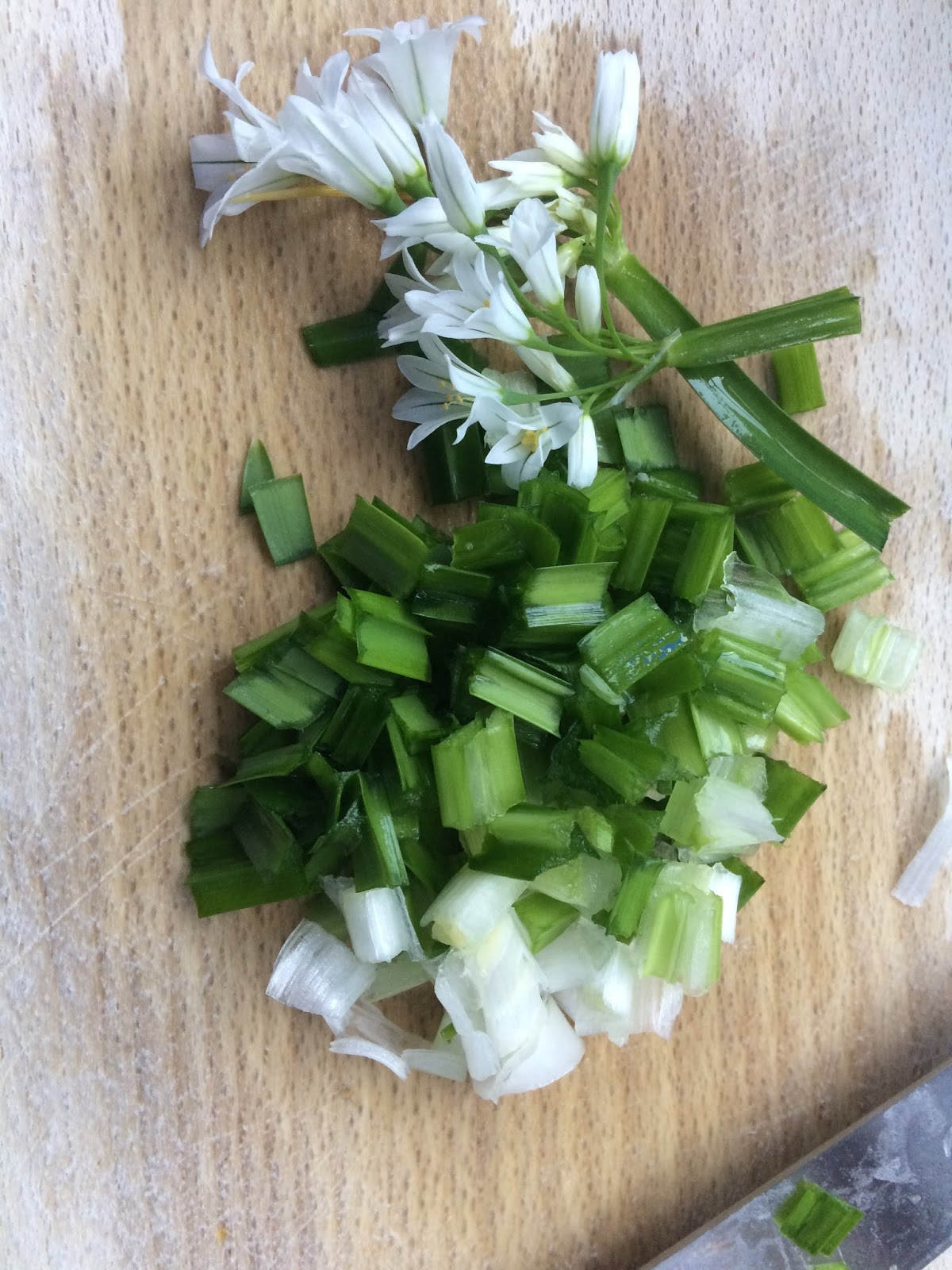
At this point you can add a chopped spring onion, or some chopped onion, or chives, but since I picked my first onion weeds I added a couple, bulb, stems and leaves, You can also add the flowers, but I kept them for decoration (i.e. to take the photo!). 


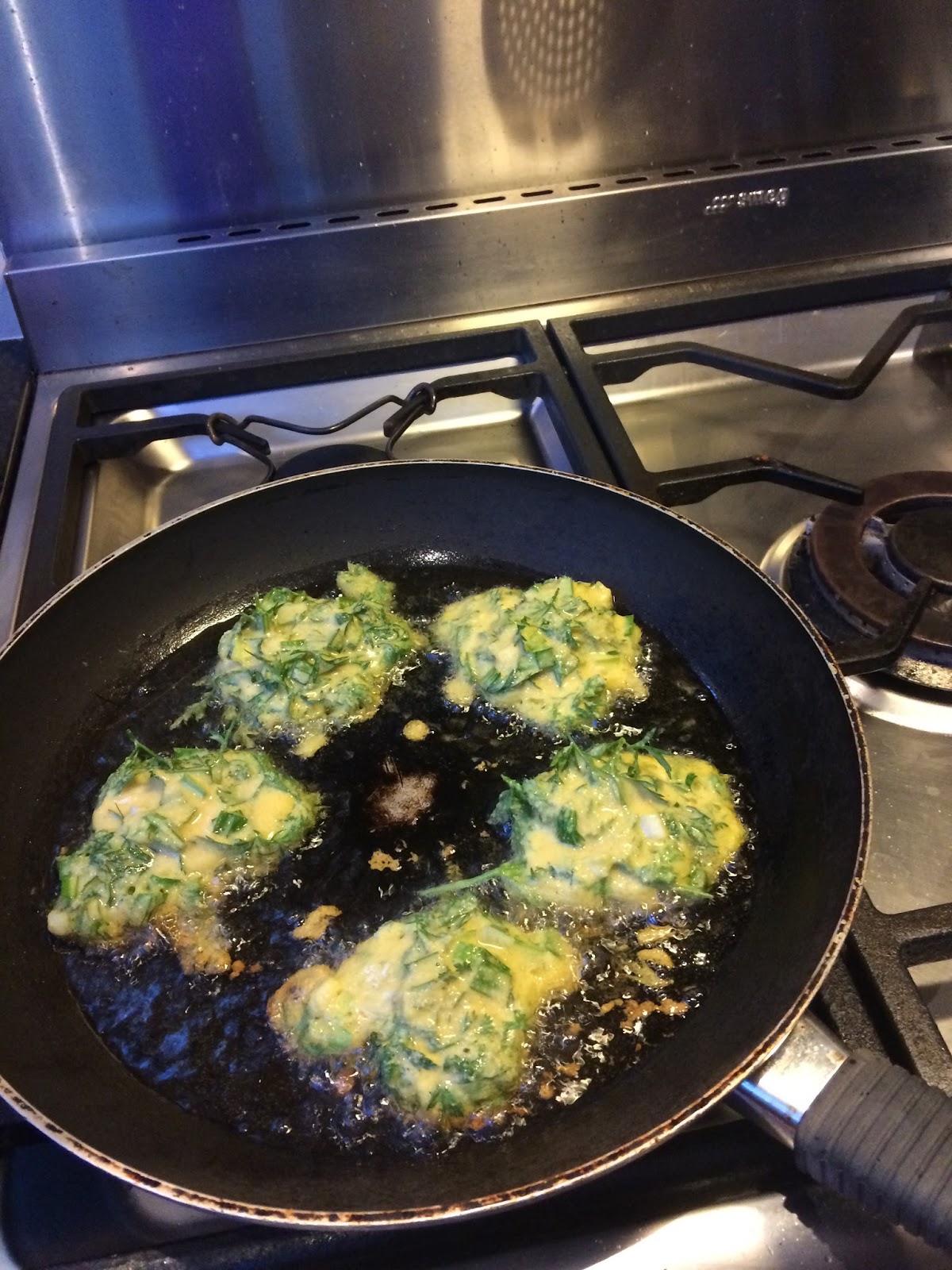
Spoon into a frying pan with hot vegetable oil and cook on both sides until crispy.


Drain on kitchen paper, sprinkle with salt (optional) and then serve, hot or cold, with a good squirt of lemon juice.

Photos and Recipes by Alessandra Zecchini ©

Saturday, February 10, 2018

Risi e bisi coi baccelli - Fresh pea risotto with pea pod broth (waste not!)


Peas are a precious crop for me, I don't like to buy big bags of frozen peas like everyone seems to do in New Zealand (and other countries), it makes them feel 'cheap' and 'common' and an everyday boring side veggie.

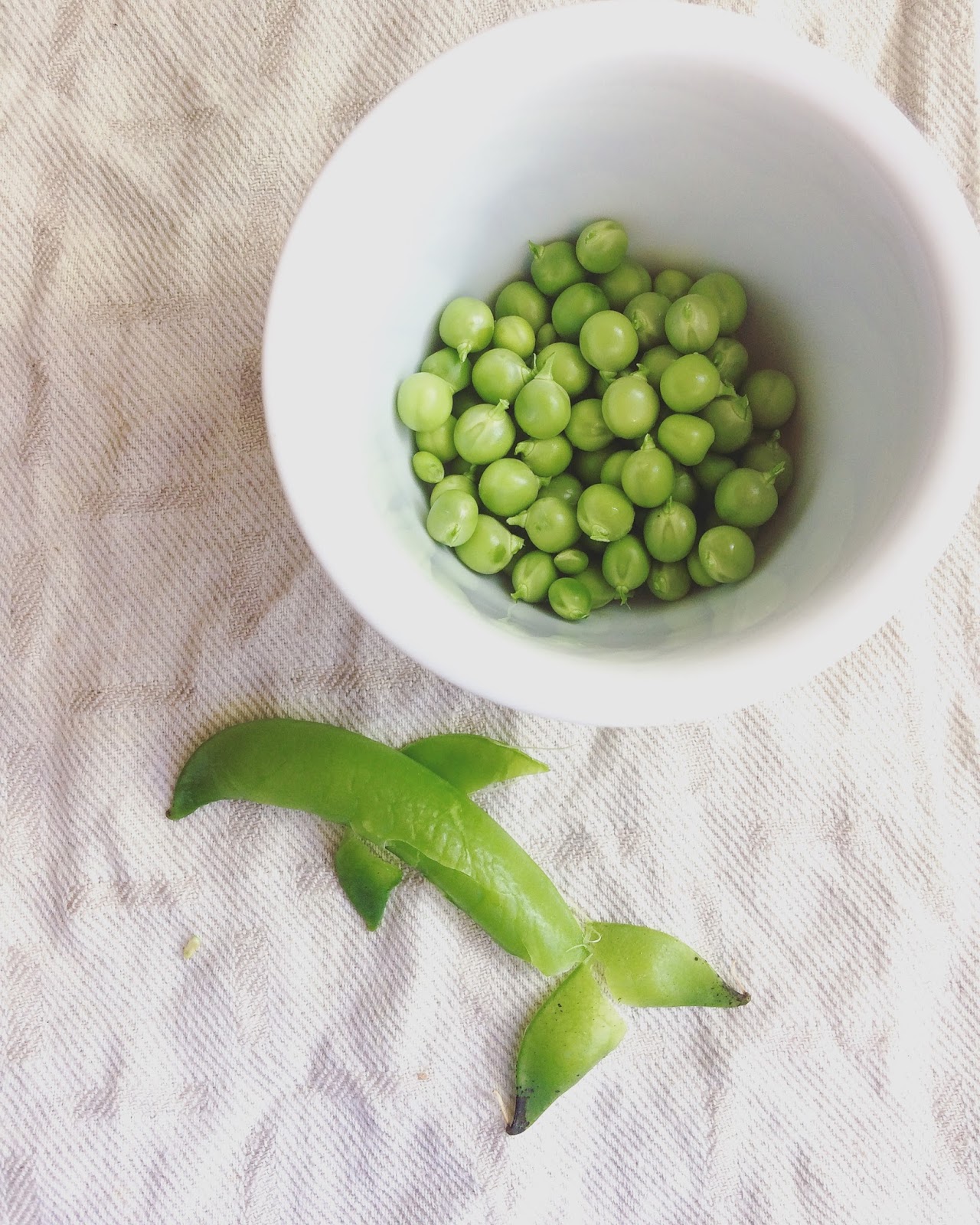
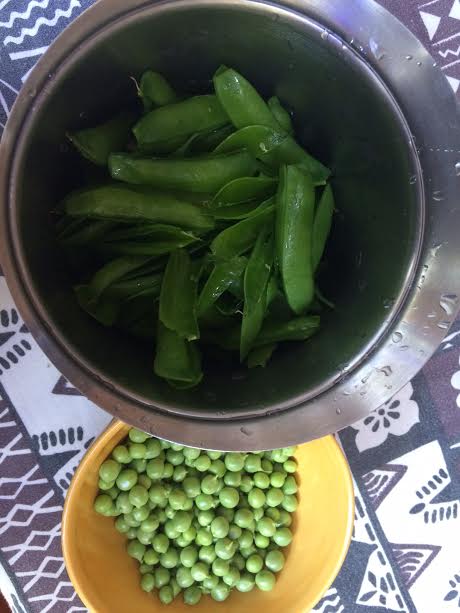
I like my fresh peas and I like them to be the main player in a dish, like for risi e bisi, a traditional risotto dish from Veneto, Italy. And the best part of growing them? Is to keep the pods, and as I am a NO-FOOD-WASTE advocate, to use them to make stock, which will be the base of the risotto. So shell the peas and keep the pods, wash them well and place them in a pot with water (I used about 1.2 litres of water for a basket of peas) and rock salt and simmer for at least one hour. You can also add a little parsley or celery leaves to the stock, but not too much as they have very strong flavour. Filter the stock and keep hot. You can also cut the pods into tiny strips and add them to the risotto, but I just gave them to some hungry visiting chickens (big mistake, they are always around my house now!!).


To prepare the risotto chop an onion and saute with margarine or soy butter (olive oil ok but vegetable butter is better for this). Butter should still be bubbling when you add the rice (I used arborio). Stir until the rice is hot then add the peas.


Stir again and then start adding the stock, little by little. If you use a good casserole you can cover the risotto from time to time and let is absorb the liquid, otherwise keep stirring and adding stock until the risotto is ready.


Towards the end test for salt and add a little pepper if you like. Eat hot. Leftovers are good to make croquettes or arancini the day after.


Photos and Recipes by Alessandra Zecchini ©

Monday, February 5, 2018

Plum and strawberry smoothie


This is the season for plums, and we also have a few last strawberries in the garden, enough to add to smoothies and make them sweet! In fact I love the fact that plums are a little tart, but they do benefit from the strawberry sweetness. As a base I used half apple juice and half coconut water. Perfect breakfast!

And now a few things from my garden!


Photos and Recipes by Alessandra Zecchini ©

Wednesday, January 31, 2018

Two recipes for face steam for teenagers (and everyone else): Calendula and lavender face steam, and calendula, rose and sage face steam

Calendula and lavender face steam


Something a little different today, not food but a floral face steam for my two teenagers! I have plenty of calendula and lavender in the garden so I picked some petals and put them in a bowl. Then you just need to add boiling water and enjoy a face steam. My kids loved it, and I am planning to dry some of the petals to keep for winter... just need a bit of sun though!!  (PS, the rose is just for fun.. but you could add rose petals too, try the next recipe).

Calendula, rose and sage face steam


This is also very aromatic: use calendula as the base since is it good for healing skin from acne, and add rose petals and sage flowers (which have a milder flavour that sage leaves). Also good to clear nose and mind!


Photos and Recipes by Alessandra Zecchini ©

Tuesday, October 10, 2017

How to grow and make your own gari (pickled ginger for sushi)


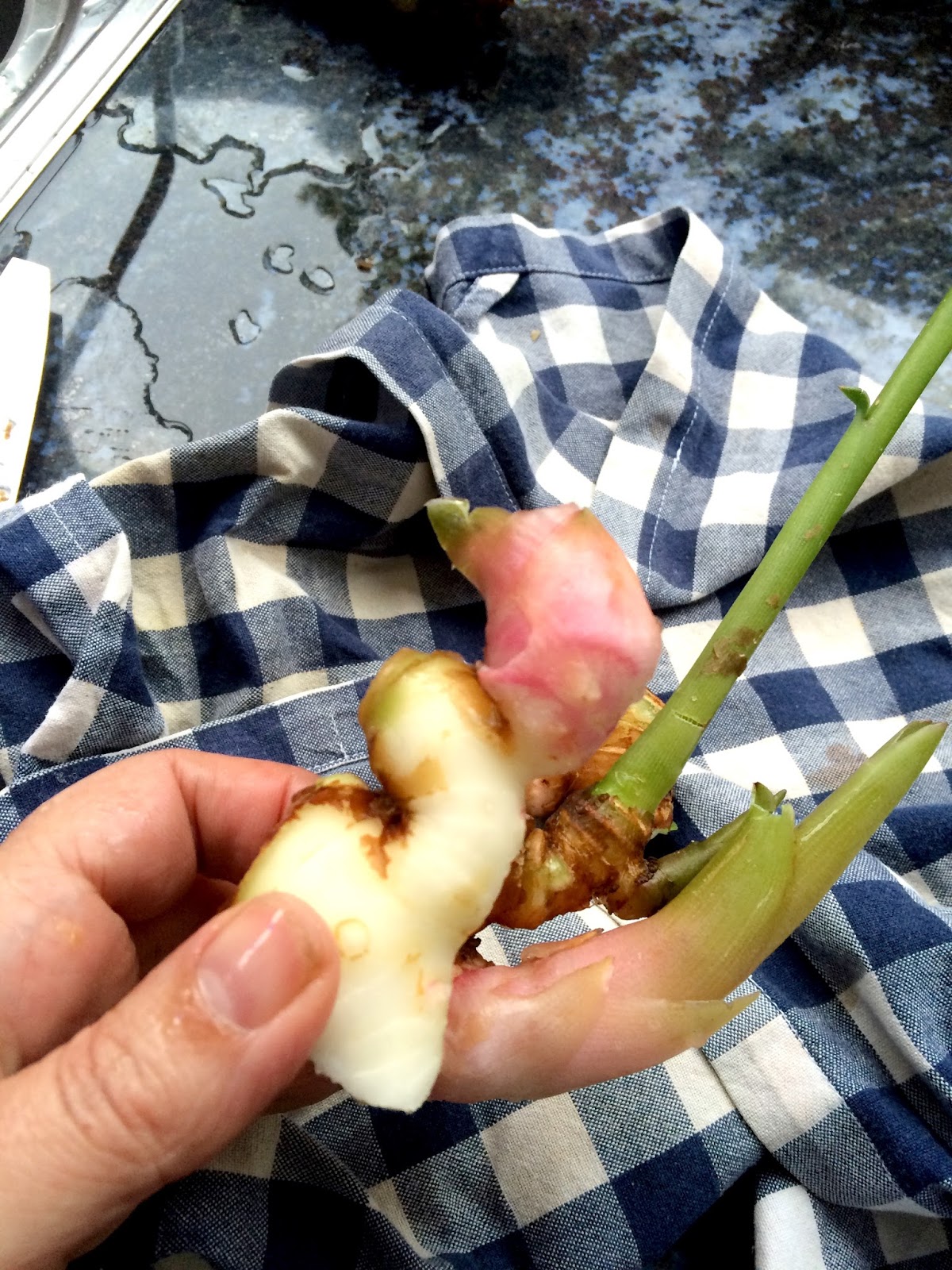
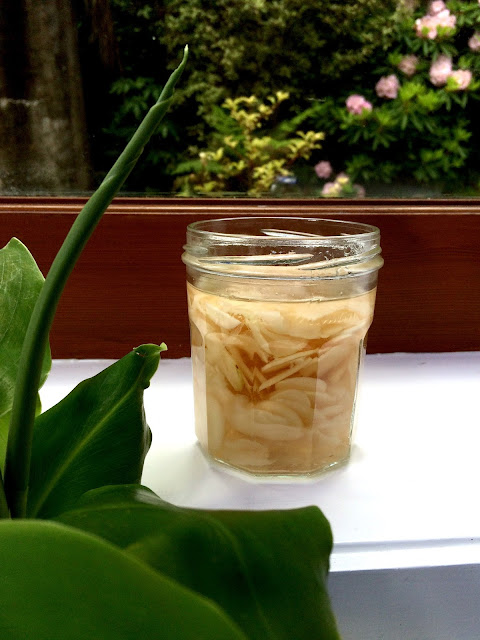
To make gari, the lovely pink pickled ginger for sushi, you need to have very fresh ginger roots, which are not to easy to find. So I grew my own! Bough ginger roots sometimes have a little green bud, or develop one if you leave them outside the fridge, and in this case you can just break a piece off (the one with the bud, of course) and plant it! I did just this, not knowing what to expect, and I was rewarded with a big leafy ginger plant! When I 'harvested' the roots they were fresh and fragrant, perfect for making gari. 

For the recipe I looked up one of my favourite books, The Book of Sushi, published by Kodansha International. Sadly Kodansha doesn't publish anymore in English, which is a real pity as they made some outstanding books on Japanese culture, including several cooking books, so this book may not be easy to find now.


I washed my ginger roots (I could not break much of it, as I made the mistake of planting it in a pot with a lemon tree and the root was too deep down to remove completely), but I had enough.


The skin is easy to remove with a spoon or finger nails. Remove the buds, you just need the root, hopefully with a hint of pink in it. Then slice the root as finely as you can manage.  


Then I added a few generous pinches of salt (I used some unrefined salt, but the book is not specific on which salt - or how much, to use) and left it stand for one day. I put a weight on top too, to make sure that the ginger got well pickled by the salt, but this was not requested by the original recipe.
The day after I rinsed the ginger under fresh water.


Then the book says: ....place in a marinade made of 1 cup of rice vinegar, 7 tablespoons water and 2½ taspoons sugar. Allow the ginger to marinate one week.

Well, first of all I noticed that I run out of rice vinegar, but I had some sushi vinegar, which already contains sugar and salt. Secondly, and this is my personal taste, I rather use less sugar (and salt) so I did a mixture of half sushi vinegar and half water. Thirdly, I brought the mixture to the boil, threw the ginger slices in, boiled them from a few seconds and turned the element off. I did this simply because I felt safer pickling it this way, and the result was great! I stored the gari in a glass jar in the fridge for one week before using it, now it is about two months old, almost finished, but still very good.

The original colour is a very light pink, which I like very much as it feels natural to me. The second pink, very vibrant, I made by soaking my own made gari for just a few minutes in the brine of shibazuke, which is a Japanese pickled mix of cucumber and eggplant and red shiso. It is the red shiso that gives out the pink/magenta colour, so anything picked with this leaf will work (and pickles also have plenty of brine left over, which I never throw away but use to colour rice.

Waste not waste not, this is my motto!
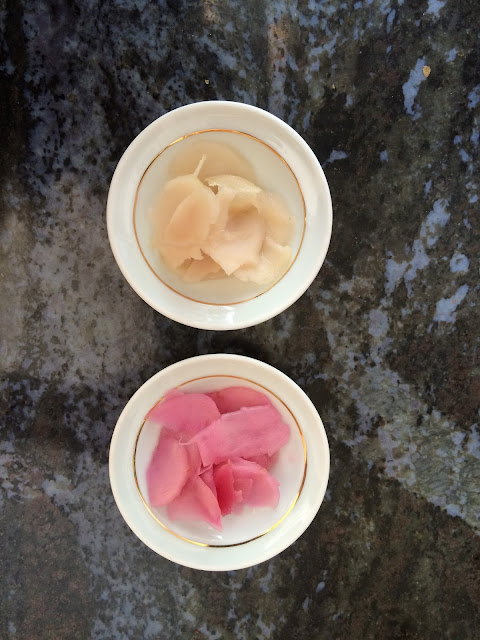
Natural gari (top) and gari coloured with red shiso (bottom)

I have to say that I was very happy with the results for taste, texture and ... colours!


Photos and Recipes by Alessandra Zecchini ©

Monday, February 20, 2017

Using and freezing vegetables from the garden, plus grissini recipe


I love summer and the smell of my veggie garden! It is a bit like a jungle now and we are towards the end of the season so there are more weeds than veggies, but what a joy! One of the best things for me is to make minestrone soup with whatever I can pick on the day, even when it is hot (and then you can have it warm). And I am saving some for winter in some old ice cream containers. So funny, my boy opened the freezer the other day and was excited seeing boxes and boxes of ice cream, I felt a bit mean telling him what they actually contained...


Then I like to put veggies on focaccia and pizza, yellow and green zucchini slices look good and taste even better!


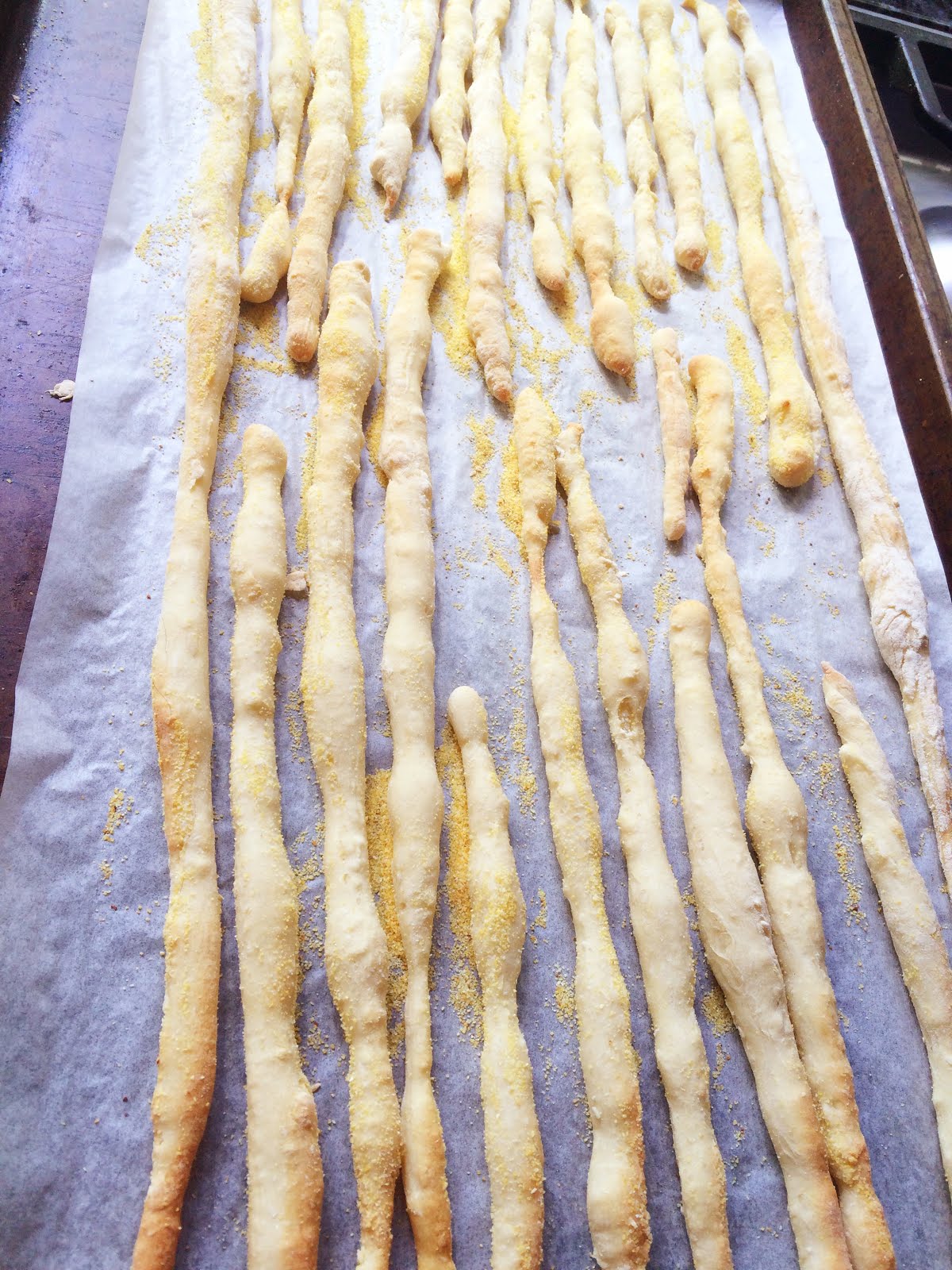
Ok, this is nothing to do with veggies, but it is so cool to make grissini, I just use some basic bread dough (500g high grade flour, 2 tbsp gluten flour, 300ml water, pinch of salt, brewer yeast and pinch of sugar), add a bit of olive oil and stretch out long grissini which I roll in polenta flour before baking.


Happy cooking and baking!

Photos and Recipes by Alessandra Zecchini ©
Saturday, September 13, 2014

A basket of veggies from the garden to make soup


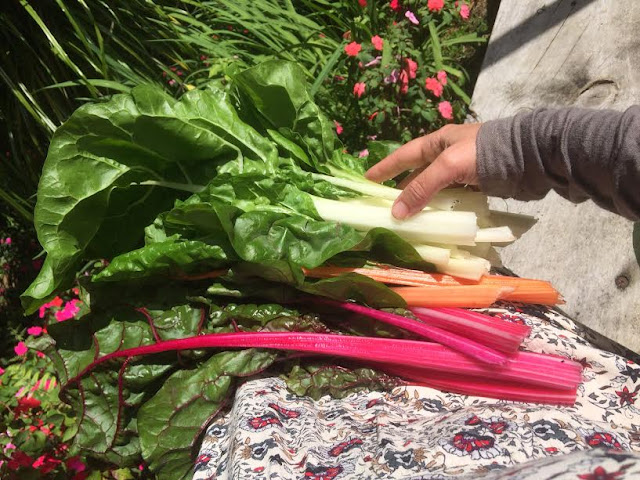
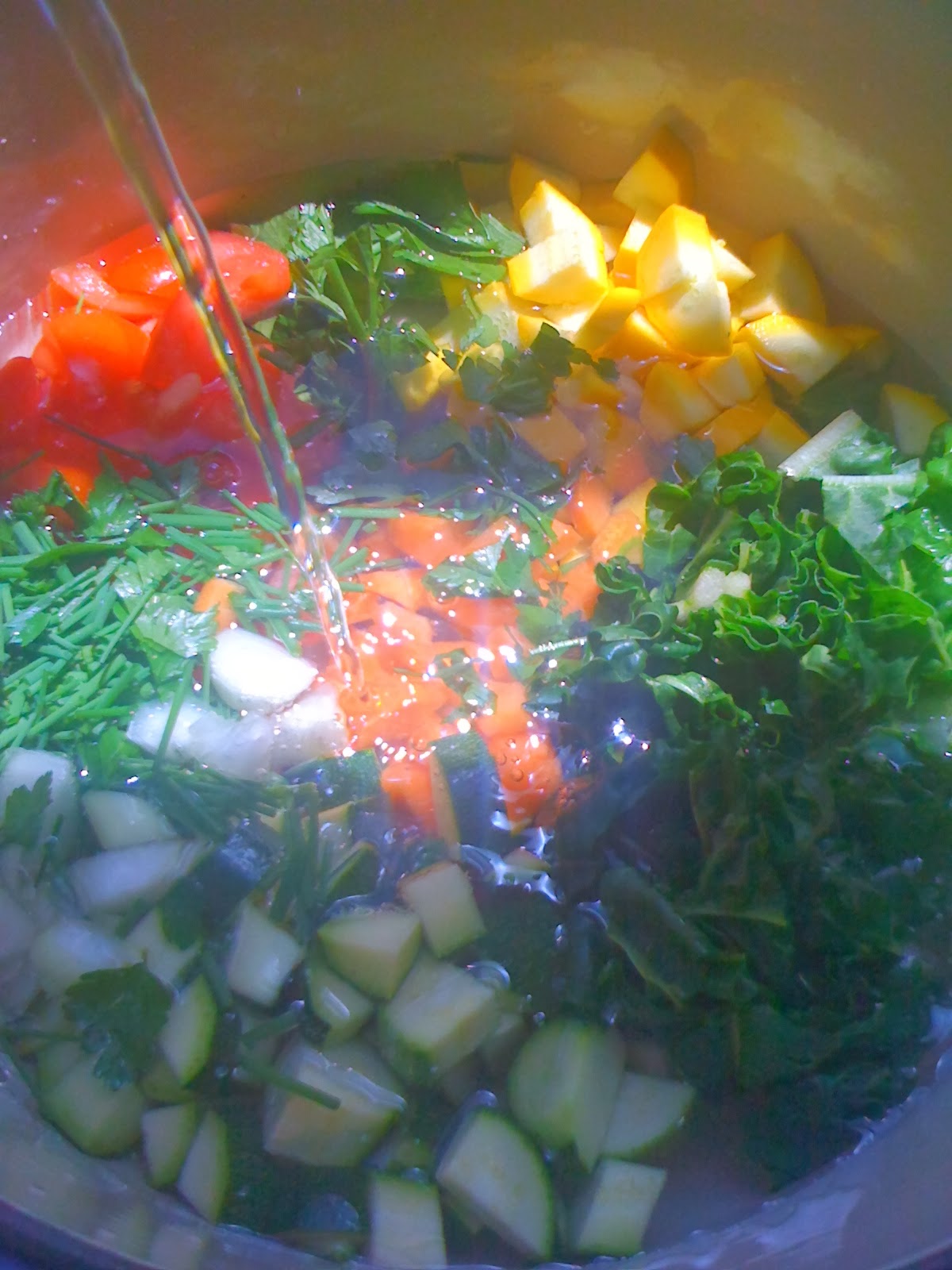
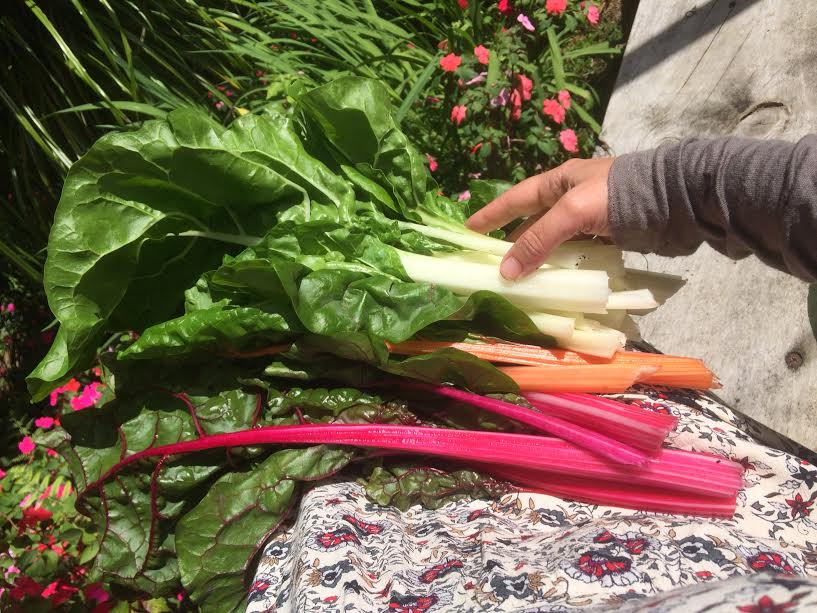
Vegetable soup with: yellow zucchini, green zucchini, plum tomatoes, parsley, chives, celery,
carrot, silver beet, onions. The onion are really small but I can't grow them any bigger in the bush so
I grow them in pots.
Chop, add water (rain water for me, so this too is free!) and salt, then cook. You can add a bit of
extra virgin olive oil at the end.
Photos and recipes by Alessandra Zecchini ©
Tuesday, February 18, 2014

Vegan and gluten free soup: Minestrone with veggies from the garden


Do you get tomatoes plants that die and leave you with green tomatoes hanging there not ripening? I do! What a pity, but even if some veggie are ugly I can still manage to make a soup out of them!


I don't know why the yellow zucchini plant is three times more prolific than the green one! Still, I am not complaining, look at the colour!


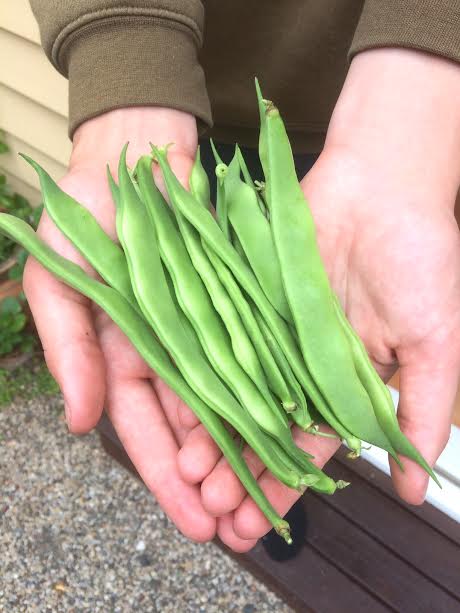
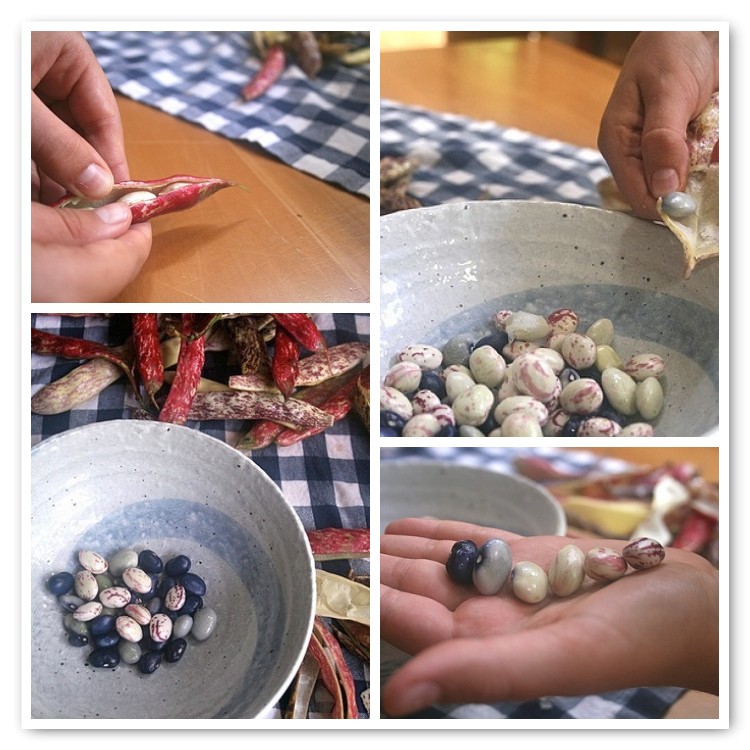
My favourite additions to soups are beans, it is just so much fun shelling them and look at the beautiful colours. Pity that they become all brown during cooking.


And here is the minestrone. No recipe, just wash, chop and boil, add salt to taste and extra virgin olive oil at the end. So tasty and healthy! Some of the photos are mine, but the prettiest are Arantxa's!


Photos and recipe by Alessandra Zecchini and Arantxa Zecchini Dowling ©

Saturday, May 11, 2013

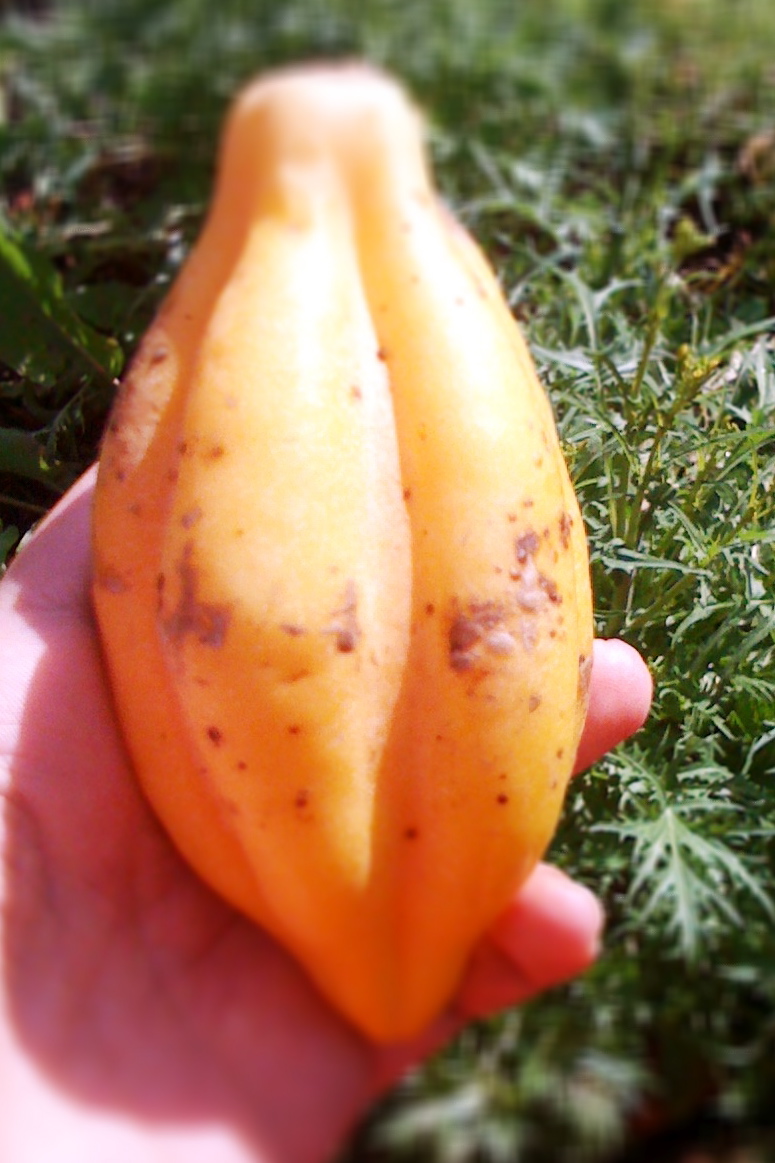
Mountain pawpaw with lemon and sugar


This is a sweet smelling mountain pawpaw. Apparently you can eat the seeds like for passion fruit, but I planted mine (unfortunately it has been really dry and I think that they didn't survive!). For the flesh I just added a few drops of lemon juice and a tiny bit of sugar, and then I let the fruit marinate for a few hours. Very nice for dessert, snack or breakfast (with your cereals).


Photos and Recipes by Alessandra Zecchini ©