Showing posts with label How to make.... Show all posts

Tuesday, October 10, 2017

How to grow and make your own gari (pickled ginger for sushi)


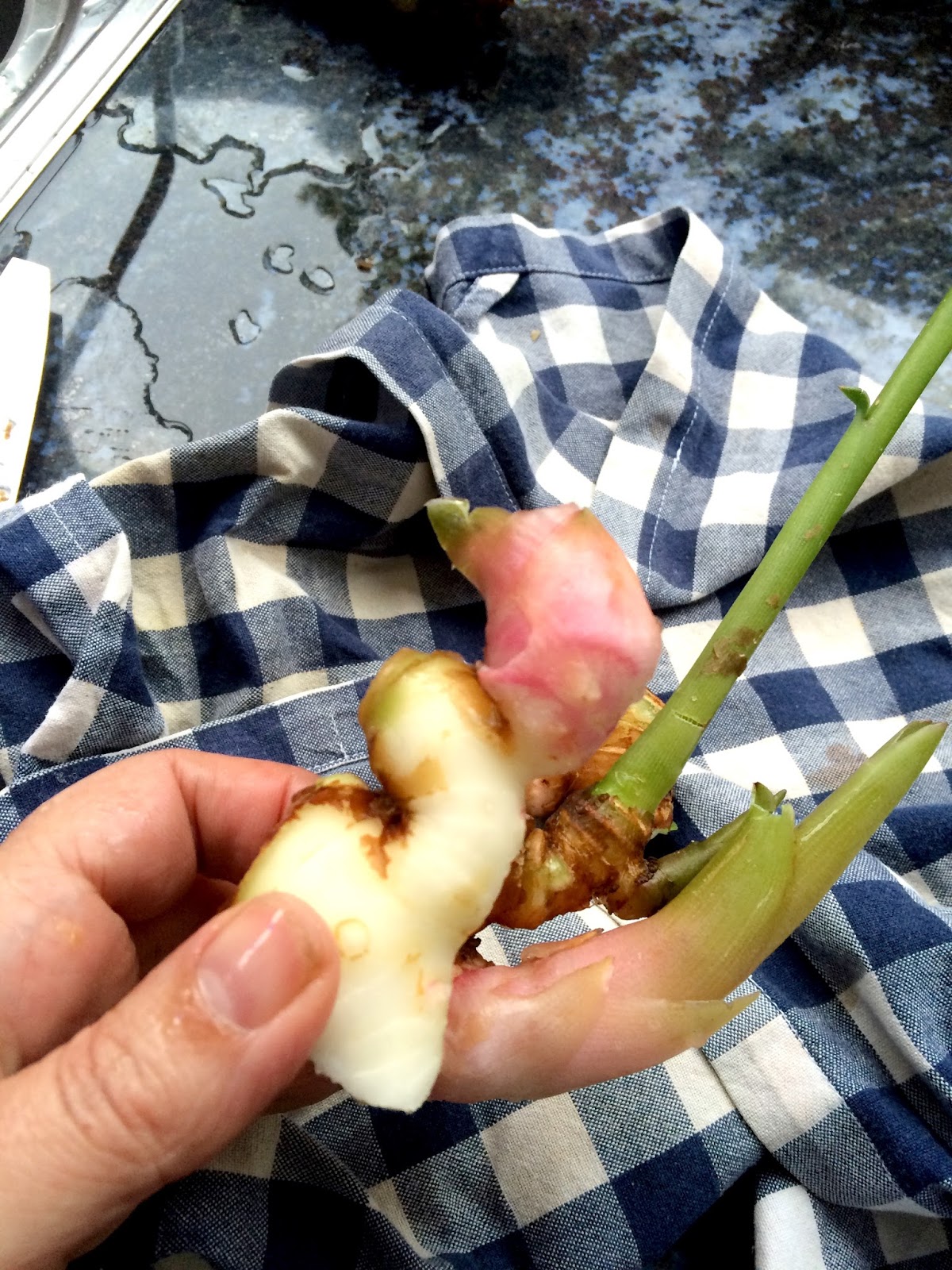
To make gari, the lovely pink pickled ginger for sushi, you need to have very fresh ginger roots, which are not to easy to find. So I grew my own! Bough ginger roots sometimes have a little green bud, or develop one if you leave them outside the fridge, and in this case you can just break a piece off (the one with the bud, of course) and plant it! I did just this, not knowing what to expect, and I was rewarded with a big leafy ginger plant! When I 'harvested' the roots they were fresh and fragrant, perfect for making gari. 

For the recipe I looked up one of my favourite books, The Book of Sushi, published by Kodansha International. Sadly Kodansha doesn't publish anymore in English, which is a real pity as they made some outstanding books on Japanese culture, including several cooking books, so this book may not be easy to find now.


I washed my ginger roots (I could not break much of it, as I made the mistake of planting it in a pot with a lemon tree and the root was too deep down to remove completely), but I had enough.


The skin is easy to remove with a spoon or finger nails. Remove the buds, you just need the root, hopefully with a hint of pink in it. Then slice the root as finely as you can manage.  

Then I added a few generous pinches of salt (I used some unrefined salt, but the book is not specific on which salt - or how much, to use) and left it stand for one day. I put a weight on top too, to make sure that the ginger got well pickled by the salt, but this was not requested by the original recipe.
The day after I rinsed the ginger under fresh water.


Then the book says: ....place in a marinade made of 1 cup of rice vinegar, 7 tablespoons water and 2½ taspoons sugar. Allow the ginger to marinate one week.

Well, first of all I noticed that I run out of rice vinegar, but I had some sushi vinegar, which already contains sugar and salt. Secondly, and this is my personal taste, I rather use less sugar (and salt) so I did a mixture of half sushi vinegar and half water. Thirdly, I brought the mixture to the boil, threw the ginger slices in, boiled them from a few seconds and turned the element off. I did this simply because I felt safer pickling it this way, and the result was great! I stored the gari in a glass jar in the fridge for one week before using it, now it is about two months old, almost finished, but still very good.


The original colour is a very light pink, which I like very much as it feels natural to me. The second pink, very vibrant, I made by soaking my own made gari for just a few minutes in the brine of shibazuke, which is a Japanese pickled mix of cucumber and eggplant and red shiso. It is the red shiso that gives out the pink/magenta colour, so anything picked with this leaf will work (and pickles also have plenty of brine left over, which I never throw away but use to colour rice.

Waste not waste not, this is my motto!

Natural gari (top) and gari coloured with red shiso (bottom)

I have to say that I was very happy with the results for taste, texture and ... colours!


Photos and Recipes by Alessandra Zecchini ©


Thursday, August 11, 2016

Easy to make hazelnut milk and instant vegan Nutella


Now that I have a nutribullet I am trying all sort of experiments, and this is my first nut milk.
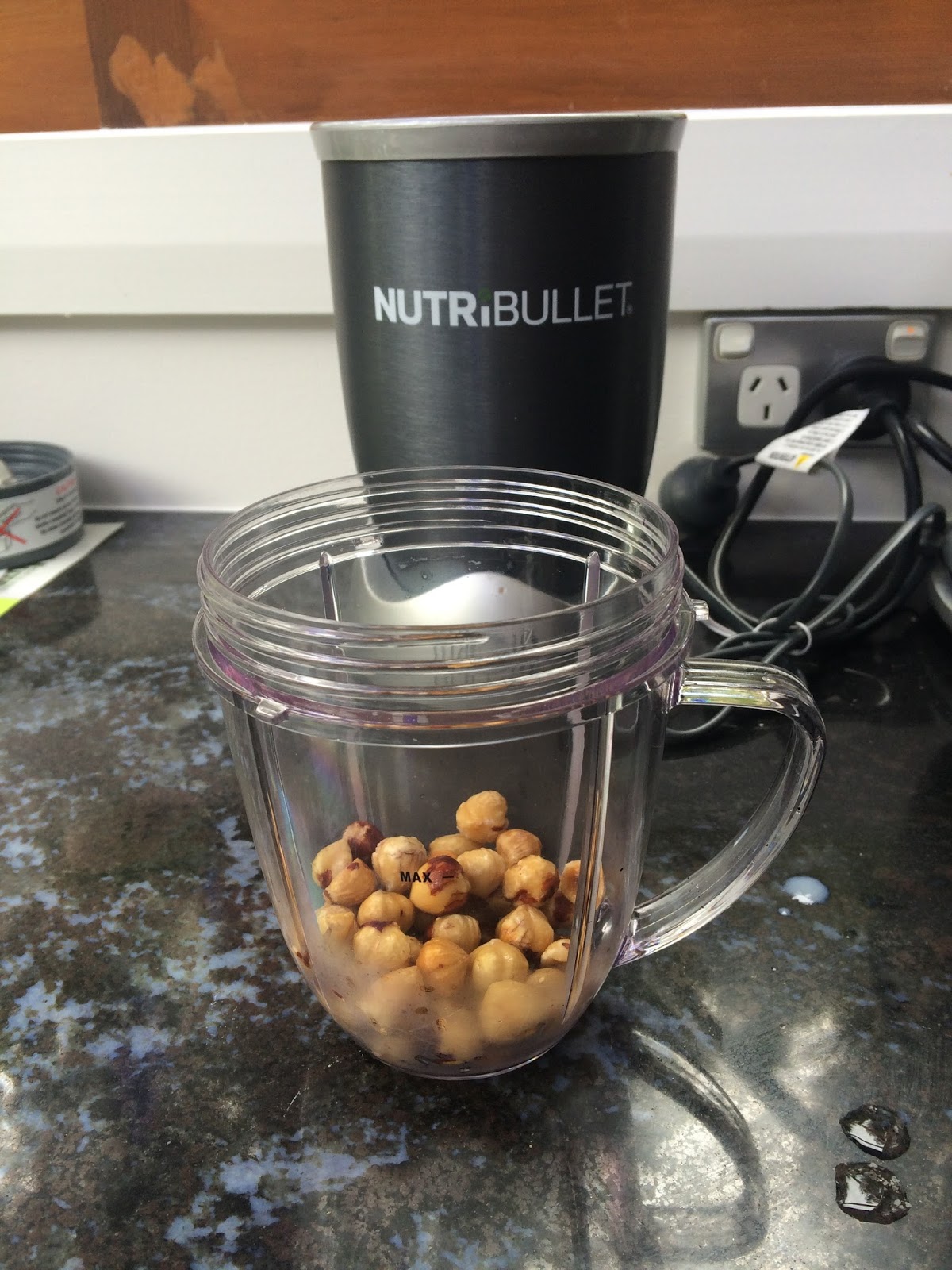
I used toasted hazelnut, but I guess that if you are into raw food you can use raw hazelnuts. I like toasted hazelnuts though, and a rinsed mine with water to remove as much as i could of the brown skin.


Then I added a bit of water, about twice the amount of the nuts. A quick blend and here is the result!


I passed the milk through a sieve, it tasted great but a bit grainy, so I passed it again using a fine cotton cloth (a clean handkerchief would work).


The ring from the nutribullet jag is ideal to keep the cotton in place while the milk is filtering though!


I got one glass, but where is the photo? Ops, Arantxa drunk it all at once! Max and I just had a taste. The hazelnut taste was great! Plus there was quite a bit of hazelnut paste left over. 

Instant Vegan Nutella

Place the hazelnut paste in a bowl or jug with a few block of dark chocolate, place into a saucepan with some water and bring to the boil to melt the chocolate. Stir. Done.


The resulting chocolate spread has a lovely gianduia flavour (cocoa and hazelnut) but it definitely feels low fat, and it is not too sweet either. Really lovely, and so easy to make!


Photos and Recipes by Alessandra Zecchini ©
Wednesday, December 9, 2015

How to make potato and pumpkin gnocchi step by step


To make gnocchi you need big floury potatoes, like agria, wash them and boil them with the skin. Do not peel first! Peel the potatoes only after they have been boiled, then press with a potato ricer. This is very important, if you you a blender or food processer you will not get the right texture.


I added a bit of cooked pumpkin too (not necessary, but I had it!). Then salt, pepper and ground nutmeg. And then a bit of flour, enough to get a workable dough. There is no exact dosage really, it all depends on how floury are your potatoes, and adding pumpkin does require a bit more flour too.


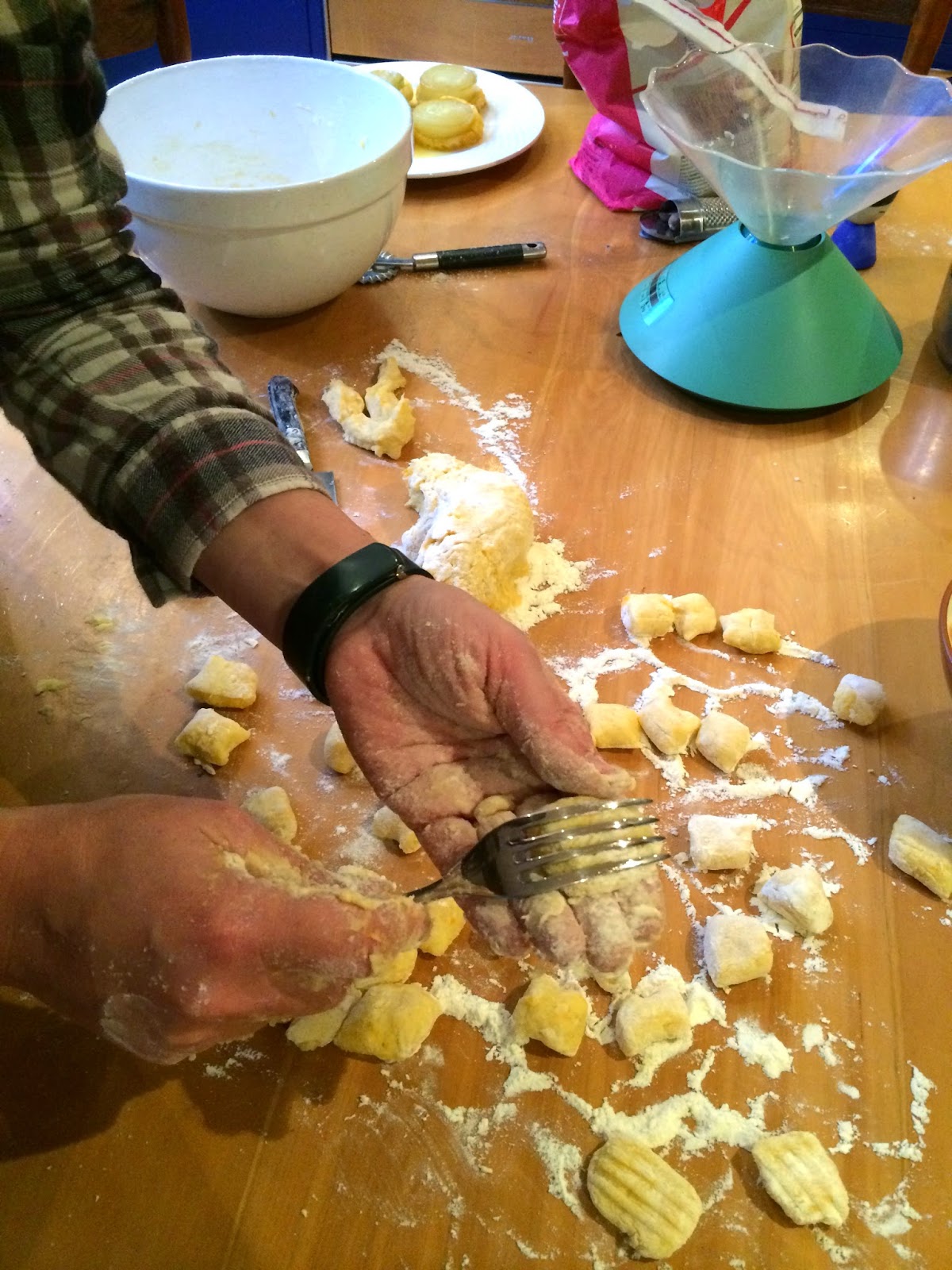
Take a piece of potato dough and roll it into long strips, then cut off the gnocchi.


Shape the gnocchi with the help of a fork to make some incisions on the top.


The gnocchi is ready! Cook in salted boiling water and as they rise to the surface remove with a slotted spoon and place in the pot with the sauce of your choice.


Photos and Recipes by Alessandra Zecchini ©

Thursday, June 11, 2015

Picking, treating and preserving olives in brine, and olives marinated in olive oil and herbs


Preserving olives is a rewarding experience. If you don’t have an olive tree you may be able to forage olives from trees in community gardens and in parks.  Usually olives are ready around April-May (in New Zealand).
Pick the olives from the tree (never from the ground) and wash well in cold water. If you prefer sweet-tasting olives you can put them in a bucket of water for up to 40 days, or 20-30 days for very small olives, changing the water every 24 hours; the olives will become brownish in colour, and lose a lot of bitterness. After this period make a brine (recipe follows) and bttle your olives. If you prefer crispy green olives with a peppery taste, just wash them and soak them for a day, then preserve them in brine.

Brine for preserving olives

Before making the brine, be sure to have plenty of glass jars with lids, sterilised and completely dry.

Ingredients
Water
Salt

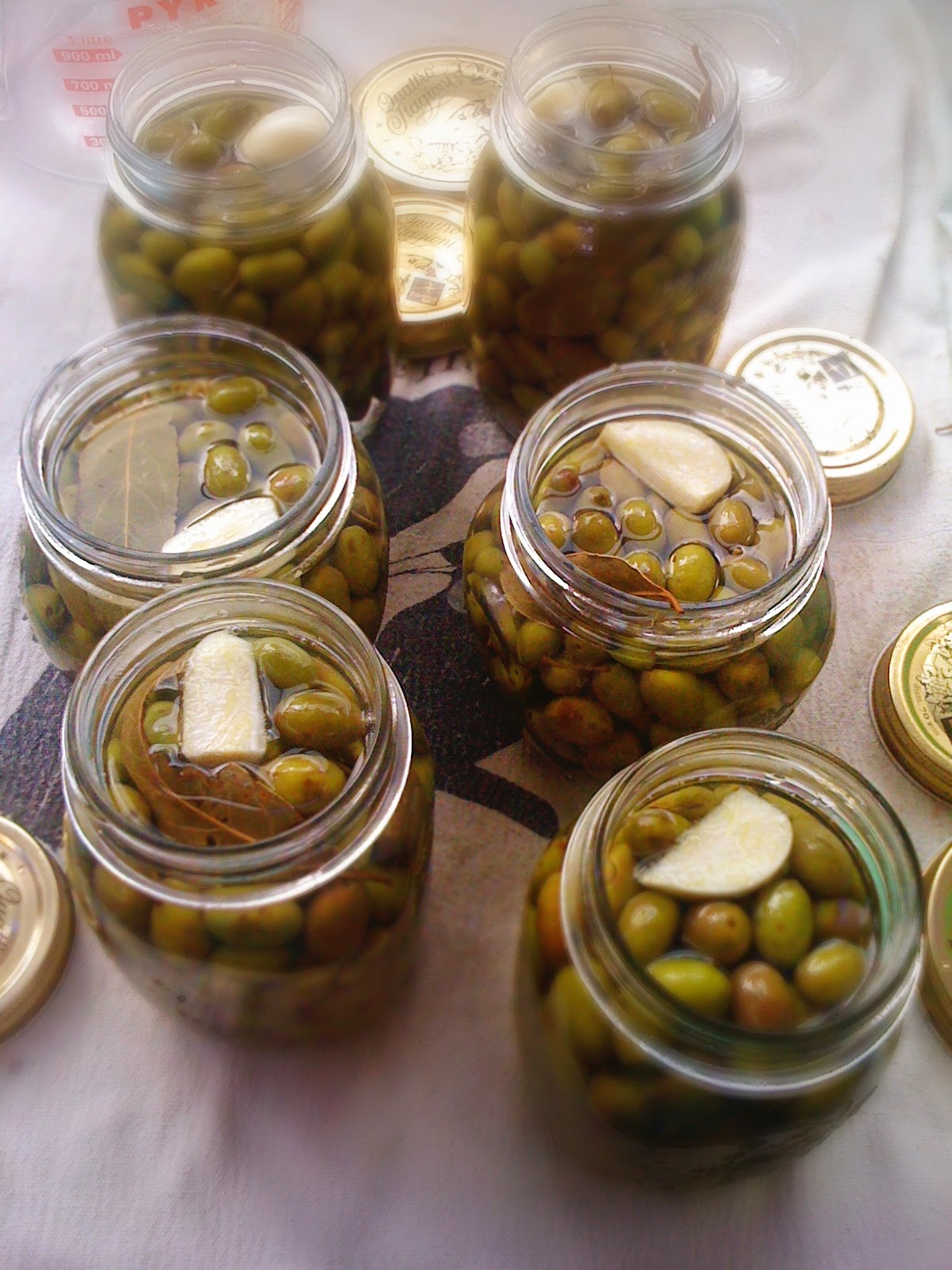
Prepare 10% salt brine (100 g of salt for every litre of water) by placing in a saucepan the water and salt.  Simmer until the salt is completely dissolved. Once the brine is cold place the olives into clean sterilised jars and cover completely with the brine.

To each jar add one more clove of garlic, a fresh bay leaf, a chilli pepper, or a fresh sprig of thyme.  Seal and put away in a dark place for three months. After this period the olives can be used in cooking or can be marinated with olive oil and your favourite herbs.
If you’d like to keep the olives for longer, prepare a new brine with an 8% solution (80 g of salt every for every litre of water) and put the olives into new jars with the fresh brine. Olives stored this way, and completely covered with brine, will last up to one year. Don't worry if you see white spots forming at the top of the brine, as this is natural — just remove them every time you open the jar, and always rinse the olives before using. Below is a recipe for marinating your preserved olives with olive oil and herbs, starting with your olives in brine.


Olives marinated in olive oil and herbs

I suggest you use a delicate olive oil for this recipe, like an extra virgin olive oil from the supermarket. Expensive olive oil is far too precious to marinate olives, unless you have your own press.

Ingredients
300 g olives in brine (green or dark)
1 sprig fresh thyme
1 sprig fresh oregano
1 sprig fresh rosemary
6 peppercorns
200 ml extra virgin olive oil


Drain the olives well from the brine, and give them a little rinse if necessary. Place in a large jar, add the herbs and pepper corns, and cover with the oil. Leave to rest for at least one day, and then serve. Store in a cool place and use within two weeks.

Photos and Recipes by Alessandra Zecchini ©