Showing posts with label Rice. Show all posts

Sunday, September 7, 2025

Risotto with red radicchio


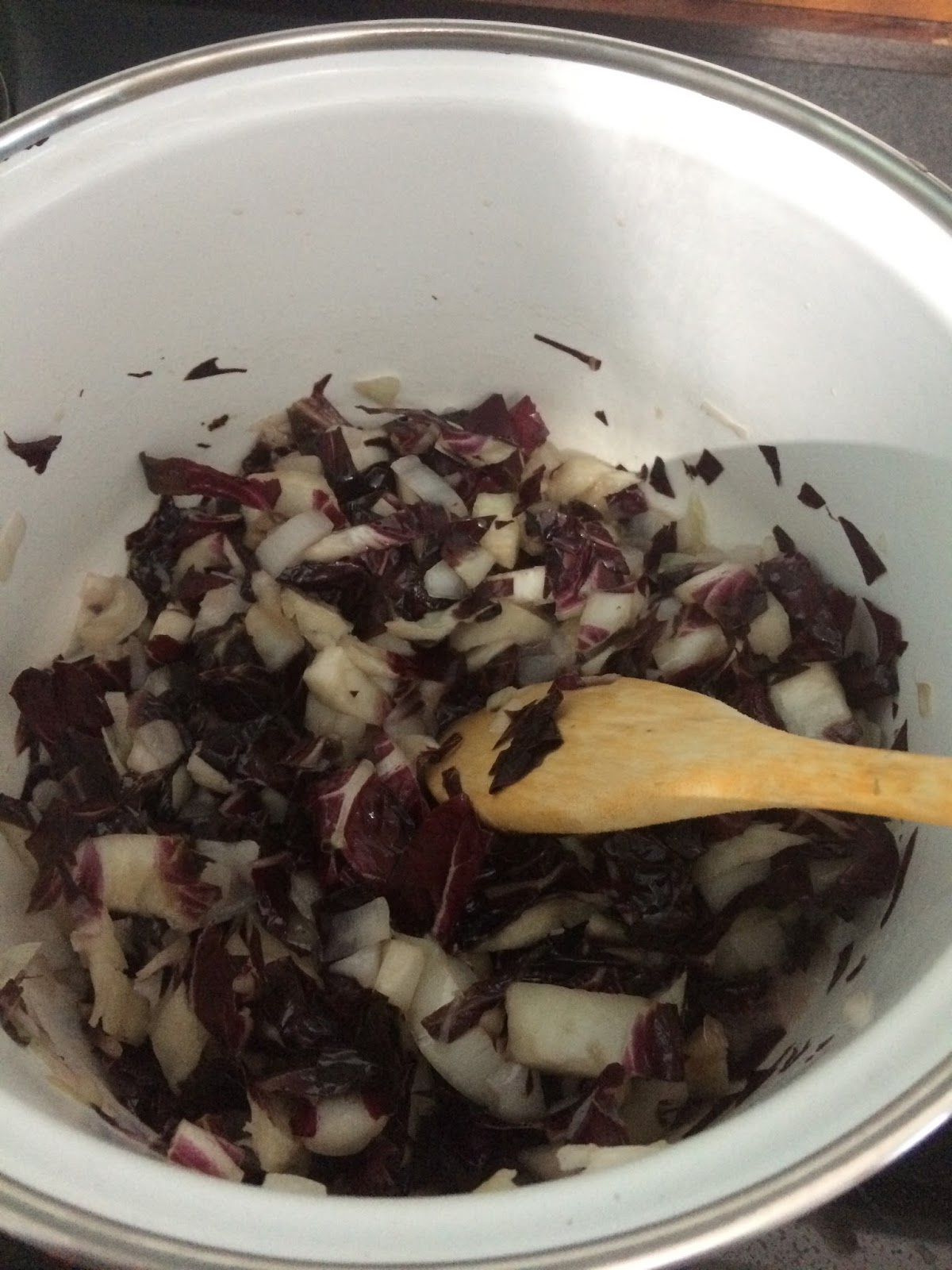
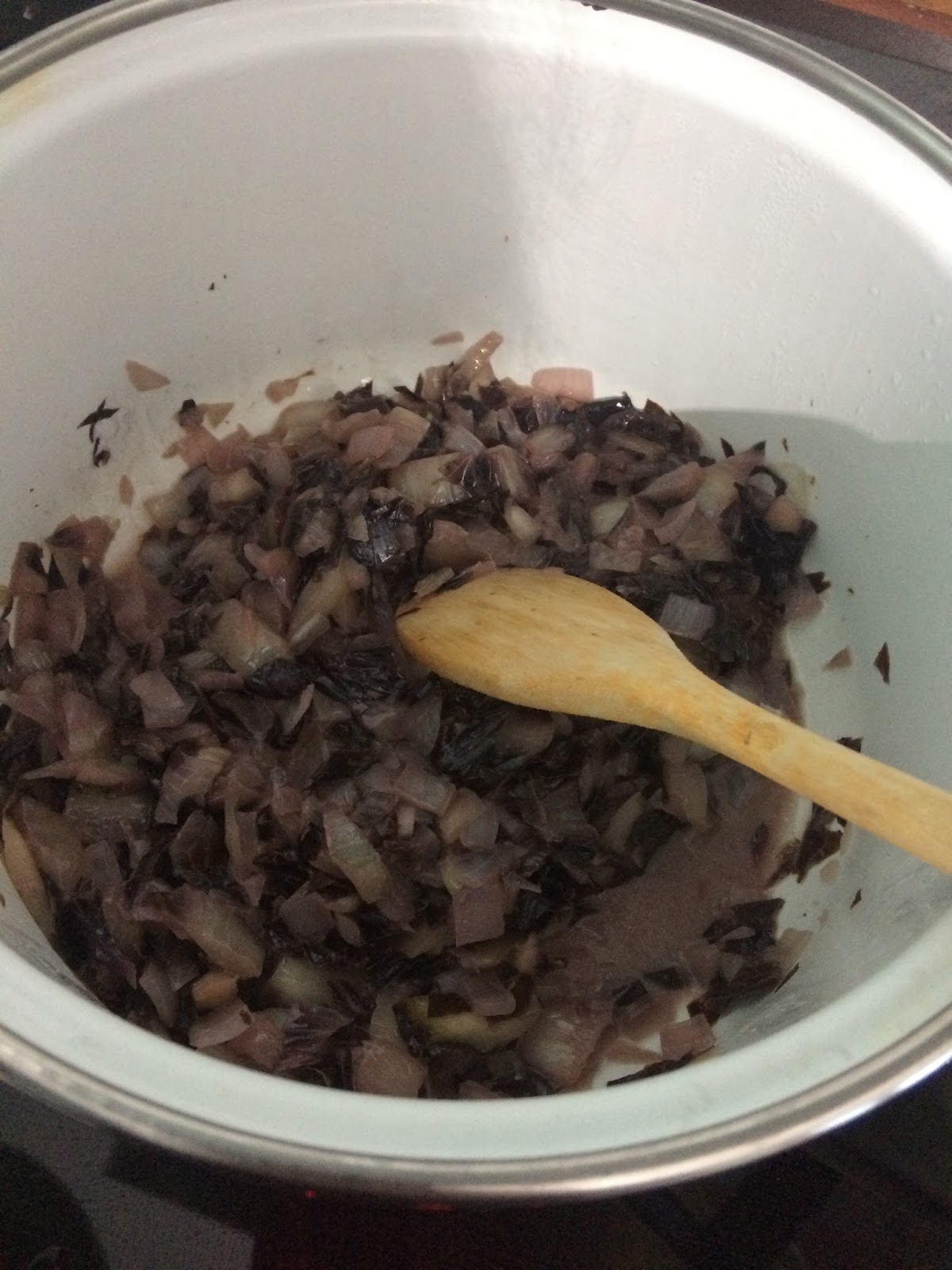
Sauté a small chopped onion with olive oil until translucent, then add chopped radicchio and a pinch of salt. Keep stirring. 


When the radicchio is soft and your Italian ancestors whisper to you that the time is right, add the rice. If you don’t have Italian ancestors then gently sauté the radicchio for about ten minutes, or until you lose the bitterness but not the taste. Add vegetable stock little by little until the risotto is ready. Adjust with salt and pepper five minutes before the end. It tastes great with a drop of Aceto Balsamico Tradizionale di Modena, if you have it.


Photos and Recipes by Alessandra Zecchini ©

Monday, March 8, 2021

Vegan Inari-san sushi with flowers


Wash the sushi rice (or Japanese rice) several times in cold water, until the water runs clear, and then cook it by absorption. The doses are about 1 and 3/4 (three quarters) cups of sushi rice for 2 cups of water, but that depends on the type of pot. You need a pot with a good lid, or you will loose too much steam. I kind of regulate myself by ear now, since I know my pots and pans. Bring the pot to boiling point, lower the heat and simmer until all the water has been absorbed. Once the rice is ready pour it into a bowl and stir it with a wooden spatula, cooling it with a fan if you can. 

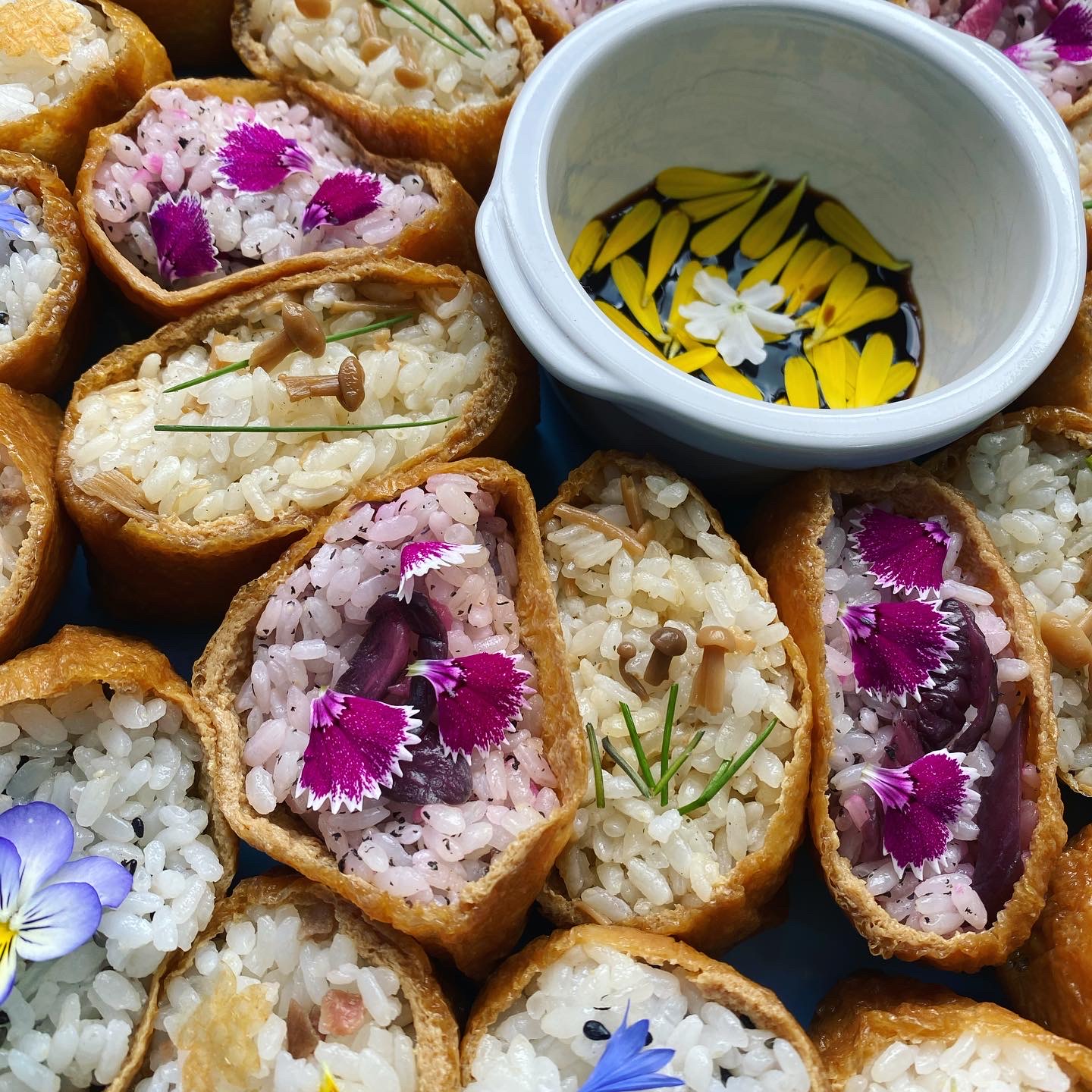
This was for a large party so I cooked 1 kg of rice. I divided the cooked rice into 4, to one I added Japanese preserved mushrooms, to the second toasted black sesame seeds and salt, to the third sakura furikake, and to the fourth shiso furikake. But you can just add sushi vinegar if you don't have furikake or other ingredients. Then I used the rice to fill inari pockets (available in Japanese and Asian store, and many supermarkets. I decorated the sushi pockets with dianthus, calendula, cornflower and violets. I also added some cutting of carrot paper (like nori sheet, but made of carrots), chives, and little mushrooms. I also added some calendula petals to the soy sauce. 


 Photos and recipes by Alessandra Zecchini ©

Saturday, July 13, 2019

Risotto with radicchio


One of the many joys of winter in Italy is the abundance of radicchio, and there are so many varieties, like this long and compact beauty, perfect for risotto.


I also found my Mum's old green pot (about 50 years old) which she always used to make risotto, and discovered that it is suitable to my new Italian kitchen's induction cooker. It may look a bit battered but it cooks beautifully!  


To start chop a white onion and sauté with olive oil, then add the chopped and rinsed radicchio with a pinch of salt, put the lid on and simmer, stirring from time to time, until the the radicchio is all wilted and doesn't taste too bitter.


It should take about 20 minutes on low, and look like this (with a bit of juice). Now add the arborio rice,  (I made risotto for 8 with about 600 g of rice, only one onion and one radicchio!).


Stir until the rice is hot and then start adding the vegetable stock, ladle by ladle as needed, you will need about two litres of it.


Keep stirring and adding stock until ready. When working with large quantities of rice it is better to rinse it first to remove a little starch, otherwise it will become too hard to turn, and too sticky.

Risotto with Radicchio is a great Italian classic, very popular in Veneto and Emilia Romagna (the best radicchio is from Treviso). Possibly in Veneto you would accompany it with one their fine whites, but in Emilia I paired it with a Pignoletto and it tasted great!  Enjoy!


Photos and Recipes by Alessandra Zecchini ©

Saturday, November 17, 2018

Miniature Sushi, every piece is a grain of rice


I find it very relaxing to make miniature food, and I particularly enjoyed making this. 
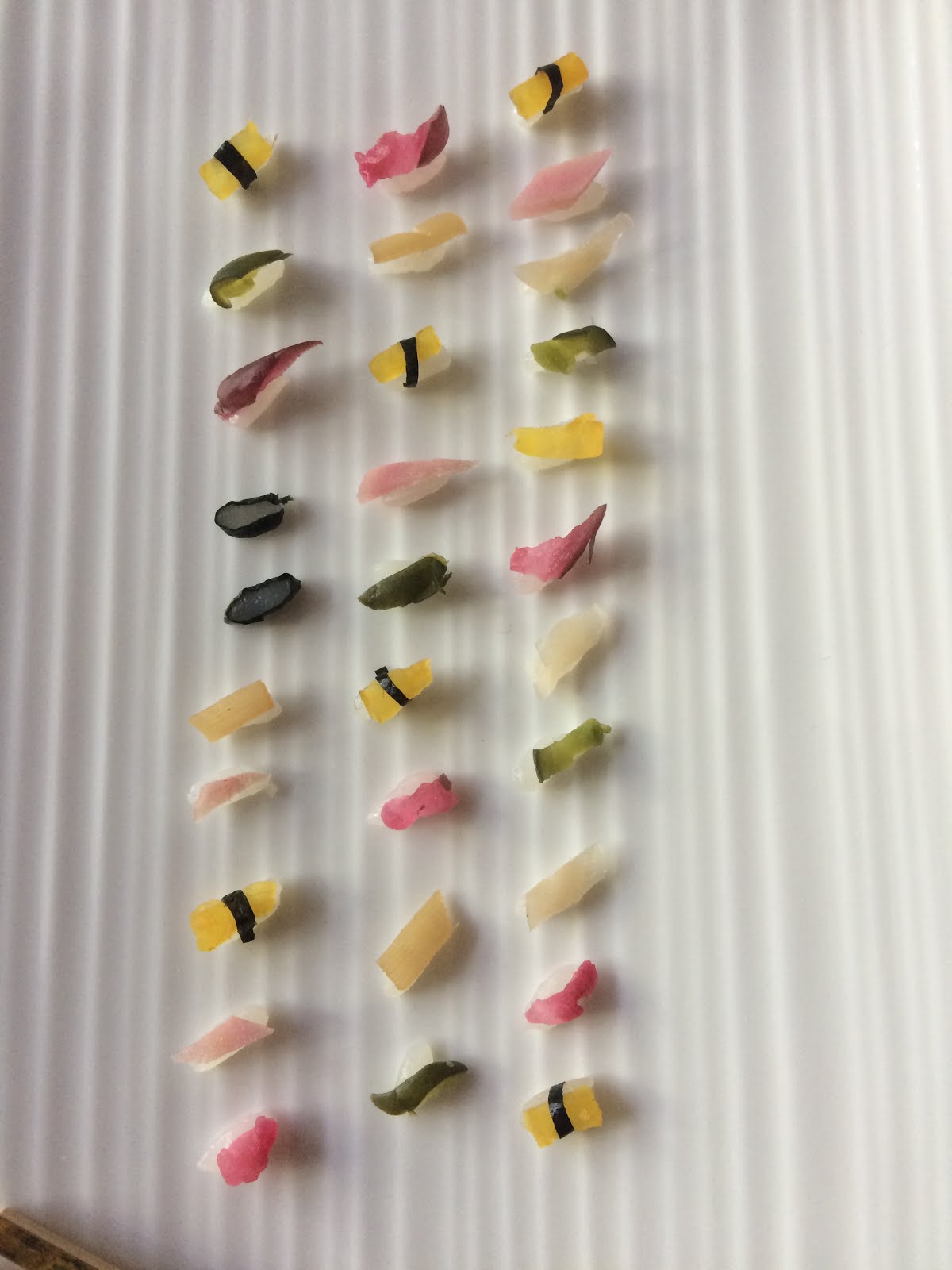
Could it be the smallest sushi in the world? Each piece is exactly a grain of rice! But it is easier that you may think, just check the video out.


I made the rice like regular sushi rice (recipe here) and for the toppings I just used a variety of Japanese pickles, plus nori and bamboo shoots, so this is actually a vegan sushi. It looked super cute!!


Photos and Recipes by Alessandra Zecchini ©

Saturday, February 10, 2018

Risi e bisi coi baccelli - Fresh pea risotto with pea pod broth (waste not!)


Peas are a precious crop for me, I don't like to buy big bags of frozen peas like everyone seems to do in New Zealand (and other countries), it makes them feel 'cheap' and 'common' and an everyday boring side veggie.

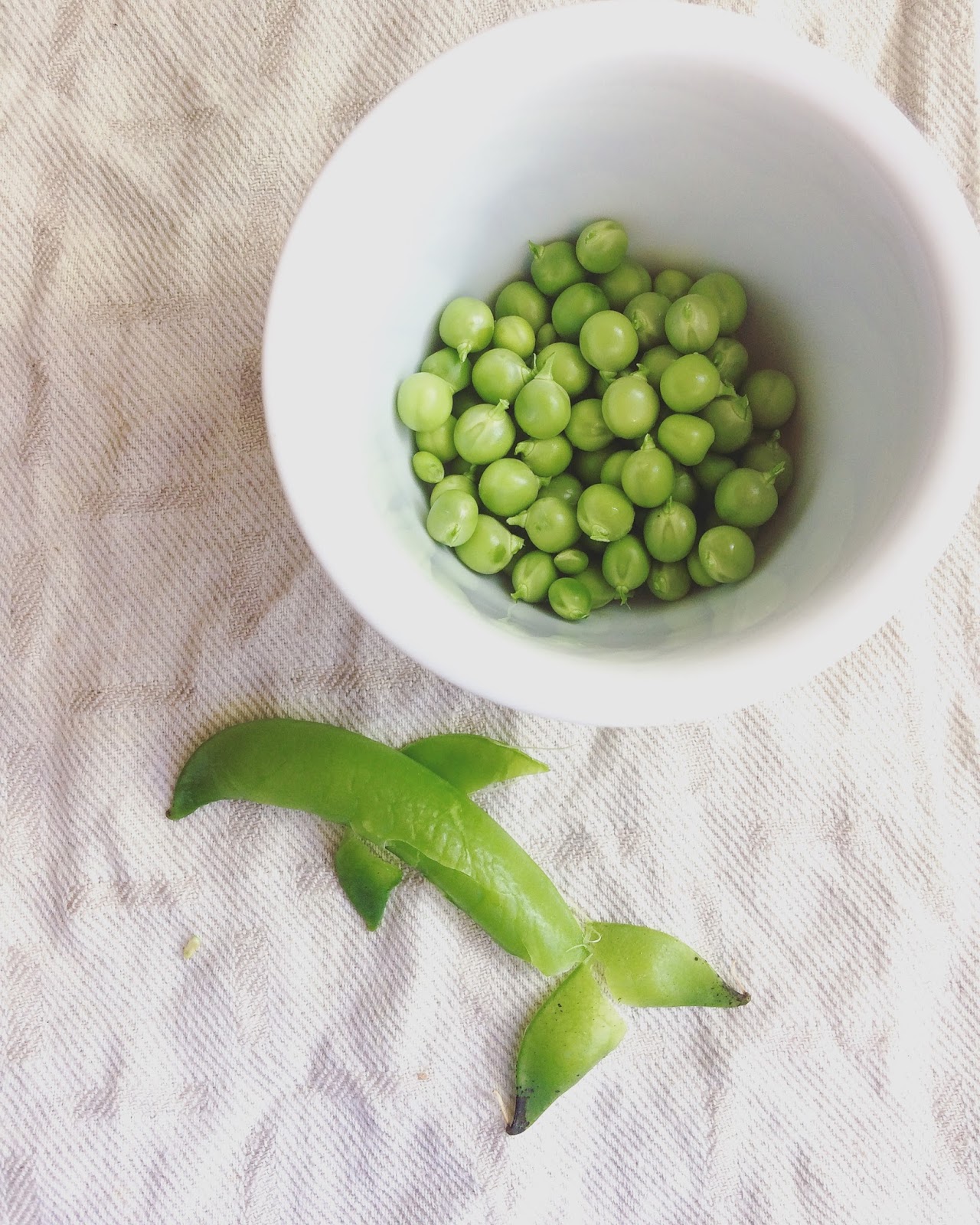
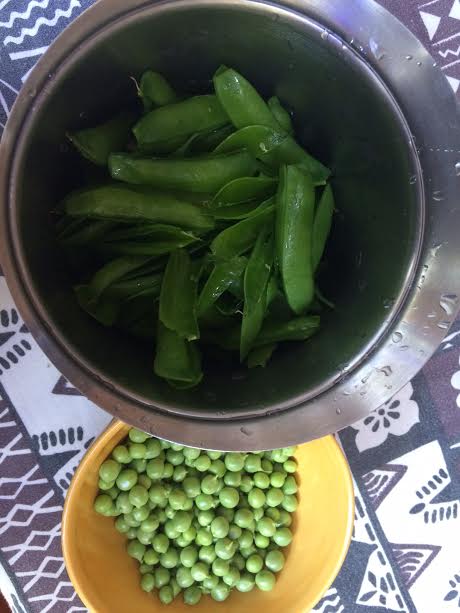
I like my fresh peas and I like them to be the main player in a dish, like for risi e bisi, a traditional risotto dish from Veneto, Italy. And the best part of growing them? Is to keep the pods, and as I am a NO-FOOD-WASTE advocate, to use them to make stock, which will be the base of the risotto. So shell the peas and keep the pods, wash them well and place them in a pot with water (I used about 1.2 litres of water for a basket of peas) and rock salt and simmer for at least one hour. You can also add a little parsley or celery leaves to the stock, but not too much as they have very strong flavour. Filter the stock and keep hot. You can also cut the pods into tiny strips and add them to the risotto, but I just gave them to some hungry visiting chickens (big mistake, they are always around my house now!!).


To prepare the risotto chop an onion and saute with margarine or soy butter (olive oil ok but vegetable butter is better for this). Butter should still be bubbling when you add the rice (I used arborio). Stir until the rice is hot then add the peas.


Stir again and then start adding the stock, little by little. If you use a good casserole you can cover the risotto from time to time and let is absorb the liquid, otherwise keep stirring and adding stock until the risotto is ready.


Towards the end test for salt and add a little pepper if you like. Eat hot. Leftovers are good to make croquettes or arancini the day after.


Photos and Recipes by Alessandra Zecchini ©

Monday, November 13, 2017

No waste post: Japanese style pickled radishes - and eat the leaves too! Plus a beautiful Japanese Vegan meal


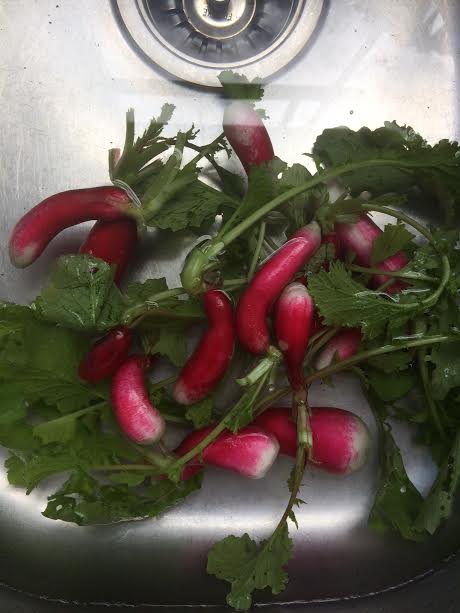
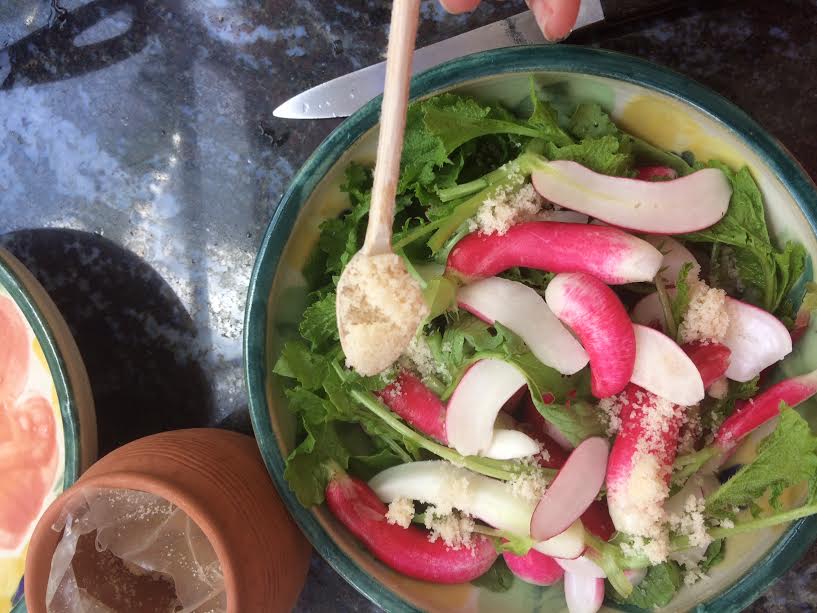
I picked some lovely radishes from the vegetable garden, did you know that you can eat the leaves too? They are full of nutrients, as well as delicious!

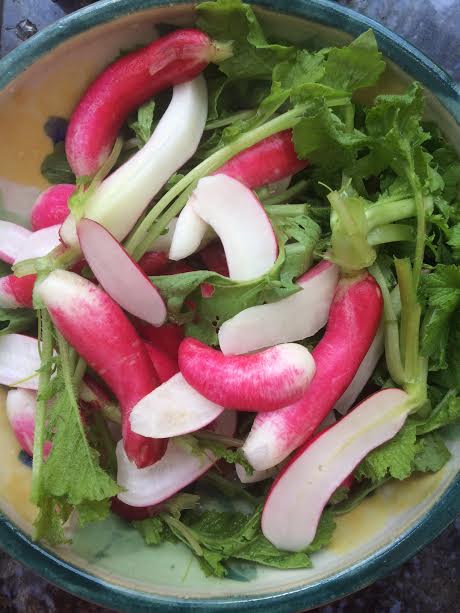
Wash the radishes well, then cut in halves (or quarters if big), keeping attached some of the centre leaves. Set the outer leaves aside to use later.


These are the radishes (with the tender centre leaves) ready to pickle.


Add some salt, I used Japanese unrefined salt because I had it, but ordinary kitchen salt is fine.


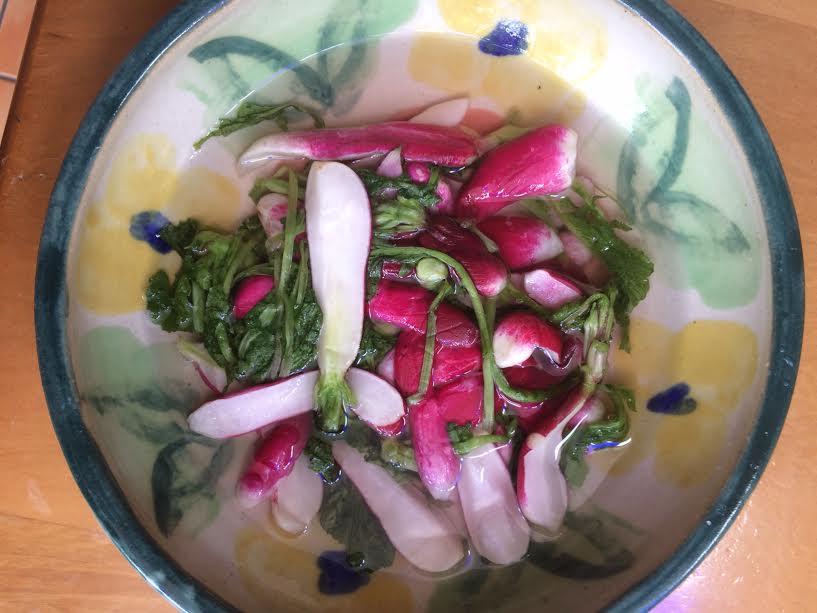
Put another bowl over the radishes and then a weight on top (a rock, or anything heavy that you may have in the kitchen). Leave for a day and night, move the radishes from time to time if you like, to get them pressed. They will put out lots of water and create a brine.


This is what they will look like the day after.


Put into a jar with their brine and keep in the fridge (they will last a couple of weeks... maybe more but I don't know, we eat them quite quickly!

And now for the remaining leaves: since I had the above raw I decided to cook the rest for a few minutes in boiling water. 


Then I drained them and when cool I dressed them with soy sauce (gluten free readers can use tamari) and lemon juice. The portion looks small, but they are a perfect addition to a Japanese meal...


 like this one!

Vegan Japanese lunch with produce from my veggie garden

Clockwise from top left: rice with vegetable furikake, nimono of radish leaves, silken tofu with chrysanthemum leaves, rice with spinach, gari (pickled ginger). In the centre pickled radishes. Radishes, ginger, spinach and chrysanthemum all came from my garden

Yes chrysanthemum leaves are also edible (I was given a variety that only seems to make leaves, I like to eat them young). and if you want to know how to grow ginger and make your own gari click here.

Photos and Recipes by Alessandra Zecchini ©

Thursday, November 9, 2017

Artichoke Risotto


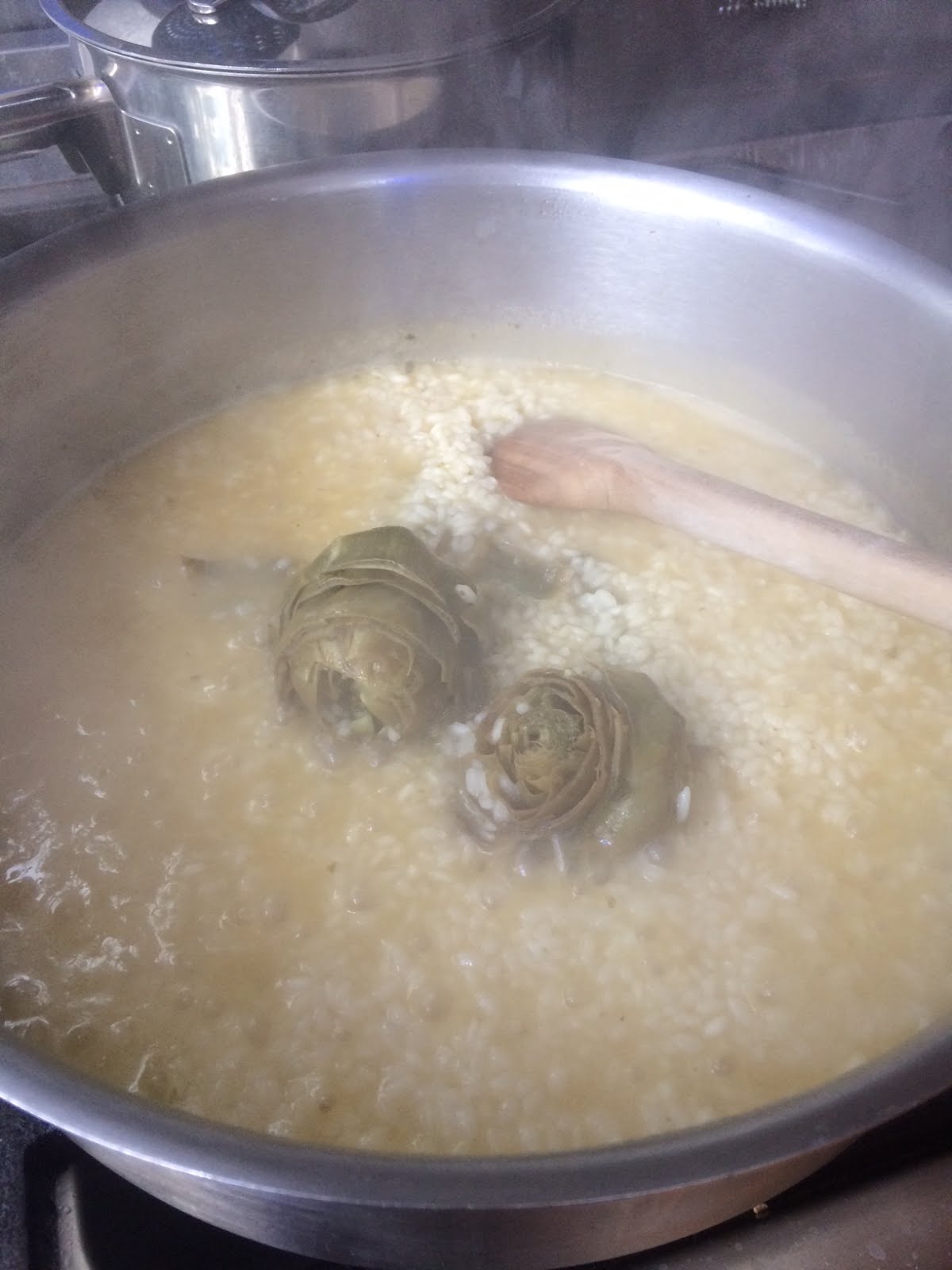
I only had two artichokes and needed a meal for 4 people, and risotto was the ideal solution. Clean the artichokes and remove the outer leaves. Peel the stalks and cut into small pieces. Put everything in water with lemon juice while you work or the artichokes will become black. Finely chop a handful of parsley with a couple of garlic cloves and add salt. Stuff the artichokes with the chopped garlic and parsley and add a drizzle of olive oil. Place in a casserole, together with the stalks, and add 5cm of water. Simmer on low with the lid on for one hour or until cooked (the outer leaves will start to detach), adding a little hot
water from time to time. Prepare a litre of boiling vegetable stock (I used Rapunzel vegetable broth cubes). In a separate pot melt a tsp of vegetable margarine or 3 heat 3 tbsp of extra virgin olive oil, add the rice (arborio or carnaroli) 100g per person, then add the artichokes and their juice. Then slowly add the vegetable stock stirring constantly until the risotto is ready. Adjust with salt if needed and serve immediately, if you have two people one artichoke each, if four cut the artichokes into two.

 Photos and Recipes by Alessandra Zecchini ©

Wednesday, October 26, 2016

Halloween Vegan Sushi - just a few ideas


There are plenty of Sushi rice recipes on this blog, so I won't repeat myself, and if you never made sushi just click here and you can find all the different ways to prepare rice and create vegan sushi, norimaki and onigiri (rice balls). 

So just follow the basic or your favourite sushi recipes and just apply these cool Halloween variations! I used lots of seaweed, nori, seaweed salad and a Japanese dried seaweed that looks like the wrapping of a scary mummy. You can find everything in Japanese shops :-). The skulls and pumpkins are made with Takuan (pickled daikon), the zombi eyes with asparagus, the 'slime' with avocado and seaweed salad, and the details with cut nori.


Photos and Recipes by Alessandra Zecchini ©

Tuesday, June 14, 2016

Roasted pumpkin medallions with pumpkin and sunflower seeds, Baked zucchini, Lemon basmati and lentils, Instant hummus, Almond dukka


Brrrrr it is getting cold! Time to prepare some filling, comforting and easy dinners :-).
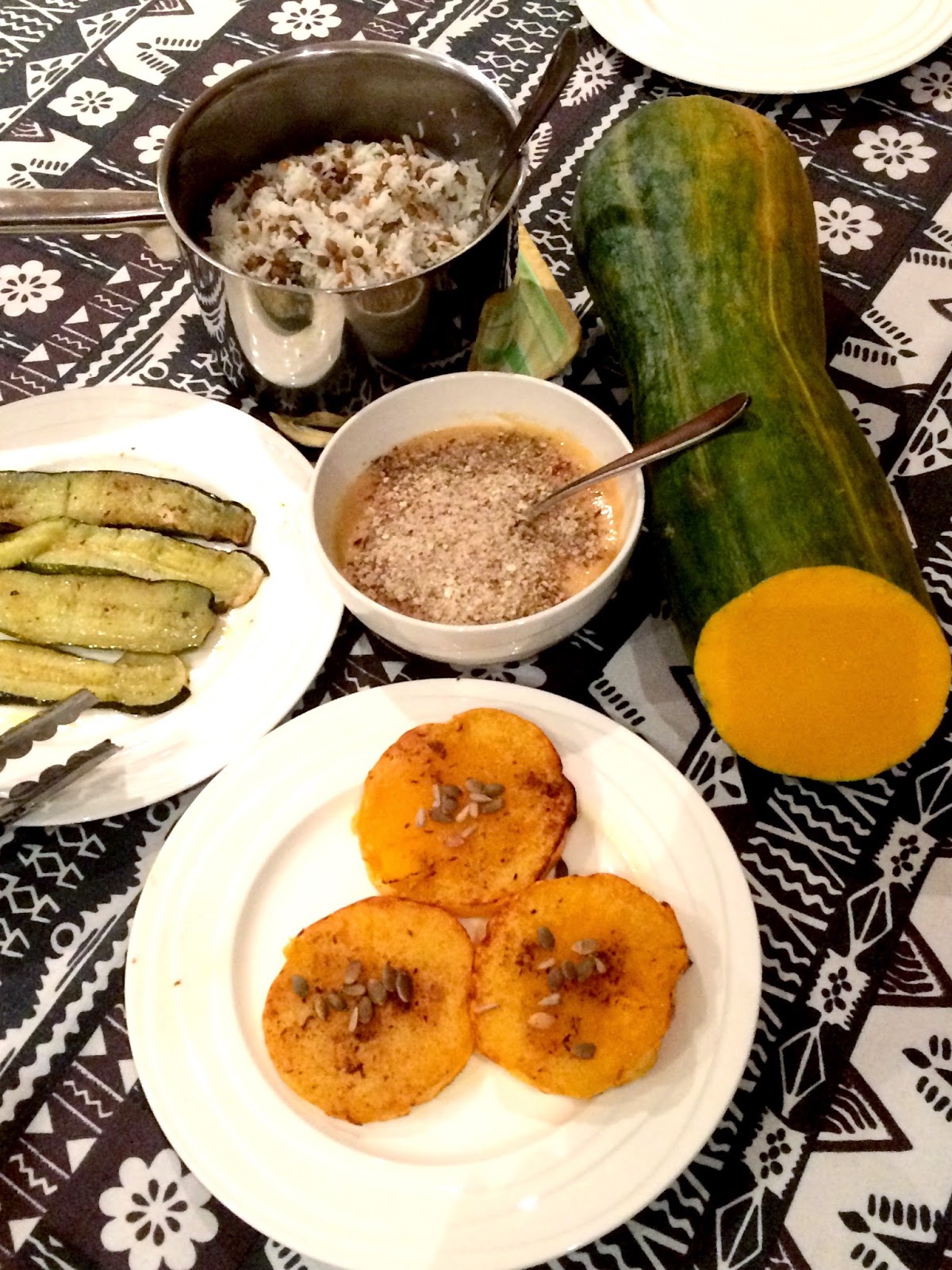
Greg gave us a long pumpkin from his garden, I love it as you just need to slice it and peel it and you have a nice pumpkin medallion!

Roasted pumpkin medallions with pumpkin and sunflower seeds

Slice, peel and place onto an oven tray, drizzle with olive oil, salt, smoked paprika, garlic and crushed cumin seeds. Roast until tender. Toast a few pumpkin and sunflower seeds the oven and sprinkle on the pumpkin medallions before serving.

In addition I had the last zucchini in the garden, not quite a marrow but quite big, so I sliced it and baked it too:

Baked zucchini

Wash and slice lengthwise, drizzle with olive oil and salt, bake. That all!

To serve I added some basmati and lentils

Lemon basmati and lentils

Wash and cook the basmati with a small pinch of salt, open a can of lentils, drain from the water and pour the lentils on top of the rice during the last five minutes of cooking. Turn off the heat, add two tbsp of lemon juice and stir.

And to top some instant hummus with almond dukka:

Instant hummus

Open a can of chickpeas, drain and keep half of its water. Blend the chickpeas, water, two peeled garlic cloves and the juice of half a lemon until smooth. Add salt to taste and a little olive oil.

Almond dukka

Toast half a cup of almond, a few sunflower and pumpkin seeds and 1 tsp of cumin seeds. Add a little rock salt, a pinch of paprika or the spice of your choice. Grind and use to top the Hummus.


Well, that was easy, the kids loved it and got eaten in no time!


Photos and Recipes by Alessandra Zecchini ©

Wednesday, February 4, 2015

Sushi in a bowl - Chirashi-zushi


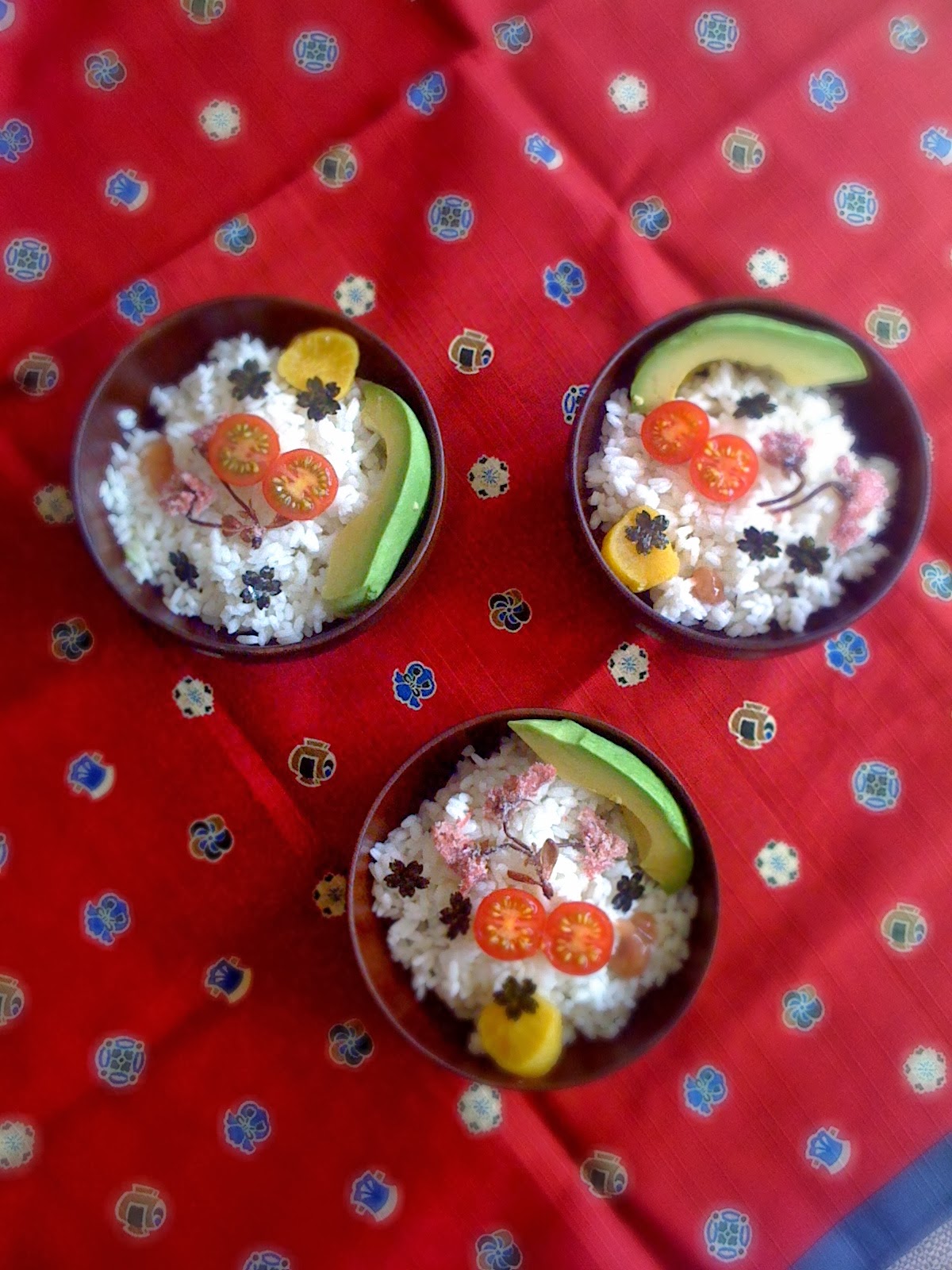
I like chirashi-zushi, sushi in a bowl, a part form the fact that you save time, it also looks pretty. For topping you can add what you fancy, here I have avocado, salted sakura (cherry blossoms), nori (cut with a craft puncher) takuan (Pickled daikon), cherry tomatoes and ume paste (I use wasabi but the kids wanted ume…). A perfect light lunch for summer!


Sushi rice

Wash the sushi rice (or Japanese rice) several times in cold water, until the water runs clear, and then cook it by absorption. The doses are about 1 and 3/4 (three quarters) cups of sushi rice for 2 cups of water, but that depends on the type of pot. You need a pot with a good lid, or you will loose too much steam. I kind of regulate myself by ear now, since I know my pots and pans. Bring the pot to boiling point, lower the heat and simmer until all the water has been absorbed. Once the rice is ready pour it into a bowl and stir it with a wooden spatula, cooling it with a fan if you can. I then add some ready made sushi vinegar, about 2 tablespoons, but this is my personal taste. If I don't have sushi vinegar I use 2 tbsp of rice vinegar, a little sugar and a little salt (to taste, and I don't like to use too much sugar or salt!). Spoon the rice in a bowl and add your topping. Serve with soy sauce and wasabi on the side, like for rolled sushi.


Photos and recipes by Alessandra Zecchini ©

Wednesday, April 16, 2014

Ochazuke, Japanese comfort food


When I was teaching Italian in Japan I once asked my students to tell me what was the typical Japanese dish they had for dinner, one answered ochazuke, and everybody laughed! Ochazuke meant that you lived alone, or your mum/wife was out for the night and you couldn't cook. Or that you run out of money! For homework they had to write a description of Ochazuke (in Italian) and the week after they came with their recipes and, most surprising for me, they all brought a sachet of flavoring for ochazuke, for me to try. The basic idea is to use leftover plain rice and top it with hot green tea, and then some toppings (and these where the sachets, a bit like furikake, but with green tea added, so that you just needed hot water). Most of the students in that class were young and lived by themselves, thus the need of quick comfort food, and they always had left over rice, and possibly a sachet of seasoning. I got to love ochazuke, but rather than seasoning from a sachet I use some chopped-up nori, some wasabi or ume plum, salted sakura flowers, dried shiso... anything I have at hand really, and then some green tea. 


Photos and recipes by Alessandra Zecchini ©

Monday, December 2, 2013

Super quick vegetable risotto


Quick Risotto di verdura

Ingredients

1 small onion
1 small carrot
1 celery stalk with leaves
3 tbsp extra virgin olive oil
1 tbsp chopped parsley
400 g carnaroli rice
1 glass white wine
1.5 vegetables stock
1 portion of frozen spinach
4 tbsp frozen peas

Chop the onion, carrot and celery, then sauté with olive oil. Add the parsley and rice, then a glass of white wine. Add the vegetable stock ladle by ladle, stirring constantly. Halfway through cooking add the spinach, and 5 minutes before finishing add the peas. Serve hot.


Photos and Recipes by Alessandra Zecchini ©

Wednesday, February 6, 2013

Japanese dinner: the last course, rice and eggplant and tofu miso soup


These are the final dishes of my Vegan Japanese dinner. For those of you who missed some 'episodes', the antipasto was raw avocado sashimi, and the main Fried tofu puffs simmered in vegetable broth, and by clicking here you can find the side vegetables, Broccoli and cauliflowers with easy miso sauce, and Quick Japanese Cucumber and Radish Pickles.

So, how do you finish a Japanese meal? Usually with soup and rice (dessert is optional really, a little seasonal fruit is preferred, like in this Autumn meal, where the fruit was persimmon, this fancy Japanese picnic basket, with mandarins - they are easy to carry, or this Summer meal, where dessert was... berries). 

But not fruit tonight, we just finished with rice and soup. Rice is served at the end to fill  the stomach, and diners eat what they need according to their body mass (this, I was told by a Ryokan chef in Kyoto, Nami, is it true?). By the time I served the rice and soup the light was gone, so apologies for the bad photos. Also, I had to hurry before the soup got cold! The rice is short grain and needs to be rinsed a few times, and then cooked by absorption. Usually I don't add salt to it. When ready I just put a umeboshi (pickled plum) on top, something usually done for breakfast in Japan, but I don't eat rice for breakfast so I use my umeboshi for lunch or dinner :-). And for the miso soup? Well, I like all types, but miso with eggplant is my favourite!


Miso soup with eggplant, tofu and onion weed

First you have to go back for a moment to the Fried tofu puffs simmered in vegetable broth, I used some light vegetable stock to cook the tofu puffs, and the leftover broth after draining the tofu was the base for my miso soup. Then I cut two long eggplants into six pieces each. I took the stock back to simmering point and I added the eggplants and four small cubes of Japanese freeze dried tofu (available in Japanese shops - but I have Japanese friends who send it to me by post regularly. Thank you Hideko and Atsuko!). I simmered everything for 30 minutes, then I took the miso paste left over from Broccoli and cauliflowers with easy miso sauce (in Japanese Zen cuisine everything is recycled!), and added a bit more miso paste to get the amount I wanted - personal taste here, and mixed it well. With chopstick I picked up the eggplant pieces and tofu and divided them between four bowl (3 pieces of eggplant and 1 small block of tofu for each bowl) then I quickly mixed the miso paste with the broth, and poured it into the bowls. To finish I topped the soups with some chopped onion weed. I love miso soup with eggplants! Did I said that already? :-)


Photos and Recipes by Alessandra Zecchini ©

Sunday, November 18, 2012

Leek and edamame Vegan risotto


Chop one large leek and wash it, then sauté with olive oil until soft. Add one cup of shelled edamame (I used the frozen ones) and sauté until the edamame are starting to cook. Add 400 g arborio rice and stir, when the rice is hot and starting to toast add a glass of white wine at room temperature (not chilled). Stir and after the wine has been absorbed add about 1 l of vegetable stock, one ladle at the time, stirring often until cooked. 

Serves 4

Photos and Recipes by Alessandra Zecchini ©

Friday, April 20, 2012

Aparagus Inari Parcels


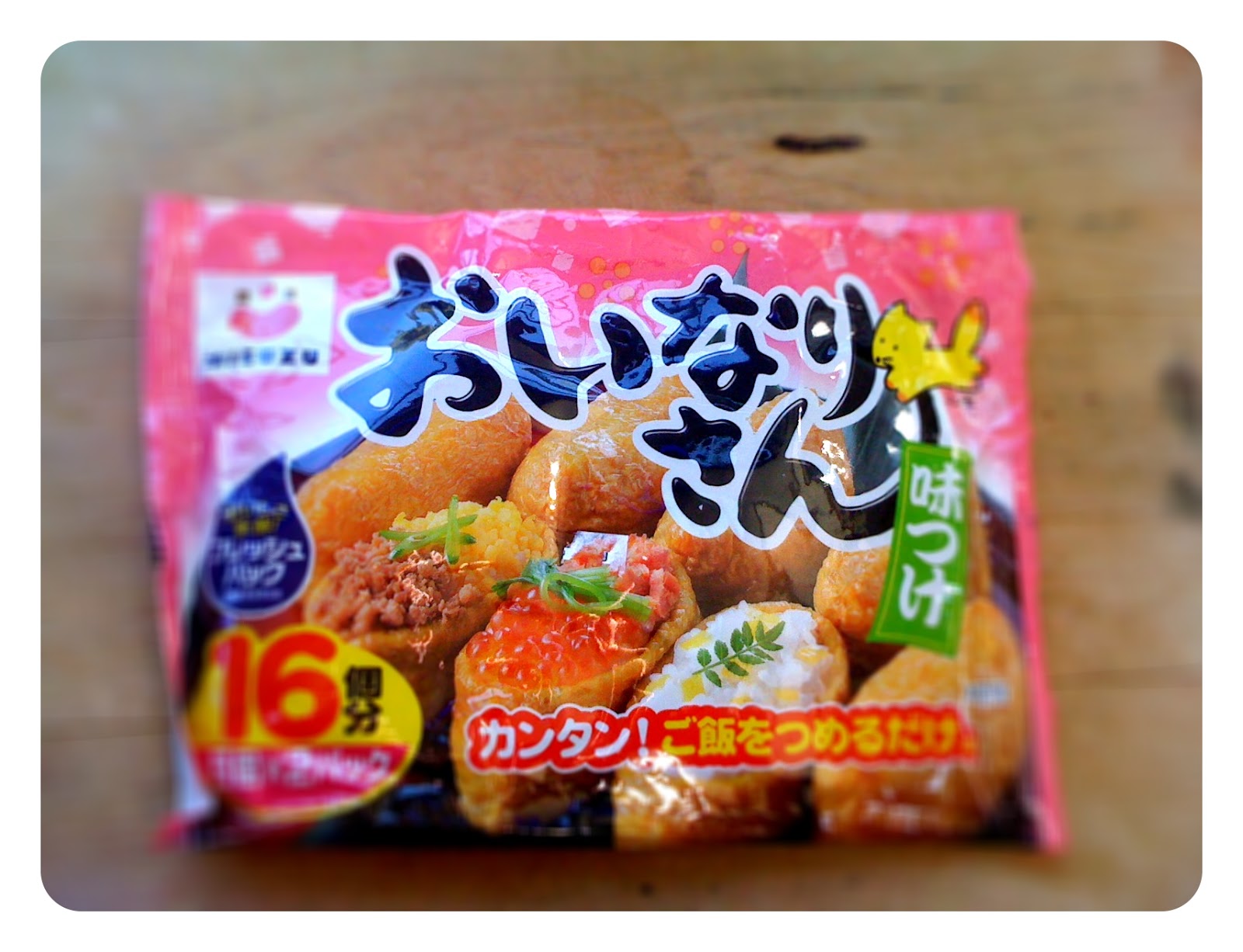
I really really like the fried tofu parcels used to make oinari-san, I wouldn't know how to make them, a Japanese friend told me ages ago, but it seemed quite involved... maybe one day, but for the time being they can be bought in Japanese/Asian stores :-). This pack contained 16 tofu parcels. 


The parcels are usually filled with sushi rice, but they can also be uses as "containers" (see the image on the packet) and I really liked this brand: not a single parcel broke when I was opening it! I decided to used them with rice and asparagus. The asparagus were simply steamed, and then I cut them and placed then in a bowl with the liquid of the tofu parcels (they are sealed in an sweetish sauce which I thought was a waste to discard).


Wash the sushi rice (or Japanese rice) several times in cold water, until the water runs clear, and then cook it by absorption. The doses are about 1 and 3/4 (three quarters) cups of sushi rice for 2 cups of water, but that depends on the type of pot. You need a pot with a good lid, or you will loose too much steam. I kind of regulate myself by ear now, since I know my pots and pans. Bring the pot to boiling point, lower the heat and simmer until all the water has been absorbed. Once the rice is ready pour it into a bowl and stir it with a wooden spatula, cooling it with a fan if you can. I then add some ready made sushi vinegar, about 2 tablespoons, but this is my personal taste. If I don't have sushi vinegar I use 2 tbsp of rice vinegar, a little sugar and a little salt (to taste, and I don't like to use too much sugar or salt!).


I filled the parcels with rice and asparagus and wrapped them up with a chive. 


Photos and Recipes by Alessandra Zecchini ©