Showing posts with label Sugar. Show all posts

Saturday, March 16, 2019

Autumn preserves: quince paste, feijoa paste and fig jam


It is Autumn and there is great produce around, in particular I like quinces, which I can find at the local orchard in Oratia (Dragicevich and Sons, in West Coast Rd). I usually make jelly (recipe here) or paste, the paste needs less sugar and you get more out of it, although the cooking process is quite long. 


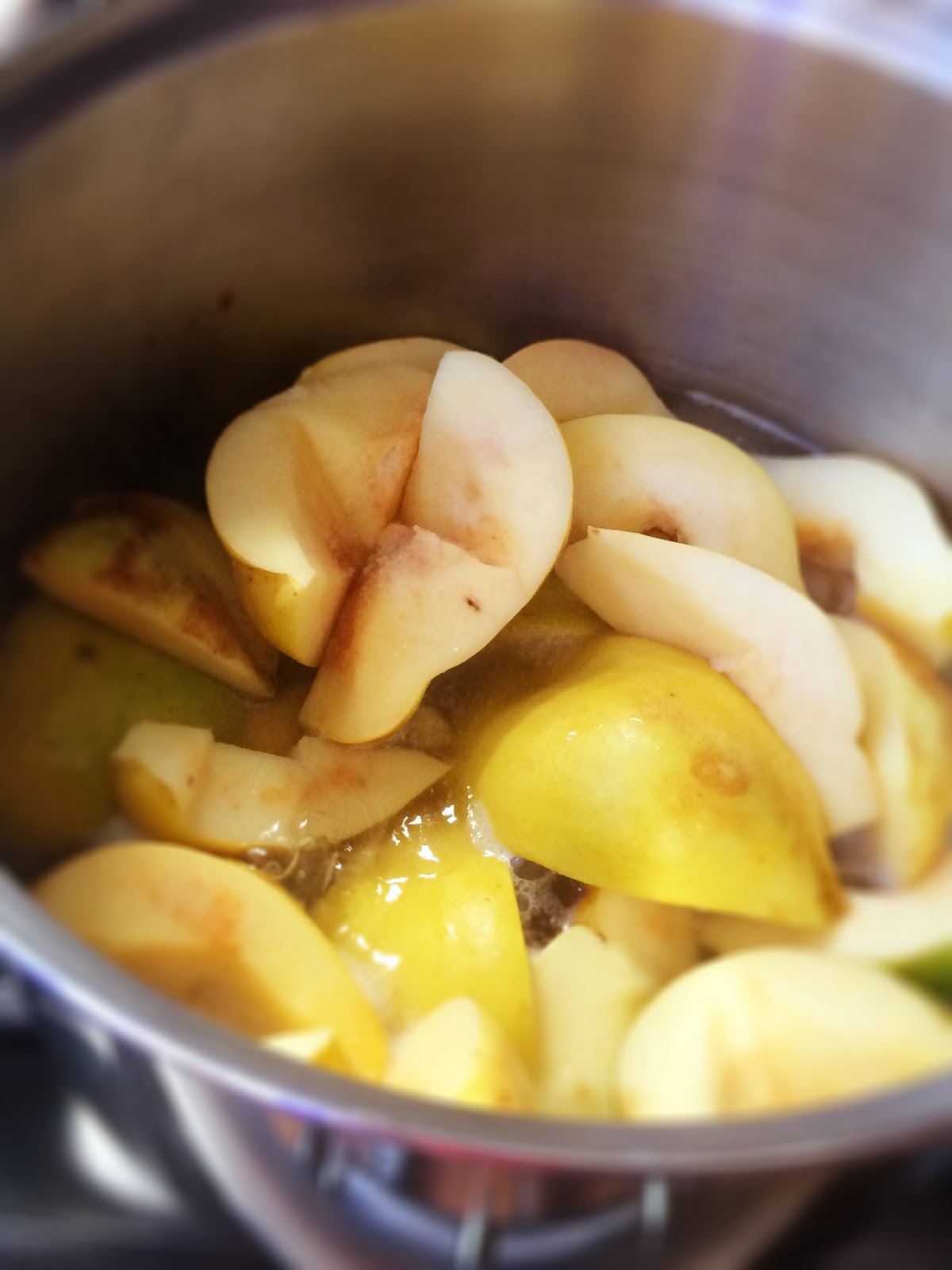
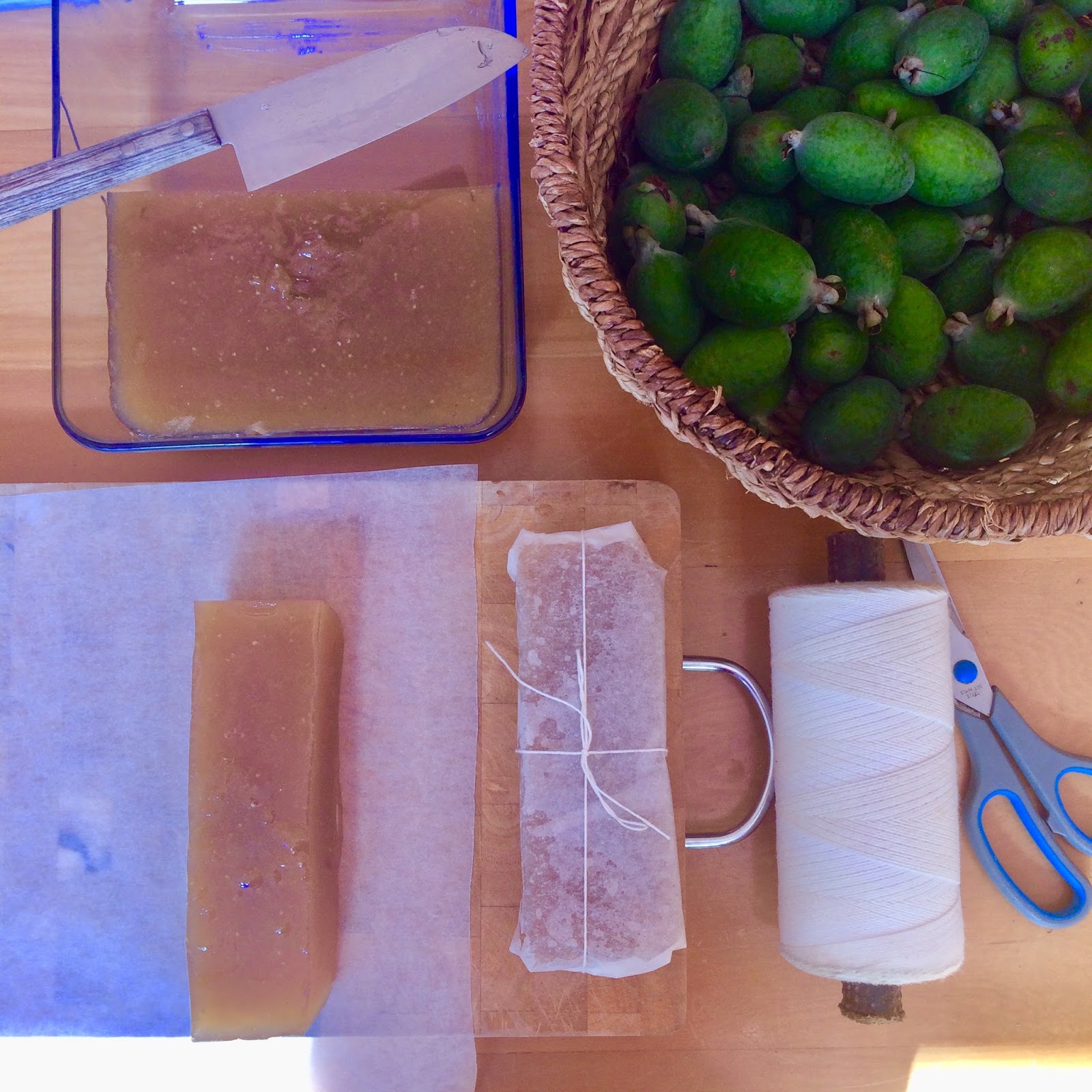
Wash the quinces, quarter and then remove the centre but not the skin. Cook with a bit of water until soft then blend. Add 60% of weight in sugar and a pinch of citric acid, and then bring to the boil, and boil, boil and boil until quite thick, stirring most of the time (ideally all the time, but I took breaks away from the heat!!). Then pour into a mould or a rectangular container.


Let the paste set for a few days, then cut and wrap in baking paper.


This year I had quite a few feijoas in the garden, so I though of doing the same. In the past I made jam (recipe here) and it was so solid that I realised that it had been a mistake to put it into jars: feijoas are like guava and guava makes a paste similar to quince paste.

So I followed the same steps as for the quinces, but instead of removing the core I removed the skins with a knife. If you want to use the skins for something else you can try this feijoa cordial.


 Finally, the fig trees have a few figs, not big and as soon as they ripen the birds eat them, so the only thing I can do is to pick them when they are still green, not so good for eating fresh, but good for jam. 

Boil them first for five minutes then discard the water and scum (from the white sap that comes out), cut them into two and put them back in the pot, once again with 60% sugar, and a little water. 


 The figs should mush easily while boiling, if you keep stirring them with a wooden spoon, but if you want to keep a few whole remove them from the pot before mashing the rest, and add them back during the last 5-10 minutes. This jam went into jars, it looks great, but I have the feeling that it will also be quite hard (I added some pectine - jam setting mix) and probably next year I will end up making fig paste instead of jam!


 Photos and Recipes by Alessandra Zecchini ©


Sunday, January 20, 2019

Marzipan with Amaretto

Assorted natural flavours and colours, including green tea, cherry syrup, berry juice, candied citrus,
and some stuffed dates too!

Last Sunday I did a demo about making Marzipan at the Auckland Art Gallery, to celebrate Italian Language week with the Dante Auckland. I have a basic recipe which I always follow (without egg white, thus suitable for Vegans too) and you can find it here. But since almonds don't have much taste in NZ (sorry... need to be said) I always add a few apricot kernels (not too much, they are poisonous!) so follow this recipe carefully! Now, apricots are not in season yet, and I made a little variation, which worked well: I added a little drop of Amaretto.


Marzapane with Amaretto

Ingredients
200g raw almonds
100g icing sugar
1 tsp Amaretto


Blanch the almonds in boiling water and remove the skins. Keep a few almonds aside for decoration, if you like, and ground the rest into a fine powder, almost like a paste. Add the icing sugar and Amaretto and mix until you get a dough. Shape into your favourite morsels, and colour with berries, green tea powder, spirulina, or anything you like. Some ideas for shapes and colours here.

Perfect for presents! Coloured with cocoa, green tea and berries
Photos and Recipes by Alessandra Zecchini ©

Saturday, December 17, 2016

Sugar Christmas decorations


On Sunday we had the Dante Alighieri Society Xmas Market (Mercatino di Natale), and I made lots of sugar decorations for sale.


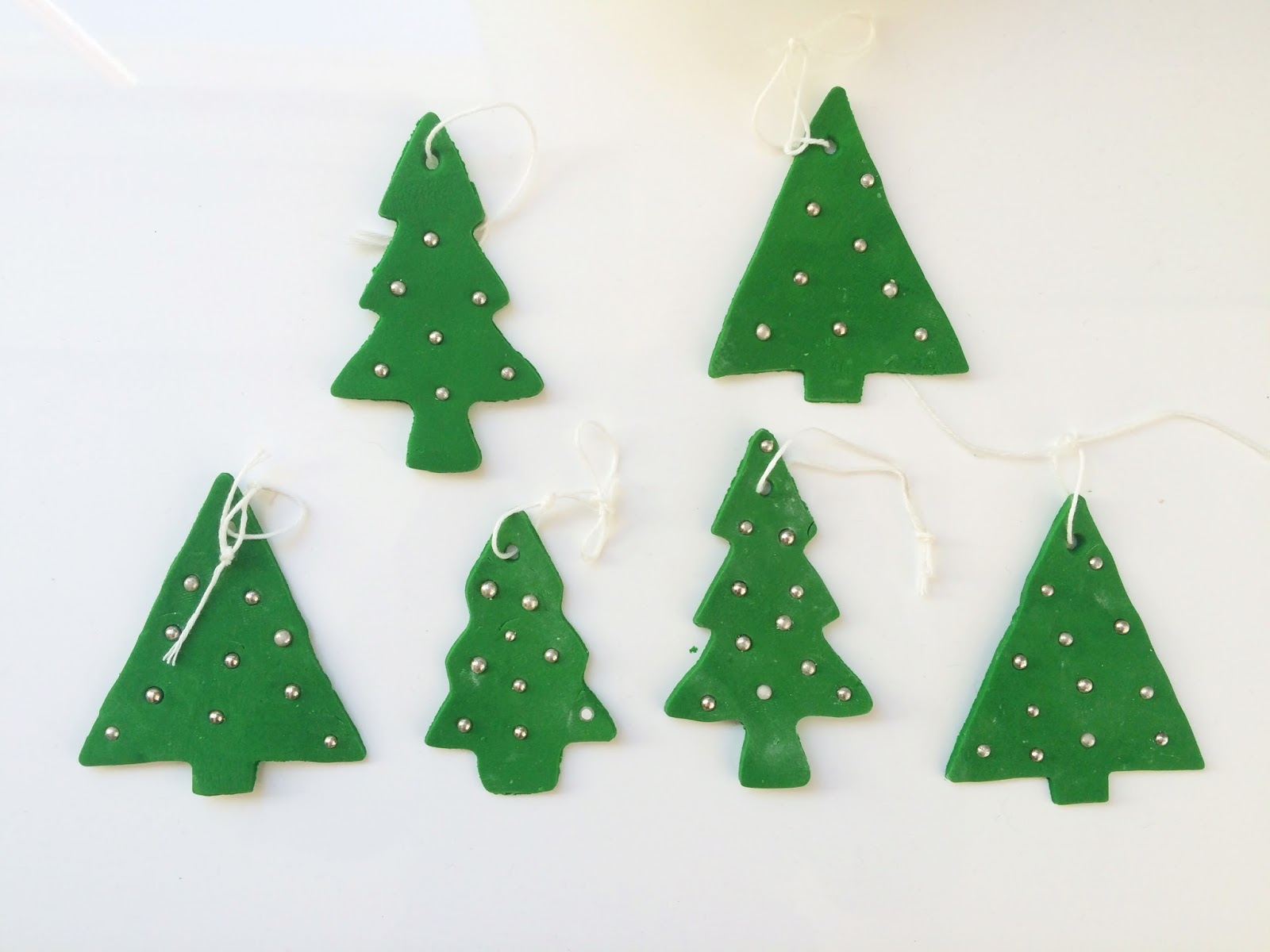
Ideal for 'baby's first Christmas' trees, sweet pastel colours, they can be used for Christmas cards too!

White and hand painted with a thin brush

Chocolate fondant, they smell great!

Green and silver for the trees


I used fondant (white, chocolate, red and green), corn flour, cookie cutters, food coloring (not cochineal!) and a thin brush to paint. We sold the lot!

Photos and Recipes by Alessandra Zecchini ©

Wednesday, July 6, 2016

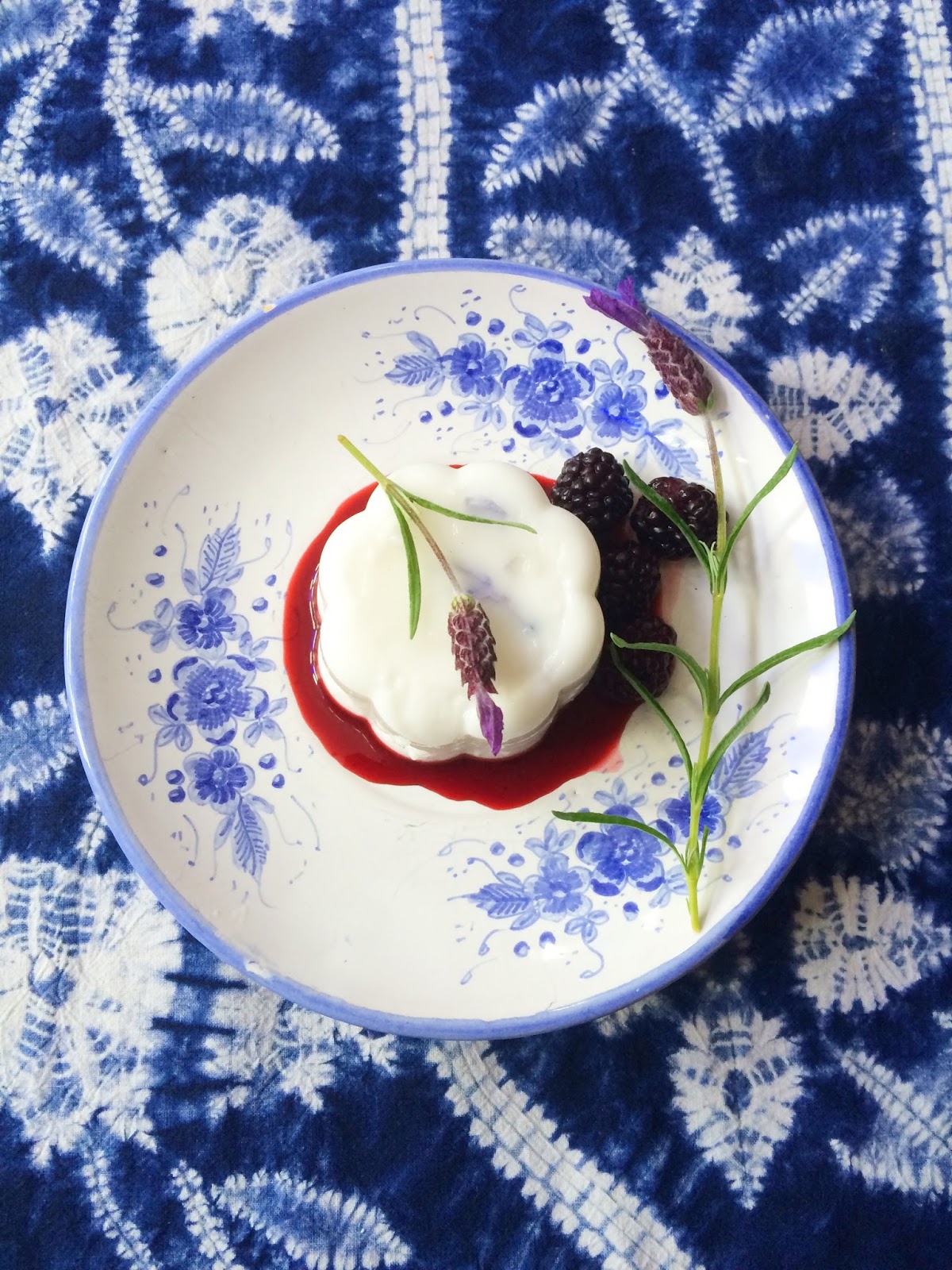
Coconut and Lavender Agar Agar, like a Vegan Panna Cotta or Biancomangiare


I like to use lavender for desserts, but the flavour has to be delicate, not too overwhelming. 

Ingredients: 

one small bunch of Lavender
3 tbsp caster sugar
1x400ml can coconut cream +
same amount in boiling water to rinse the can
1 tsp agar agar

to serve: blackberries and lavender


Pick the lavender from the garden and make sure it is clean, or rinse lightly and pat dry with a clean tea towel. Put in a container and cover with the caster sugar. Put a lid on and leave for 2-3 days. The sugar will absorb the aroma of the flowers. 


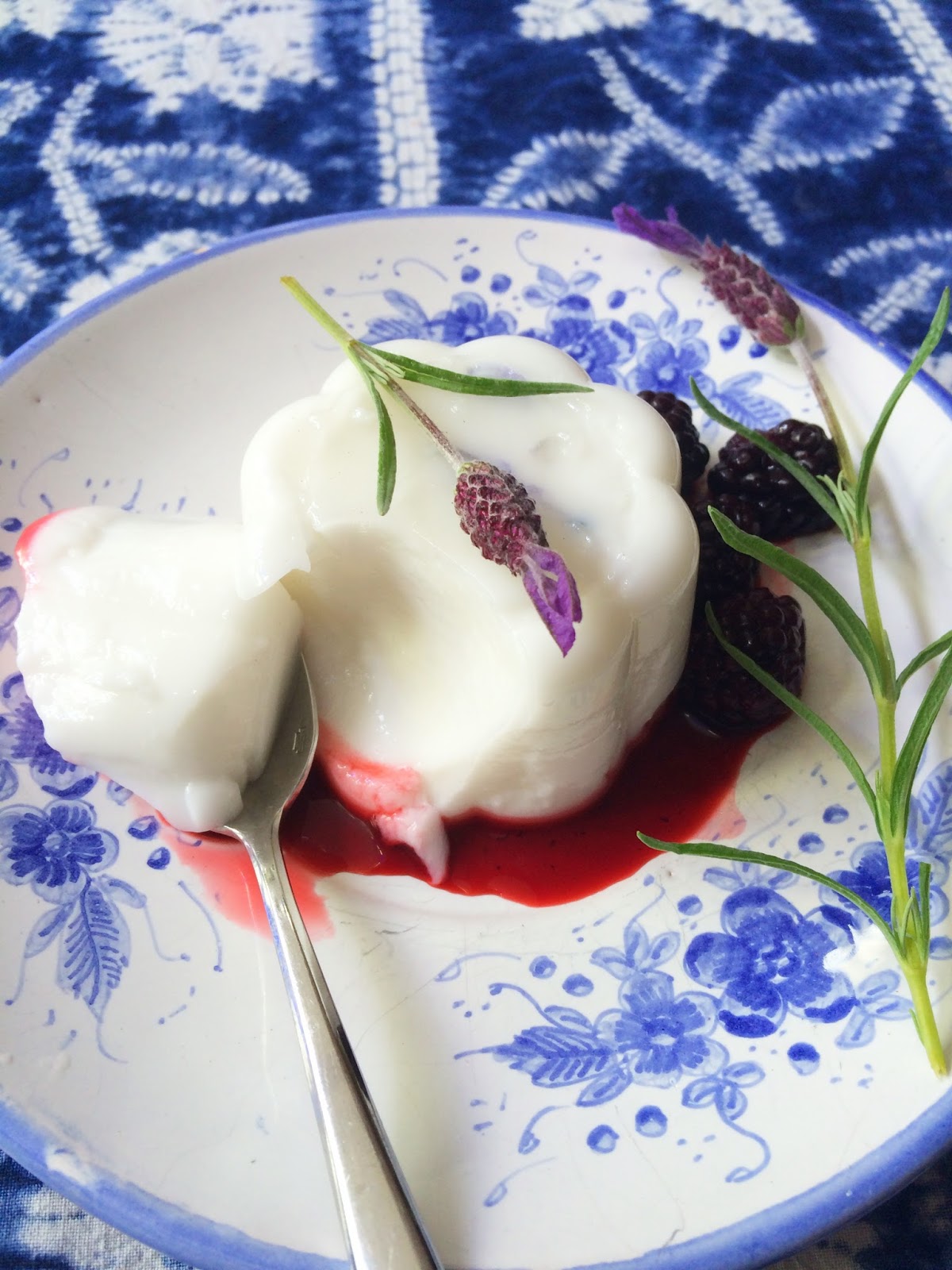
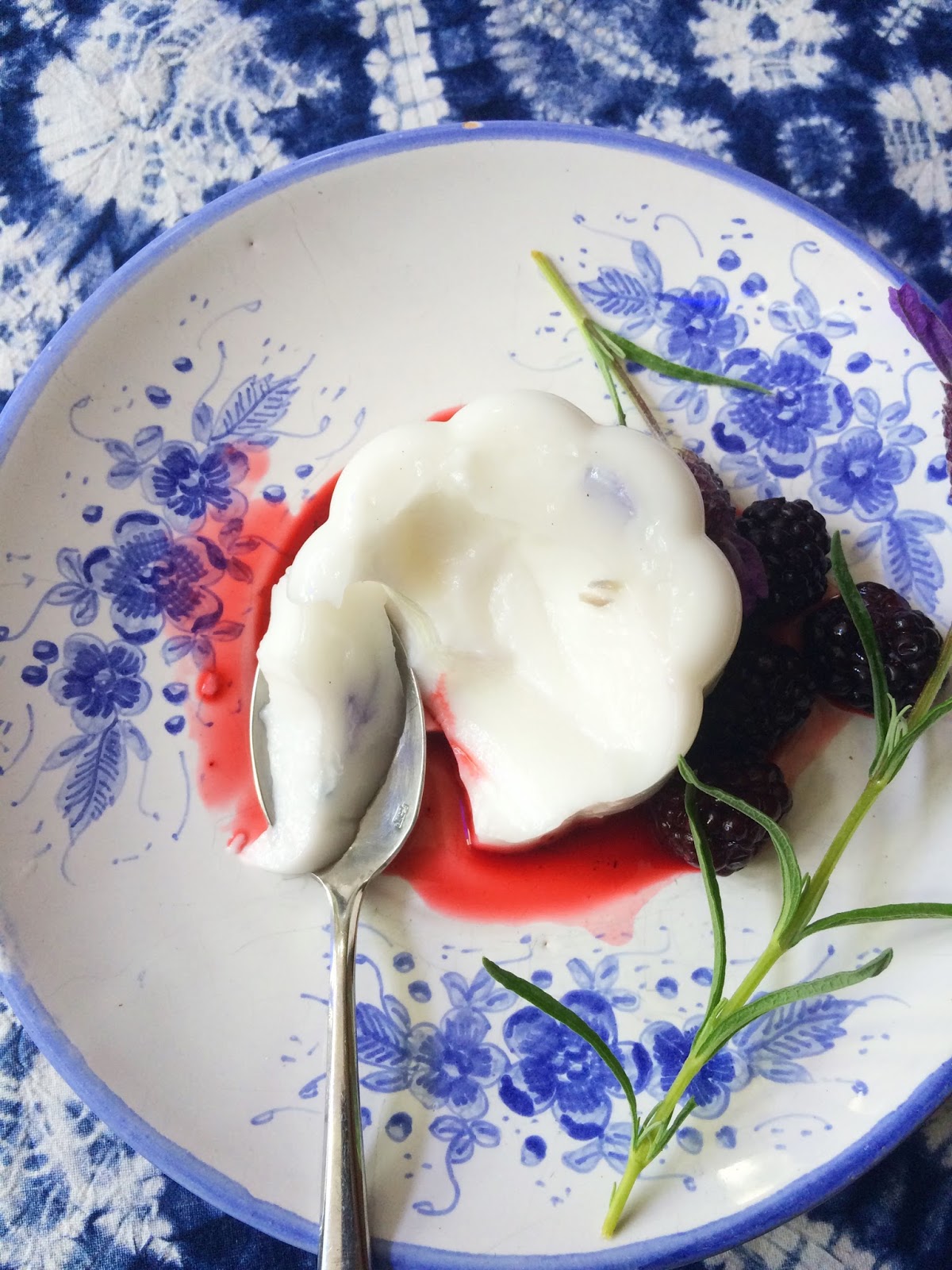
 Place the coconut cream in a pot, fill the can with the same amount of boiling water to rinse it and add into the pot. Remove the flowers from the sugar (it will be crumbly and moist) and add it to the mixture. Add a tsp of agar agar and bring to the boil stirring constantly. You can add a few petals of lavender if you like, but don't overdo it - not everyone likes to find 'bits' in such a smooth pudding. Fill 6 individual jelly moulds and let them set. The container with the lavender and sugar still had some sugar around the sides so I put the blackberries there for a few hours to marinate (with the lavender also) and get a bit of juice! I serve them alongside the tipped agar agar, which tasted a bit like young coconut flesh and with a subtle but distinctive lavender flavour.


Photos and Recipes by Alessandra Zecchini ©

Sunday, June 26, 2016

Quince jelly


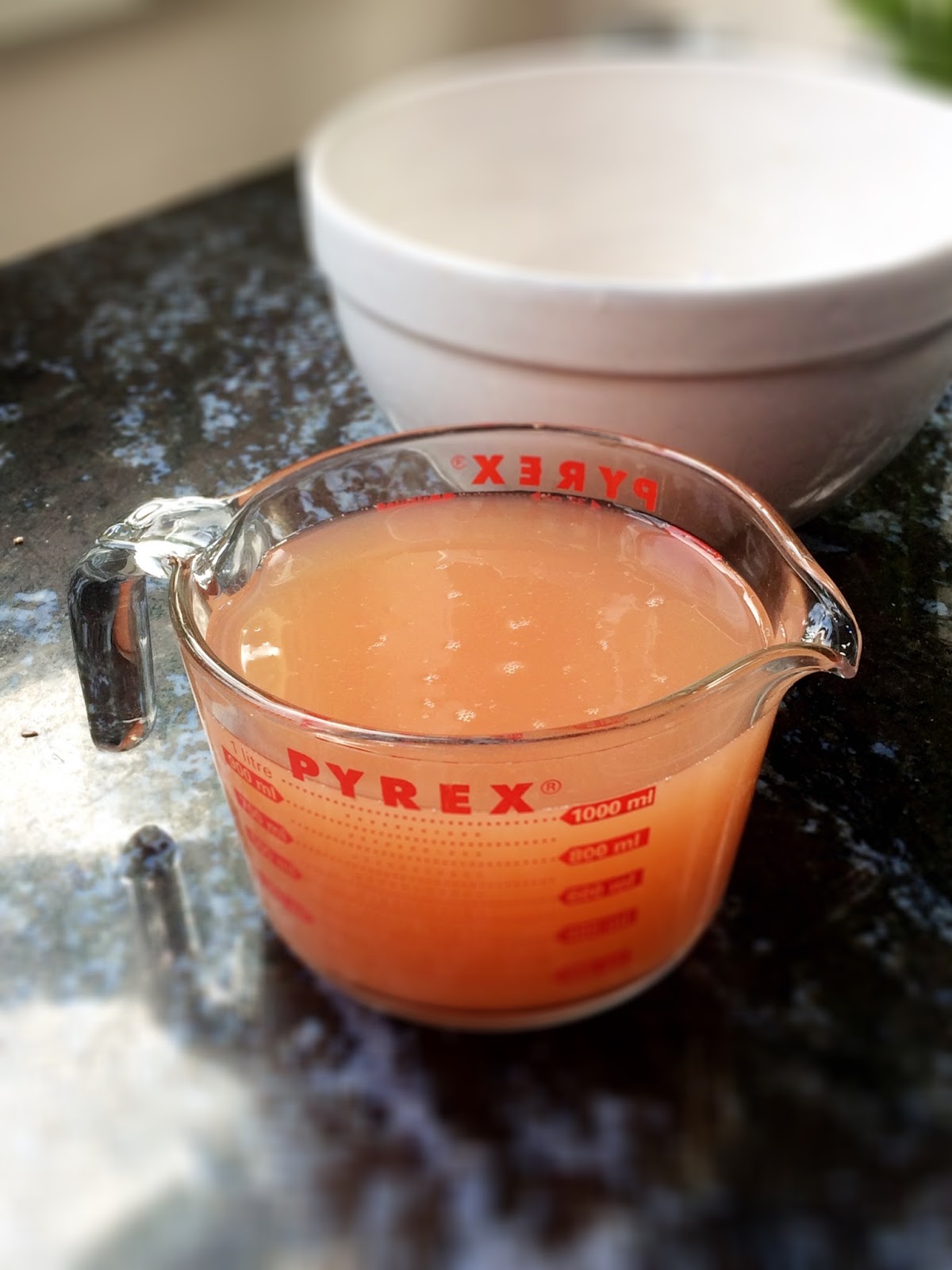
I love quince jelly, lovely project for rainy days! Wash and quarter some quinces, removing the pips, then boil the lot with lemon juice and a little water until the fruit is soft and mushy. 


Put the pulp inside a jelly bag, cheaper if you just use a clean pillowcase (I have one which I use just for jellies) and hung it over a bowl (using a broom and two chairs) for a day and night.


This way the juice will drop into the bowl. As a rule if you like a clear jelly do not squeeze the bag! But I confess that I gave it a little squeeze… I wanted to get more out of it!


Measure the juice and add the same amount of sugar, then boil again.


I had lots, so I put half in a container to set, and added Fresh As Raspberry powder to the other half for a quick raspberry jelly. Delicious!


Photos and Recipes by Alessandra Zecchini ©

Thursday, October 8, 2015

Vegan meringues with chickpea brine (Aquafaba)


After making Aquafaba Vegan Pavlova I tried to make meringues. I changed the recipe only a little, and used less sugar (still experimenting though!). Here is the recipe:


Saturday, August 29, 2015

The Famous Aquafaba meringue makes a good Vegan 'Pavlova'


"Vegan baker Goose Wohlt coined the term aquafaba ("bean liquid") to describe the liquid, which French chef Joël Roessel discovered could be used in recipes much like egg whites."
Source; Wikipedia

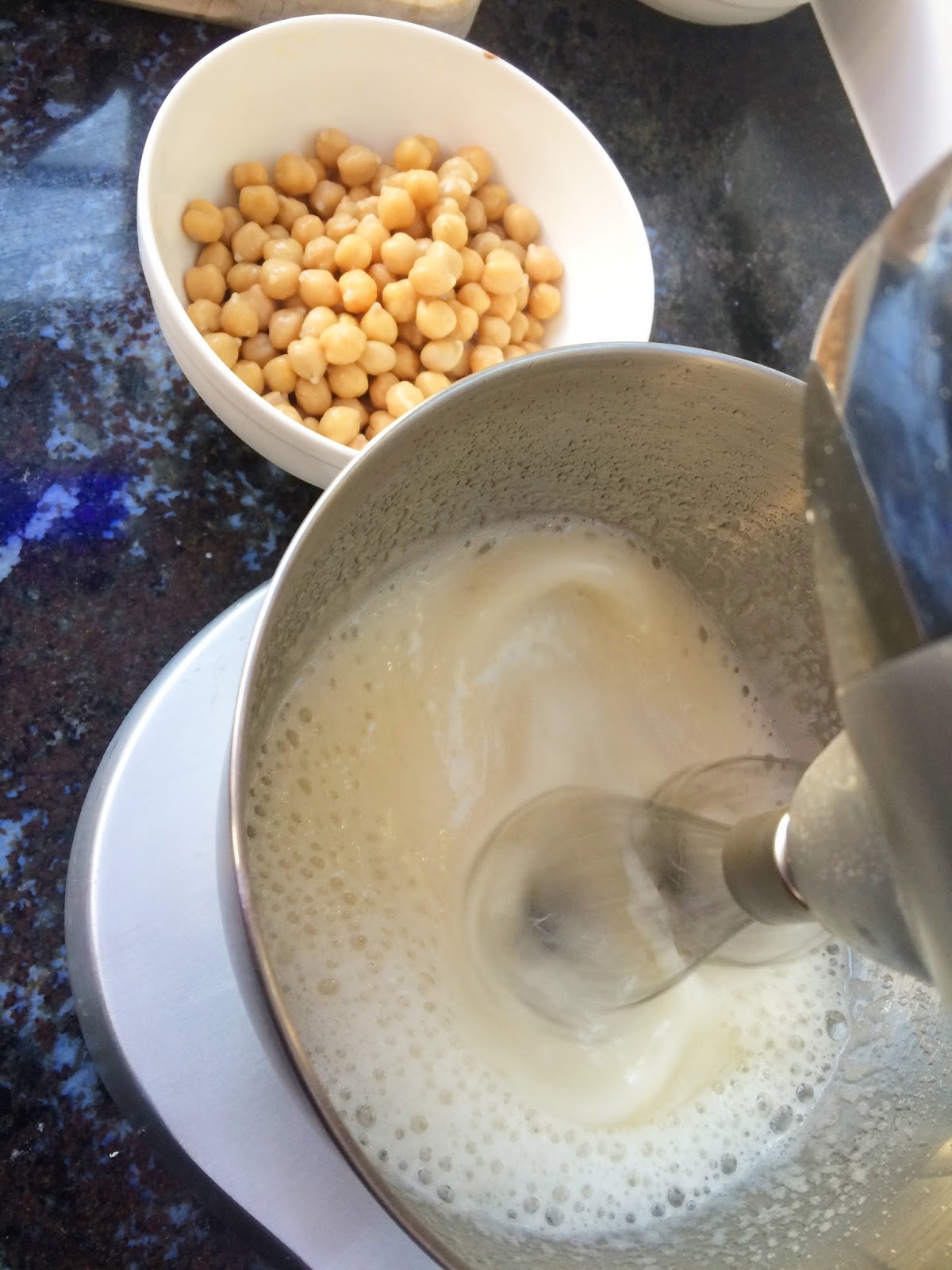
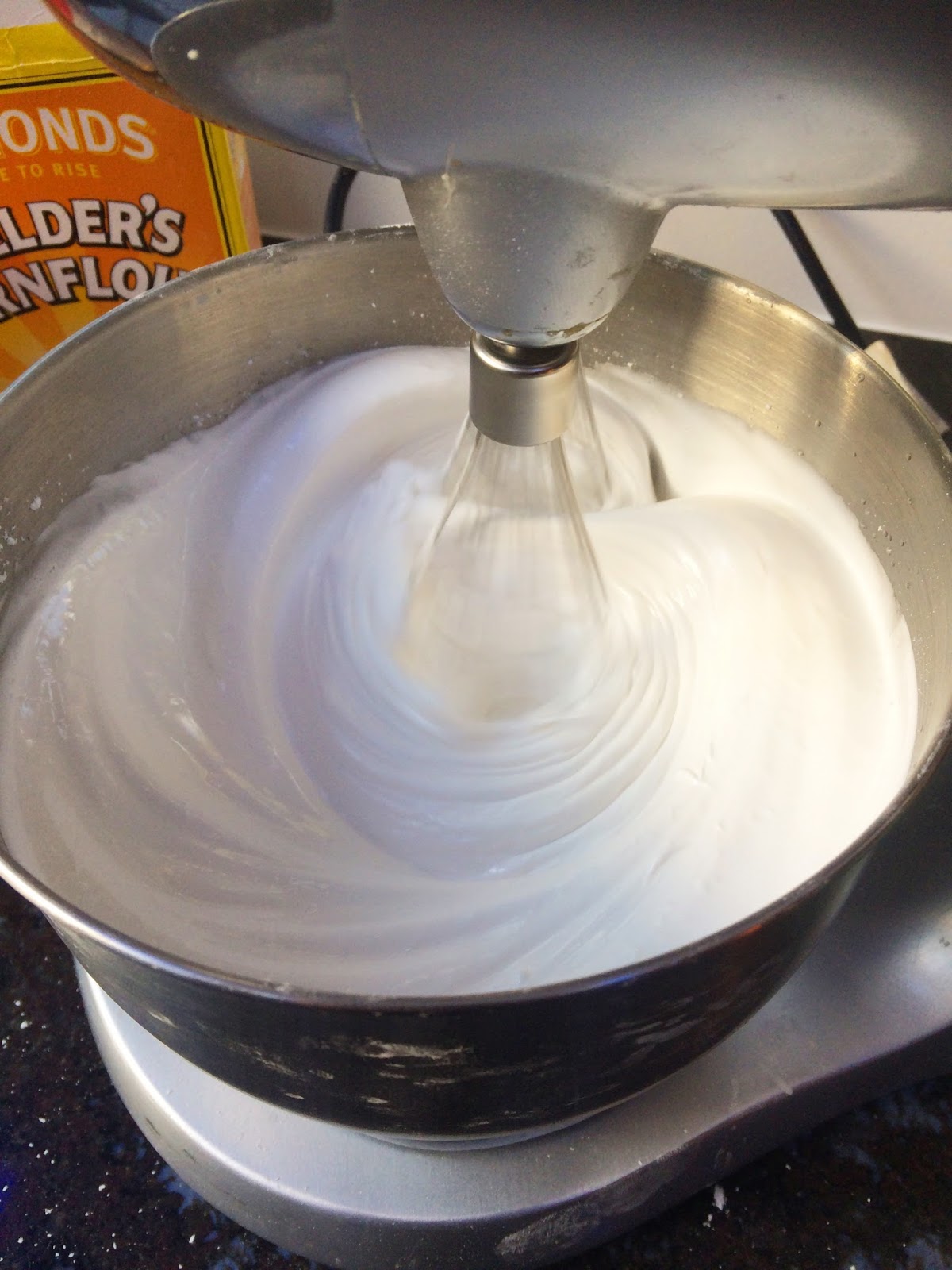
 To get aquafaba basically all you need to do is to drain a can of chickpeas, keep the liquid and then beat it. Don't do it by hand though, unless you have strong arms, it takes longer that egg whites. But wow it peaks! And white and fluffy too! I got quite emotional seeing it, like a wonderful chemistry experiment.

After beating for 3-5minutes
After 7-8 minutes
After adding sugar and cornflour
Taaa-daaa!

But what to make first?  I was tempted to make an Italian meringue, but didn't want to add hot syrup to my new discovery, in case the magic stopped! No, I decided, I'll do that next time and stick to something easy.


Ingredients

Base
1 Can of chickpeas (just the brine - i.e. water, which already has salt)
250 g icing sugar
1 tbsp cornflour
1 tbsp white vinegar
a few drops of vanilla essence

Topping
1 can coconut cream
1 tsp golden syrup
a few drops of vanilla essence
Green and gold kiwi fruit and/or strawberries and edible flowers

Beat the chickpea brine first, then when it is nice and peaky add the sugar, one tbsp at the time, and the cornflour. Add the vinegar and vanilla at the end and beat some more.


Not confident enough to try a single Pavlova I made two disks, plus some little ones to see how they baked. I had the oven on first very hot, and the at about 75°C fan for about three hours, actually more, it seemed to take forever! In the meantime I also whipped some coconut cream (Vegan Pavlova, remember?), I find that the Family Choice coconut cream has the thickest cream of all, in fact so thick that you don't need to refrigerate the can first, and can use the liquid a the bottom of the can to thin it down. I added a tsp of golden syrup (Maple syrup is good too) and a few drops of vanilla, and then set the cream aside in the fridge.

Coconut cream
 
I didn't end up assembling the 'Pavlova' until the day after, but the meringue was still good and the cream nice and stiff. I only put fruit in between the two layers, and reserved the cream only for the top. Possibly the disks were too large and they cracked a little, the smaller meringues looked great and made me plan for macaroons.  


The taste

It tastes as good as it looks! BTW, the primrose flowers are edible. I eat a lot of flowers too!

 Photos and Recipes by Alessandra Zecchini ©

Thursday, March 19, 2015

Plum Jam (using much less sugar that the traditional 'Anglo' recipes)


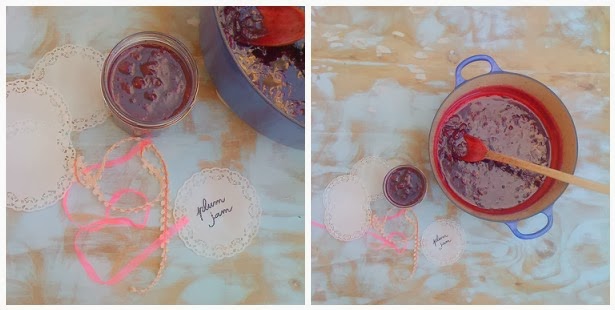
Jam made with plums from Oratia. I removed the stone and cooked the plums with a little water and some jam setting sugar (this was a present, and I wanted to try it). The NZ jam tradition seems to be 1kg of sugar for 1 kg of fruit (or even more sugar if you make raspberry jam) for an Italian this is too much. I go for 40 to 60%, with the latter being my preference if I need to preserve the jam for a long time (it helps agains botulin). You can taste the fruit better with less sugar :-).


And our cats, Nikita (left) and Marameo (right) are also enjoying the last of the sun, sleeping outdoors all day long! Marameo is 18 now, an old lady cat 


 Photos and recipes by Alessandra Zecchini ©

Monday, June 2, 2014

Rose Cordial, step by step


If you have roses in your garden, and they have not been sprayed (organic) you can make your own rose cordial, beautiful and pink! The recipe is the same as for the elderberry flower syrup.


For this you will need 1 l of water, 1 kg of sugar, organic rose petals (at least 1 cup full, but the more the better), 30 g of citric acid and 3 organic lemons. Wash and cut the lemons and put them in a pot with all the other ingredients (or in a large jar, if you have it). Let this mixture stand for three days, stirring from time to time. Don't go over three days or it may ferment. 


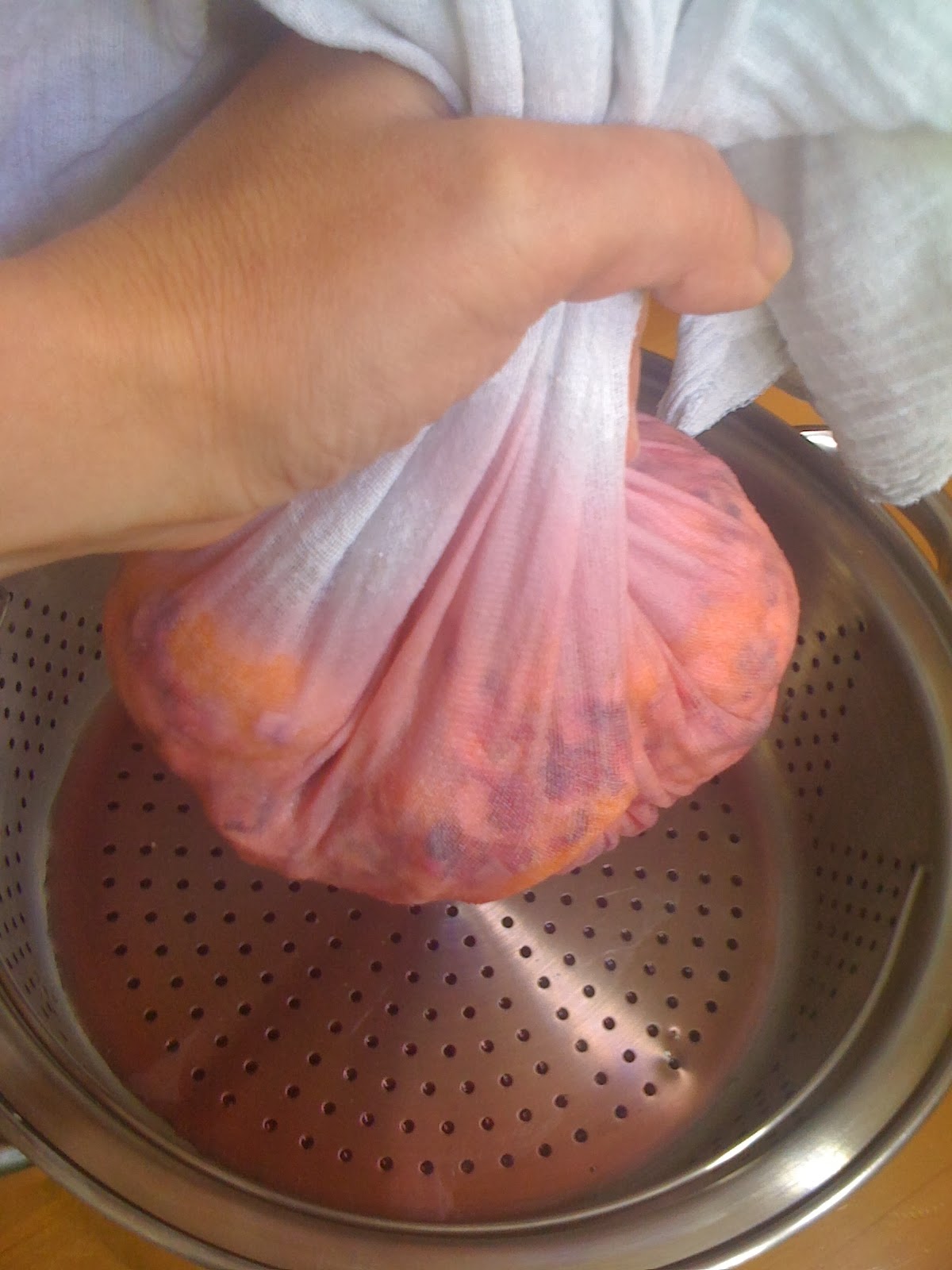
After this time filter the syrup through a muslin cloth, squeezing the lemons and flowers well. 


Boil the filtered syrup for 5 minutes, removing any possible scam forming at the top. Cool down and filter again, through a finer cotton cloth this time (I do this in a funnel directly over the bottles. Use as a cordial for water, or as a syrup for cakes and desserts.


 Photos and recipes by Alessandra Zecchini ©