Showing posts with label step by step. Show all posts

Tuesday, November 20, 2018

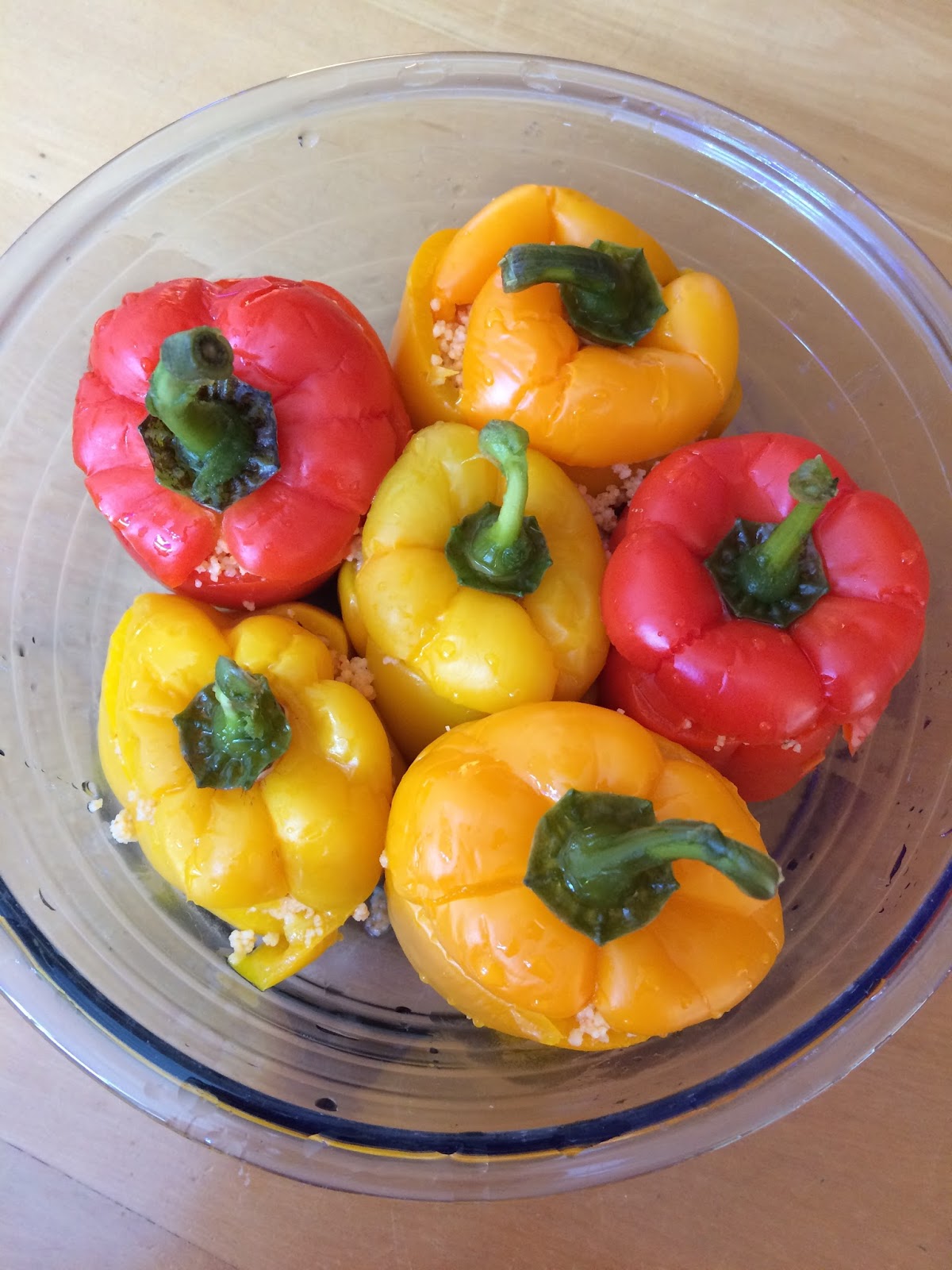
Capsicum staffed with couscous and crispy roasted capsicum skins


This recipe is also about not wasting food!


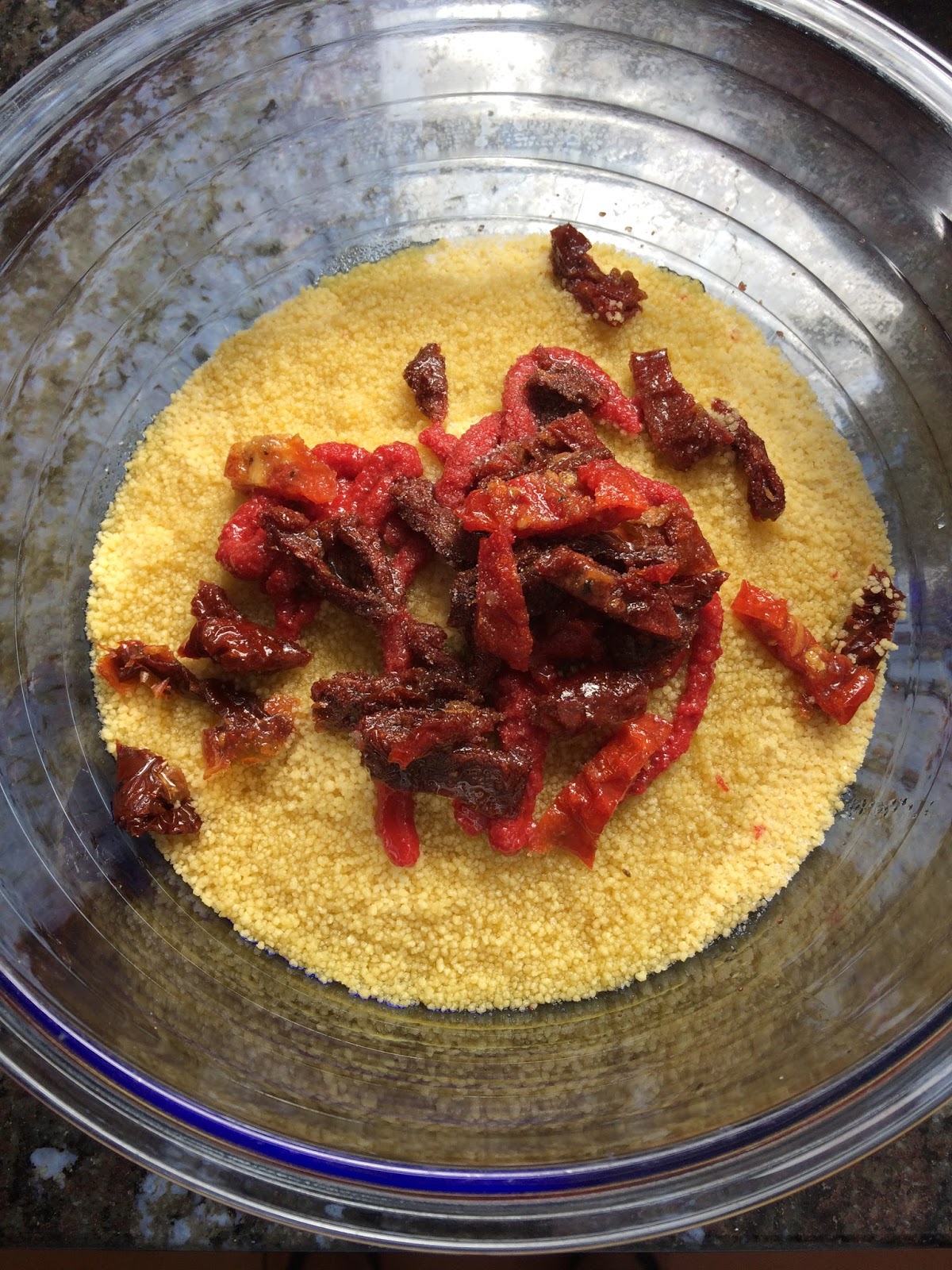
It is very common to find capsicums (bell peppers) staffed with rice, but couscous can be as good. First boil wash well and the whole capsicums for 5-10 minutes to soften. In the meantime place a cup of instant couscous in a bowl that you can cover with a lid, add some olive oil, salt, and a mixture of dried and semi-dried tomatoes, cut into stripes. Cover with boiling water (and here you can use the capsicums water, if you want to save it!). Cover with a lid.


remove the capsicums from the hot water (use for the couscous) and cut the top off (careful, they will be hot!) and if it peels off easy, the skin. Keep the skin aside. When the couscous is nice and fluffy use it to fill the capsicums. At this stage you can add more things, like tempeh, tofu or anything you like. 


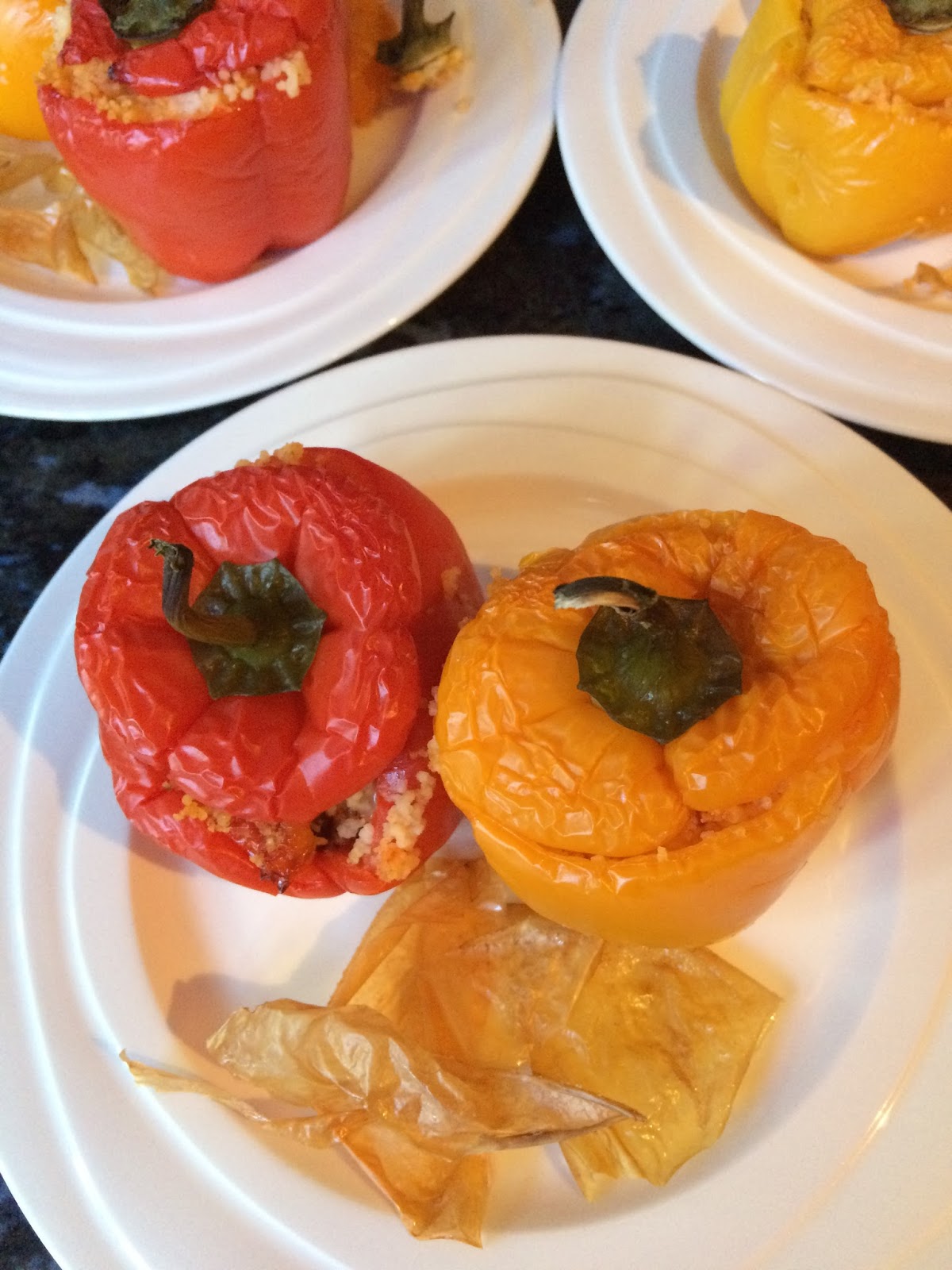
Place the capsicums top on and bake for approx. 30 mins.


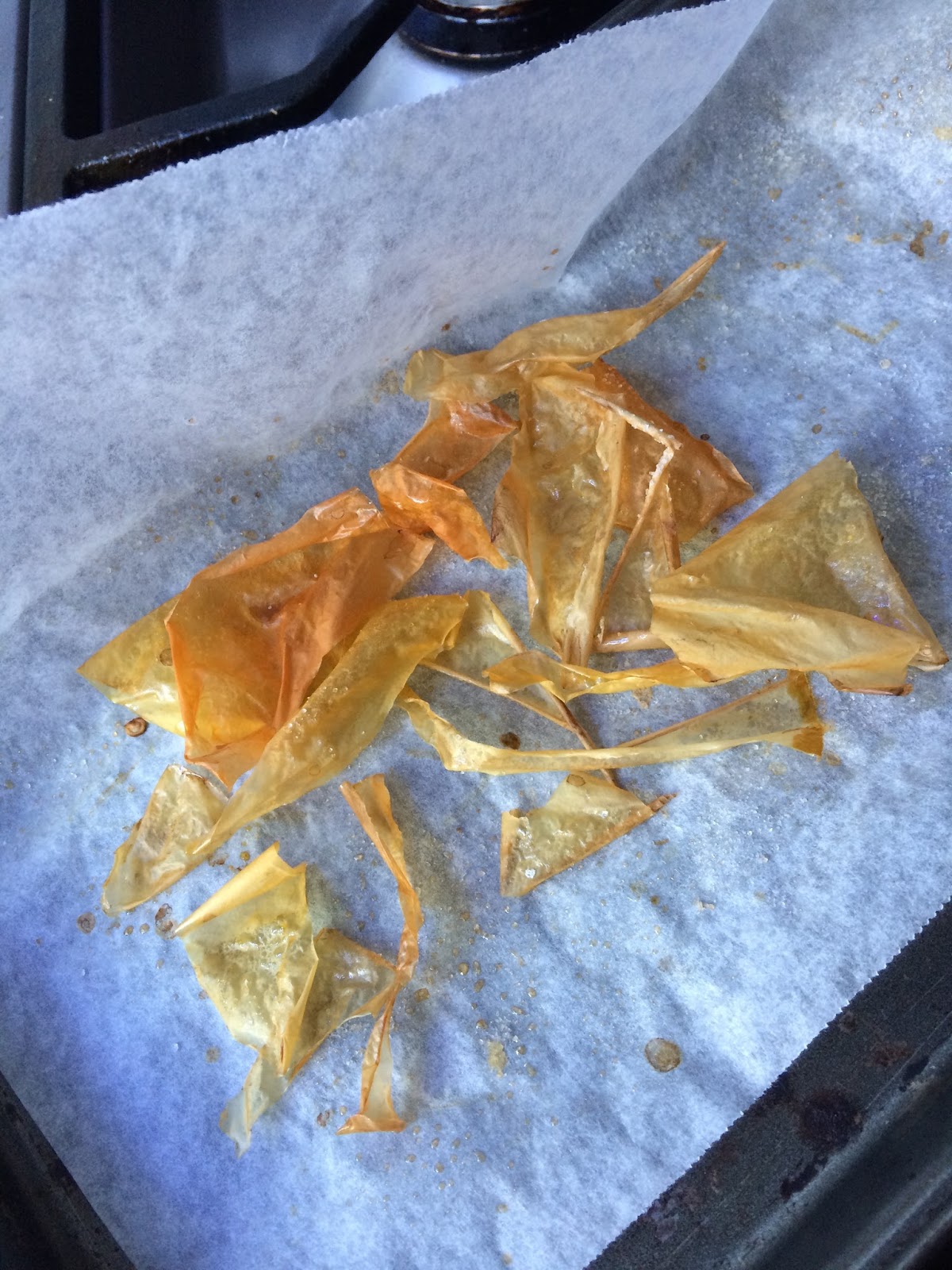
You can also roll out the skins, brush with olive oil and sprinkle with salt and then bake until golden.


They will come out like thin crisps, super delicious, and perfect as an aperitif or as a garnish to your stuffed capsicums. A good way to use the skin of tomatoes and other vegetables too!


Photos and Recipes by Alessandra Zecchini ©

Saturday, February 10, 2018

Risi e bisi coi baccelli - Fresh pea risotto with pea pod broth (waste not!)


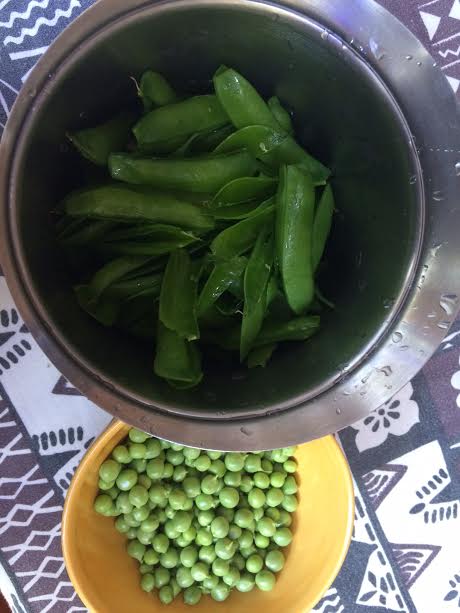
Peas are a precious crop for me, I don't like to buy big bags of frozen peas like everyone seems to do in New Zealand (and other countries), it makes them feel 'cheap' and 'common' and an everyday boring side veggie.

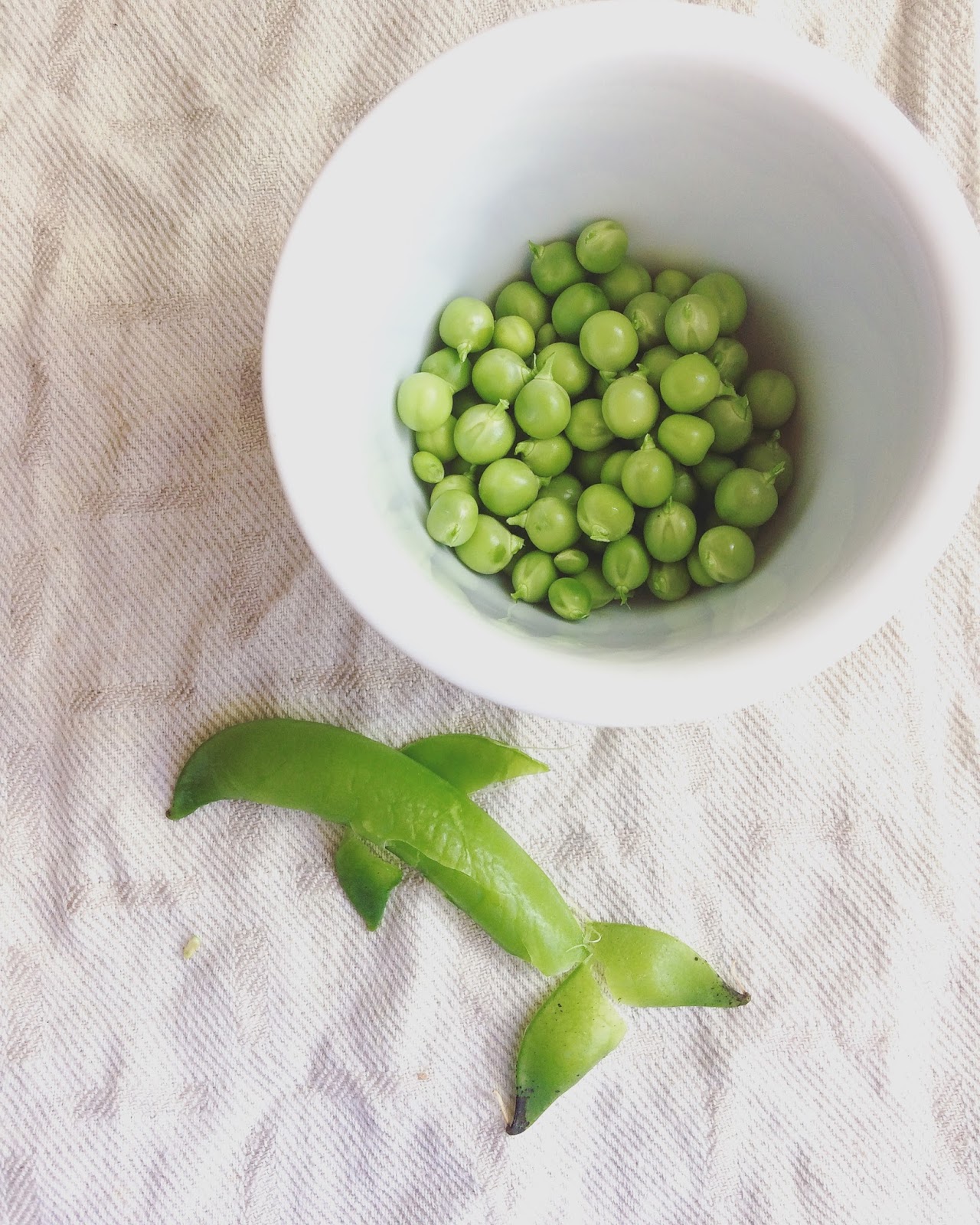
I like my fresh peas and I like them to be the main player in a dish, like for risi e bisi, a traditional risotto dish from Veneto, Italy. And the best part of growing them? Is to keep the pods, and as I am a NO-FOOD-WASTE advocate, to use them to make stock, which will be the base of the risotto. So shell the peas and keep the pods, wash them well and place them in a pot with water (I used about 1.2 litres of water for a basket of peas) and rock salt and simmer for at least one hour. You can also add a little parsley or celery leaves to the stock, but not too much as they have very strong flavour. Filter the stock and keep hot. You can also cut the pods into tiny strips and add them to the risotto, but I just gave them to some hungry visiting chickens (big mistake, they are always around my house now!!).


To prepare the risotto chop an onion and saute with margarine or soy butter (olive oil ok but vegetable butter is better for this). Butter should still be bubbling when you add the rice (I used arborio). Stir until the rice is hot then add the peas.


Stir again and then start adding the stock, little by little. If you use a good casserole you can cover the risotto from time to time and let is absorb the liquid, otherwise keep stirring and adding stock until the risotto is ready.


Towards the end test for salt and add a little pepper if you like. Eat hot. Leftovers are good to make croquettes or arancini the day after.


Photos and Recipes by Alessandra Zecchini ©

Sunday, January 3, 2016

Homemade Vegan meat, Seitan

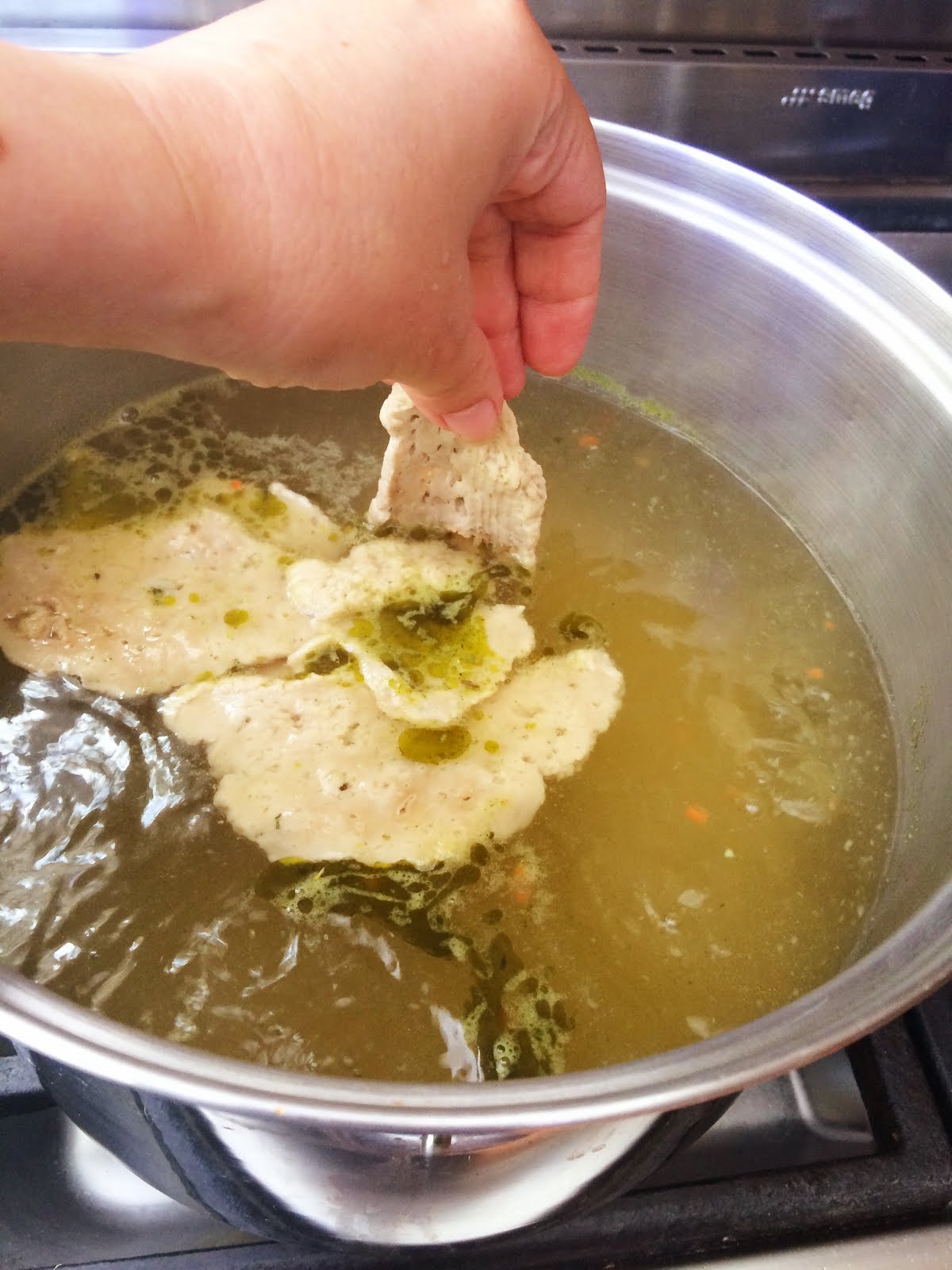
Easy to make, low cost and versatile, and you can do it at home! The basic ingredient is gluten flour, and with a 500g pack (about $7) you can eat for days and days. I like to make 'fillets' and strips, suitable for different uses. Put the gluten flour in a bowl and add seasoning (a little salt, or herbs, or what you like, even a little olive oil if you like it 'fatter'. Then add the same amount of water and mix with your hand until you get an elastic dough. Squeeze out any excess water (usually just a little if none) and set aside for 10 minutes. Cut into very thin slices with a serrated knife.


Or use scissor for thinner strips.


Place one slice at the time in a large pot of simmering vegetable broth (use plenty of broth for 500g of gluten flour, as it makes many slices and they will grow while simmering). Cook for 30 minutes, stirring from time to time.


When the 'meat' is ready pick up piece by piece and place on a couple of clean cotton tea towels to dry for 10-20 minutes. Now it is ready to use for you favourite recipes (use the remaining stock to make soup). If you are not using it straight away place in a sealed glass or plastic container and store in the fridge for up to two weeks (or freeze for longer periods). 


When you need a few slices just take out and sauté with a little oil in a skillet. One of my favourite uses is to brown the slices on both sides and then add some lemon juice and soy sauce and put them in a sandwich, or on top of rice or ramen noodles. More recipes will follow when I get time to photograph and post more :-)


Photos and Recipes by Alessandra Zecchini ©

Wednesday, December 9, 2015

How to make potato and pumpkin gnocchi step by step


To make gnocchi you need big floury potatoes, like agria, wash them and boil them with the skin. Do not peel first! Peel the potatoes only after they have been boiled, then press with a potato ricer. This is very important, if you you a blender or food processer you will not get the right texture.


I added a bit of cooked pumpkin too (not necessary, but I had it!). Then salt, pepper and ground nutmeg. And then a bit of flour, enough to get a workable dough. There is no exact dosage really, it all depends on how floury are your potatoes, and adding pumpkin does require a bit more flour too.


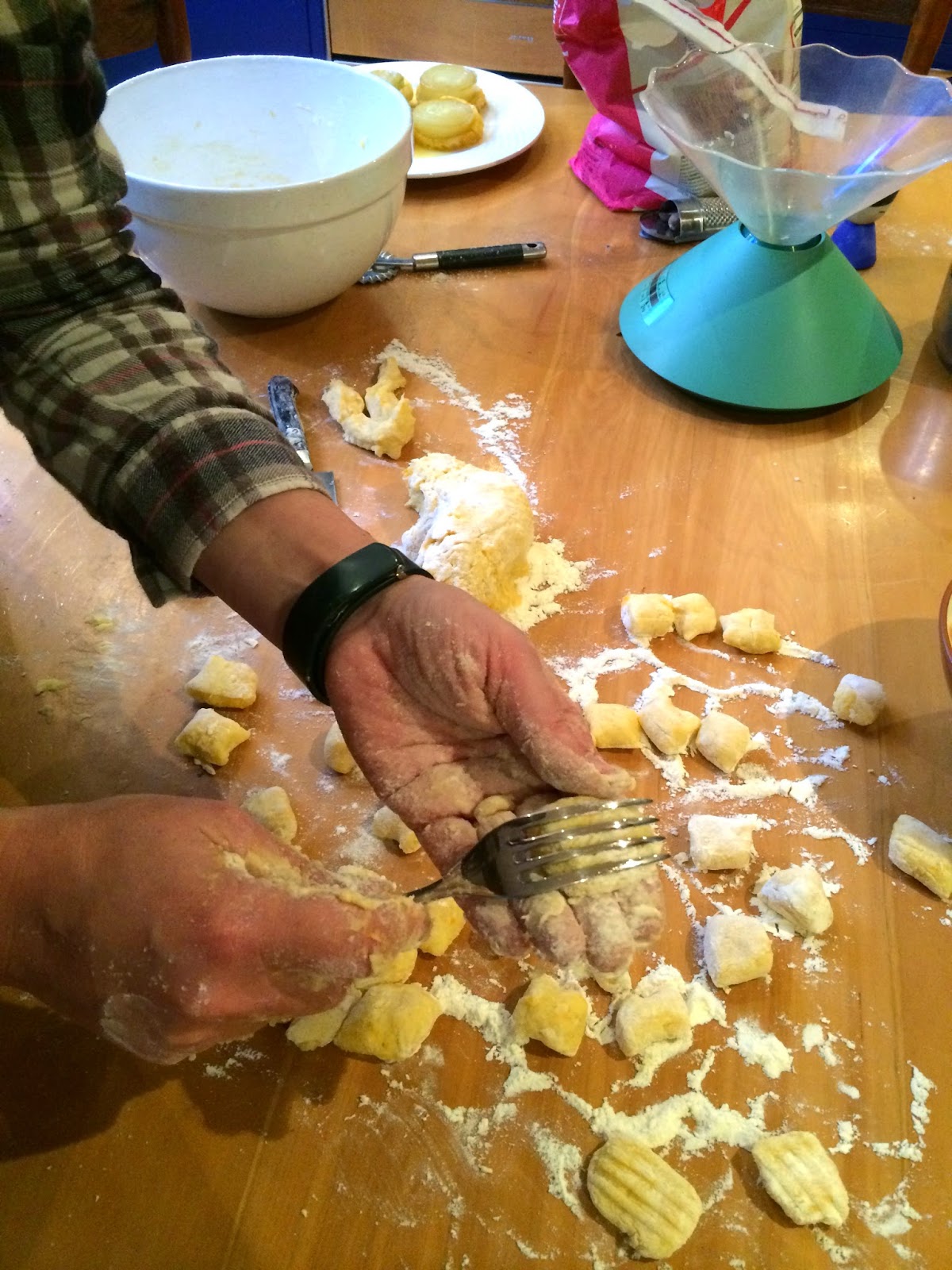
Take a piece of potato dough and roll it into long strips, then cut off the gnocchi.


Shape the gnocchi with the help of a fork to make some incisions on the top.


The gnocchi is ready! Cook in salted boiling water and as they rise to the surface remove with a slotted spoon and place in the pot with the sauce of your choice.


Photos and Recipes by Alessandra Zecchini ©

Thursday, June 11, 2015

Picking, treating and preserving olives in brine, and olives marinated in olive oil and herbs


Preserving olives is a rewarding experience. If you don’t have an olive tree you may be able to forage olives from trees in community gardens and in parks.  Usually olives are ready around April-May (in New Zealand).
Pick the olives from the tree (never from the ground) and wash well in cold water. If you prefer sweet-tasting olives you can put them in a bucket of water for up to 40 days, or 20-30 days for very small olives, changing the water every 24 hours; the olives will become brownish in colour, and lose a lot of bitterness. After this period make a brine (recipe follows) and bttle your olives. If you prefer crispy green olives with a peppery taste, just wash them and soak them for a day, then preserve them in brine.

Brine for preserving olives

Before making the brine, be sure to have plenty of glass jars with lids, sterilised and completely dry.

Ingredients
Water
Salt

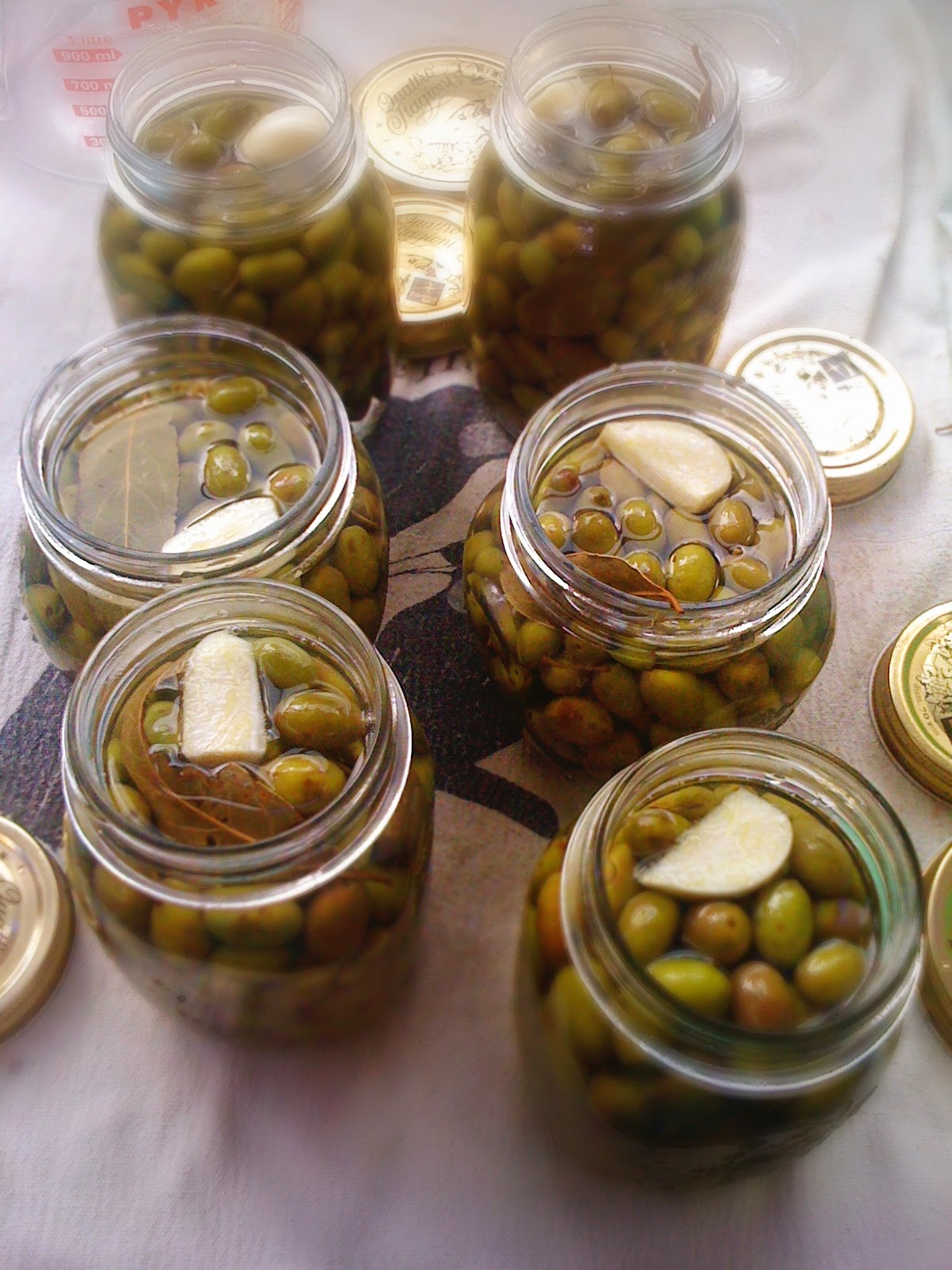
Prepare 10% salt brine (100 g of salt for every litre of water) by placing in a saucepan the water and salt.  Simmer until the salt is completely dissolved. Once the brine is cold place the olives into clean sterilised jars and cover completely with the brine.

To each jar add one more clove of garlic, a fresh bay leaf, a chilli pepper, or a fresh sprig of thyme.  Seal and put away in a dark place for three months. After this period the olives can be used in cooking or can be marinated with olive oil and your favourite herbs.
If you’d like to keep the olives for longer, prepare a new brine with an 8% solution (80 g of salt every for every litre of water) and put the olives into new jars with the fresh brine. Olives stored this way, and completely covered with brine, will last up to one year. Don't worry if you see white spots forming at the top of the brine, as this is natural — just remove them every time you open the jar, and always rinse the olives before using. Below is a recipe for marinating your preserved olives with olive oil and herbs, starting with your olives in brine.


Olives marinated in olive oil and herbs

I suggest you use a delicate olive oil for this recipe, like an extra virgin olive oil from the supermarket. Expensive olive oil is far too precious to marinate olives, unless you have your own press.

Ingredients
300 g olives in brine (green or dark)
1 sprig fresh thyme
1 sprig fresh oregano
1 sprig fresh rosemary
6 peppercorns
200 ml extra virgin olive oil


Drain the olives well from the brine, and give them a little rinse if necessary. Place in a large jar, add the herbs and pepper corns, and cover with the oil. Leave to rest for at least one day, and then serve. Store in a cool place and use within two weeks.

Photos and Recipes by Alessandra Zecchini ©

Friday, December 19, 2014

Raw, vegan and gluten free sweet for Christmas? Homemade marzipan!


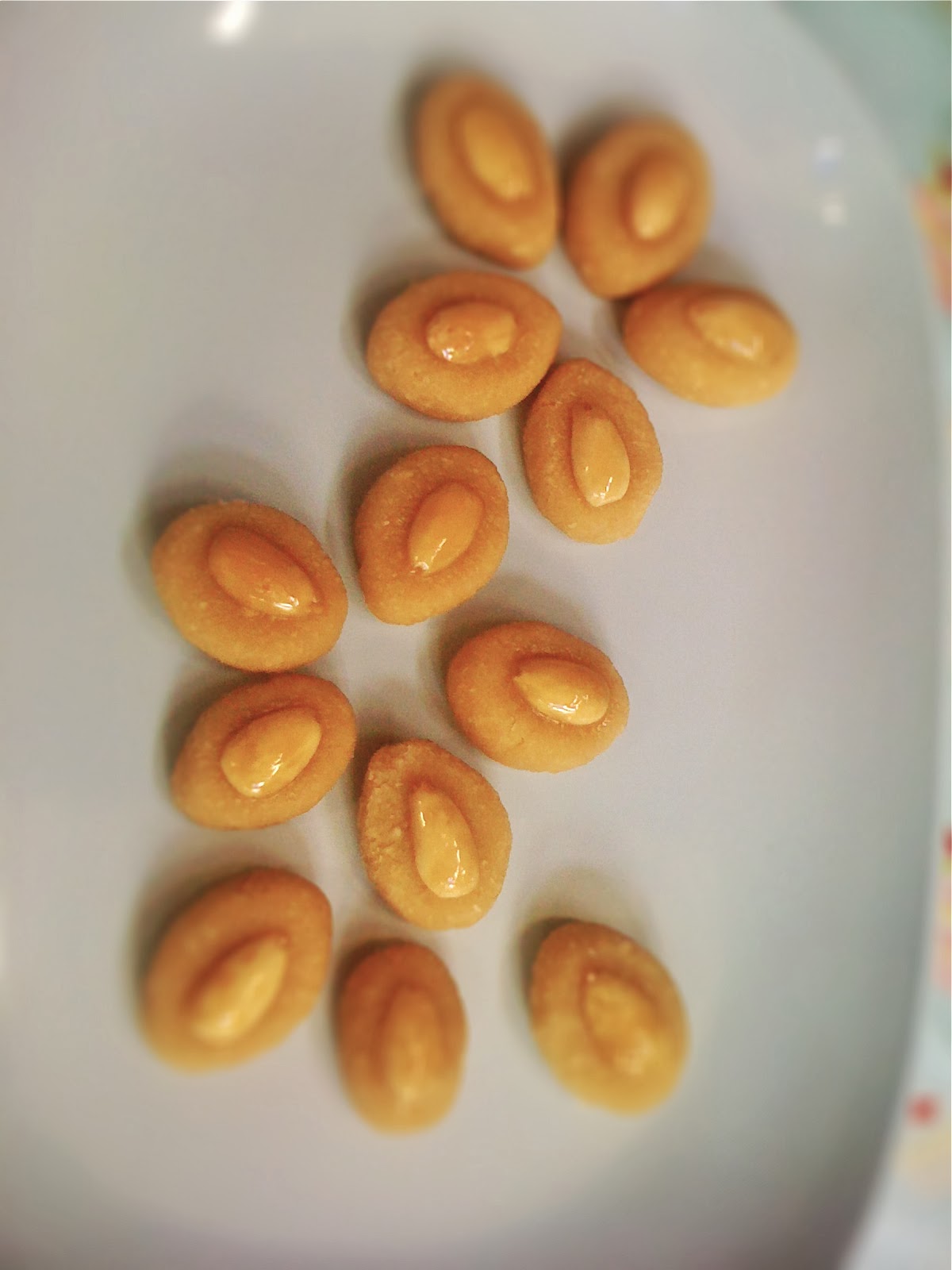
Marzipan is the perfect sweet for the Holiday Season, and this is RAW, VEGAN and GLUTEN FREE, so it seems to cover most of the current food trends :-). Click here to see the recipe and step by step images (including how to use apricot kernels). Note that for colouring this time I didn't use berry juice but Fresh As raspberry powder, and also quite a bit of spiraling powder for a darker green hue. The nuts on top are optional, of course.


Photos and Recipes by Alessandra Zecchini ©
Monday, September 16, 2013

Vegan pot-sticker dumplings


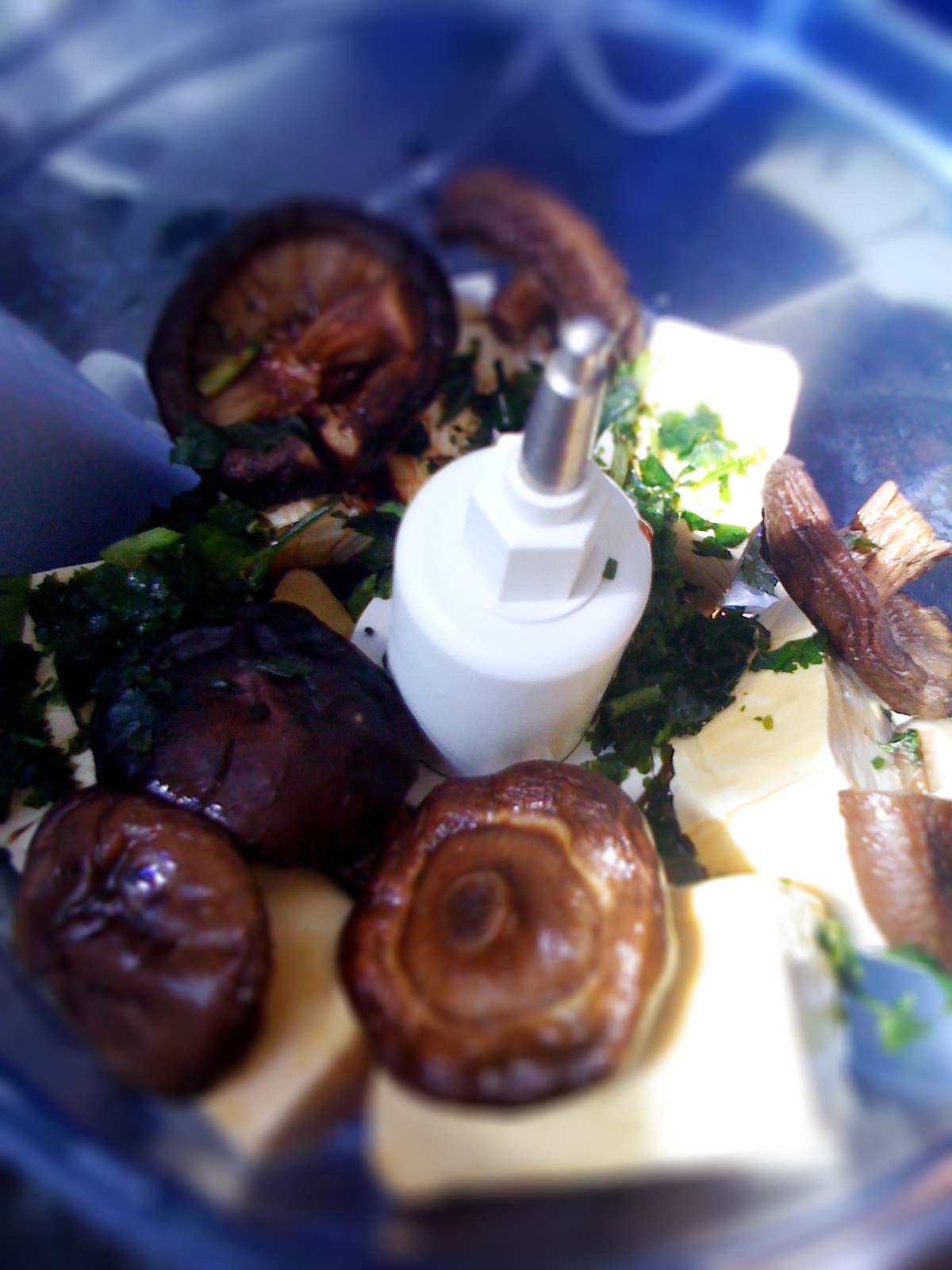
I love this type of dumplings, for the filling I use what I have at hand really, but generally the base is tofu, Chinese dried mushrooms, soaked and boiled first (keep the broth for later) and fresh coriander. For flavouring I used sesame oil, soy sauce and a little fresh ginger. Blend everything into a smooth paste.


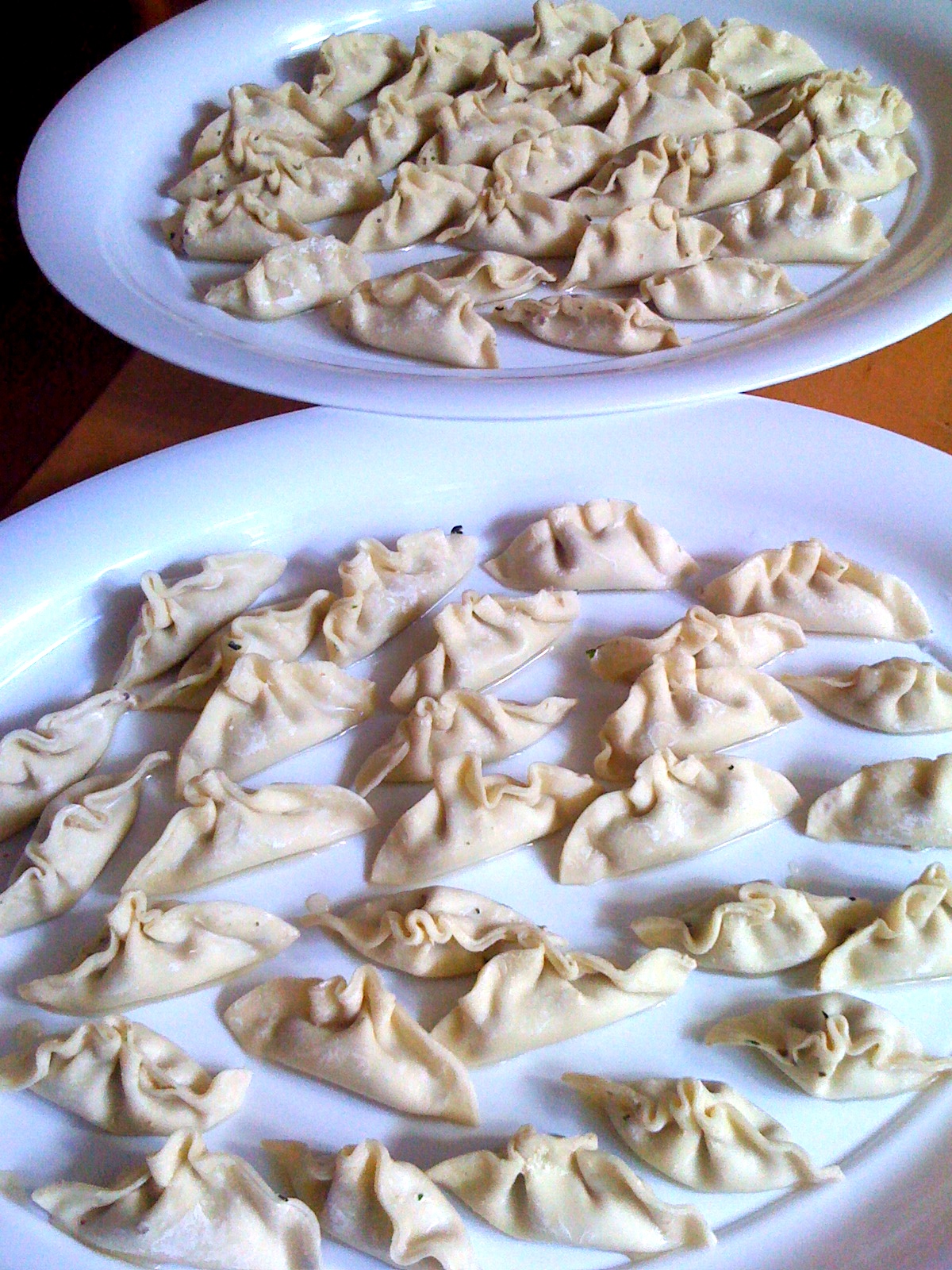
The folding is easy if you are doing it with friends. The fact is that after the first ten I got tired and bored, and I had 50 more to do! So I didn't make some particularly pretty ones to look at! My son loves them, and I wanted to make him fold a few ("so that you can learn darling!"), but he politely declined saying that he was going to take some photos of me making them instead (he is so good at finding explanations!).  One of the things I do when folding the ready bought dumpling disks is to wet the borders with water so that they stick well. And then I dip (lightly) the bottom of each dumpling in a plate lined with vegetable oil. In this way the dumplings don't stick to the tray, and then to the pot (even if they are supposed to be 'pot-stickers'!) 


Easy step by step images (this time by Arantxa, they are from this post)


These can also be simmered in broth (I always make a little broth for a just a few, just simmer them until they come to the surface and then they are ready!) or steamed in dumpling baskets. I learned the  pot-sticker method in Japan, where these are called gyoza (but have meat inside). 


Cook the dumpling in a very hot pan, and as soon as the bottom has started to brown turn them and brown both side as well. Then cover with a lid and let the steam finish the cooking for a minute or so. At this stage I do add a spoon or two of water or, even better, the stock left over from cooking the mushrooms.  

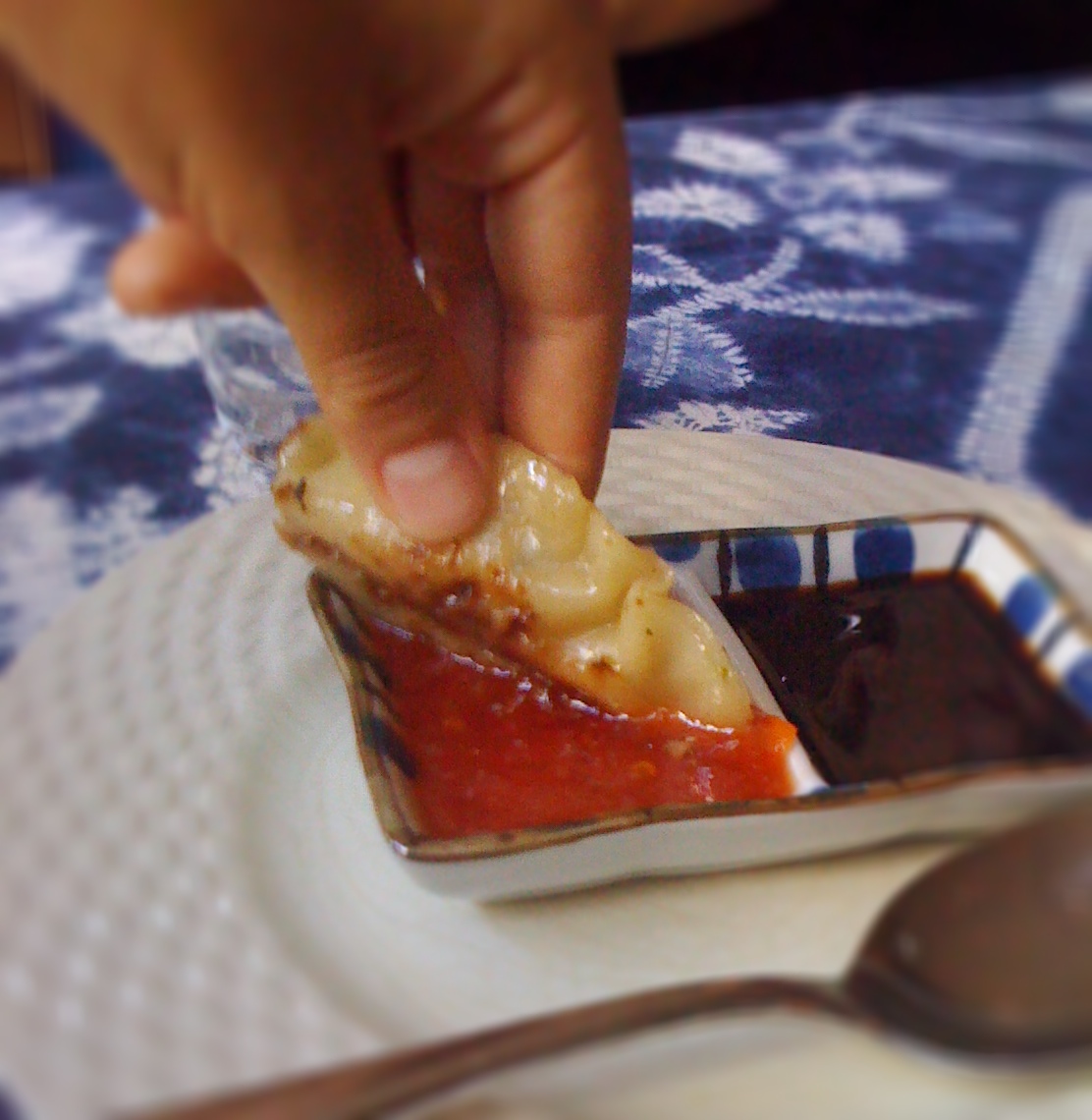
Serve them hot! They can be eaten with chopsticks or fingers, dipped in sweet chilli sauce or soy sauce,  Max had about 25!


Photos and Recipes by Alessandra Zecchini and Max and Arantxa Zecchini Dowling©

Thursday, November 22, 2012

Stuffed white cabbage leaves with lentils


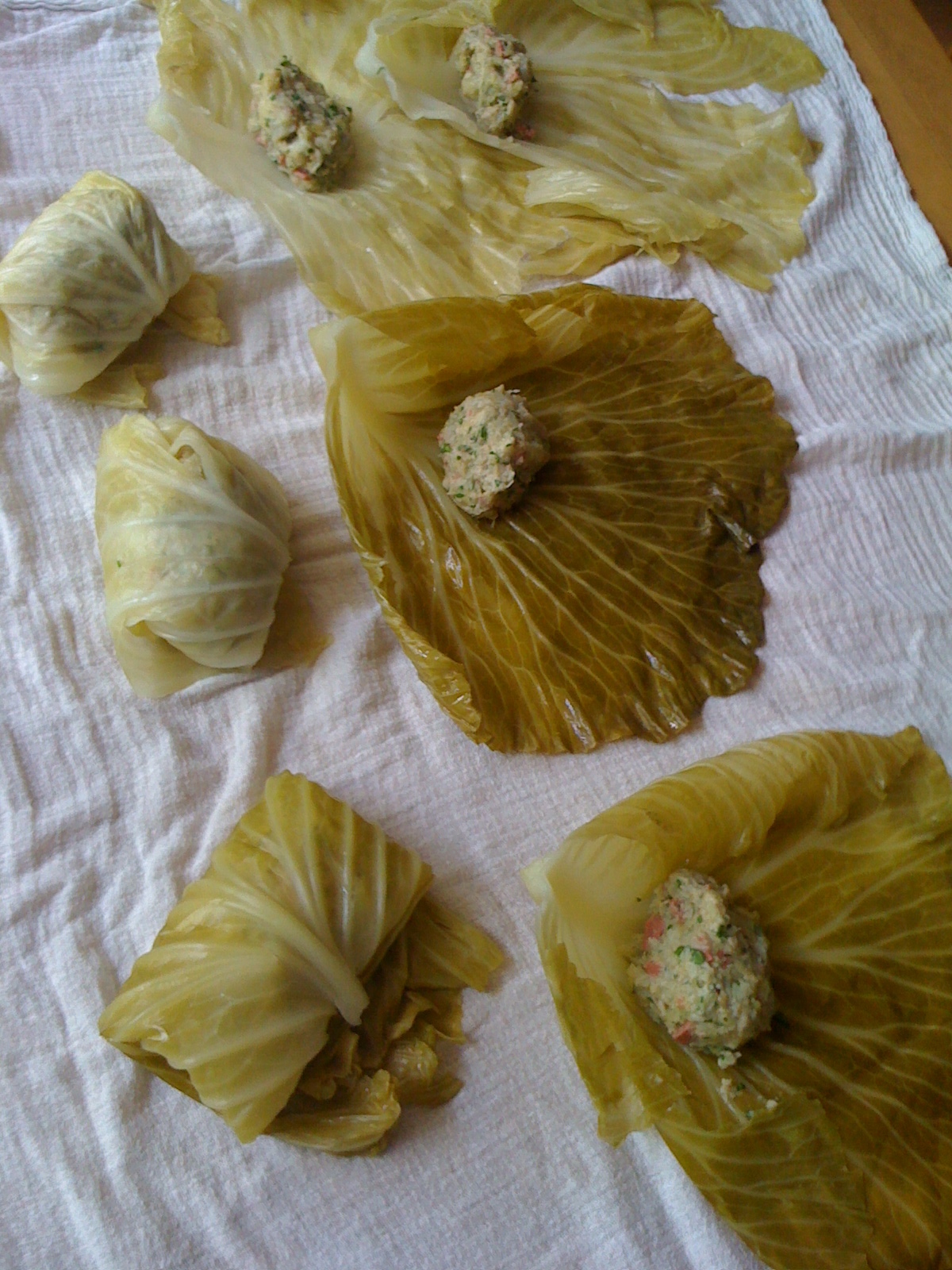
This is a first. I like stuffed cabbage leaves but I always use this dark green curly cabbages (like Savoy) to make them, and I never used the round and firm white cabbages that are used to make coleslaw. But I happened to have a big white cabbage and the outer leaves were sort of green... I managed to remove 7 leaves before the cabbage become to compact to pull apart. Then I washed them and boiled them in salted water (which I later used to make vegetable broth for an Asian noodle soup - never waste!). I also boiled a few more cabbage leaves that got broken while I was trying to pull them away: they were going to be used in the filling.


For the filling I used some cooked cabbage leaves, a couple of slices of vegetarian bacon, chopped parsley, breadcrumbs, smoked salt, chili flakes, coriander seeds and smoked garlic. I mushed everything with my hands and divided the filling between the 7 leaves, and then I rolled them up.


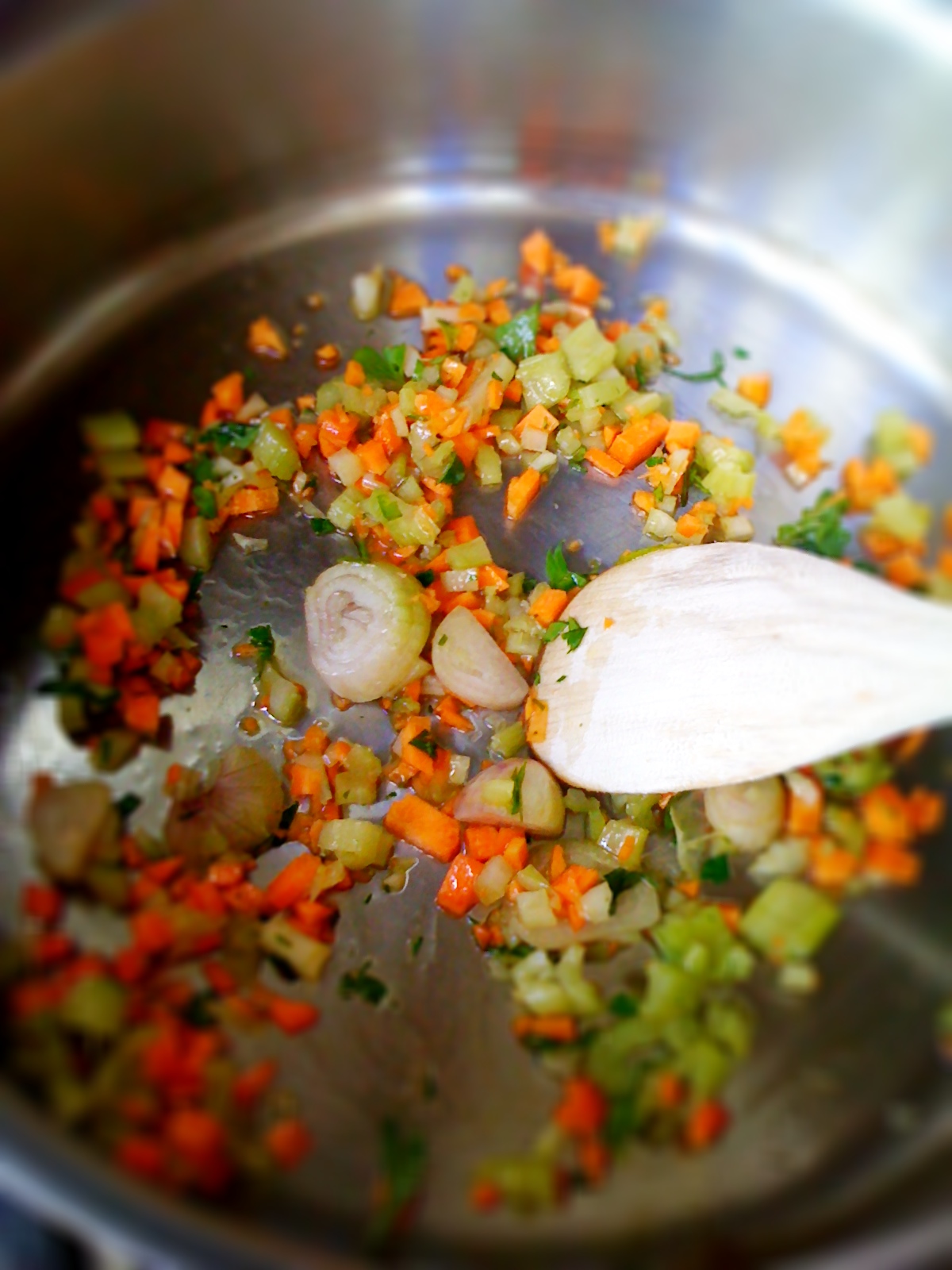
I prepared a soffritto with a shallot, half a carrot, a celery stick, and some chopped parsley, all sautéed with a little olive oil. 


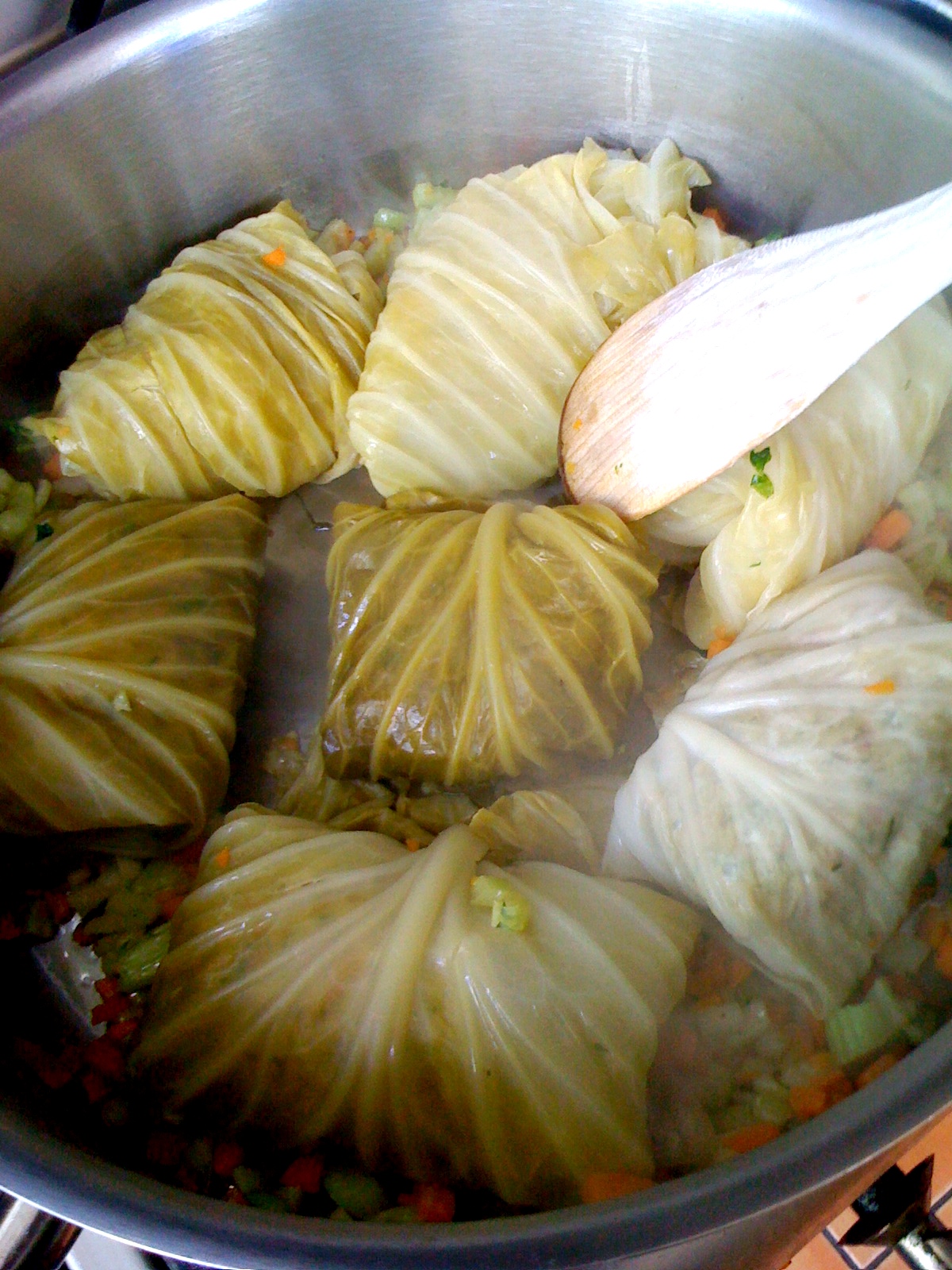
I added the cabbage leaves and let them sauté on one side only for a few minutes.


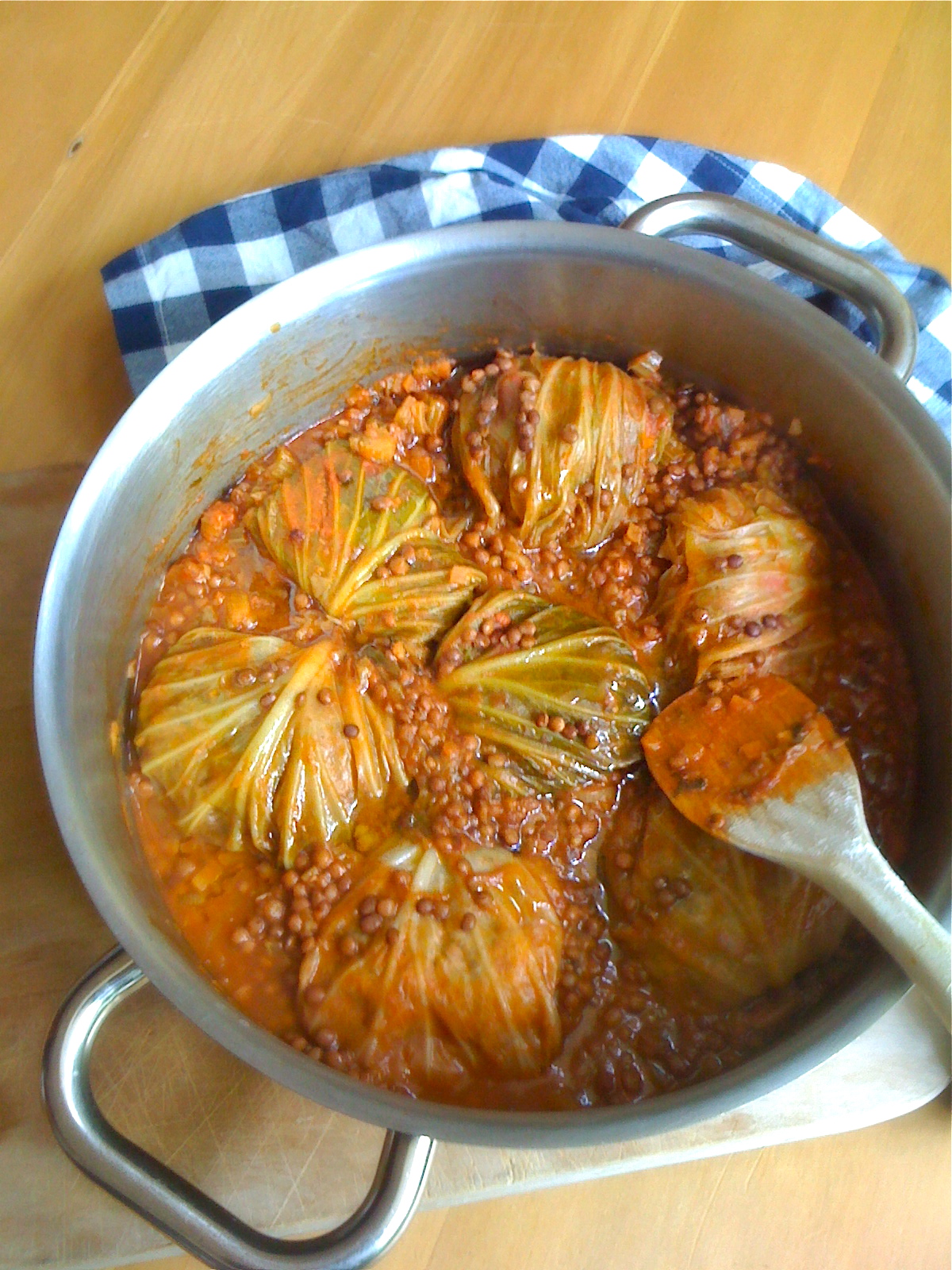
Then I added one cup of tomato passata (Italian tomato sauce) and one cup of vegetable broth. I covered the pot with a lid and let the cabbage rolls simmer for 30 minutes.


After 30 minutes I added the content of a can of Italian brown lentils (their water included) and simmered everything for another 30 minutes.


Well, I just managed to taste one, the other six were two each for the kids and the babysitter (I was teaching that night), to be eaten with bruschetta (actually, just a baguette cut into slices and the brushed with olive oil, sprinkled with salt and baked until golden and crispy, the kids just love it!!). The result? I was pleasantly surprised: I am not a fan of white cabbage, but in this way it tasted great! Pity that I could not get more leaves out of it, maybe I need to boil the whole cabbage and then try to pull off the leaves... next time I will try. Or maybe I will just go back to use my usual Savoy cabbages! :-)


Photos and Recipes by Alessandra Zecchini ©

Sunday, November 18, 2012

Leek and edamame Vegan risotto


Chop one large leek and wash it, then sauté with olive oil until soft. Add one cup of shelled edamame (I used the frozen ones) and sauté until the edamame are starting to cook. Add 400 g arborio rice and stir, when the rice is hot and starting to toast add a glass of white wine at room temperature (not chilled). Stir and after the wine has been absorbed add about 1 l of vegetable stock, one ladle at the time, stirring often until cooked. 

Serves 4

Photos and Recipes by Alessandra Zecchini ©

Thursday, October 18, 2012

Nigella Potatoes, slow cooked in a tajine


The original recipe is here, and I have to say that I make it often because it is one of my favourite potato creations. A curious fact: when I published this recipe the first time I pointed out that it didn't have anything to do with Nigella Lawson, I that I called it nigella potatoes because of the nigella seeds. But funny enough after a few days I started receiving the Nigella Lawson newsletter in my inbox. I never signed up for it, so some web robot must have picked up my blog reference and details, and signed me in! Nigella must have a great PR team!
Anyway, back to the potatoes: the recipe is the same but I cooked the potatoes differently because my husband presented me with a big tajine :-).
Nigella Potatoes slow cooked in a tajine
Ingredients:
500 g potatoes (Agria or similar ‘floury’ potatoes)
2 tbsp vegetable oil
2 garlic cloves, peeled
1 tsp nigella seeds
Half tsp ground coriander
Half tsp cumin powder
1 tsp turmeric
Salt to taste
Water
 fresh coriander (or parsley) leaves

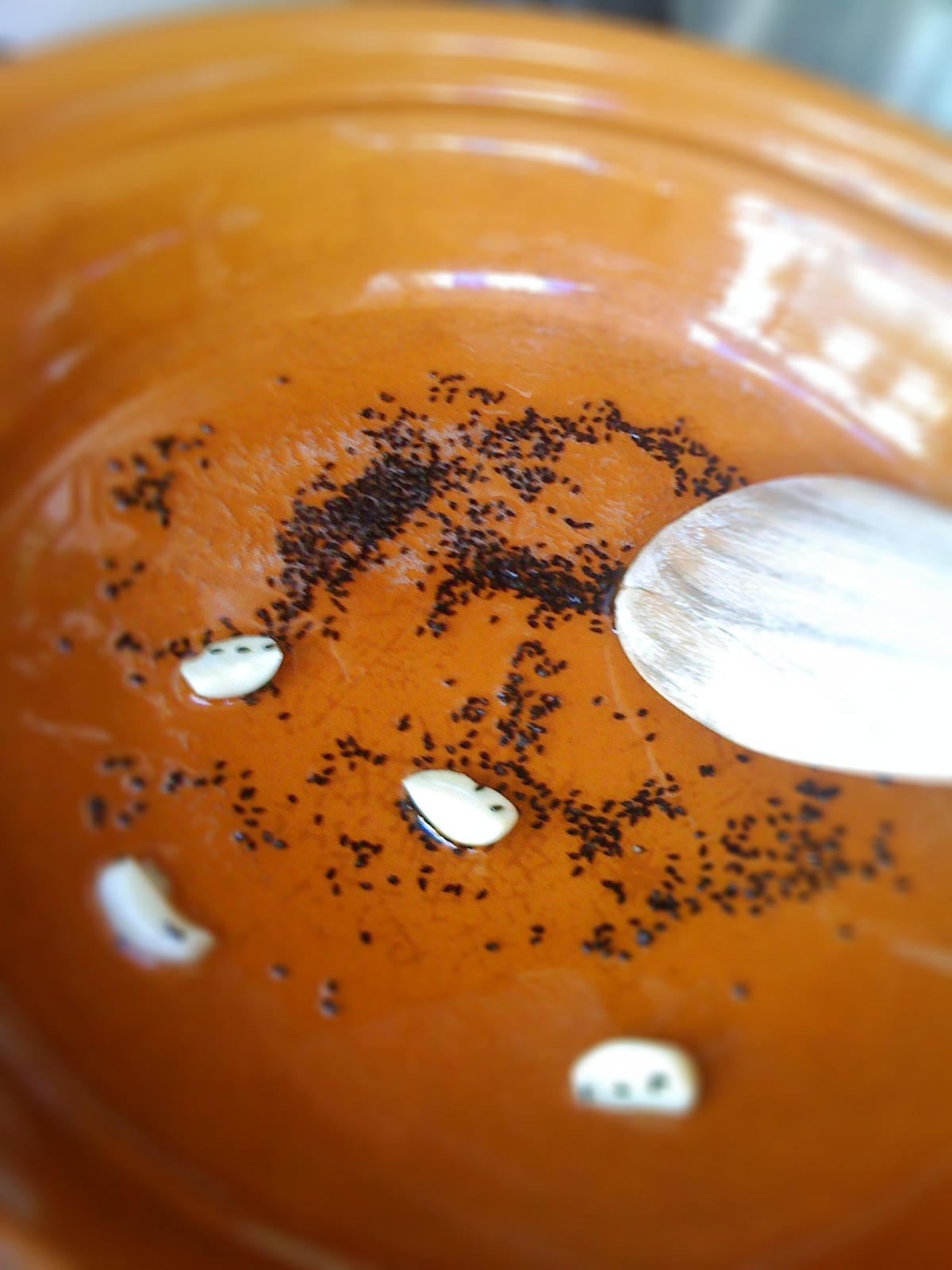
Peel the potatoes and cut into 4-5 cm cubes. Heat the oil in the tajine, then and add the garlic cloves and nigella seeds. 


When the seeds start to crackle add the ground coriander, cumin, turmeric, and a little salt. 


Add the cubed potatoes and coat well with the spices. Stir constantly, and when the potatoes start to become too dry add a cup of water.


Cover and simmer on lowest setting, stirring from time to time and adding water every time the mixture gets too dry. When all the potatoes are cooked, remove from the heat. It took me about one hour to cook the potatoes this way, in a normal saucepan they usually get quite mushy, but in the tajine they kept their shape beautifully!


Finely chop some washed fresh coriander or parsley (or a mixture of both) leaves, and add to the potatoes. Stir and serve. It was dark when I took the last photo, so the light wasn't good, but the potatoes were delicious!


Photos and Recipes by Alessandra Zecchini ©