Showing posts with label Olive oil. Show all posts

Monday, January 14, 2019

Italian chips - patatine fritte (with olive oil, garlic and rosemary)


How silly can a recipe be? I never thought that I would bother writing something so basic, but the world where I live is so full of chips, and terrible chips I must say, that I very rarely eat them out, and very occasionally I like to make them at home the Italian way, patatine fritte, like we made on special occasions, usually on a Sunday. These are not deep fried but pan-fried, and they are flavoured with garlic and rosemary, 

Peel the potatoes, cut the potatoes into chip sizes, rinse (or just soak in water) and pat dry. Sizzle some garlic in a frypan with extra virgin olive oil, then add the chips and pan-fry stirring and/or shaking the pan constantly. I add just a little salt at the beginning, and remove the garlic before it burns. Then I add rosemary when they are nearly cooked (they takes about 20 minutes), finish with more salt and eat immediately (although if you cook them this way they are also tasty when cold, unlike British style chips). 

And now for something completely different (especially if you like birds!)

A Kereru! The New Zealand native wood pigeon, all puffed up and using her chest for a pillow.


Photos and Recipes by Alessandra Zecchini ©


Saturday, January 12, 2019

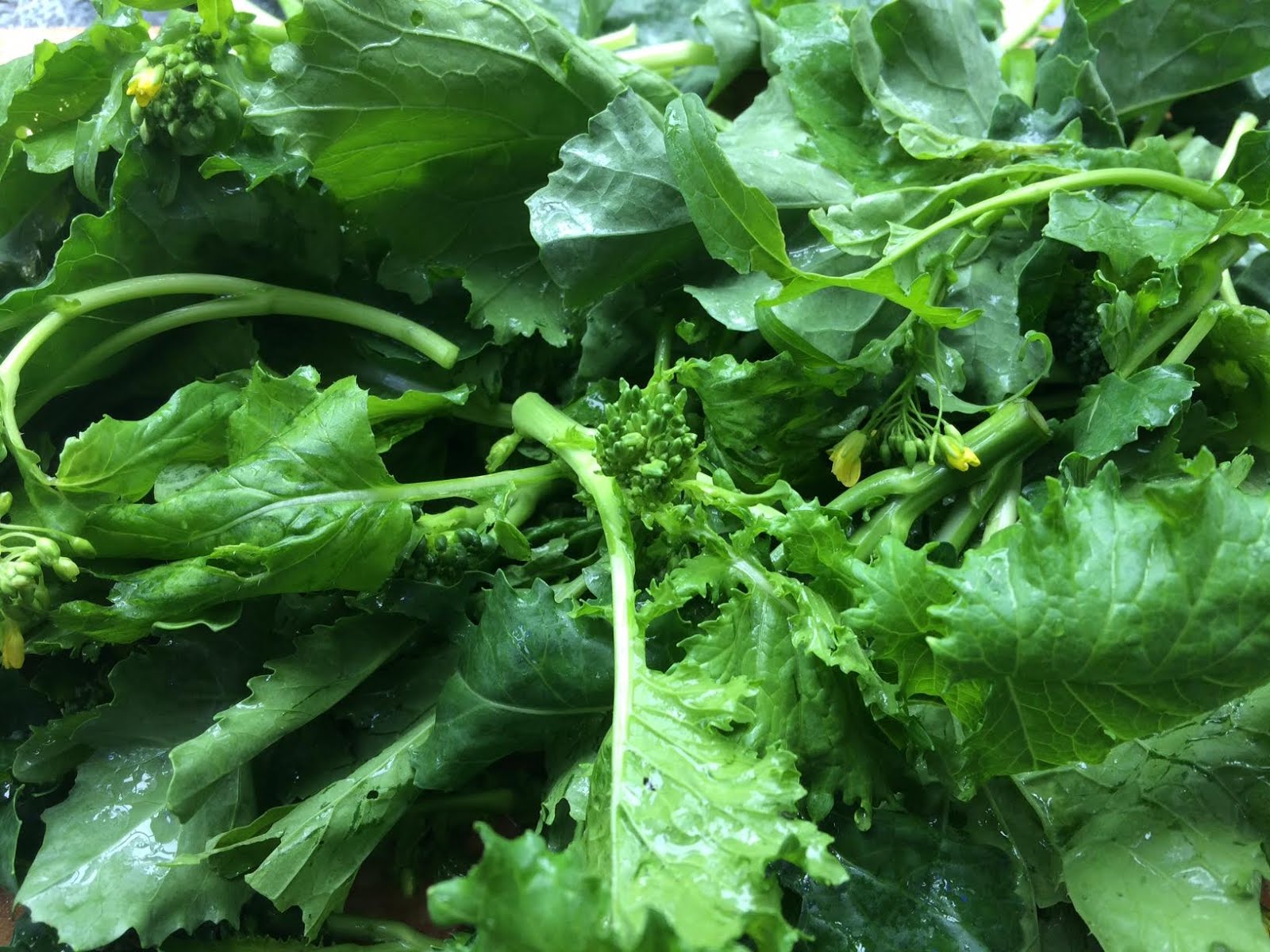
Orecchiette con cime di rapa (o friarielli) e broccoli


The only reason I made these with both cime di rapa and broccoli is because in the garden I had just a handful of cime di rapa, so the broccoli made them go... further.

Wash the friarielli and broccoli, cut onto manageable pieces. Boil the water for the orecchiette, adding plenty of salt when the water boils, and before adding the orecchiette. In the meantime in a pot sizzle chopped garlic and a chili with olive oil, add the cime di rapa and broccoli, a small pinch of salt, and cook them stirring often, and adding the boiling water from the orecchiette (but only after you have put the orecchiette in!) from time to time. The cooking water from pasta is very useful for pasta sauces and for cooking vegetables this way. When the orecchiette are ready drain and add to the cime di rapa, stir well, add more olive oil and serve.

Photos and Recipes by Alessandra Zecchini ©

Tuesday, November 20, 2018

Capsicum staffed with couscous and crispy roasted capsicum skins


This recipe is also about not wasting food!


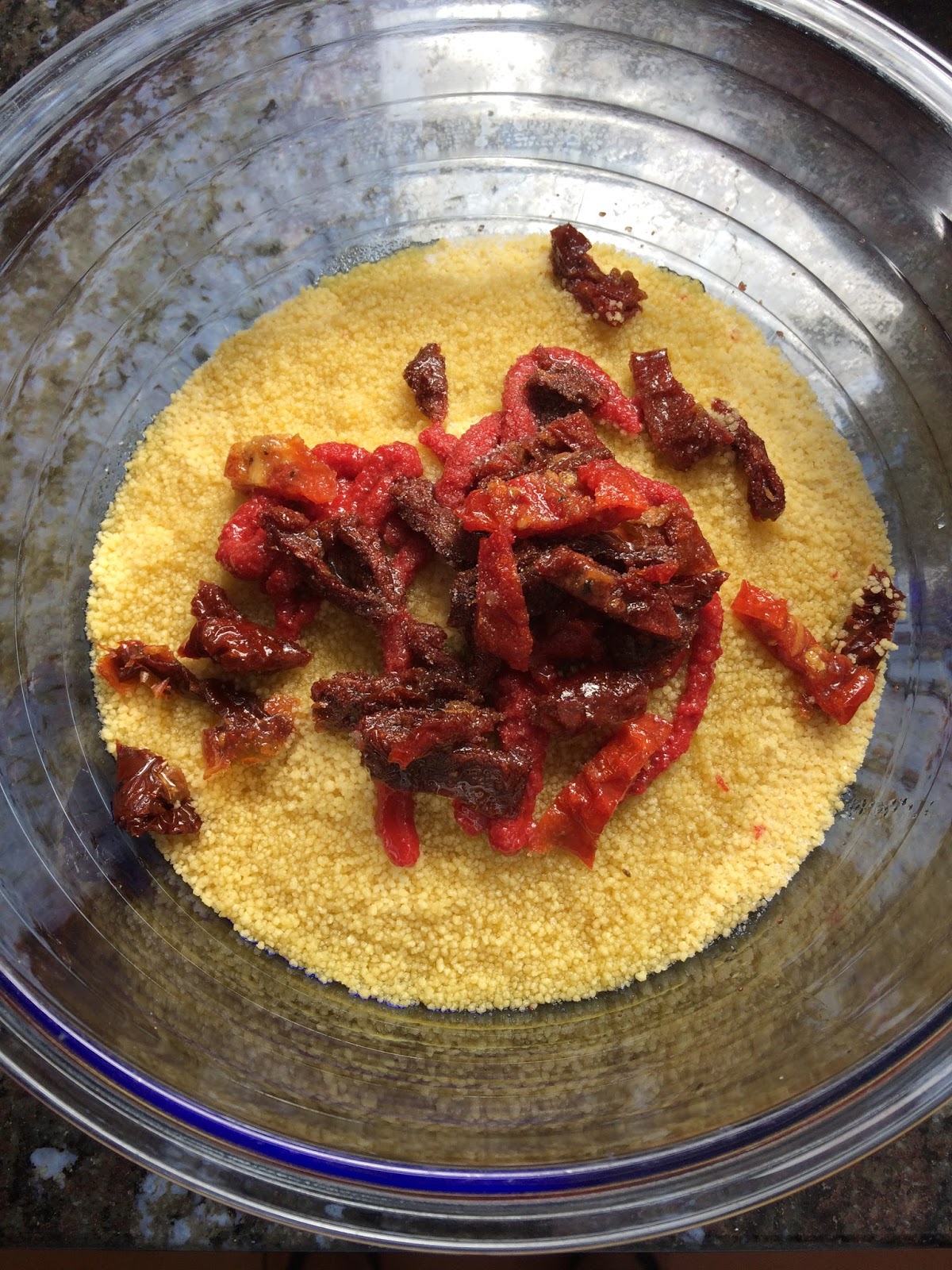
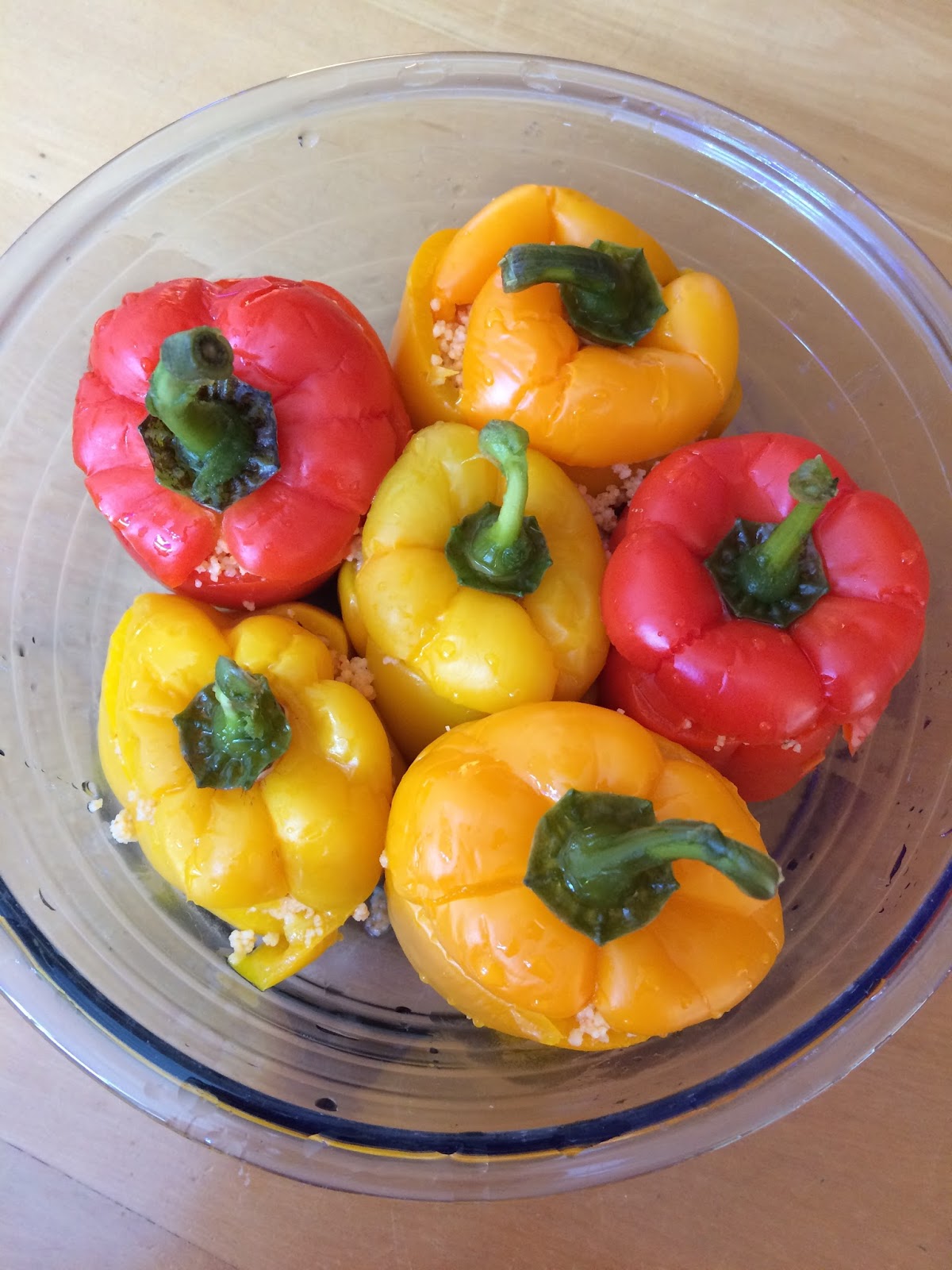
It is very common to find capsicums (bell peppers) staffed with rice, but couscous can be as good. First boil wash well and the whole capsicums for 5-10 minutes to soften. In the meantime place a cup of instant couscous in a bowl that you can cover with a lid, add some olive oil, salt, and a mixture of dried and semi-dried tomatoes, cut into stripes. Cover with boiling water (and here you can use the capsicums water, if you want to save it!). Cover with a lid.


remove the capsicums from the hot water (use for the couscous) and cut the top off (careful, they will be hot!) and if it peels off easy, the skin. Keep the skin aside. When the couscous is nice and fluffy use it to fill the capsicums. At this stage you can add more things, like tempeh, tofu or anything you like. 


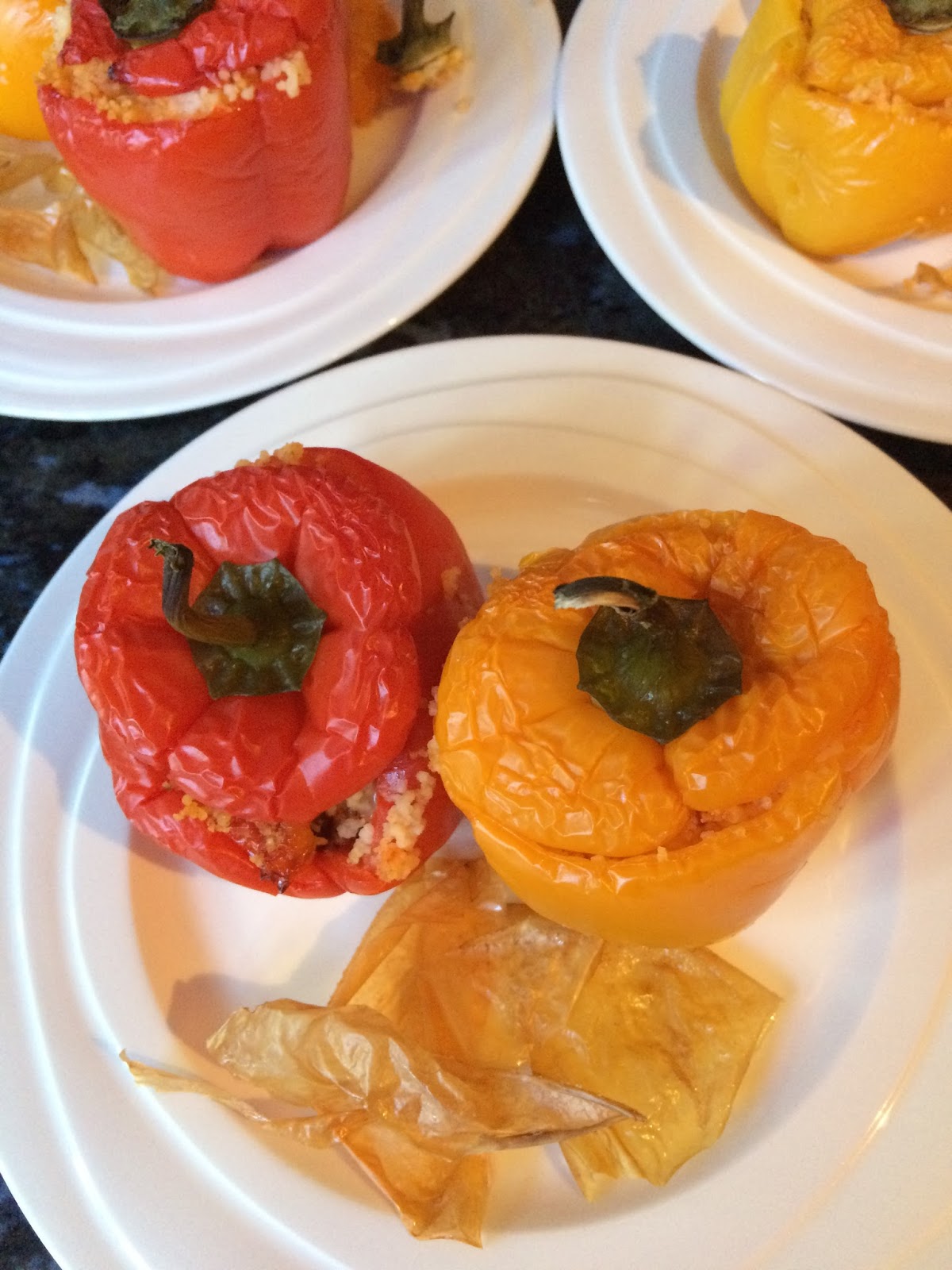
Place the capsicums top on and bake for approx. 30 mins.


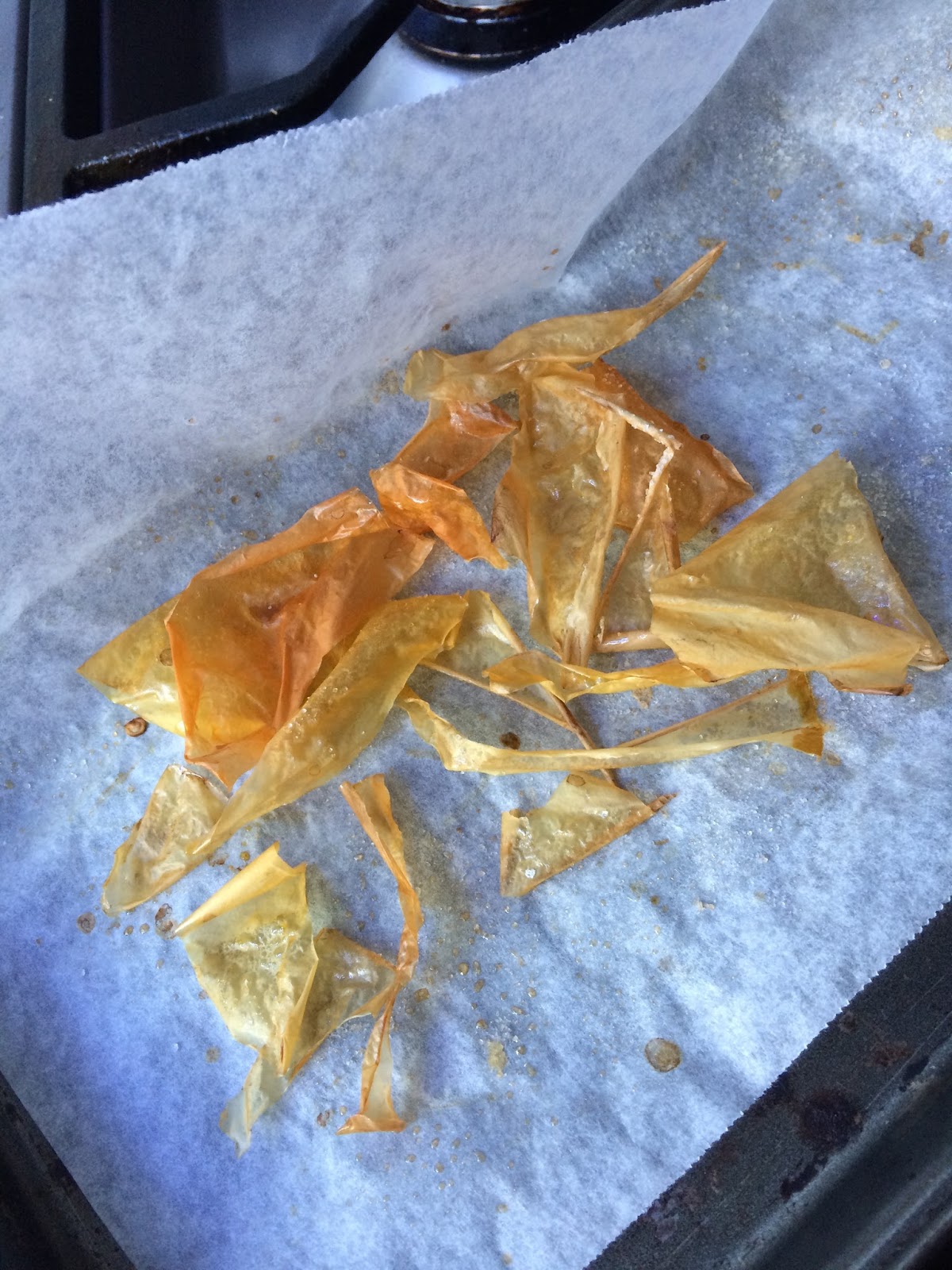
You can also roll out the skins, brush with olive oil and sprinkle with salt and then bake until golden.


They will come out like thin crisps, super delicious, and perfect as an aperitif or as a garnish to your stuffed capsicums. A good way to use the skin of tomatoes and other vegetables too!


Photos and Recipes by Alessandra Zecchini ©

Monday, March 12, 2018

Tofe con friarielli (cime di rapa)


For the first time in my life I planted friarielli (cime di rapa), I got the seeds from Slow Food Auckland and I was so excited that I didn't wait for Autumn but I planted them straight away. Auckland is hot and wet, so they grew fast and started flowering quickly, I had to pick them before they seeded even if the tops were small. But they were delicious. I also have to confess that I ate some as salad, when the leaves were very young, and they are probably one of the best alternative to rocket salad around.


After I got my first batch I cleaned it and then cooked in a pan with olive oil, garlic and salt. You can add chilli, but I prefer to taste the friarielli rather than the chilli. Simmer them slowly with a lid for 20-30 minutes stirring often, if they are fresh you don't need to add water (mine came directly from the veggie garden!). The best pasta to have them with is orecchiette, but I didn't have any so I used some tofe, which are close enough in shape, but different in flavour! Still, they were great, or maybe it is just me, happy with my new crop of friarielli!

And now for the bouquet of the day from my garden!


Photos and Recipes by Alessandra Zecchini ©


Thursday, November 9, 2017

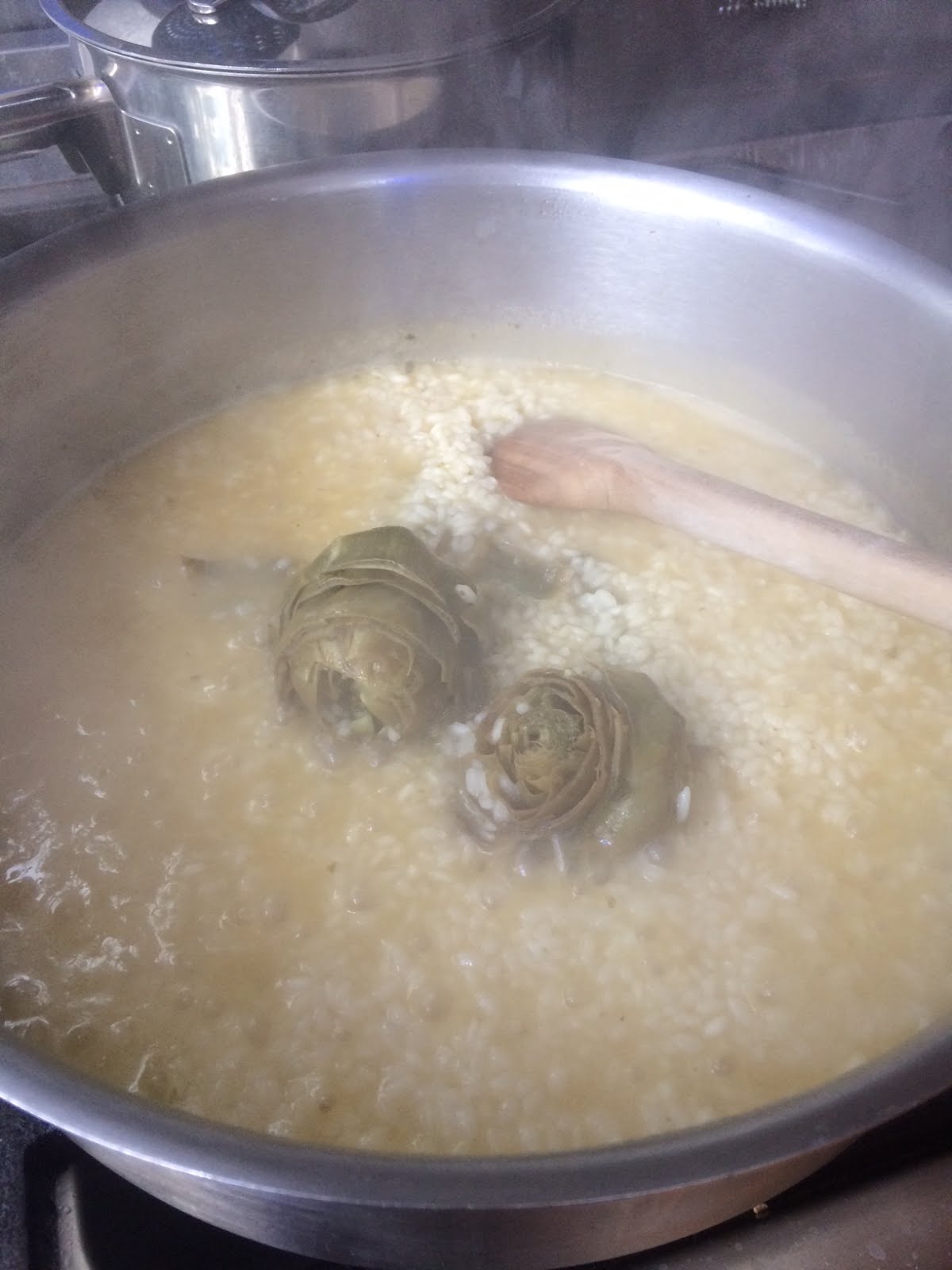
Artichoke Risotto


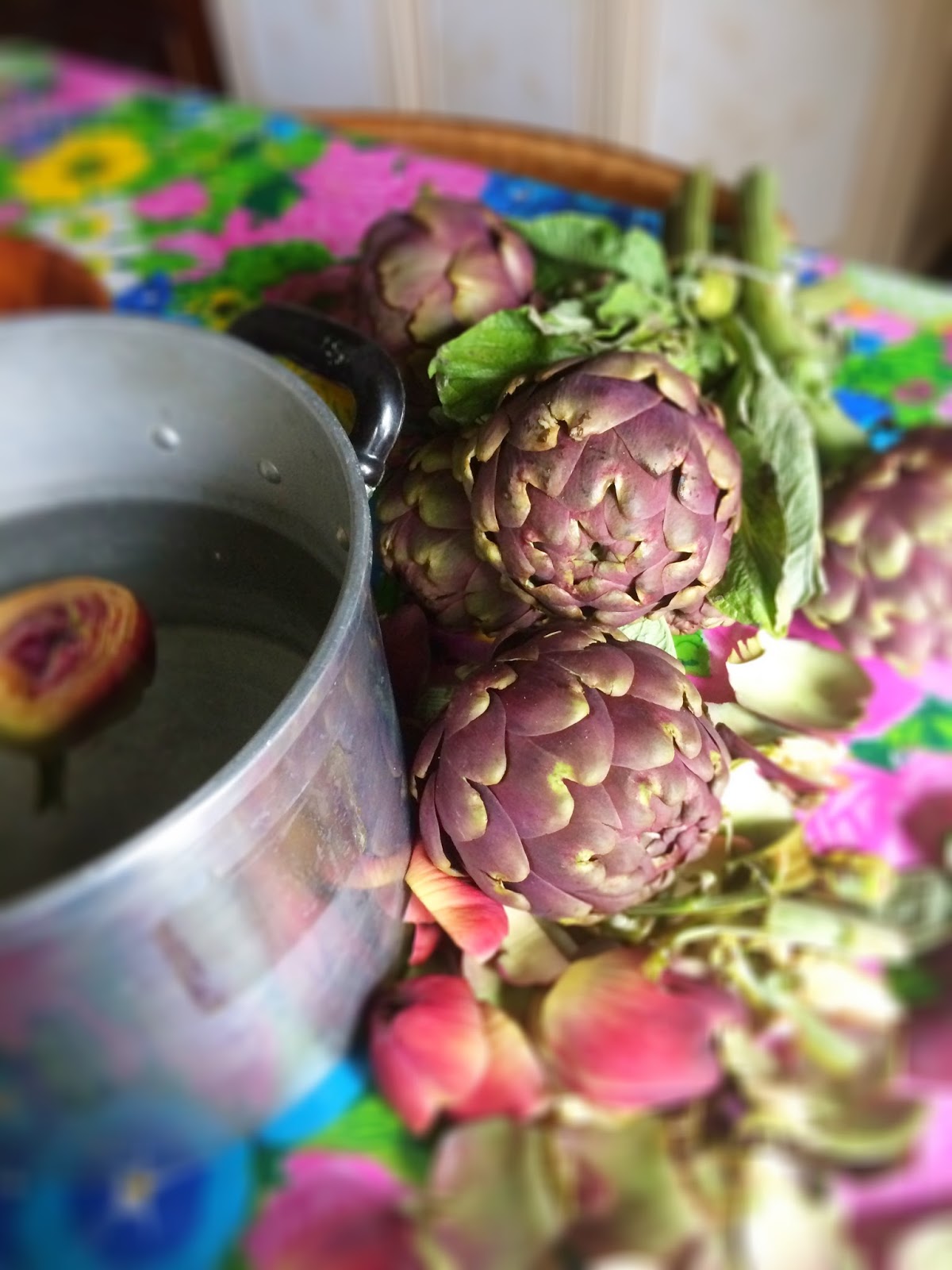
I only had two artichokes and needed a meal for 4 people, and risotto was the ideal solution. Clean the artichokes and remove the outer leaves. Peel the stalks and cut into small pieces. Put everything in water with lemon juice while you work or the artichokes will become black. Finely chop a handful of parsley with a couple of garlic cloves and add salt. Stuff the artichokes with the chopped garlic and parsley and add a drizzle of olive oil. Place in a casserole, together with the stalks, and add 5cm of water. Simmer on low with the lid on for one hour or until cooked (the outer leaves will start to detach), adding a little hot
water from time to time. Prepare a litre of boiling vegetable stock (I used Rapunzel vegetable broth cubes). In a separate pot melt a tsp of vegetable margarine or 3 heat 3 tbsp of extra virgin olive oil, add the rice (arborio or carnaroli) 100g per person, then add the artichokes and their juice. Then slowly add the vegetable stock stirring constantly until the risotto is ready. Adjust with salt if needed and serve immediately, if you have two people one artichoke each, if four cut the artichokes into two.

 Photos and Recipes by Alessandra Zecchini ©

Friday, March 17, 2017

Carciofi alla romana


These type of artichokes are called mammole,  the 'petals' are rounded and not as spiky like for carciofi. But they are excellent cooked alla romana. Cut the outer petals off until you get to the tender heart, leave a bit of the stalks, but peel them, and then immediately put them in water and lemon (so that they don't become black) to wash them. Finely chop plenty of Italian parsley with garlic and a pinch of salt, and use this to fill the centre of each artichoke. Place the artichokes in a pot, drizzle some olive oil in the centre of each artichoke and add a little water at the bottom of the pan (about 2 fingers). Cover with a lid and simmer on low for a long time (1-2 hours) adding water from time to time. Sorry I didn't take a photo of the final product, but you can find one here.

Photos and Recipes by Alessandra Zecchini ©

Monday, December 19, 2016

Melanzane fritte (fried eggplants) and photos of peonies


I love fried eggplants, on pasta, on pizza, in a panino, as a side dish… or just by themselves, they are so versatile! Just cut them very thin (I use a bread knife) make them sweat with salt for an hour, rinse them and pat them dry. Fry them a few at the time with plenty of olive oil and a clove of garlic. Drain on kitchen paper and sprinkle with salt. Serve or use as required.

And now a few photos of peonies - now in season!


Photos and Recipes by Alessandra Zecchini ©

Tuesday, June 28, 2016

Lenticchie in umido - Brown lentils Italian style

I love a nice big pot of lentils, preferibly with some oven fresh crusty bread or a slice of polenta or creamy mushed potatoes. But also as pie fillers, for lasagne, or as a side dish, especially now that the weather is cold in New Zealand. For this recipes wash, soak and rinse 500 g of brown lentils, and then boil them in water with just a pinch of salt until cooked but not too soft or mushy. 


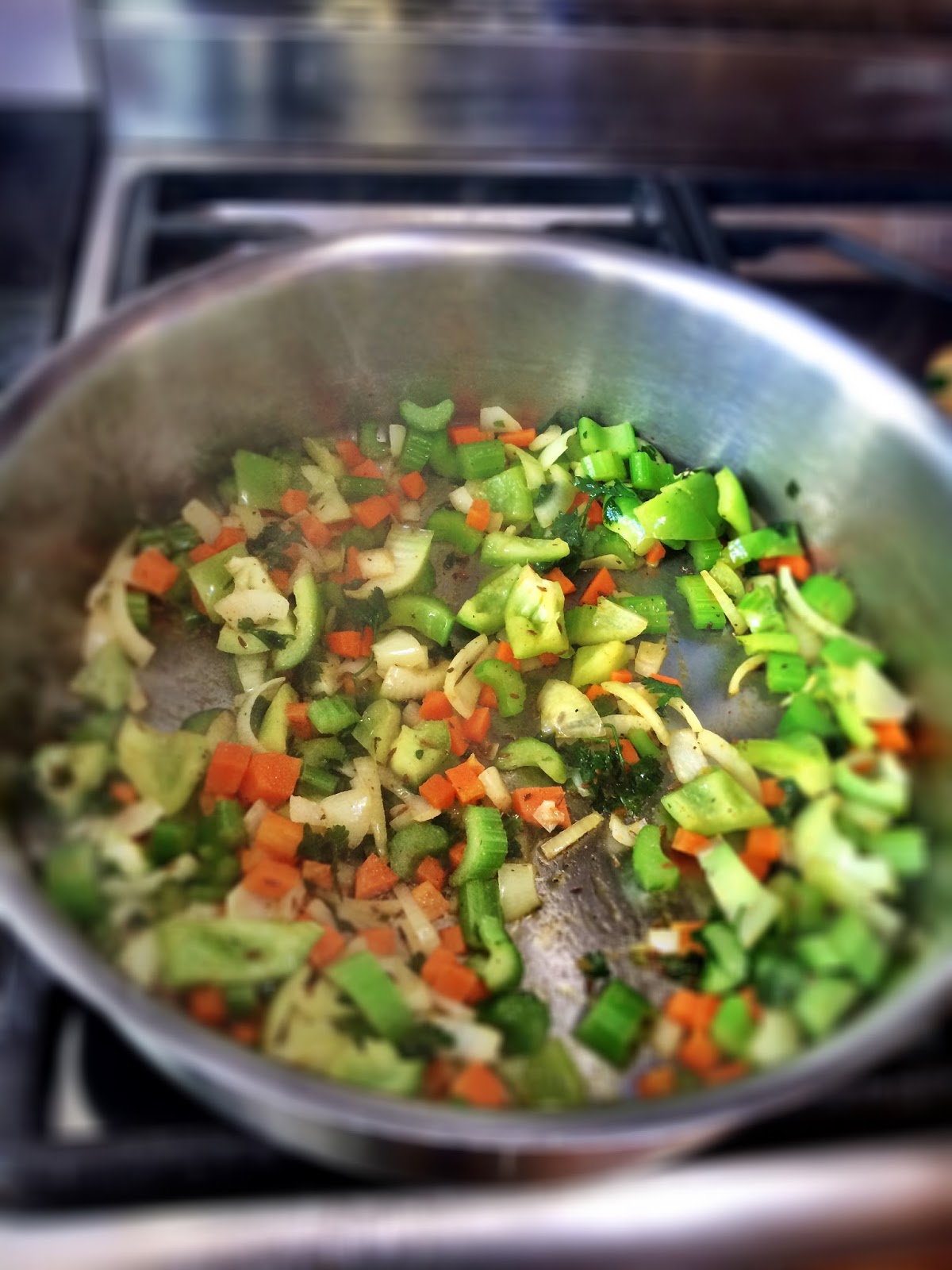
In the meantime roughly chop one peeled carrot, one peeled onion, one peeled garlic clove and one stalk of celery with leaves and a few leaves of Italian parsley. This time I also added one green pepper because it was all alone in the fridge, but this is not necessary.


Sizzle the vegetables with two tbsp of olive oil until the onions are soft, then add 1 tbsp of tomato puree, and if you like a little smoked paprika or a chili. Stir and sizzle for one minute.


Add the lentils and their water and more salt to taste, but not too much as the water will reduce.
Cover and simmer until most of the liquid is gone and you are happy with the consistency of your lentils. Add salt and pepper to taste, plus a drizzle of extra virgin olive oil, and serve.


Photos and Recipes by Alessandra Zecchini ©

Saturday, November 21, 2015

Wednesday, November 4, 2015

Crunchy Bean Sprout Winter Mediterranean Salad


I love beans and lentils, but I also love salads and raw food, my body feels like it needs them!
I usually mix cooked beans with raw salad vegetables, but when I remember I get some bean sprouts, and I particularly like this crunchy bean combo from Sproutman. I can just eat the sprouted beans as they are, with a drop of olive oil and lemon juice, 

Saturday, October 10, 2015

Cavolo nero soup with chickpeas and pasta


A low fat, high protein vegan dish

1 bunch of cavolo nero
1 shallot
1.5 l vegetable stock
1 can chickpeas
plus the same amount of water
1 cup of small pasta 
salt and pepper to taste
extra virgin olive oil to drizzle

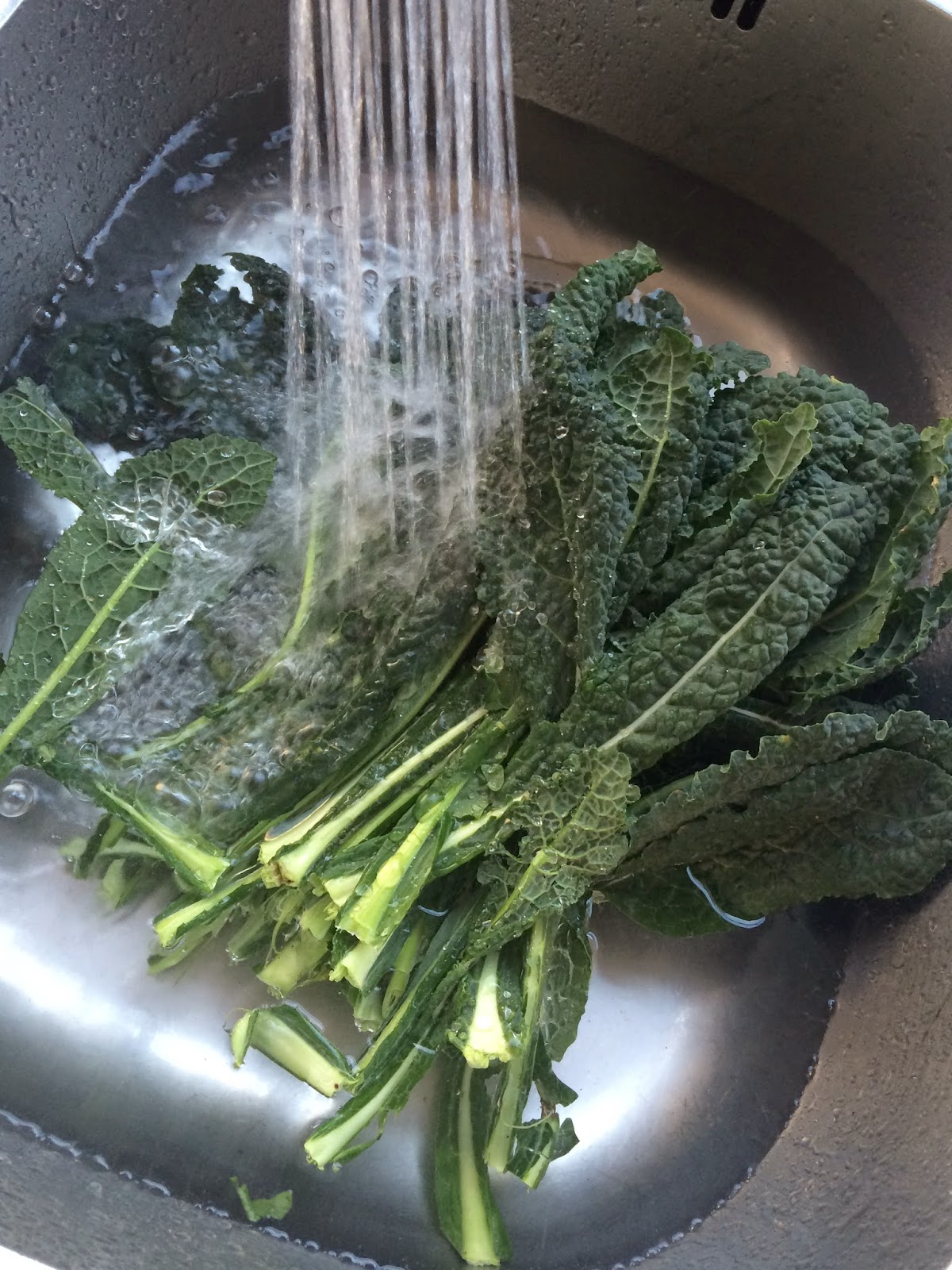
Wash the cavolo nero and remove the white stalks. Slice the shallot. Put everything in a pot with the vegetable stock and bring to the boil. Simmer for 30 minutes. Add the content of the can of chick peas, plus a can of water. Simmer for other 30 minutes then blend with an immersion blend, but not too finely, leave some of the chickpeas whole. Bring back to the boil, add the pasta and simmer until the pasta is al dente. Taste for salt and pepper and drizzle with olive oil before serving. It is actually better the day after!


Photos and Recipes by Alessandra Zecchini ©

Tuesday, October 6, 2015

Polenta and Italian lentils - Polenta e lenticchie


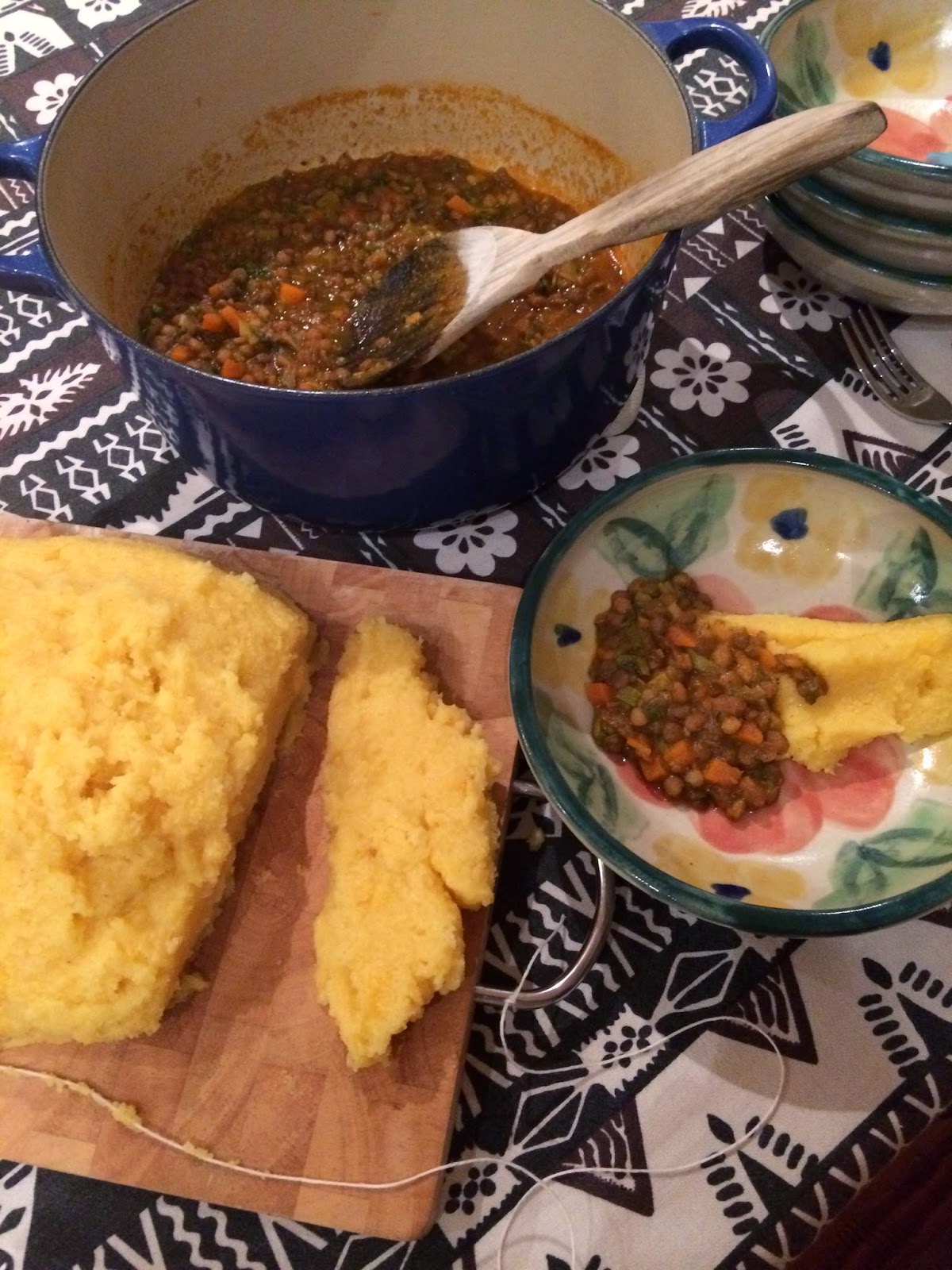
 This dish is vegan and gluten free, for the polenta recipe I just use polenta flour, water and salt and follow the packet instructions (real polenta takes about 45 minutes, the instant takes 5!). Usually I make soft polenta, thus adding a bit more water, but packet instructions tend to be for the 'harder' type, the one that you pour onto a wooden chopping board and then cut into slices. My nonna (Grandmother) used to make the hard one, and then she cut it with a string attached to the chopping board: no knife needed and even the youngest kids can do it!

For the lentils, wash the brown lentils with water and then soak for a little. Soaking is not really necessary but I like to do it so then I can give them another rinse and get rid off possible dirt that 'escaped' in the first wash. In the meantime sauté a finely chop carrot, celery stick with leaves and garlic (or onion) with two tbsp of olive oil, add the lentils and cover with vegetable stock. You can also add a tbsp of tomato paste, or some herbs, but this time I just added some chopped parsley at the end of cooking. Simmer the lentils as long as you can, stirring often and adding more water if necessary. Adjust with salt and pepper (and parsley) at the end, add another drizzle of extra virgin olive oil and save hot, with slices of hot polenta.


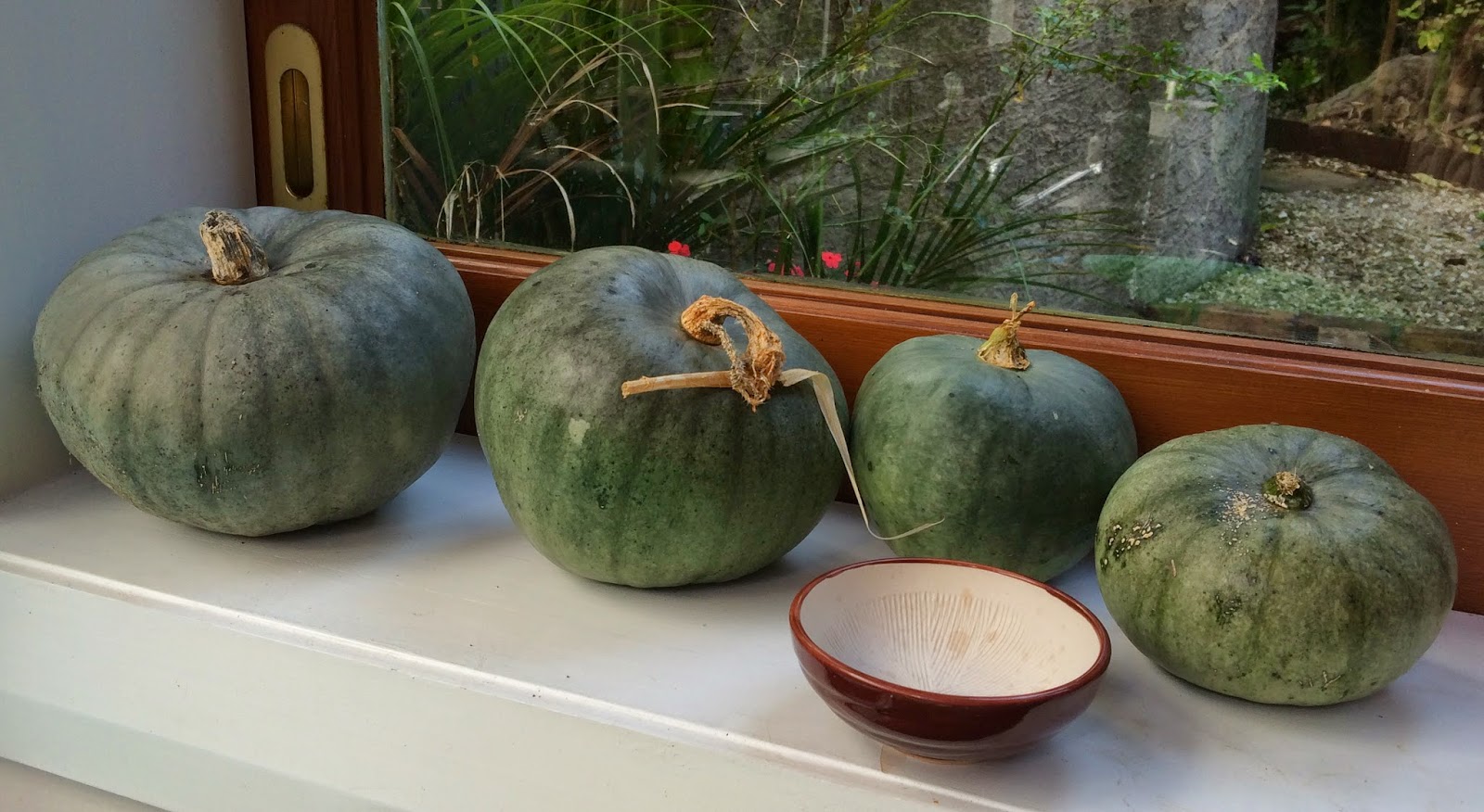
Nothing to do with the recipe.. just showing off my little pumpkins :-)

Photos and Recipes by Alessandra Zecchini ©

Monday, August 10, 2015

Potatoes and carrots with sage, rosemary and garlic


Digging up the garden I pulled some ugly carrots and a few potatoes (white and yellow). I cleaned them and boiled them until cooked but firm, then I remove the skins (from the carrots too!) and sautéd them with olive oil, garlic, sage, rosemary and a pinch of salt. Really simple but super tasty!!


Photos and Recipes by Alessandra Zecchini ©

Thursday, June 11, 2015

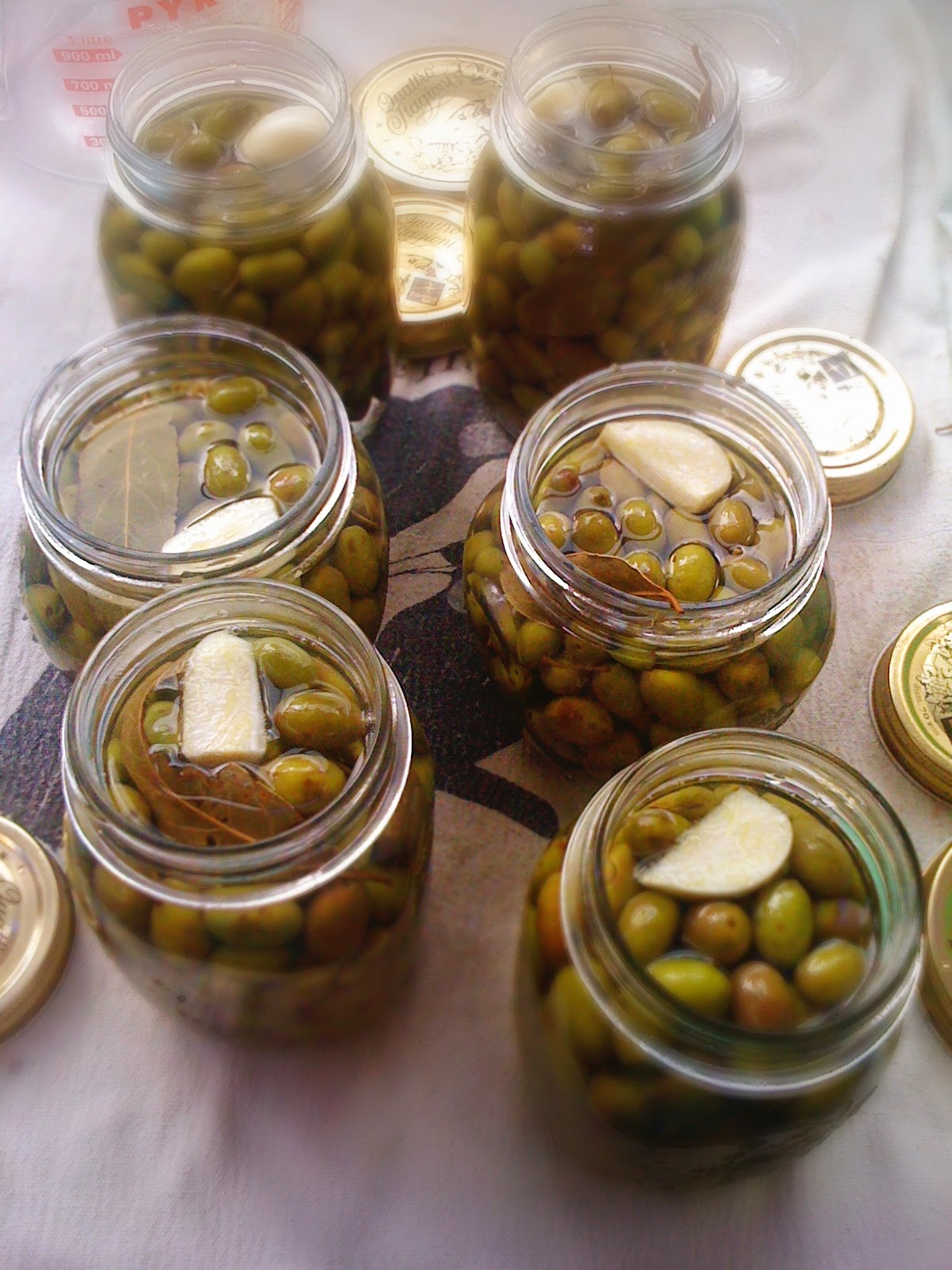
Picking, treating and preserving olives in brine, and olives marinated in olive oil and herbs


Preserving olives is a rewarding experience. If you don’t have an olive tree you may be able to forage olives from trees in community gardens and in parks.  Usually olives are ready around April-May (in New Zealand).
Pick the olives from the tree (never from the ground) and wash well in cold water. If you prefer sweet-tasting olives you can put them in a bucket of water for up to 40 days, or 20-30 days for very small olives, changing the water every 24 hours; the olives will become brownish in colour, and lose a lot of bitterness. After this period make a brine (recipe follows) and bttle your olives. If you prefer crispy green olives with a peppery taste, just wash them and soak them for a day, then preserve them in brine.

Brine for preserving olives

Before making the brine, be sure to have plenty of glass jars with lids, sterilised and completely dry.

Ingredients
Water
Salt

Prepare 10% salt brine (100 g of salt for every litre of water) by placing in a saucepan the water and salt.  Simmer until the salt is completely dissolved. Once the brine is cold place the olives into clean sterilised jars and cover completely with the brine.

To each jar add one more clove of garlic, a fresh bay leaf, a chilli pepper, or a fresh sprig of thyme.  Seal and put away in a dark place for three months. After this period the olives can be used in cooking or can be marinated with olive oil and your favourite herbs.
If you’d like to keep the olives for longer, prepare a new brine with an 8% solution (80 g of salt every for every litre of water) and put the olives into new jars with the fresh brine. Olives stored this way, and completely covered with brine, will last up to one year. Don't worry if you see white spots forming at the top of the brine, as this is natural — just remove them every time you open the jar, and always rinse the olives before using. Below is a recipe for marinating your preserved olives with olive oil and herbs, starting with your olives in brine.


Olives marinated in olive oil and herbs

I suggest you use a delicate olive oil for this recipe, like an extra virgin olive oil from the supermarket. Expensive olive oil is far too precious to marinate olives, unless you have your own press.

Ingredients
300 g olives in brine (green or dark)
1 sprig fresh thyme
1 sprig fresh oregano
1 sprig fresh rosemary
6 peppercorns
200 ml extra virgin olive oil


Drain the olives well from the brine, and give them a little rinse if necessary. Place in a large jar, add the herbs and pepper corns, and cover with the oil. Leave to rest for at least one day, and then serve. Store in a cool place and use within two weeks.

Photos and Recipes by Alessandra Zecchini ©

Friday, August 1, 2014

Mixed salad leaves (with lots of mizuna) and edible flowers salad


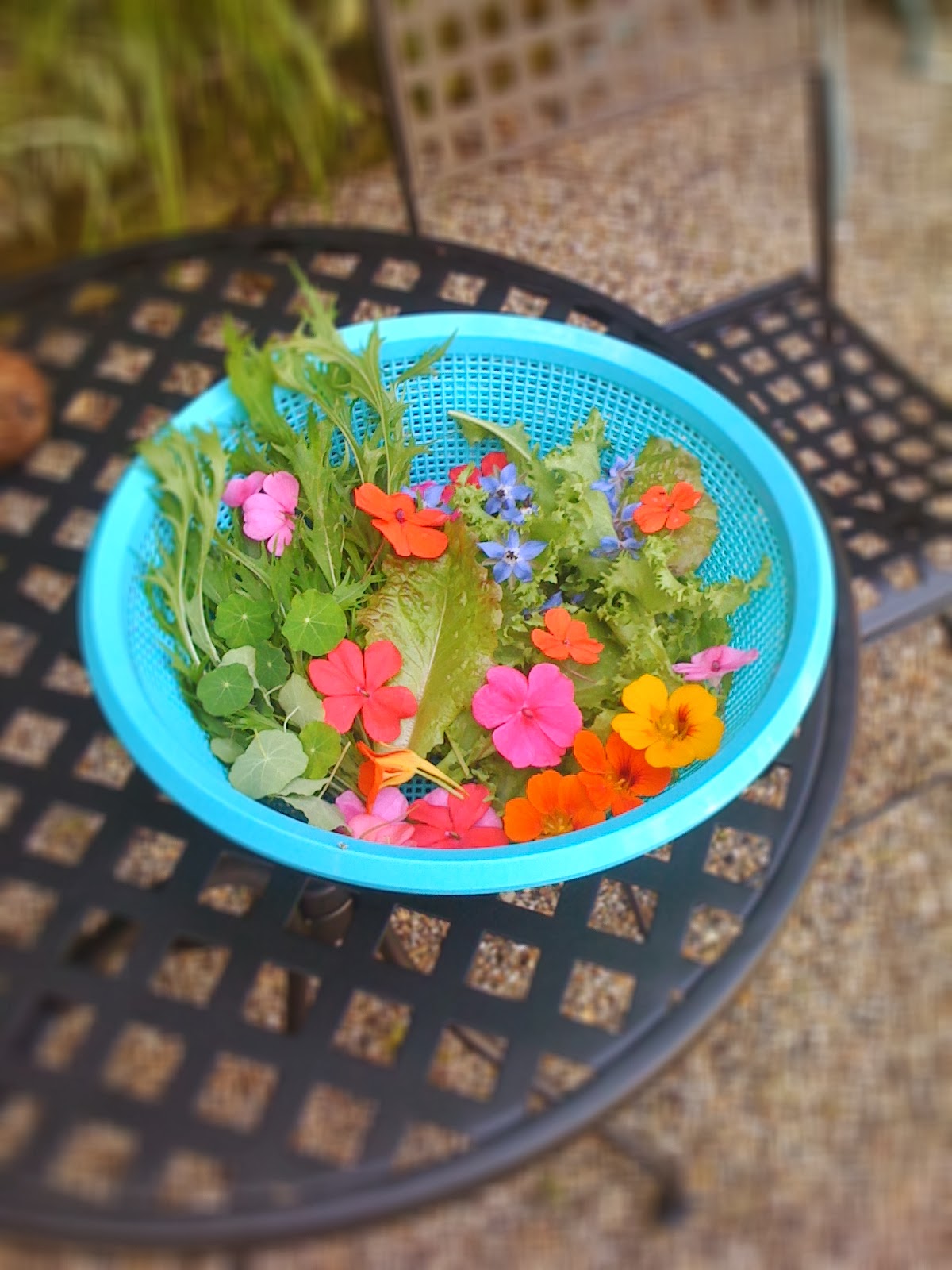
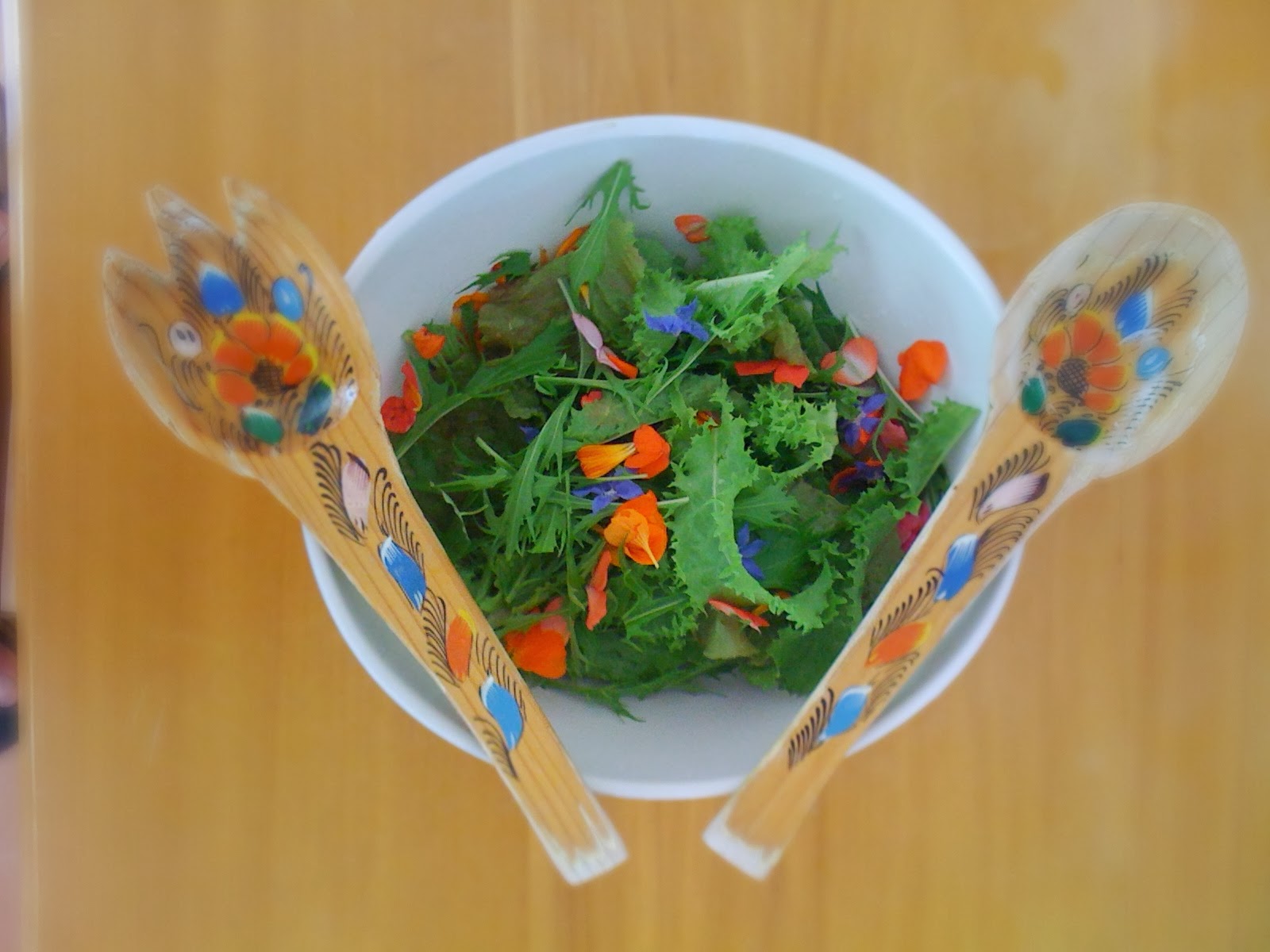
This salad doesn't require much explanation: I have mixed salad leaves (lots of mizuna this year) and an variety of flowers. Did you know that you can eat impatient (busy lizzy) flowers too? They taste a bit like rocket, the best for me are the red ones, but the pink ones are so pretty! Mix and dress with extra virgin olive oil, lemon juice and salt.


 Photos and recipes by Alessandra Zecchini ©

Tuesday, July 22, 2014

Sautéed Asian eggplants and asparagus with Italian herbs (and baby potatoes)


One of my favourite kitchen smells is garlic and herbs sizzling in olive oil! Here I used fresh rosemary, sage and oregano, a couple of garlic cloves, and a few long Asian eggplants, cut into halves or quarters (depending on their size). When the eggplants were done I added the asparagus (which take less time) and sauté the lot for one more minute, then added more fresh herbs, a good pinch of salt, a heavy lid, and turned the heat off. If you leave the veggies like this for 5-10 minutes they will just 'finish' cooking in their own steam.


I had herbs leftover, so I half-boiled some new potatoes, peeled them (sorry Kiwis, but I love to peel my potatoes, unless they are organic) and placed them on a baking try lined with baking paper. I added rosemary and sage, salt and olive oil. I baked the lot and the kitchen smelled lovely.


 Photos and recipes by Alessandra Zecchini ©

Saturday, May 10, 2014

Pasta e fagioli soup with Cavolo nero and a ... purple carrot!


I love pasta e fagioli (pasta and beans) soup, especially when there is cavolo nero too, this Italian kale is my favourite brassica and makes any soup taste amazing! But the surprise here was a purple carrot. Carolyn brought me one, thinking that with me being a foodie I would appreciate the novelty. I told her that I grew purple carrots but that only the outers skin was purple, and inside they were orange. She was a bit disappointed, but hey Caroly look here: I peeled the carrot and, surprise surprise, it was purple all the way through! I never seen anything like it! It almost bleed like a red beetroot (and had a light beetroot taste too, but maybe that was just my imagination, it mostly tasted like... carrot)! And it coloured the soup too, it looked like a borsch!


For the soup use one large (purple) carrot, peeled and cubed, a bunch of cavolo nero, washed, white vein removed and chopped, and one onion, chopped. Sauté everything with one tbsp of extra virgin olive oil  then add one litre of vegetable stock and simmer for about 30 minutes. Add one can of cannellini beans and simmer for 10 more minutes. Remove some of the beans, add one cup of cold water and blend the soup. Bring back to the simmer, then add a handful of risoni pasta. Simmer, stirring often, until the pasta is cooked. Add back the whole beans and cook for one more minute. Serve hot or at room temperature, with a drizzle of extra virgin olive oil. The best soup I made in a long time, thank you for the carrot Carolyn, and for the cavolo nero Sue!


Photos and recipes by Alessandra Zecchini ©

Friday, May 2, 2014

Better than you can ever imagine: Vegan Cabbage Bolognese Sauce


This is not a quick recipe, but require slow cooking, so if you are in a rush just look at the pictures :-).

There are several vegan Bolognese sauces around, mostly using soy or fake mince, and some with lentils, but I wanted to try one with cabbage, which is not a veggie I particularly like myself, but it is highly nutritious. It came out better that I hoped!

Ingredients
Half a cabbage
1 large carrot
2 sticks of celery with leaves
1 large onion
1 garlic clove
A few Italian parsley leaves
3 tbsp extra virgin olive oil
1 glass wine (white or red)
1-2 tbsp tomato puree
1 l vegetable stock
salt and pepper to taste
more extra virgin olive oil to serve

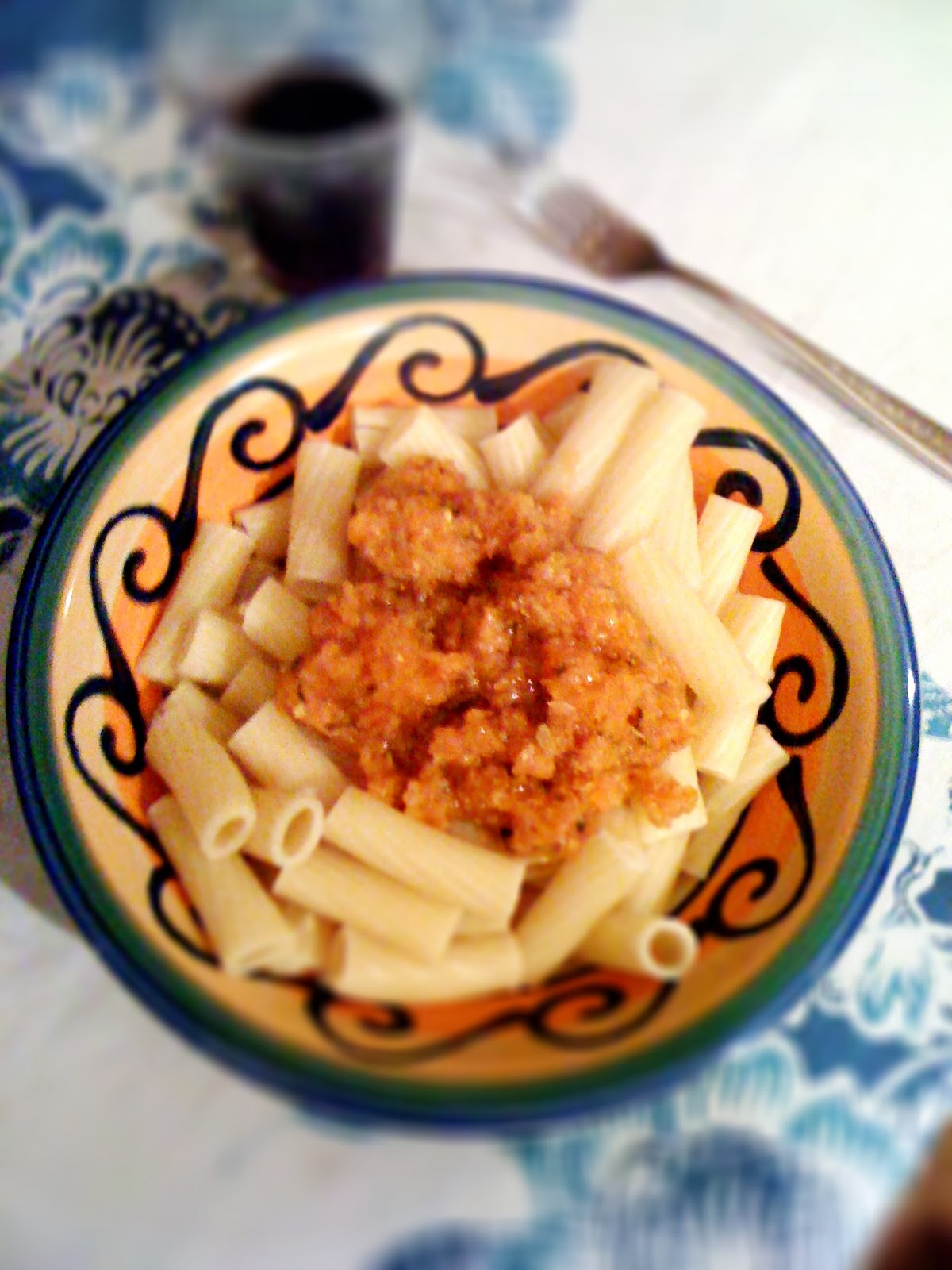
With a food processor finely chop the vegetables, then put in a pan with the olive oil and sauté for a few minutes. Then add the wine and stir well. Add the tomato puree, cover and cook slowly, stirring from time to time and adding the vegetable stock little by little. Simmer for one to two hours, the more the better, I think I went over two hours. I started in the afternoon but by the time I took the last photos it was dark, so the images are a bit blurry, sorry!


Taste and add salt and pepper to taste (I like it with quite a bit of black pepper!), then use to top your pasta, drizzling with more extra virgin olive oil. Enjoy! This can also be used to fill pies, or for a gluten free variation try it on polenta! Yummy!


Photos and recipes by Alessandra Zecchini ©

Sunday, March 9, 2014

Saffron Quinotto


In Lima I heard a lot about quinotto, quinoa cooked like risotto. Many of my Italian blogger friends also  make it, and I though of trying, starting with a classic saffron style 'quinotto'.

I chopped one onion and cooked it with a little olive oil, then I added 450 g of quinoa. Once the quinoa was 'toasted' and 'greasy' with oil, I added one glass of white wine, and then, ladle by ladle, slowly slowly, and stirring often, one litre of vegetable stock. I added the saffron just at the end, when the quinotto was cooked.

How was it? Well, I liked it very much, my son liked it too, but my husband and daughter weren't so sure... they ate it, but are they are not going to beg me to make it again, they prefer risotto with rice :-).

And did you ever try to make quinotto?


Photos and Recipes by Alessandra Zecchini ©

Wednesday, March 5, 2014

Chili and garlic Swiss chard (coste aglio olio e peperoncino)


Swiss chard (silver beet) is a vegetable that you can find all year round, and fortunately I love it. Also it can be cooked in so many ways, as a side or as an ingredient for a main. This is a quick side, I never had it 'spicy' and I was pleasantly surprised! 

Just wash the silver beet (chard), cut the white stalks and leaves into fork-size pieces (pieces that you can pick up with a fork). Heat some extra virgin olive oil in a pan, add a peeled clove of garlic or two, and some fresh chilies (I added a green and a red, chopped). When the garlic and chilies sizzle add the white stalks and stir. After a few minutes add the leaves and salt to taste. Cover and let the leaves cook in their own steam, stirring from time to time. Serve hot. Yummy, different and super easy!