Monday, February 15, 2016

Alessandra's Vegan Homemade Fresh Pasta


Did you know that aquafaba (the brine from a can of chickpeas) works very well as an egg replacement for many recipes, including fresh pasta.

The chickpea brine gives protein to the mixture and elasticity to the dough which is easy to roll exactly like an egg dough. Only the colour is lighter (not so yellow) but I don't see this as an issue, and you can always add a pinch of saffron to the aquafaba if you like your pasta more yellow. The taste is perfect and the pasta dries very well, and cooks well too. Plus the taste is great!


Alessandra's Vegan Homemade Fresh Pasta

200 g high grade flour (plus more for dusting)
150 ml aquafaba

Serves 4

Mix the ingredient until you have a smooth and elastic dough. Divide the dough into small pieces (about 6-8) and pass through the rollers of a pasta machine, starting from the larger setting down to the thinner setting. Don't skip settings, every piece of dough will need to go through all the settings one by one, dust with flour if the sheet of pasta looks too sticky and you find it difficult to put it through the settings. After the last setting (or the second to last if you prefer your pasta thicker) cut the pasta to your chosen shape. I made tagliolini here. Dust with more flour and roll the pasta into 'nests', place on a try lined with a clean tea towel and let it dry (if not using immediately). Keep it in a dry place and it will last a few days (I haven't tried to leave it for too long, but usually I do make pasta one or two days ahead). To cook: place the pasta in salted boiling water and stir immediately, it won't take long to cook, if it is very thin it will take just a couple of minutes. Drain and serve with your favourite sauce.

Photos and Recipes by Alessandra Zecchini ©

Thursday, February 11, 2016

Strawberries with orange and cinnamon


Just wash and cut the strawberries (two punnets), add the juice of one orange, a cinnamon stick and one tbsp of sugar. Let the strawberries marinate for a few hours at room temperature, and then a few more hours in the fridge. Serve cold, with cream, or yogurt, or ice cream, or just as they are!


Photo and recipes by Alessandra Zecchini ©

Monday, February 1, 2016

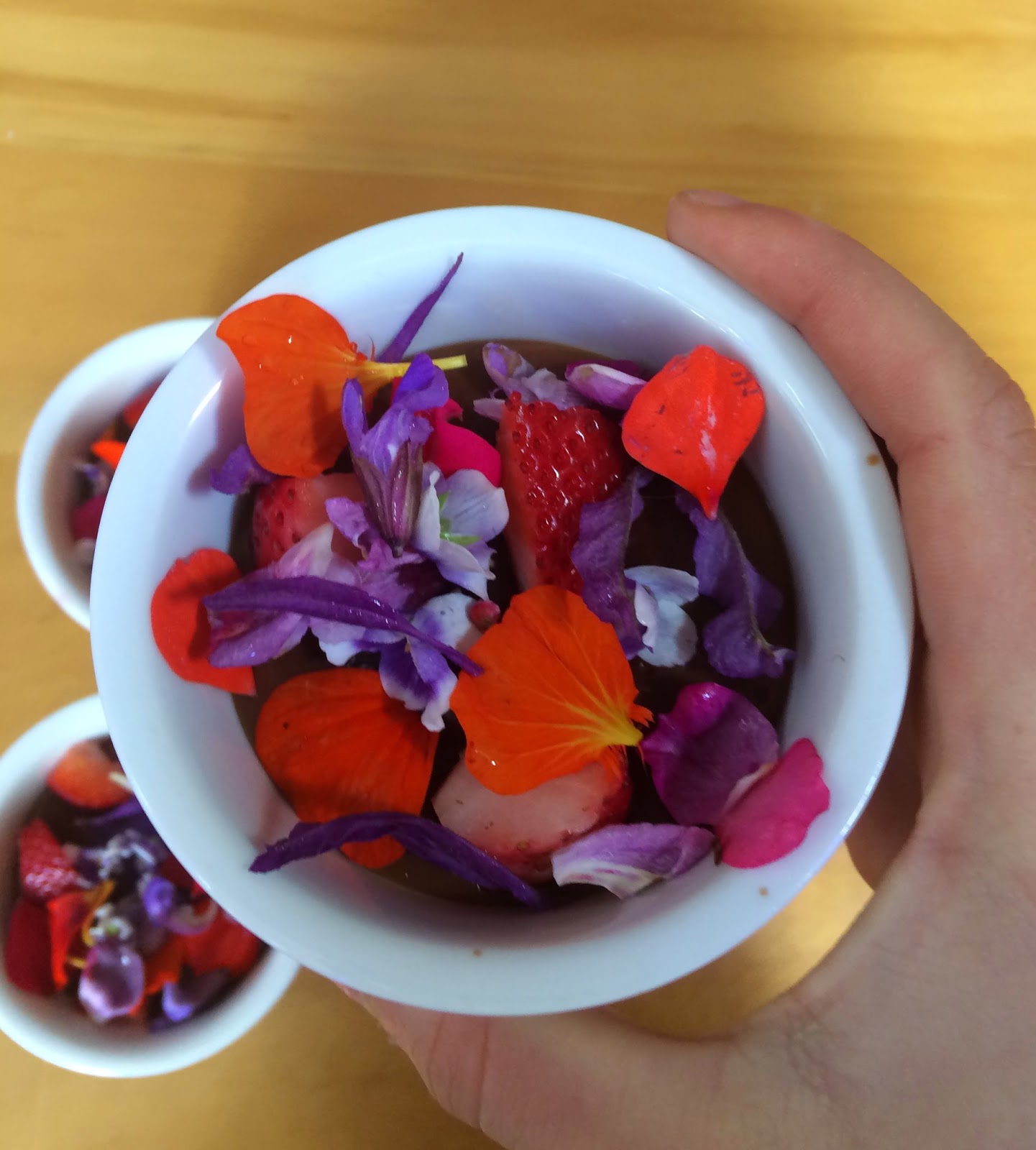
Vegan chocolate pudding with strawberries and edible flowers


Arantxa picked flowers from the garden: roses, lavender, sage, violets and nasturtiums 
 I made my trusted vegan chocolate pudding, and since we are in season I wanted to top it with some strawberries, and maybe some flowers too? So I asked Arantxa to look after this.


For 4 puddings:
500 ml oragnic soy milk (I use Vitasoy, either Original, Milky or Calci Plus)
2 tbsp raw sugar
1 heap tbsp cocoa (the better the cocoa the better the flavour, so don't go for cheap baking cocoa, but for 'hot chocolate' quality)
1 tbsp cornflour
Natural Vanilla essence (or a little cinnamon if you prefer)
Strawberries and edible flowers to finish (I have lots of strawberries and edible flowers in the garden now!)

Dissolve the dried ingredients with a little soy milk to make a paste, then add the rest of the milk and mix well. Put on the stove on low and, always stirring, bring to simmering point. Make sure that you stir well, especially around the borders and bottom of the pot, so that the pudding has a smooth consistency. As soon as it start thickening turn the element off, add the vanilla essence (if using) and keep stirring until it has cooled down a bit. Divide into 4 dessert ramekins or small bowls (or teacups) and refrigerate. Cut the strawberries and place over the puddings, then add the petals of edible flowers (I think that maybe there was a bit much here, with lots of lavender, rose and sage aromas… but it was definitely a very perfumed dessert!).


Photos and Recipes by Alessandra Zecchini ©

Sunday, January 17, 2016

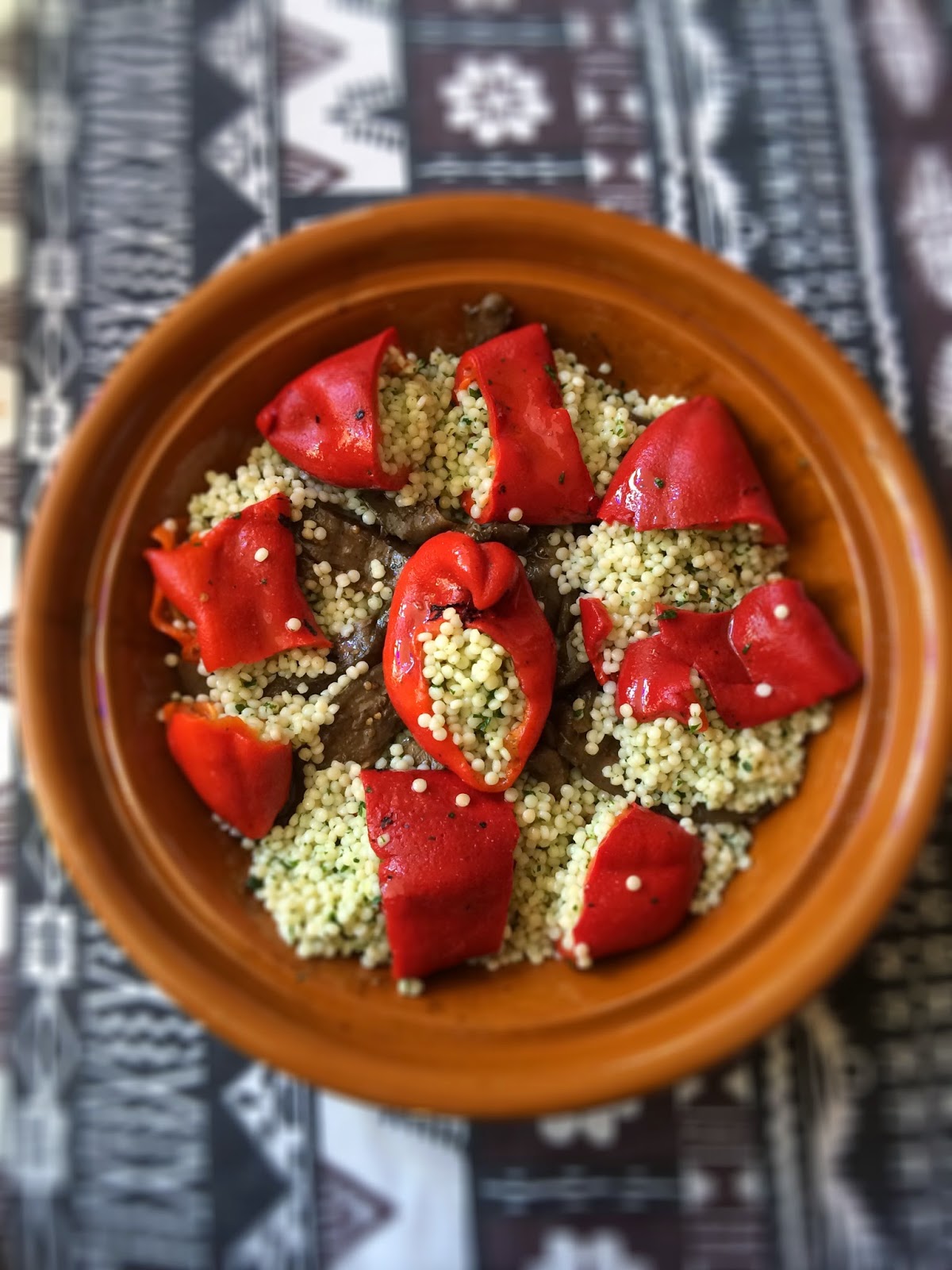
Israeli cous cous with grilled eggplants and capsicums


  For this dish I cooked a packet of Israeli cous cous (but fregola pasta is perfect too) with just water and salt, then I drained it and rinsed it under cold water to cool it down and separate the 'grains'. I added extra virgin olive oil, a few drops of lemon juice, and finely chopped herbs and garlic. Then I mixed it with the char-grilled eggplants. Finally I filled some char-grilled capsicums with it. It needs to rest for a few hours at room temperature, so that the cous cous gets more flavour. Easy and quick, and it makes such an impression!

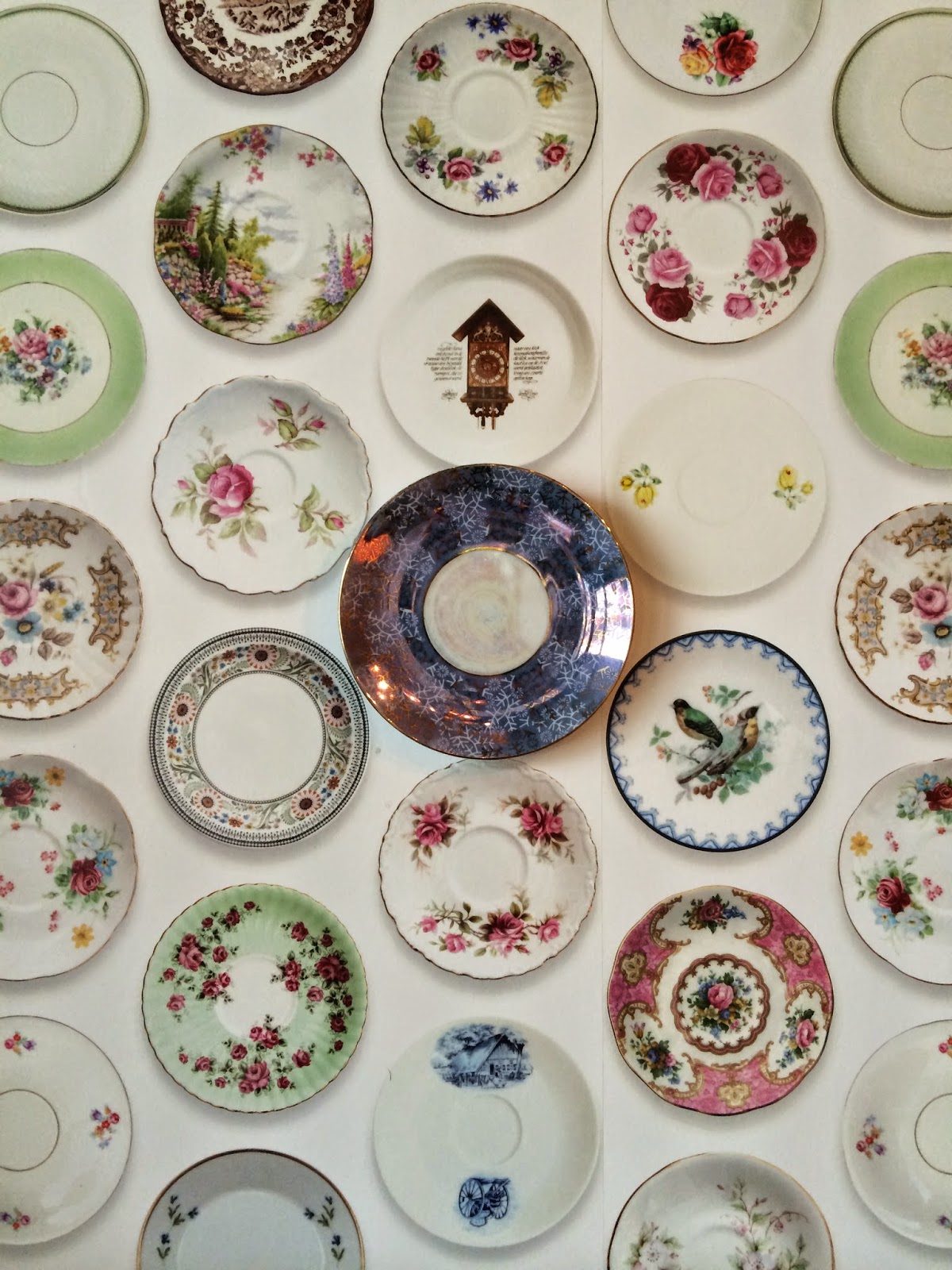
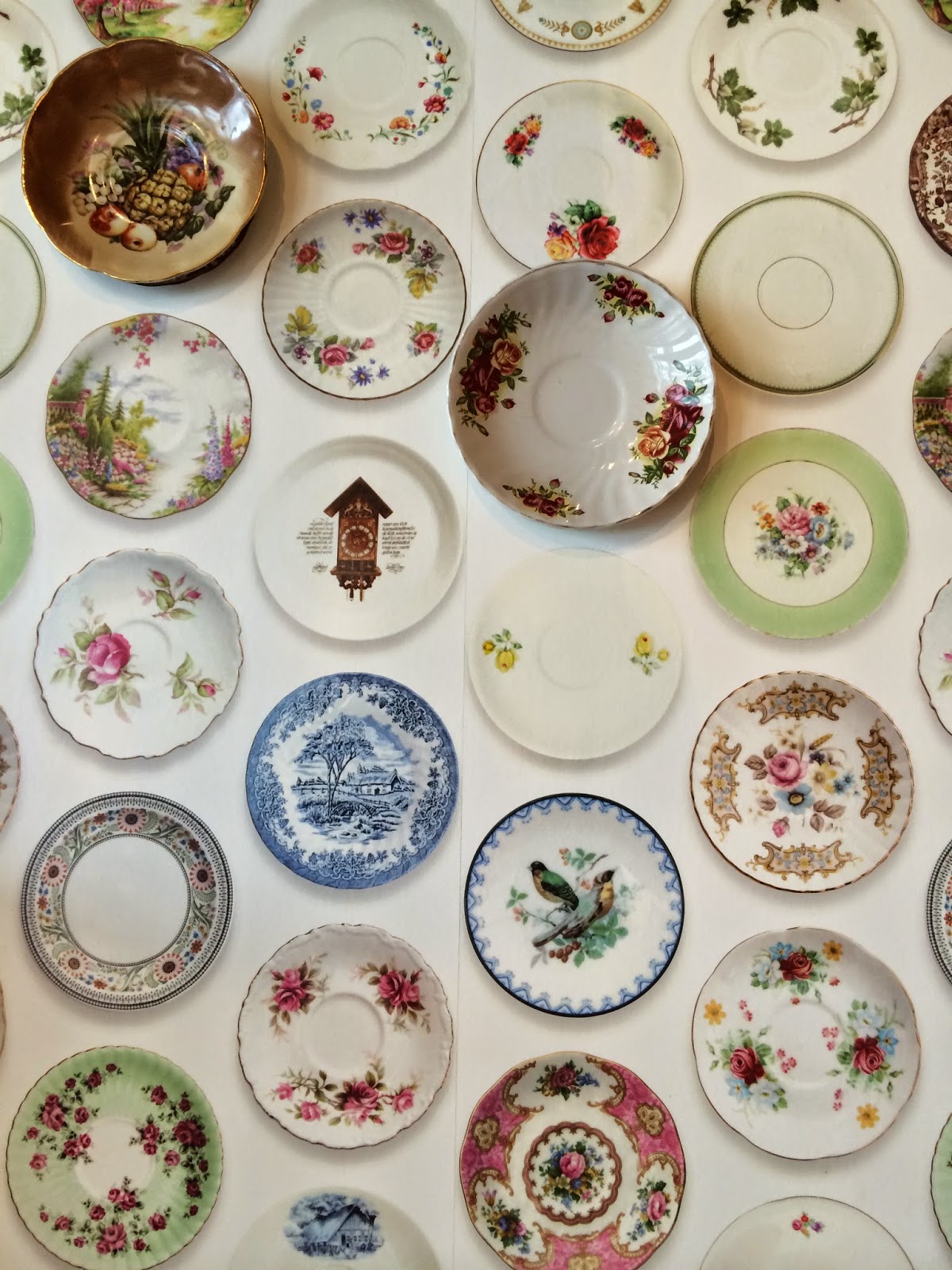
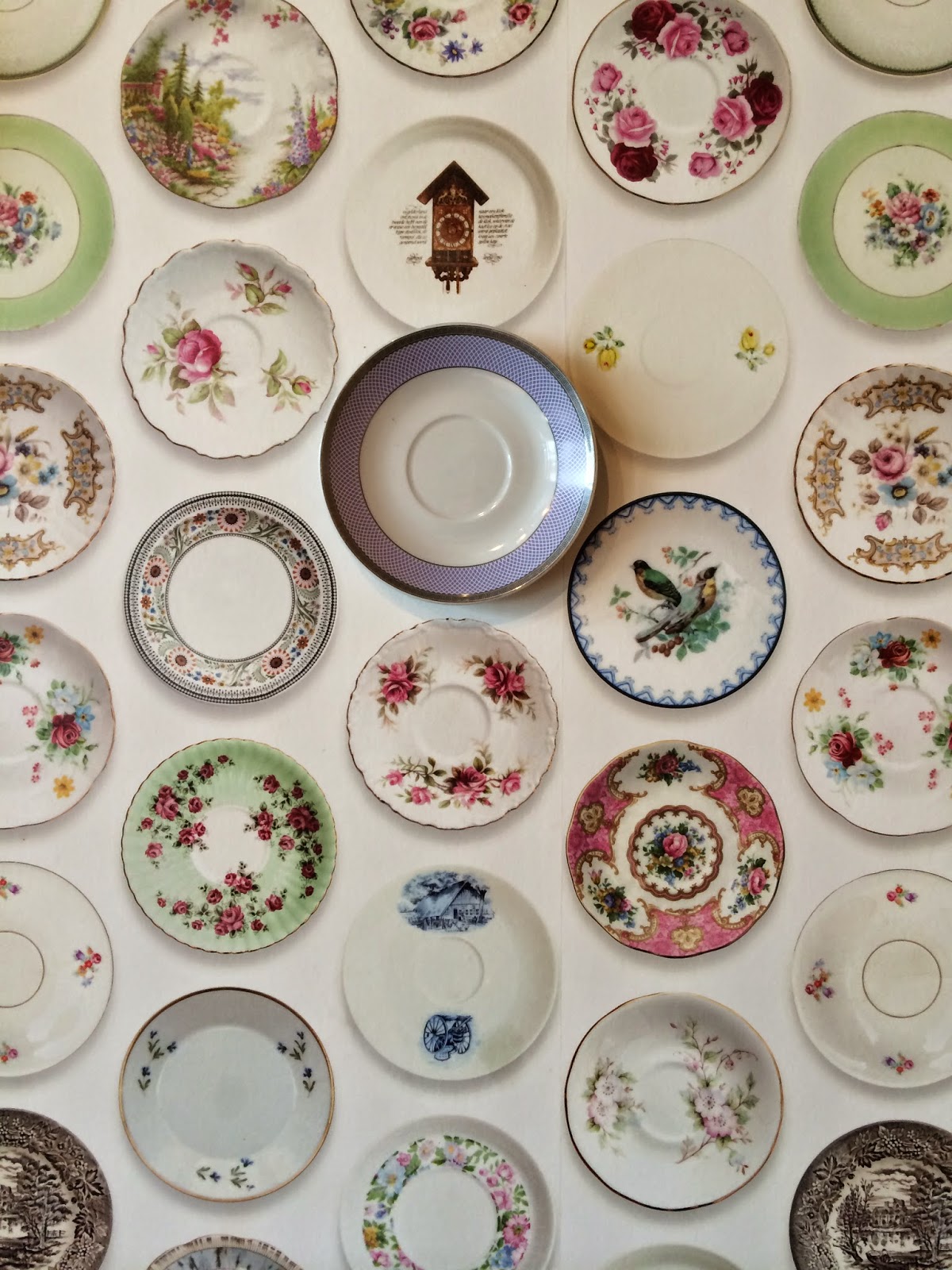
And now just some pretty things I saw: loved this wallpaper with plates, + real plates!


Photos and Recipes by Alessandra Zecchini ©

Thursday, January 14, 2016

Tofu with onion weeds


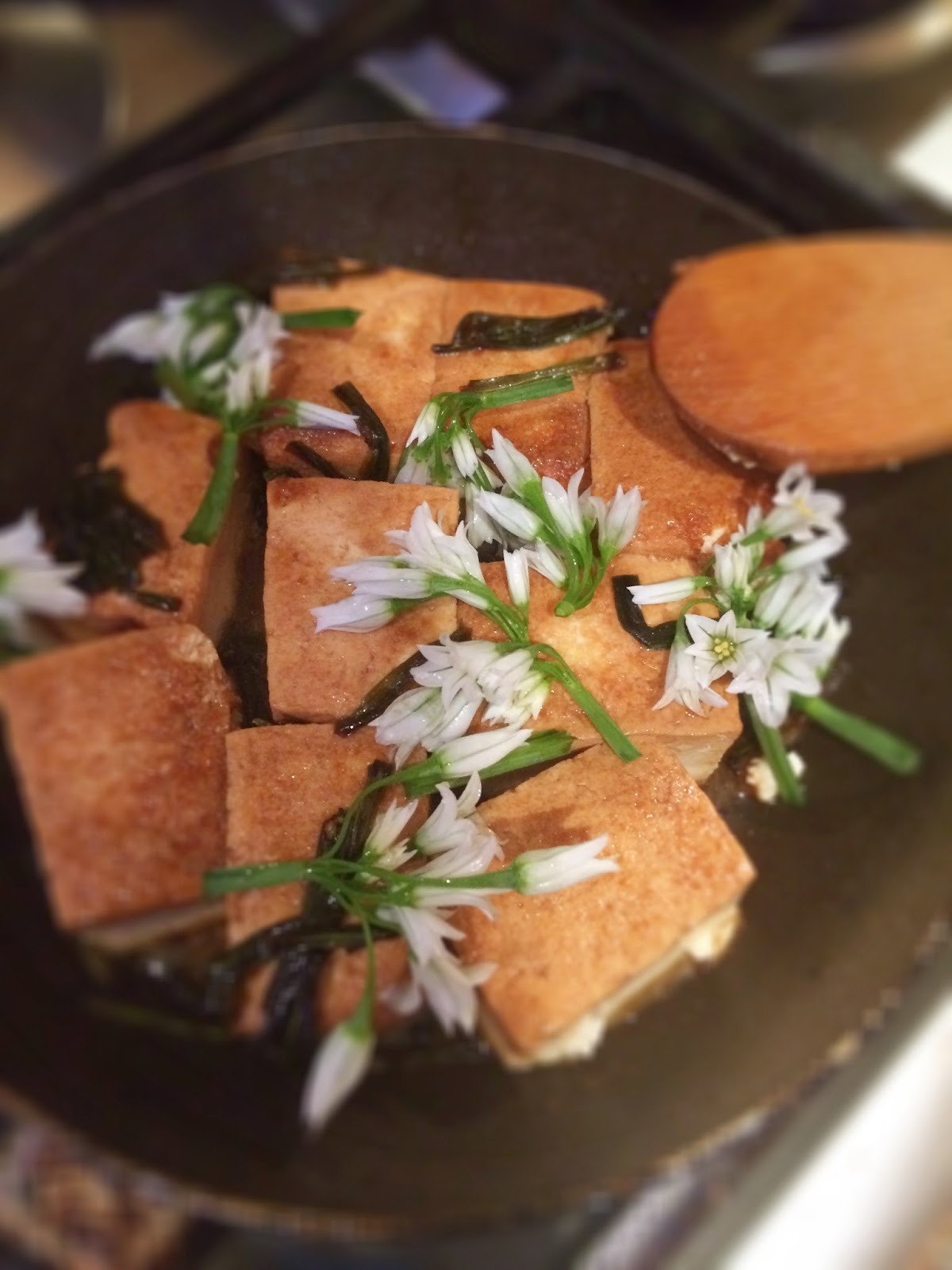
In spring I post lots of recipes with onion weed, and why not: it is free, delicious, and you can eat the flowers too! This one uses tofu, so you can be doubly good to the earth: no meat, and at the same time you forage and get rid off a weed from the garden!

Wash and chop the onion weed (bulbs, stems, leaves and flowers). In a fryipan sauté the onion weed (but keep the flowers aside for later) with a little vegetable oil, and when it smells good add the tofu cut into pieces. Sauté on both sides then add a tbsp or two (according to taste) of soy or tamari sauce, and a tbsp of lemon juice. Cook the tofu on both sides for a few more minutes, then add a drop of sesame oil (optional) and the onion weed flowers. Serve hot.


Photos and Recipes by Alessandra Zecchini ©

Sunday, January 3, 2016

Homemade Vegan meat, Seitan

Easy to make, low cost and versatile, and you can do it at home! The basic ingredient is gluten flour, and with a 500g pack (about $7) you can eat for days and days. I like to make 'fillets' and strips, suitable for different uses. Put the gluten flour in a bowl and add seasoning (a little salt, or herbs, or what you like, even a little olive oil if you like it 'fatter'. Then add the same amount of water and mix with your hand until you get an elastic dough. Squeeze out any excess water (usually just a little if none) and set aside for 10 minutes. Cut into very thin slices with a serrated knife.


Or use scissor for thinner strips.


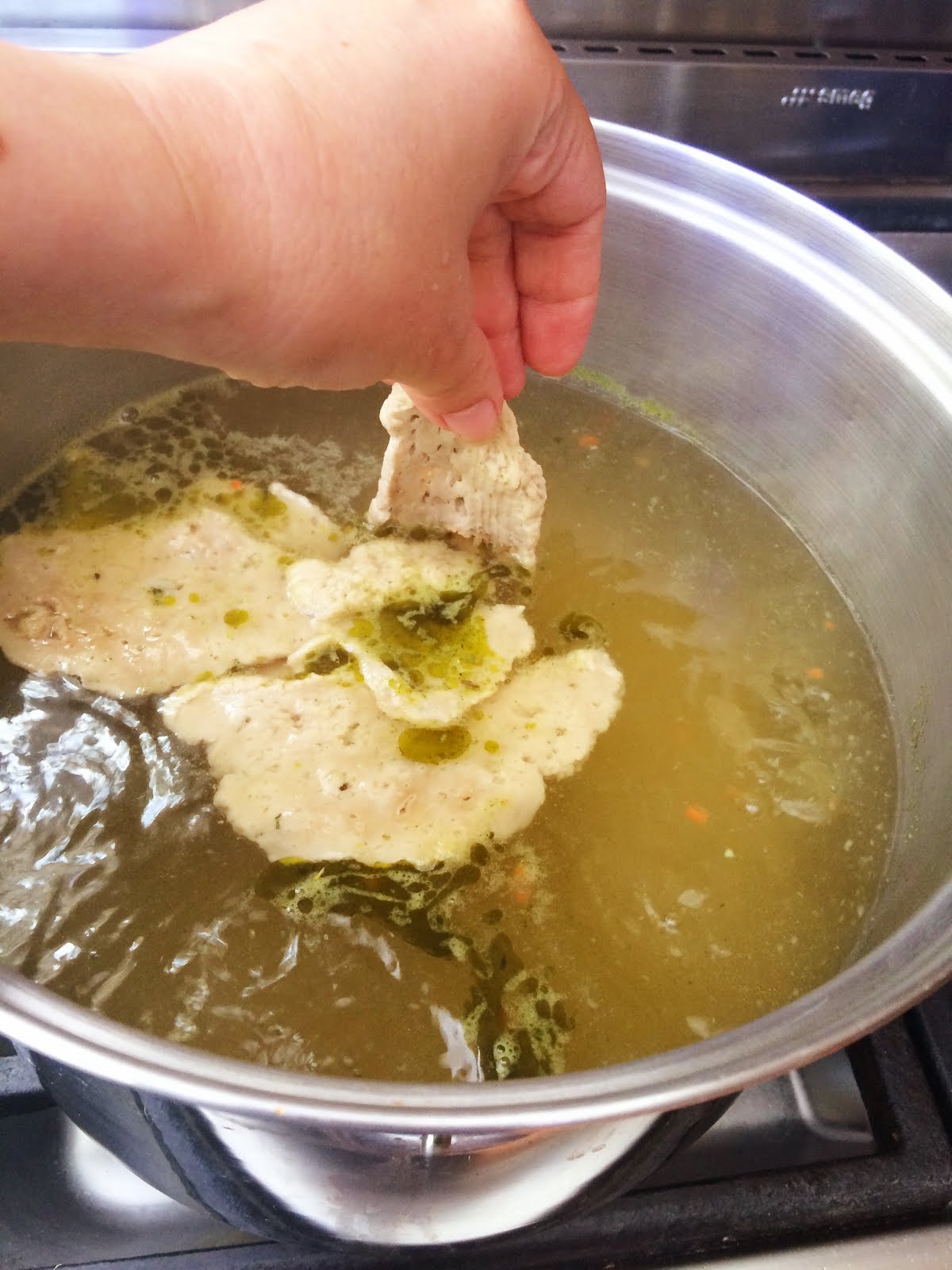
Place one slice at the time in a large pot of simmering vegetable broth (use plenty of broth for 500g of gluten flour, as it makes many slices and they will grow while simmering). Cook for 30 minutes, stirring from time to time.


When the 'meat' is ready pick up piece by piece and place on a couple of clean cotton tea towels to dry for 10-20 minutes. Now it is ready to use for you favourite recipes (use the remaining stock to make soup). If you are not using it straight away place in a sealed glass or plastic container and store in the fridge for up to two weeks (or freeze for longer periods). 


When you need a few slices just take out and sauté with a little oil in a skillet. One of my favourite uses is to brown the slices on both sides and then add some lemon juice and soy sauce and put them in a sandwich, or on top of rice or ramen noodles. More recipes will follow when I get time to photograph and post more :-)


Photos and Recipes by Alessandra Zecchini ©

Wednesday, December 9, 2015

How to make potato and pumpkin gnocchi step by step


To make gnocchi you need big floury potatoes, like agria, wash them and boil them with the skin. Do not peel first! Peel the potatoes only after they have been boiled, then press with a potato ricer. This is very important, if you you a blender or food processer you will not get the right texture.


I added a bit of cooked pumpkin too (not necessary, but I had it!). Then salt, pepper and ground nutmeg. And then a bit of flour, enough to get a workable dough. There is no exact dosage really, it all depends on how floury are your potatoes, and adding pumpkin does require a bit more flour too.


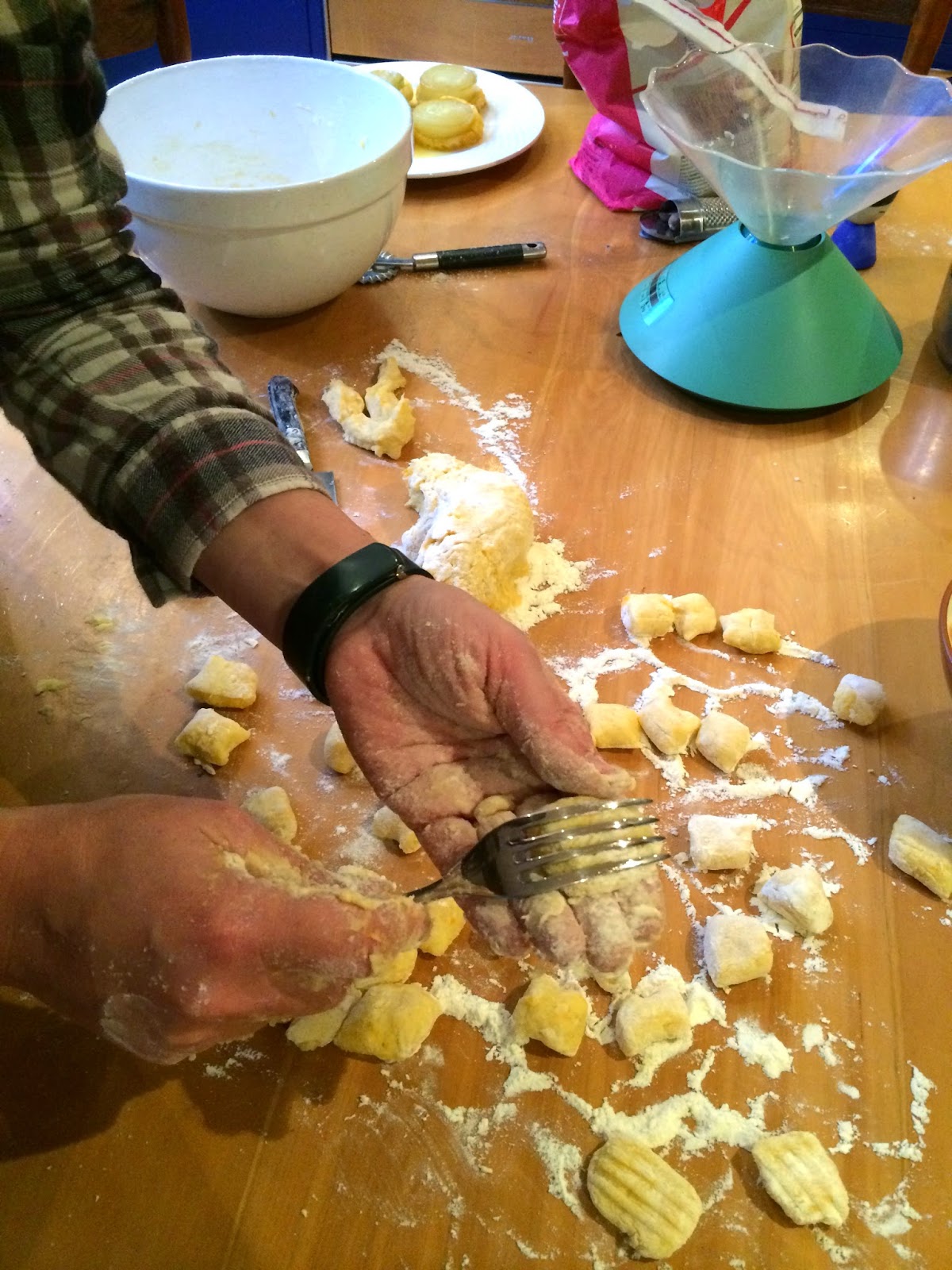
Take a piece of potato dough and roll it into long strips, then cut off the gnocchi.


Shape the gnocchi with the help of a fork to make some incisions on the top.


The gnocchi is ready! Cook in salted boiling water and as they rise to the surface remove with a slotted spoon and place in the pot with the sauce of your choice.


Photos and Recipes by Alessandra Zecchini ©
Thursday, December 3, 2015

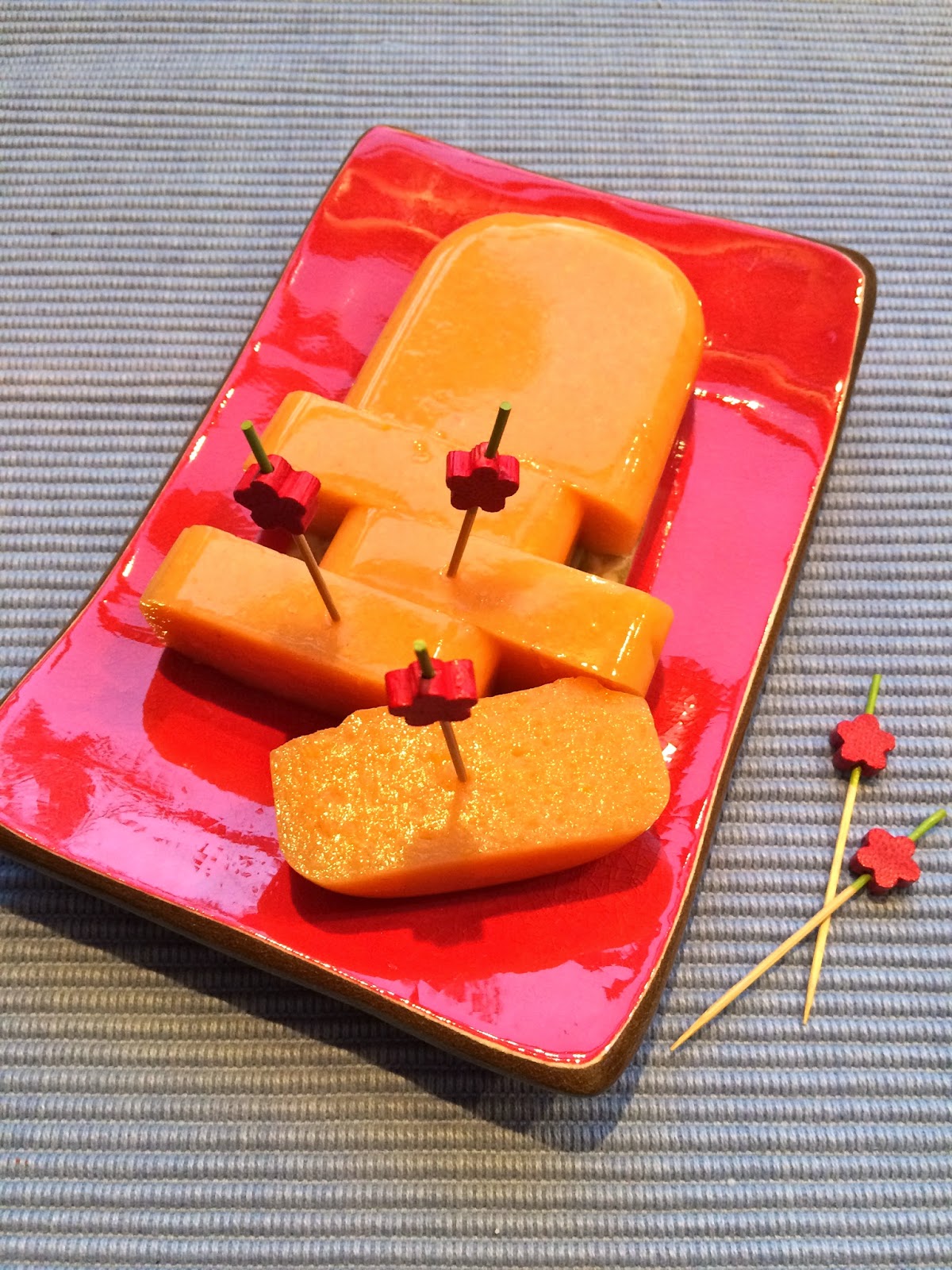
Persimmon agar agar: sugar free, gluten free and vegan, only two ingredients


This dessert is perfect after a Japanese meal, maybe not a traditional Japanese dish (I invented it, after all, like most of the recipes in this blog) but it taste great and and it is made with only two ingredients: persimmons and agar agar (and a little water). So it is sugar free, gluten free and vegan! All you need to do is peel two persimmons and cube them. Put the fruit in a blender with a just enough water to be able to blend it. Mix half tsp of agar agar powder with 50 ml of water and add to the persimmon 'smoothie'. Put everything in a small pot and bring to the boil. Simmer for just one minute then pour into a mould (rectangular is better). Let it cool down and cut into slices.
Photos and Recipes by Alessandra Zecchini ©
Saturday, November 21, 2015

Wednesday, November 18, 2015

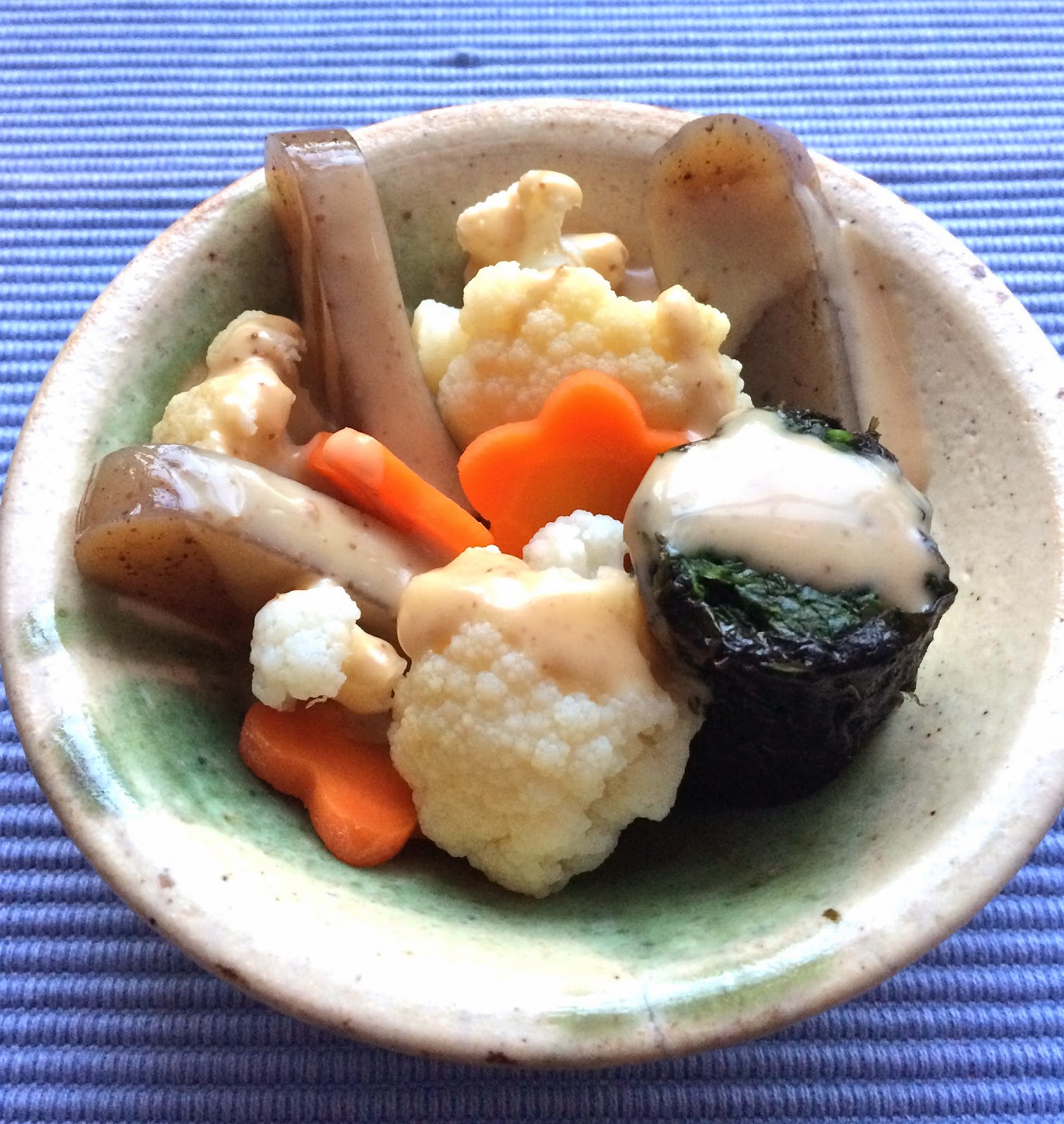
Konnyaku and vegetables with Japanese dressing


The other day I had a crazy craving for gomadofu, the 'tofu' made with sesame seeds. But I couldn't find it anywhere in Auckland! If anyone can help (or tell me how to make it at home!) please do! Meanwhile here is a fantastic recipe with Konnyaku

Wednesday, November 4, 2015

Crunchy Bean Sprout Winter Mediterranean Salad


I love beans and lentils, but I also love salads and raw food, my body feels like it needs them!
I usually mix cooked beans with raw salad vegetables, but when I remember I get some bean sprouts, and I particularly like this crunchy bean combo from Sproutman. I can just eat the sprouted beans as they are, with a drop of olive oil and lemon juice, 

Monday, October 26, 2015

Vegan Goulash with tofu


Ingredients:

2 blocks of tofu, frozen for one day and then defrosted
3 tbsp olive oil
1 large onion
1 tsp sweet paprika
1/2 tsp hot paprika (or to taste)
2 carrots
4 large potatoes
1 green capsicum (bell pepper)
1 red capsicum (bell pepper)
2l l vegetable broth
Salt to taste

If you freeze the tofu and then defrost it it becomes porous and easy to cook in stew without breaking up. Also it will absorb flavors really well! Once the tofu is defrosted cut it in big cubes. Chop the onion and sauté with the olive oil. When the onion is translucent add the paprika, the sweet paprika will give flavour, and the hot one… heat, so use this according to taste. Then add the tofu cubes and stir well. Add the vegetables and the hot vegetable broth. Simmer until the carrots and potatoes are ready, but before the potatoes start to break up. Goulash is more like a soup than a stew. If you prefer a thicker stew just cook it for longer, stirring often and breaking up the potatoes. Add salt to taste (no necessary if the broth is salty enough).

 Photos and Recipes by Alessandra Zecchini ©
Saturday, October 10, 2015

Cavolo nero soup with chickpeas and pasta


A low fat, high protein vegan dish

1 bunch of cavolo nero
1 shallot
1.5 l vegetable stock
1 can chickpeas
plus the same amount of water
1 cup of small pasta 
salt and pepper to taste
extra virgin olive oil to drizzle

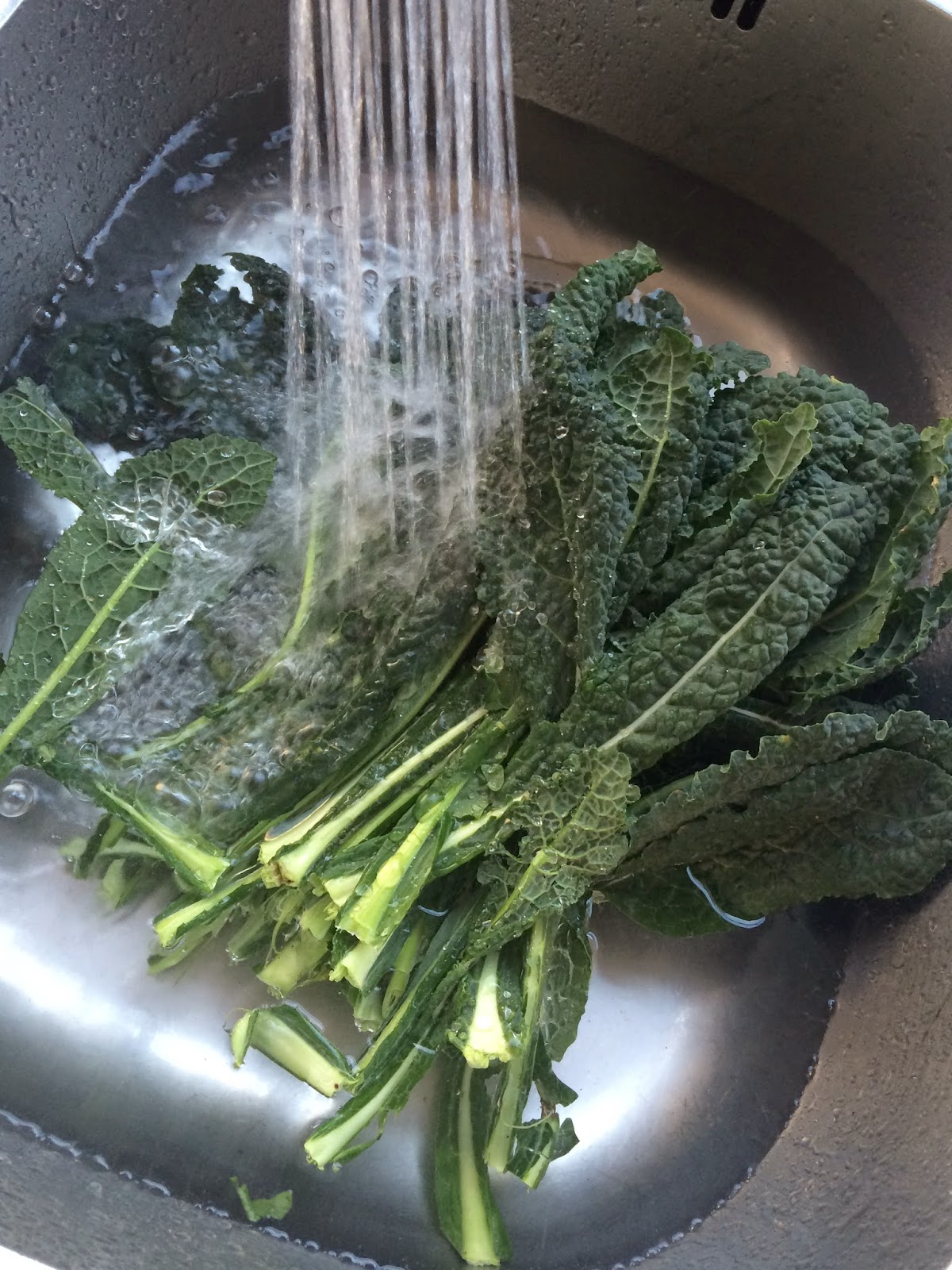
Wash the cavolo nero and remove the white stalks. Slice the shallot. Put everything in a pot with the vegetable stock and bring to the boil. Simmer for 30 minutes. Add the content of the can of chick peas, plus a can of water. Simmer for other 30 minutes then blend with an immersion blend, but not too finely, leave some of the chickpeas whole. Bring back to the boil, add the pasta and simmer until the pasta is al dente. Taste for salt and pepper and drizzle with olive oil before serving. It is actually better the day after!


Photos and Recipes by Alessandra Zecchini ©
Thursday, October 8, 2015

Vegan meringues with chickpea brine (Aquafaba)


After making Aquafaba Vegan Pavlova I tried to make meringues. I changed the recipe only a little, and used less sugar (still experimenting though!). Here is the recipe: